
The Taino myth of the cursed creator – Bill Keegan
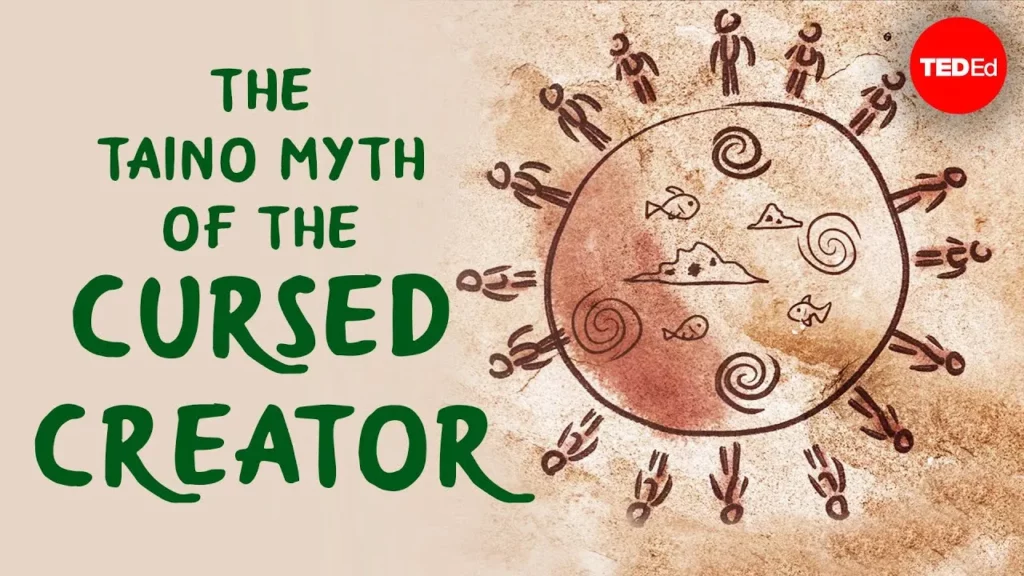
The Taino myth of the Cursed Creator tells the story of four brothers who, after accidentally breaking a gourd belonging to the supreme spirit Yaya, create a new world filled with oceans and islands. They meet their grandfather, Bayamanacao, who reveals their divine heritage and transforms Deminan into a caracaracol, a being capable of communicating with the gods, thus establishing a connection between the divine and human realms. While this role is honored, it comes with the burden of illness, symbolizing the dual nature of their gifts as both a blessing and a curse.
Game theory challenge: Can you predict human behavior? – Lucas Husted
The lesson explores a game theory challenge where participants must guess a number closest to two-thirds of the average of all guesses, highlighting the concept of common knowledge and Nash Equilibrium. While rational reasoning suggests that players would ultimately guess zero, real-world outcomes often reflect a mix of rationality and practical behavior, with average guesses typically falling between 20 and 35. The lesson also introduces k-level reasoning, illustrating how players anticipate others’ strategies, which can significantly influence decision-making in various real-life scenarios.
Why haven’t we cured arthritis? – Kaitlyn Sadtler and Heather J. Faust
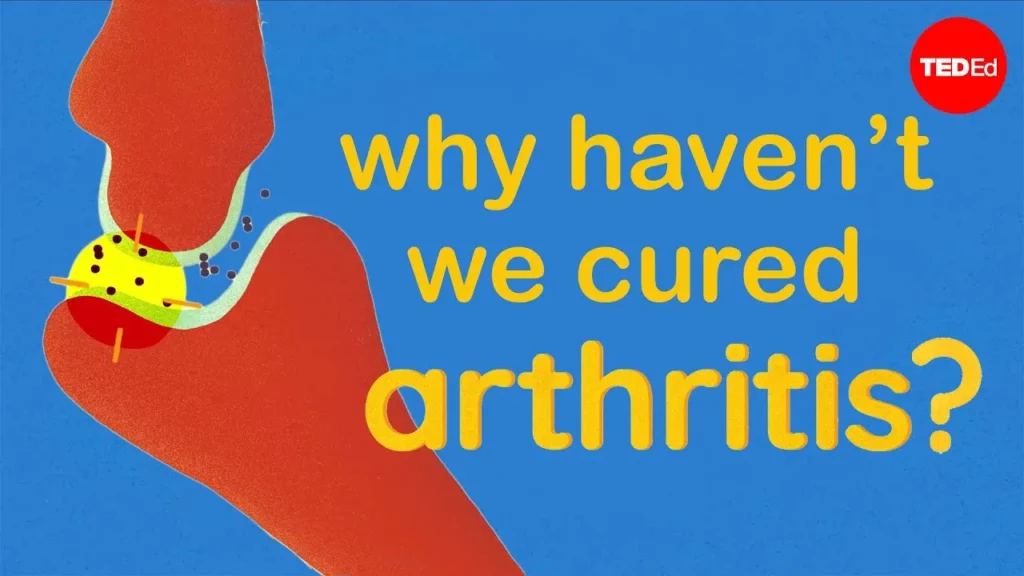
The lesson explores the complexities of arthritis, highlighting that it encompasses over 100 different types, each with unique causes and symptoms. While current treatments primarily focus on managing symptoms rather than curing the condition, proactive lifestyle choices such as maintaining a healthy weight and engaging in low-impact exercises can help mitigate joint pain and improve overall quality of life. Ongoing research aims to deepen our understanding of arthritis and develop more effective treatments.
Why do humans have a third eyelid? – Dorsa Amir
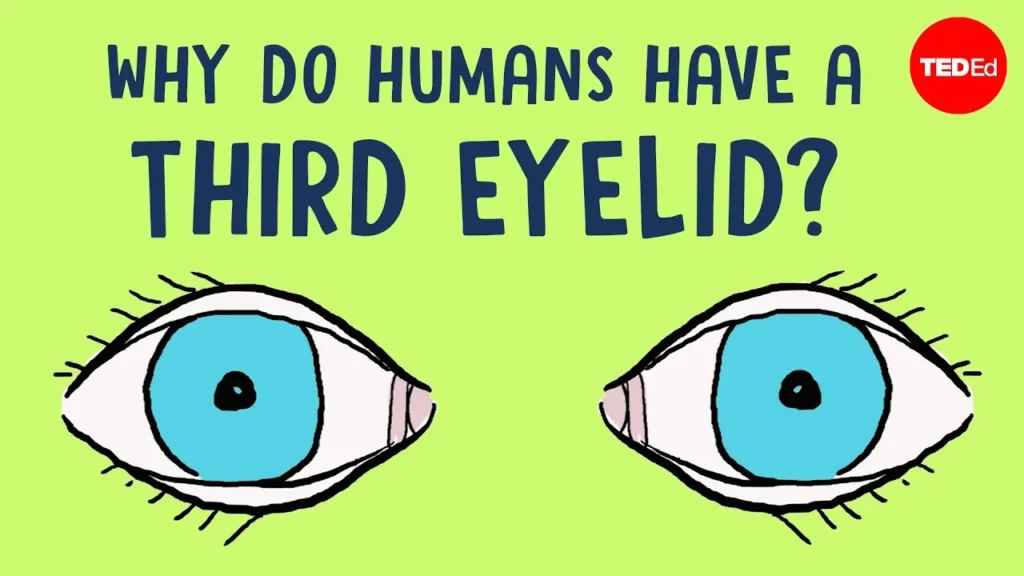
The lesson explains the concept of vestigial structures in humans, using the example of the third eyelid, or plica semilunaris, which no longer serves its original purpose of protecting the eye. It discusses how vestigial structures, like the tailbone and appendix, persist in the human body despite losing their functions due to evolutionary changes, highlighting the role of natural selection in this process. Ultimately, these remnants provide insight into our evolutionary history and the imperfect nature of evolution.
The dangers of mixing drugs – Céline Valéry
The lesson emphasizes the significant risks associated with mixing drugs, highlighting how interactions can lead to serious health issues. It explains that drug interactions can occur between medications, foods, and herbal supplements, affecting their efficacy and safety. By understanding these interactions, individuals can make informed choices to protect their health and avoid potentially dangerous combinations.
The myth of Loki and the master builder – Alex Gendler
In the Norse myth of Loki and the Master Builder, the gods of Asgard face a threat from giants and trolls, prompting them to accept a mysterious stranger’s offer to build an impenetrable wall in exchange for the goddess Freya and the sun and moon. Loki devises a plan to ensure the builder fails by distracting his horse, leading to the revelation of the builder’s true identity as a mountain giant. Ultimately, the gods defeat the giant, complete the wall, and Loki secretly gives birth to Sleipnir, Odin’s legendary eight-legged horse.
How does laser eye surgery work? – Dan Reinstein
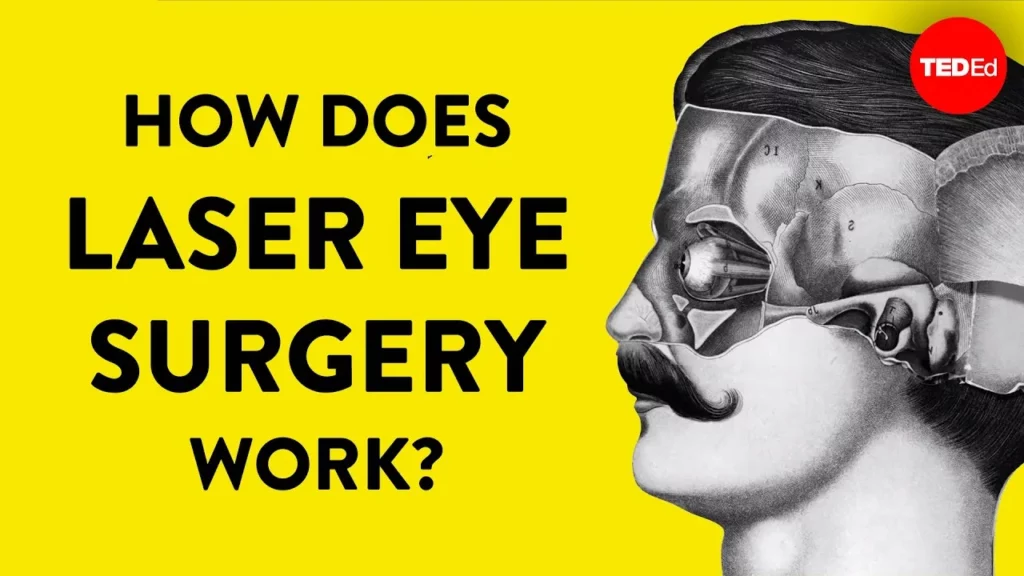
The lesson explores the evolution of laser eye surgery, beginning with the pioneering work of Jose Ignacio Barraquer Moner in 1948, who developed the keratomileusis technique to correct refractive errors. It highlights the transition to modern laser procedures like LASIK, which utilize excimer lasers for precise corneal reshaping, and discusses innovations such as SMILE and Laser Blended Vision that address both refractive errors and age-related vision changes. The lesson concludes by emphasizing ongoing advancements in laser technology that may one day fulfill the vision of a world free from glasses.
History’s “worst” nun – Theresa A. Yugar

The lesson explores the life and legacy of Juana Ramírez de Asbaje, known as Sor Juana Inés de la Cruz, a remarkable 17th-century Mexican nun and intellectual who defied societal norms to pursue knowledge and advocate for women’s rights. Despite her extraordinary achievements and contributions to literature and philosophy, her outspoken nature led to conflicts with church authorities, ultimately resulting in censorship and a shift from scholarship to charity work. Today, Sor Juana is celebrated as a pioneering feminist figure in the Americas, symbolizing the struggle for intellectual freedom and gender equality.
Can you outsmart this logical fallacy? – Alex Gendler
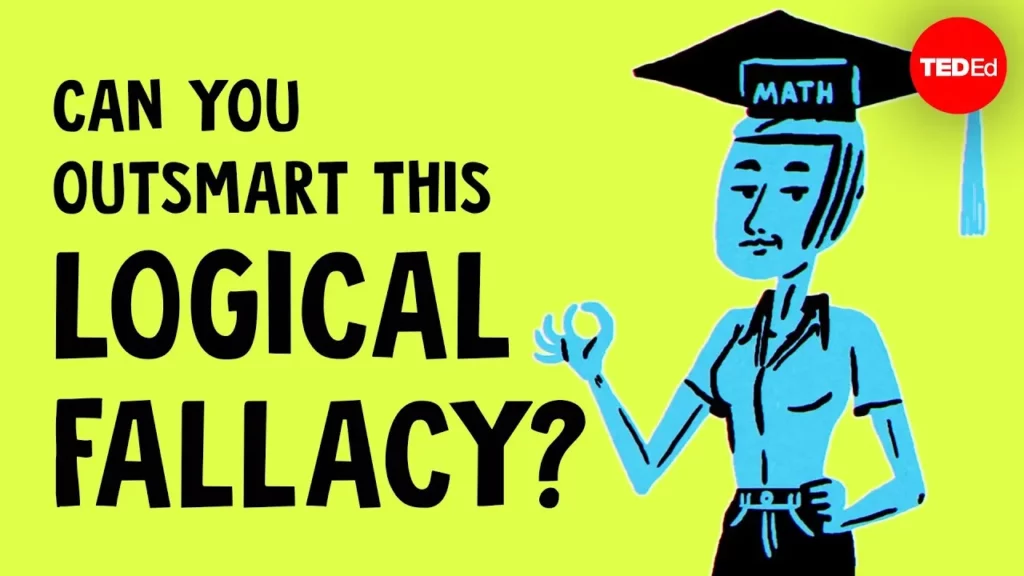
The lesson explores the conjunction fallacy through the example of Lucy, a math major, highlighting how people often mistakenly believe that a more specific scenario (Lucy being both a portrait artist and a poker player) is more likely than a broader one (Lucy being just a portrait artist). This cognitive bias leads individuals to favor narratives that feel intuitive over those that are statistically probable, ultimately affecting decision-making and critical thinking. By understanding this fallacy, we can enhance our ability to evaluate information more accurately and avoid being misled by implausible claims.
Hacking bacteria to fight cancer – Tal Danino
The lesson discusses the innovative use of bacteria in cancer treatment, tracing its origins back to a 19th-century case where a bacterial infection led to the regression of a patient’s cancer. Modern synthetic biologists have built on this concept by programming bacteria to deliver cancer-fighting drugs directly to tumors, exploiting the unique environment of tumors to enhance treatment efficacy while minimizing harm to healthy tissues. Promising results from trials indicate that this approach not only targets tumors effectively but also stimulates the immune system, suggesting a potential for broader applications in cancer therapy and disease monitoring.