
Everything changed when the fire crystal got stolen – Alex Gendler

In this lesson, four young apprentices accidentally steal sacred element crystals from the Element Temple and, in their panic, swallow them, leading to a potential transformation into wild elemental spirits. An old monk guides them to identify who has which crystal by using the clues that those with the Earth and Water Crystals must tell the truth, while those with the Fire and Air Crystals must lie. Through logical deduction and the method of proof by contradiction, the apprentices ultimately determine the correct ownership of the crystals, allowing them to contain their powers before they spiral out of control.
The accident that changed the world – Allison Ramsey and Mary Staicu
The lesson highlights the serendipitous discovery of penicillin by Alexander Fleming in 1928, which emerged from a mold’s antibacterial properties and revolutionized the treatment of bacterial infections. Initially a laboratory curiosity, penicillin became widely produced during World War II, saving countless lives and earning Fleming a Nobel Prize. However, the lesson also addresses the challenges of antibiotic resistance and the prevalence of penicillin allergies, emphasizing the need for responsible antibiotic use and ongoing research in medicine.
One of the most epic engineering feats in history – Alex Gendler
The lesson highlights the remarkable engineering journey of the Brooklyn Bridge, initiated by John Roebling in the mid-1800s amidst skepticism and significant challenges. Roebling’s innovative hybrid design, which combined elements of suspension and cable-stayed bridges, addressed the structural weaknesses of contemporary designs, ultimately leading to the successful construction of the bridge despite numerous adversities, including tragic personal losses and hazardous working conditions. Completed in 1883, the Brooklyn Bridge remains a testament to engineering resilience and ingenuity, symbolizing a vital connection in New York City.
Vultures: The acid-puking, plague-busting heroes of the ecosystem – Kenny Coogan
The lesson highlights the crucial role vultures play in maintaining ecosystem health by efficiently scavenging carrion, which prevents contamination and the spread of diseases. It discusses various vulture species, their unique adaptations for digestion, and the challenges they face from human activities, such as poisoning and harmful veterinary drugs. Conservation efforts are underway to protect these vital birds, emphasizing their importance in transforming decay into life and sustaining ecological balance.
How good are you at calculating risk? – Gerd Gigerenzer
The lesson by Gerd Gigerenzer emphasizes the importance of understanding risk in everyday life, particularly in health-related contexts. It distinguishes between relative risk, which compares risks between groups, and absolute risk, which focuses on actual numbers affected, highlighting how misinterpretations can lead to misguided decisions. By grasping these concepts, individuals can make more informed choices that align with their personal health circumstances and values.
The Tower of Epiphany | Think Like A Coder, Ep 7
In “The Tower of Epiphany: Think Like A Coder, Episode 7,” Ethic and her robot friend Hedge face the challenge of ascending a towering structure by solving an energy puzzle. They must determine the amount of energy each column can hold using an efficient algorithm that involves tracking the tallest stacks of blocks on both sides of each column. As they successfully navigate the energy barriers and reach the Node of Creation, Ethic reflects on her past and the creation of artifacts meant to restore people’s power, setting the stage for further developments in their journey.
The Egyptian myth of Isis and the seven scorpions – Alex Gendler
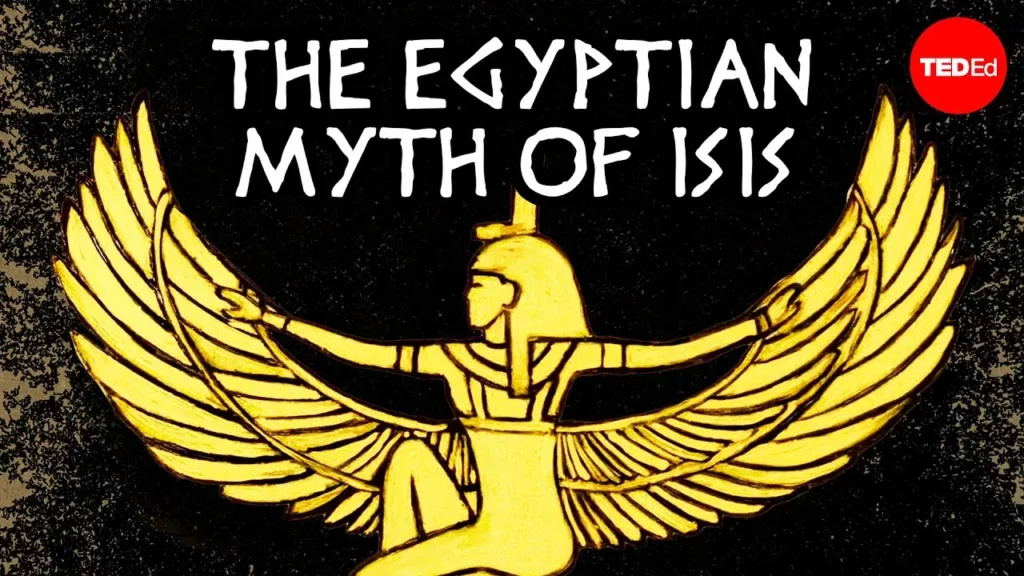
The Egyptian myth of Isis and the Seven Scorpions tells the story of Isis, who, while hiding from her brother Set, seeks refuge in a kind woman’s cottage after being rejected by a wealthy woman due to her appearance. The scorpions, sent to protect her, take revenge on the rude woman by stinging her son, but Isis uses her magical powers to save him, teaching the importance of kindness, forgiveness, and understanding others’ struggles. Ultimately, the tale highlights the value of compassion and the lessons learned from helping those in need.
Can you solve the death race riddle? – Alex Gendler
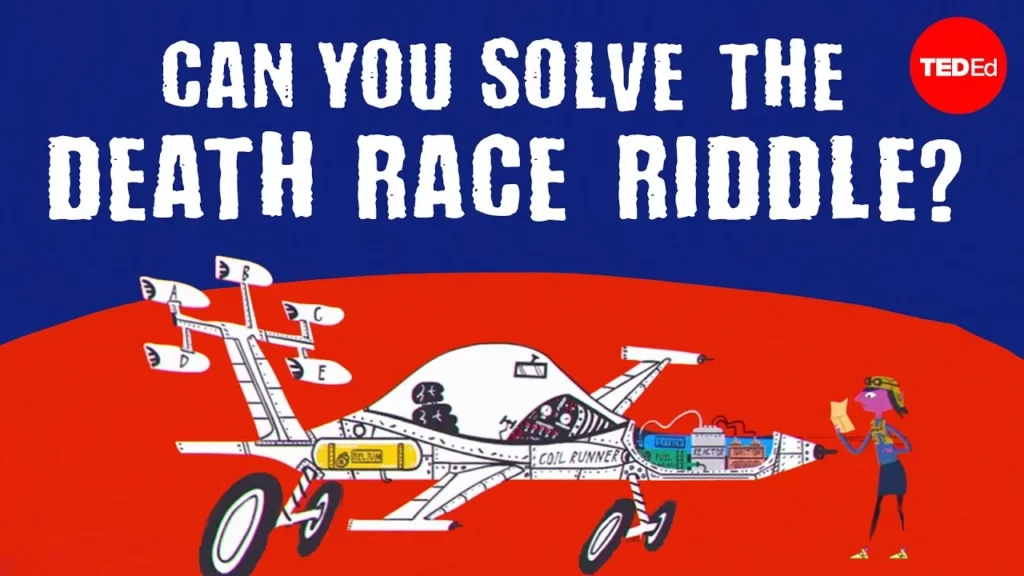
In the lesson “Can You Solve the Death Race Riddle?”, you must navigate a high-stakes race to rescue your kidnapped uncle by strategically using his malfunctioning car’s thrusters. By analyzing the relationships between the thrusters and the potential failures they cause, you deduce which thrusters to avoid to successfully complete the race without triggering any catastrophic issues. Ultimately, your logical reasoning leads to victory, allowing you to reclaim your uncle and celebrate your success.
NASA’s first software engineer: Margaret Hamilton – Matt Porter & Margaret Hamilton
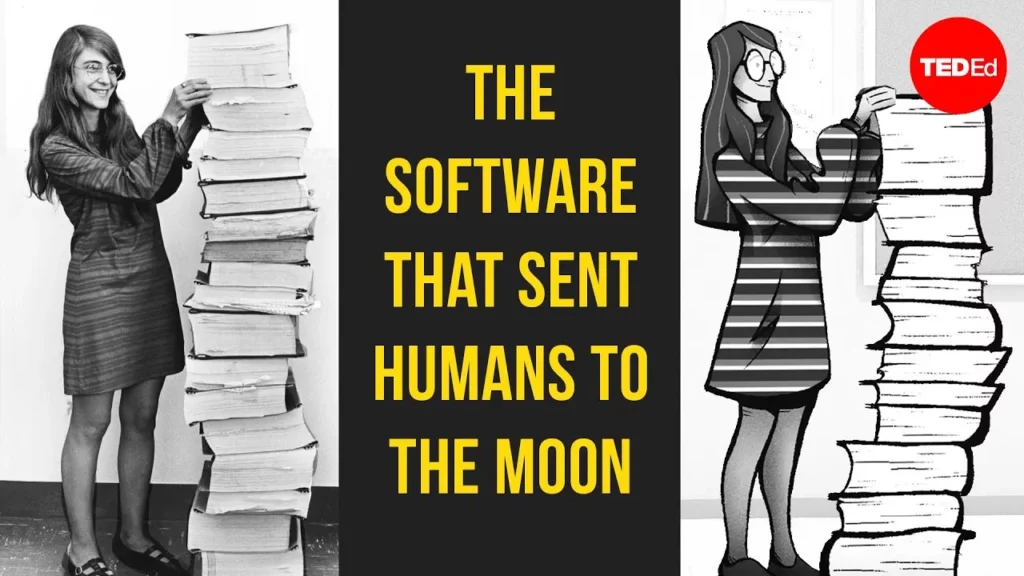
The lesson highlights the pivotal role of Margaret Hamilton, NASA’s first software engineer, in the success of the Apollo 11 moon landing. Her innovative approach to software design, including the development of asynchronous programming and Priority Displays, ensured that the Apollo Guidance Computer could handle unexpected errors in real time, ultimately allowing astronauts to land safely on the moon despite critical alarms. Hamilton’s legacy continues to influence technology and software engineering, earning her significant recognition, including the Presidential Medal of Freedom.
The meaning of life according to Simone de Beauvoir – Iseult Gillespie
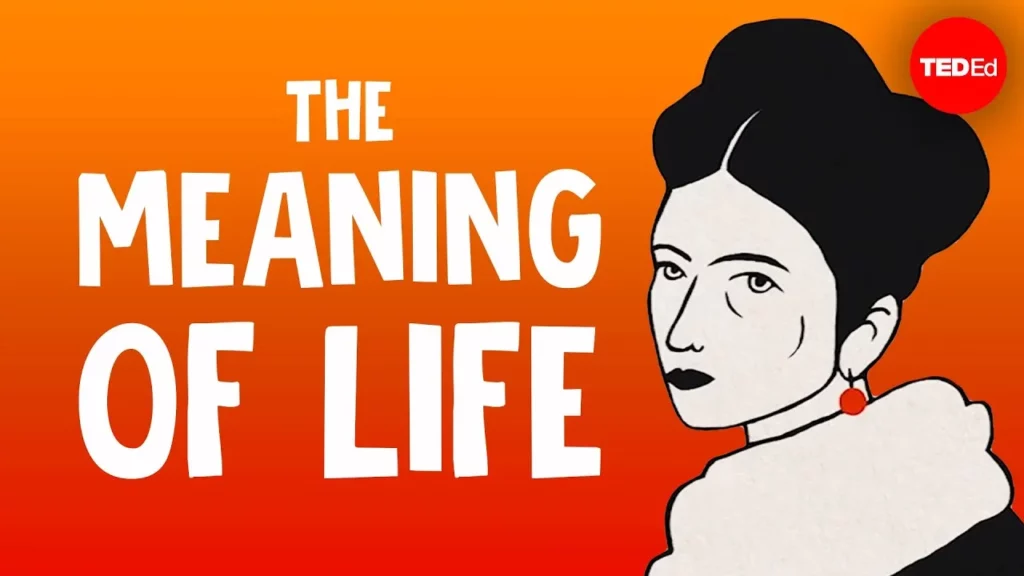
The lesson on Simone de Beauvoir highlights her groundbreaking contributions to existentialism and feminist philosophy, emphasizing her belief that individuals must create their own meaning in life while respecting the freedom of others. Through her seminal work “The Second Sex,” de Beauvoir challenged traditional gender norms and the concept of women as the “Other,” arguing that gender identity is not predetermined but shaped by societal influences. Her legacy continues to inspire discussions on feminism and the complexities of identity, encouraging a reevaluation of established philosophical ideas.