
What really happened during the Attica Prison Rebellion – Orisanmi Burton
The Attica Prison Rebellion of 1971 was a crucial event that underscored the urgent need for prison reform and highlighted issues of racial injustice, particularly affecting Black and Latino inmates who faced severe mistreatment and harsh conditions. Sparked by systemic discrimination and the killing of activist George Jackson, the rebellion saw prisoners demand better treatment and rights, leading to a violent crackdown that resulted in numerous deaths and injuries. The legacy of Attica continues to resonate today, as the survivors and their demands for dignity and justice remain central to ongoing social justice movements.
Should you donate your DNA to help cure diseases? – Greg Foot
The lesson discusses the potential impact of donating DNA for medical research aimed at curing diseases, emphasizing the lengthy and complex process of drug development. It highlights how understanding genetic variations can lead to identifying malfunctioning proteins associated with diseases, thereby creating new therapeutic targets. By participating in genetic data sharing, individuals can contribute to accelerating drug discovery and potentially revolutionizing treatments for currently untreatable conditions.
What happens to your brain during a migraine – Marianne Schwarz
Migraines are complex neurological disorders characterized by a range of symptoms beyond severe headaches, including visual disturbances, sensitivity to light, and fatigue. The onset of migraines often involves warning signs and auras, which indicate increased brain activity, particularly in the hypothalamus and trigeminal nerve. Although migraines are common and affect a significant portion of the population, their exact triggers and mechanisms remain largely mysterious, with potential links to hormonal changes and other health conditions like depression and anxiety.
Can you be awake and asleep at the same time? – Masako Tamaki
The lesson explores the intriguing concept of asymmetrical sleep, where certain animals, including humans, can be both awake and asleep simultaneously. This phenomenon allows animals like dolphins and seals to remain vigilant against threats while resting, as different hemispheres of their brains can be in varying states of alertness. In humans, this is exemplified by the “first night effect,” where part of the brain stays alert in unfamiliar environments, highlighting our own capacity for asymmetrical sleep.
Could you survive the real Twilight Zone? – Philip Renaud and Kenneth Kostel
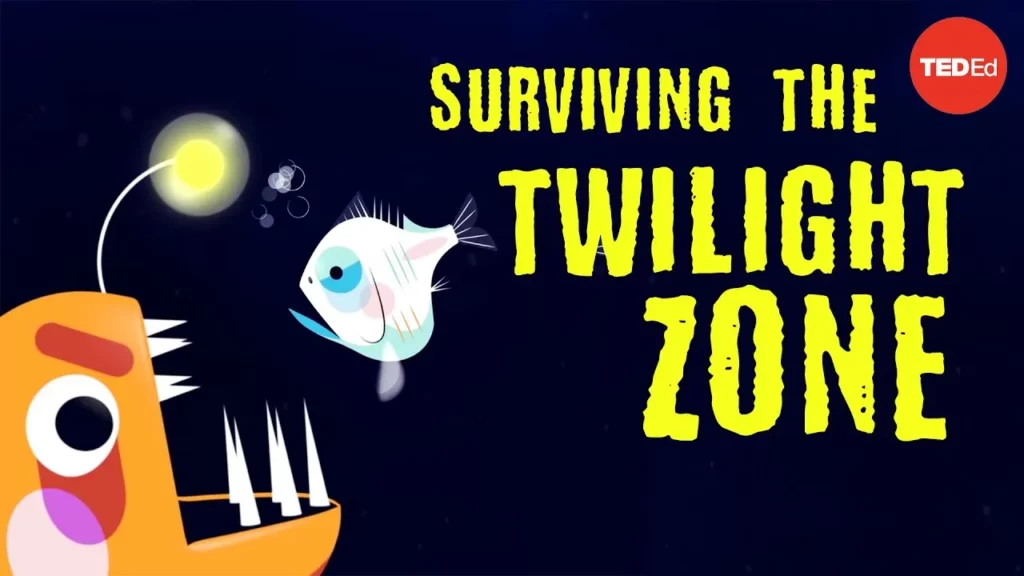
In the lesson “Could You Survive the Real Twilight Zone?”, students explore the challenges faced by a hatchetfish navigating the dark depths of the ocean. They learn about the fish’s unique adaptations, such as its swim bladder for buoyancy and glowing belly for camouflage, which help it evade predators while migrating to the surface for food. The lesson also highlights the importance of this migration in the ocean’s ecosystem, particularly its role in the biological carbon pump that helps mitigate climate change.
The epic of Gilgamesh, the king who tried to conquer death – Soraya Field Fiorio
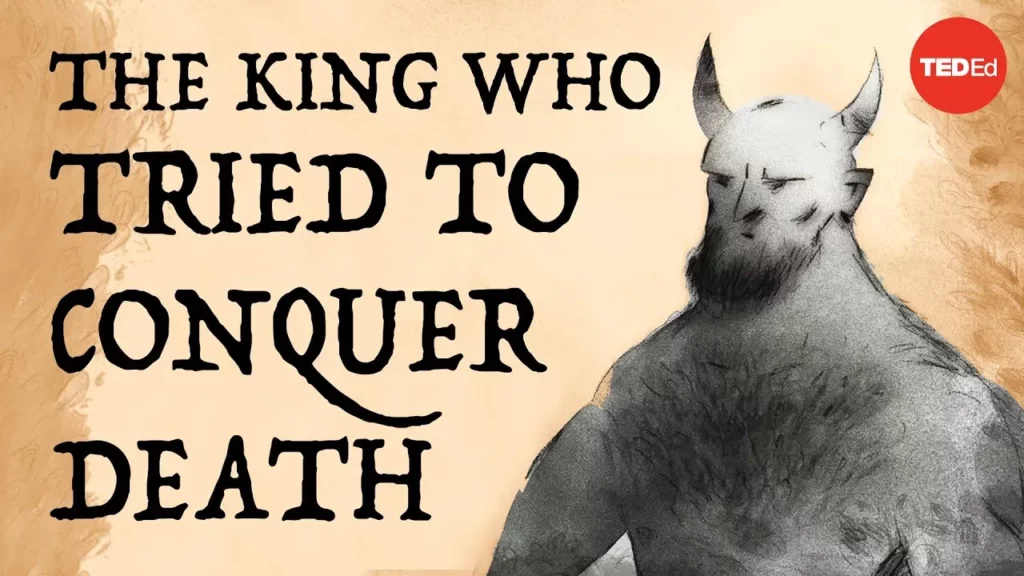
The Epic of Gilgamesh tells the story of the ancient king of Uruk, who, after the death of his friend Enkidu, embarks on a quest for immortality. Despite facing numerous challenges and receiving wisdom about the inevitability of death, Gilgamesh ultimately learns to accept his mortality and focuses on leaving a lasting legacy through his deeds and stories. This ancient tale, discovered in the ruins of Nineveh, highlights themes of friendship, the human condition, and the pursuit of meaning in life.
How do you know what’s true? – Sheila Marie Orfano
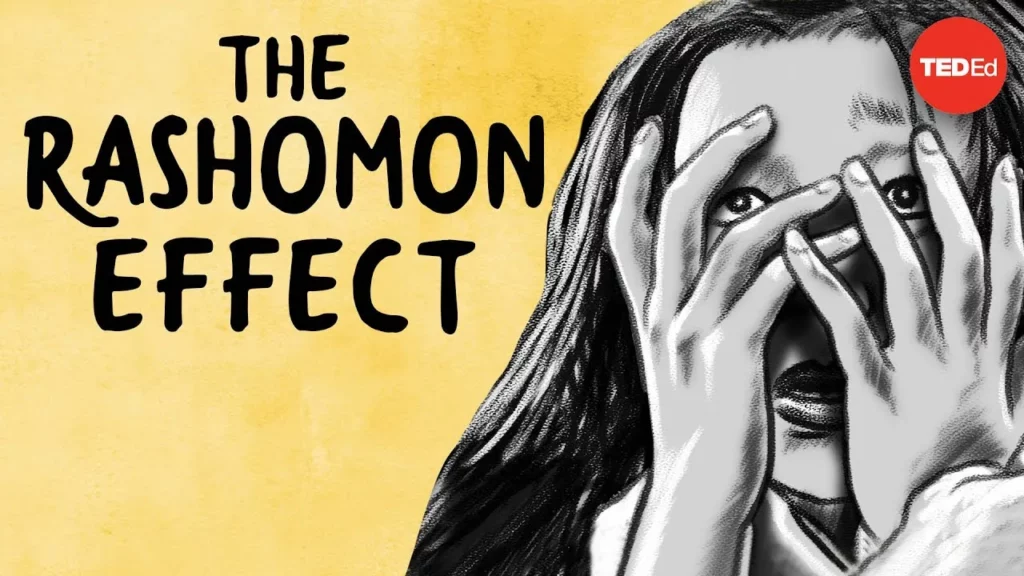
The lesson explores the concept of the Rashomon effect, which illustrates how different individuals can provide varying yet plausible accounts of the same event, highlighting the unreliability of eyewitness testimony and the complexity of human memory. Through the lens of Ryūnosuke Akutagawa’s story and Akira Kurosawa’s film, the lesson challenges the notion of a single objective truth and emphasizes the influence of personal biases and experiences on memory formation. Ultimately, it raises profound questions about the nature of truth and the implications of differing perceptions in understanding events and making decisions.
What few people know about the program that “saved” America – Meg Jacobs

The lesson discusses the New Deal, a series of federal programs initiated by Franklin D. Roosevelt in response to the Great Depression, which aimed to stabilize the economy, provide relief, and create jobs. While the New Deal successfully reduced unemployment and established important social safety nets, it also revealed significant inequities, particularly affecting Black Americans, who often received less support due to political compromises with Southern Democrats. Ultimately, the New Deal’s legacy is complex, as it laid the groundwork for future civil rights movements while failing to fully address the needs of all Americans.
Why was India split into two countries? – Haimanti Roy
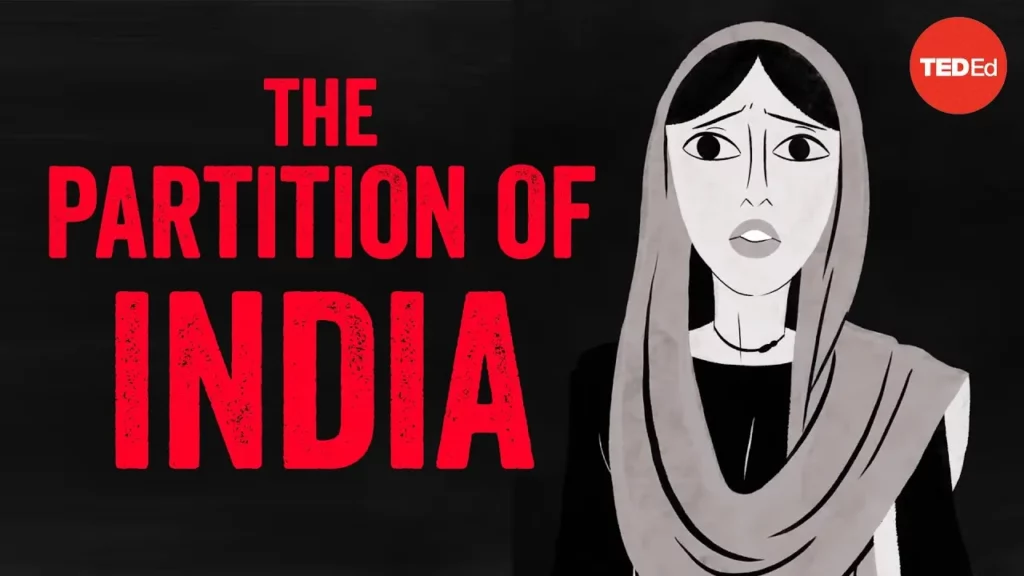
The lesson explores the complex historical context behind the partition of India in 1947, which resulted in the creation of two separate nations: India and Pakistan. It highlights how British colonial rule exacerbated religious divisions among communities, leading to a rushed and poorly planned division that caused immense suffering, including the loss of approximately one million lives and the displacement of millions more. The long-term consequences of this partition continue to affect the political landscape and inter-community relations in the region today.
Axolotls: The salamanders that snack on each other (but don’t die) – Luis Zambrano
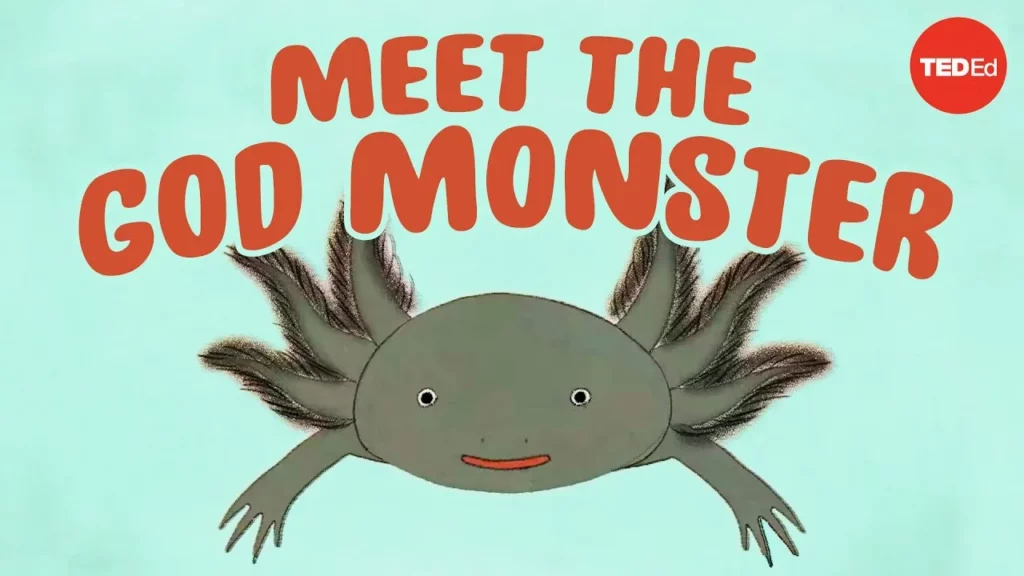
The lesson on axolotls highlights their unique characteristics, particularly their ability to remain in a juvenile state throughout their lives and their remarkable regenerative powers, allowing them to regrow limbs and other body parts. Despite their fascinating biology and historical significance to the Aztecs, axolotls are facing severe threats in the wild due to habitat loss and pollution. Conservation efforts are underway to restore their ecosystem, with hopes that studying axolotls could lead to advancements in human medicine, particularly in cancer resistance and regeneration.