
How do antidepressants work? – Neil R. Jeyasingam
The lesson explores the history and evolution of antidepressants, beginning with the accidental discovery of iproniazid and imipramine in the 1950s, which led to the chemical imbalance theory of depression. It highlights the development of selective serotonin reuptake inhibitors (SSRIs) like Prozac, which revolutionized treatment by targeting serotonin with fewer side effects, while also addressing the changing perceptions of depression as a medical condition. Despite advancements, the lesson emphasizes that our understanding of depression remains incomplete, and effective treatment often requires a combination of medication and psychotherapy.
Ugly History: The Spanish Inquisition – Kayla Wolf
The lesson on the Spanish Inquisition outlines its origins, purpose, and impact over its 350-year duration, beginning in 1478 under the authority of Pope Sixtus IV and the Catholic monarchs Ferdinand and Isabella. It highlights the Inquisition’s role in targeting various religious groups, particularly Jews and Muslims, leading to forced conversions, expulsions, and severe punishments, including public executions. The Inquisition’s legacy is marked by significant social and economic repercussions for religious minorities and a culture of fear that persisted long after its official end in 1834.
A brief history of the devil – Brian A. Pavlac
The lesson explores the historical evolution of the devil, tracing his transformation from a minor figure in the Old Testament to a prominent character in literature and art, such as Dante’s three-headed Satan and Milton’s complex Lucifer. Over time, the devil has been depicted in various forms, reflecting societal views on evil, temptation, and rebellion, culminating in modern interpretations that continue to inspire creativity across multiple media. Ultimately, the figure of the devil serves as a powerful symbol of the complexities of human nature and moral dilemmas.
Can you outsmart the apples and oranges fallacy? – Elizabeth Cox
The lesson explores the “apples and oranges fallacy,” which occurs when people mistakenly assume that two things are similar based solely on one shared characteristic. Using the climate change debate as a key example, it emphasizes that historical warm periods, while natural, differ significantly from today’s human-driven climate change, highlighting the importance of rigorous study and avoiding false analogies to understand complex issues effectively.
Why are airplanes slower than they used to be? – Alex Gendler
The lesson explores the reasons why commercial airplanes are slower today compared to the past, particularly highlighting the era of the Concorde, which offered supersonic travel but faced challenges such as sonic booms, high costs, and environmental concerns. Despite advancements in technology, modern aircraft prioritize fuel efficiency over speed, leading to longer flight times. However, ongoing research and innovations may pave the way for a future resurgence of faster, more efficient air travel.
How the world’s tallest skyscraper was built – Alex Gendler
The lesson explores the innovative engineering and design advancements that led to the construction of the Burj Khalifa, the world’s tallest skyscraper, completed in 2009. Key innovations included Fazlur Rahman Khan’s tubular design and the buttressed core structure, which allowed for greater height and stability while maximizing interior space. However, the rapid construction of the Burj Khalifa came at a significant human cost, highlighting the need for improved worker protections in the construction industry.
Can you solve Dongle’s Difficult Dilemma? – Dennis E. Shasha
In the lesson “Can You Solve Dongle’s Difficult Dilemma?”, you embark on a quest to collect magical hexagons before the wizard Gordon can use them to control the world. Through strategic bidding at an auction set up by the clever merchant Dongle, you learn to manage your gems wisely to outmaneuver Gordon, ultimately securing the powerful silver hexagons needed to reshape the world. The lesson emphasizes the importance of strategy, resource management, and foresight in competitive scenarios.
Demolition, disease, and death: Building the Panama Canal – Alex Gendler
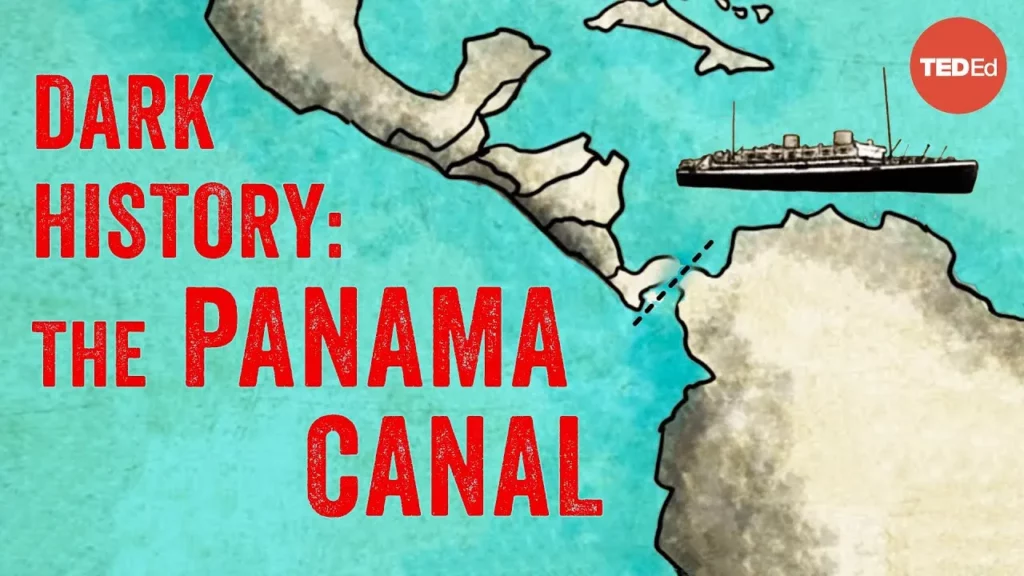
The lesson explores the historical context and challenges surrounding the construction of the Panama Canal, highlighting the initial failed attempt by the French and the subsequent successful American effort. It details the innovative engineering solutions implemented, such as the lock system and the construction of the Gatun Dam, which overcame geographical obstacles and facilitated the canal’s completion in 1913. Ultimately, the canal transformed maritime trade and became a significant source of revenue and national pride for Panama.
How to get a word added to the dictionary – Ilan Stavans
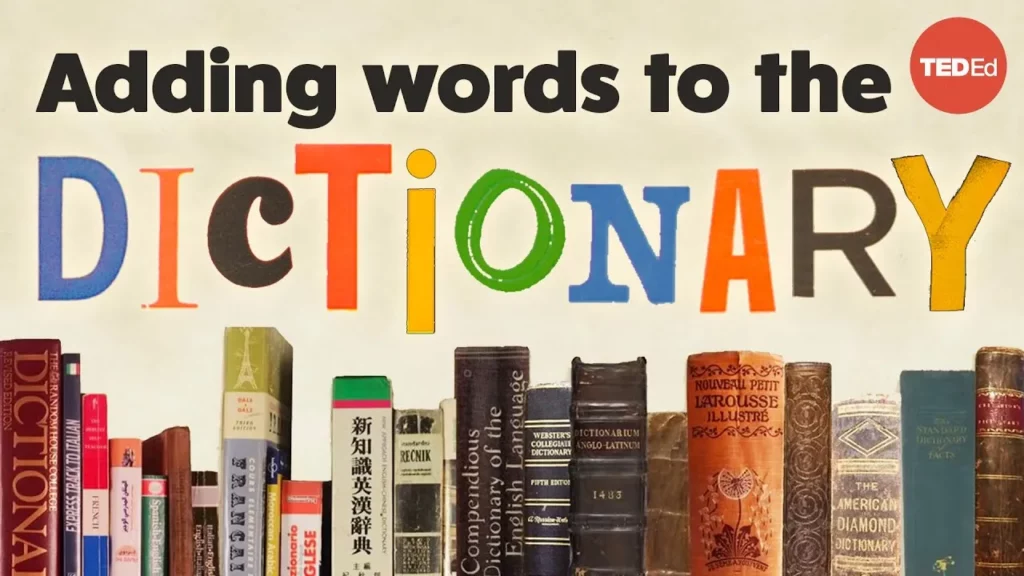
This lesson explores the process of how words are added to dictionaries, highlighting the role of lexicographers and the evolution of dictionaries over time. It discusses the historical significance of figures like Noah Webster, who aimed to create a uniquely American dictionary, and explains that modern dictionaries are compiled by teams that consider widespread usage and societal changes in language. Ultimately, it emphasizes that everyone contributes to the shaping of language, influencing which words are recognized and defined.
What’s in the air you breathe? – Amy Hrdina and Jesse Kroll
The lesson “What’s in the Air You Breathe?” explores the composition of air, highlighting that it is primarily made up of nitrogen (78%) and oxygen (21%), with a small fraction (0.07%) consisting of water vapor and various pollutants. It discusses the sources and types of air pollutants, including primary pollutants from factories and vehicles, and the transformation of these pollutants into secondary harmful compounds. The lesson emphasizes the importance of addressing air pollution through localized solutions and the collective responsibility of all individuals, as we share the same air regardless of our location.