
Why did people wear powdered wigs? – Stephanie Honchell Smith
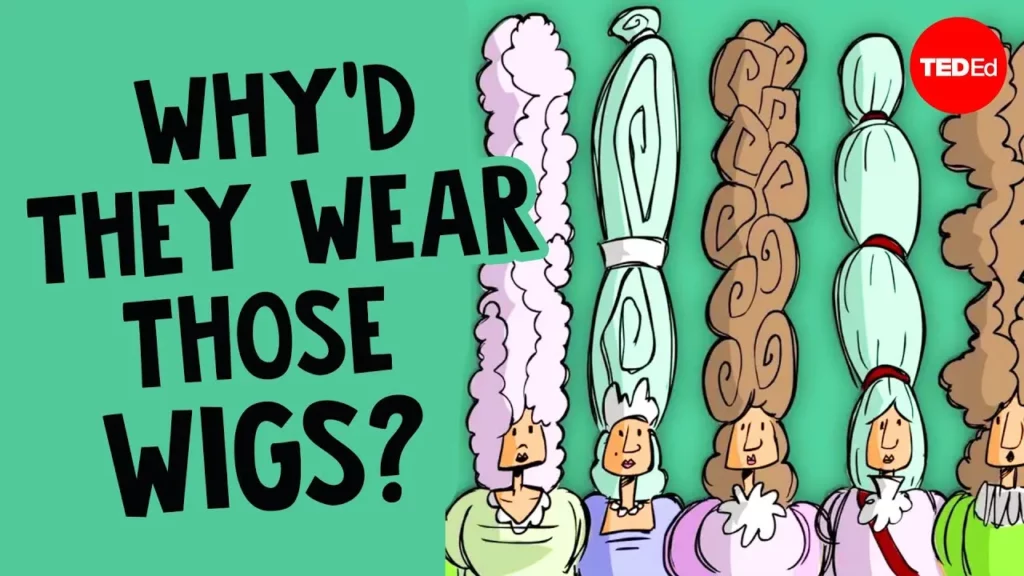
The lesson explores the history and significance of powdered wigs, beginning with King Louis XIII of France, who popularized them in the early 17th century due to his own hair loss. Wigs evolved from practical solutions for hair loss and hygiene to symbols of status and fashion, particularly among European aristocrats. However, by the late 18th century, changing societal attitudes and economic pressures led to a decline in wig-wearing, marking the end of this extravagant trend.
How do bulletproof vests work? – Max G. Levy
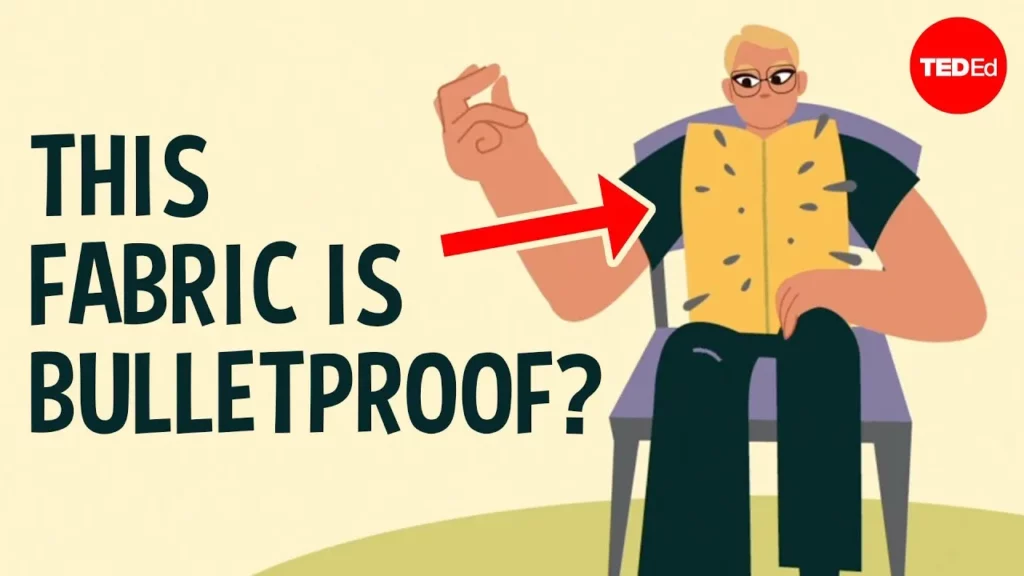
The lesson explains how bulletproof vests work, highlighting Richard Davis’s extraordinary demonstration of their effectiveness by shooting himself while wearing one. It details the invention of Kevlar by chemist Stephanie Kwolek, emphasizing its unique molecular structure that provides strength and flexibility, making it stronger than steel. Despite its impressive properties, the lesson also notes Kevlar’s limitations and its diverse applications beyond bulletproof vests, such as in helmets and tires.
Is this the most valuable thing in the ocean? – David Biello
The lesson explores the fascinating role of whales in maintaining ocean health and combating climate change, highlighting the importance of whale feces as a nutrient source for phytoplankton, which are essential for the marine food chain and oxygen production. It emphasizes that the decline of whale populations due to commercial whaling disrupts this nutrient cycle, potentially leading to lifeless ocean surfaces and negative impacts on terrestrial life. By protecting whales and promoting their recovery, we can support the natural processes that enhance carbon sequestration and sustain marine ecosystems.
The tragedy of the one guy who was right about the Trojan Horse – Noah Charney
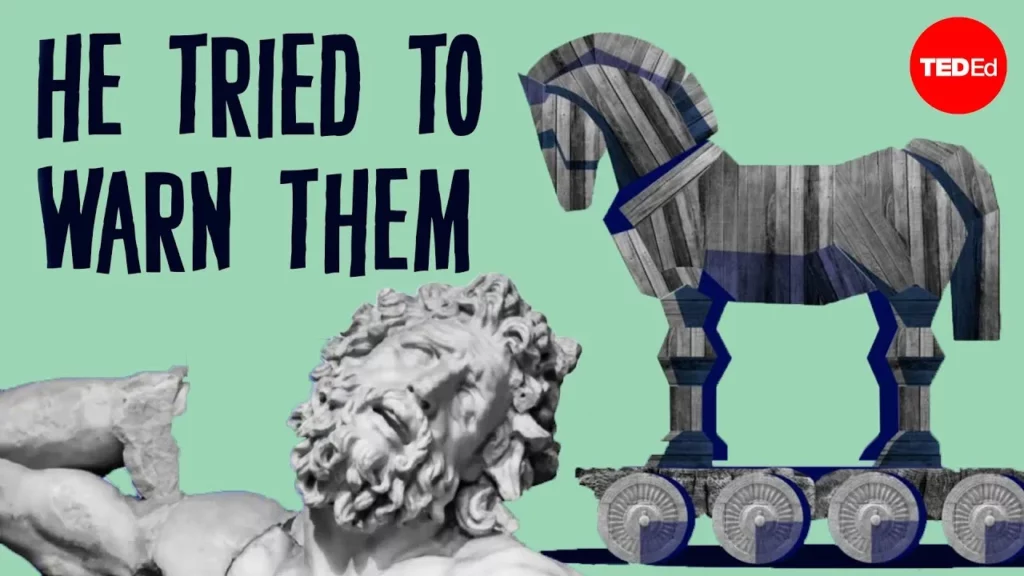
The lesson recounts the tragic tale of Laocoön, a Trojan seer who warned his fellow citizens against accepting the Greeks’ deceptive gift of a wooden horse, only to be ignored and ultimately punished by the gods. Despite his foresight, Laocoön and his sons met a gruesome fate at the hands of serpents, while the Trojans celebrated their supposed victory. His legacy endures through various artistic representations, most notably the sculpture “Laocoön and His Sons,” which profoundly influenced Renaissance art and the development of Mannerism.
The tale of the boy who tricked a tyrant – Paschal Kyiiripuo Kyoore

In “The Tale of the Boy Who Tricked a Tyrant,” a clever boy named Yagangnaa challenges the unjust rule of a chief who claims the exclusive right to name all the village children. Through a series of clever tricks and quick thinking, Yagangnaa outsmarts the chief at every turn, ultimately forcing him to rescind his decree and restore the villagers’ traditional naming rights. The story highlights the importance of intelligence, courage, and standing up against tyranny, demonstrating that even the smallest individuals can effect significant change.
The surprising effects of outer space on the human body – Tejal Gala

The lesson explores the severe and surprising effects of outer space on the human body, highlighting the immediate dangers of exposure, such as ebullism and oxygen deprivation, which can lead to unconsciousness within seconds. It emphasizes the critical role of spacesuits in protecting astronauts from the vacuum of space, as well as the long-term challenges of microgravity, including muscle and bone loss, and the psychological impacts of isolation during extended missions. Ultimately, the lesson underscores the complexities of human health in space and the importance of preparation for safe travel beyond Earth’s atmosphere.
The surprising reason zebras have stripes – Cella Wright

The lesson explores the historical context behind the unique stripes of zebras, linking their evolution to the challenges faced by European colonists in Africa, particularly the problem of biting flies that affected horses. While various theories about the purpose of zebra stripes have been proposed, recent research suggests that these stripes may help deter biting flies by disrupting their visual processing, making it harder for them to land on zebras. Additionally, the lesson highlights the difficulties encountered in attempts to domesticate zebras, ultimately leading to the failure of such efforts due to their strong defensive traits and specific care needs.
What does appendix pain feel like? – David R. Flum
The lesson discusses the experience of Dr. Leonid Rogozov, who performed self-surgery to remove his appendix during a blizzard in Antarctica, highlighting the urgency and dangers of appendicitis. It explains the anatomy and function of the appendix, the causes and symptoms of appendicitis, and the standard treatment options, including the importance of timely medical intervention to prevent complications like a ruptured appendix. Dr. Rogozov’s story emphasizes the need for preparedness in remote locations and has influenced medical practices regarding the treatment of appendicitis in such settings.
How do animals regrow their limbs? And why can’t humans do it? – Jessica Whited
This lesson explores the remarkable ability of salamanders, particularly axolotls, to regenerate lost limbs and other body parts, a process that involves specialized cells called progenitor cells and the formation of a structure known as the blastema. Unlike humans, who cannot regenerate limbs, salamanders can revert cells to a less specialized state and utilize stem cells to grow new limbs without scarring. The lesson also highlights ongoing scientific research into the mechanisms of regeneration, which may provide insights into potential regenerative capabilities in other species, including humans.
The deadliest thing in your kitchen – George Zaidan

The lesson highlights the surprising dangers associated with common kitchen items, particularly avocados, which can lead to injuries known as “avocado hand,” and the significant risks posed by ovens and stoves, including fire hazards and indoor air pollution. It emphasizes the health and environmental benefits of transitioning to electric cooking appliances, which produce less pollution and are safer than gas stoves, while also advocating for improved indoor air quality through proper ventilation and the use of cleaner cooking methods.