
Can you solve the basketball riddle? – Dan Katz
In this lesson, you learn how to adjust the probability of a basketball-playing robot, the Dunk-O-Matic, to ensure a fair game against human opponents, specifically aiming for a 50% chance of winning for both sides. By utilizing geometric series to analyze the probabilities involved, you discover that the robot’s success rate must be set to a specific formula based on the human player’s shooting probability. Ultimately, the demonstration is successful, and you navigate the challenges of misleading claims from your company, leading to a positive outcome for your career.
What really happened to Oedipus? – Stephen Esposito
The lesson explores the tragic story of Oedipus, whose life is dictated by a prophecy that he would kill his father and marry his mother. Despite attempts to escape his fate, Oedipus unwittingly fulfills the prophecy through a series of events, leading to his ultimate downfall and self-realization. The narrative highlights themes of fate, identity, and the consequences of human actions, culminating in Oedipus’s tragic acceptance of his past and his eventual death.
The secret behind how Chinese characters work – Gina Marie Elia

The lesson explores the origins and evolution of Chinese characters, tracing their beginnings to an ancient legend involving the Yellow Emperor and Cangjie, who created the first characters inspired by nature. It explains the structure of modern Chinese characters, which consist of radicals and sound components, and highlights the unique aspects of Chinese grammar and pronunciation. Additionally, the lesson discusses the historical changes in the writing system and its influence on other languages, particularly Japanese, emphasizing the enduring legacy of Chinese characters over thousands of years.
How do doctors determine what stage of cancer you have? – Hyunsoo Joshua No and Trudy Wu
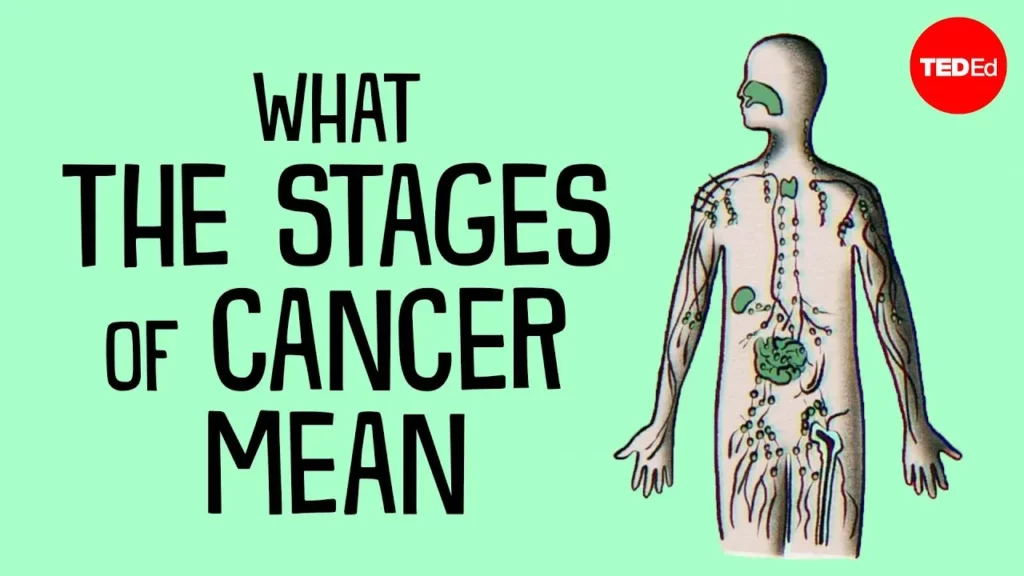
The lesson on cancer staging provides an in-depth understanding of the TNM system, which categorizes cancer based on tumor size (T), lymph node involvement (N), and metastasis (M). It highlights the complexity of cancer staging, emphasizing that each cancer type has unique criteria and that advancements in research and treatment are continually reshaping how stages are defined and understood, ultimately offering hope for improved patient outcomes.
How close are we to powering the world with nuclear fusion? – George Zaidan
The lesson explores the potential of nuclear fusion as a sustainable energy source by mimicking the processes that power the Sun. Scientists are working to create fusion reactors that can achieve “ignition,” producing more energy than they consume, which would allow for the generation of vast amounts of clean energy with minimal emissions. Recent breakthroughs, such as achieving ignition at the US National Ignition Facility, mark significant progress towards making fusion a viable option for powering our civilization.
What happens in your body during a miscarriage? – Nassim Assefi and Emily M. Godfrey
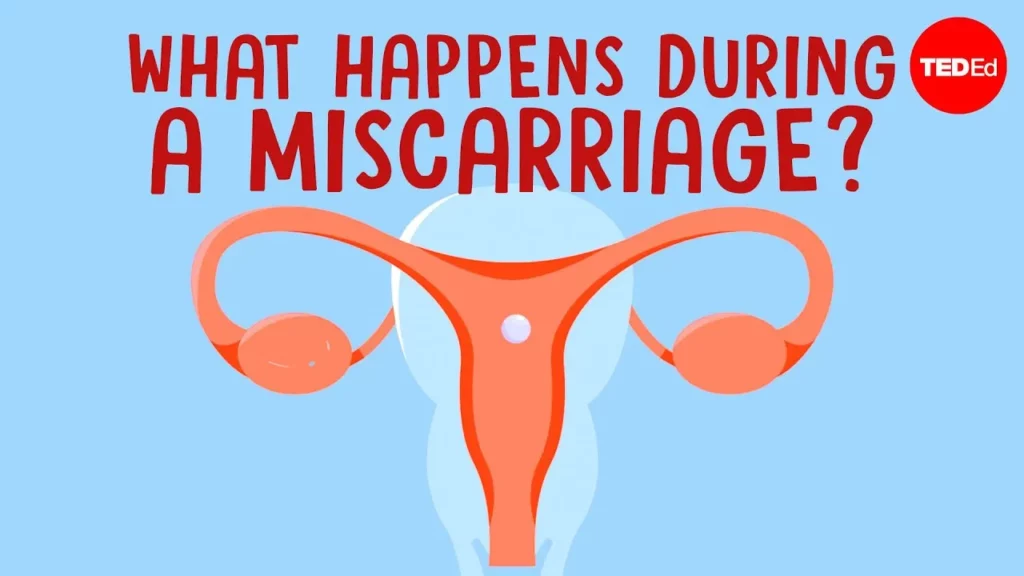
The lesson on miscarriage highlights the prevalence and emotional impact of this experience, emphasizing that most miscarriages occur within the first 12 weeks of pregnancy due to factors largely beyond individual control, such as genetic abnormalities. It outlines the hormonal processes involved in early pregnancy, the common symptoms of miscarriage, and the available treatment options, including watch-and-wait, medication, and vacuum aspiration. The lesson also stresses the importance of access to compassionate care and support, as many individuals face challenges in obtaining necessary reproductive healthcare.
Why fish are better at breathing than you are – Dan Kwartler
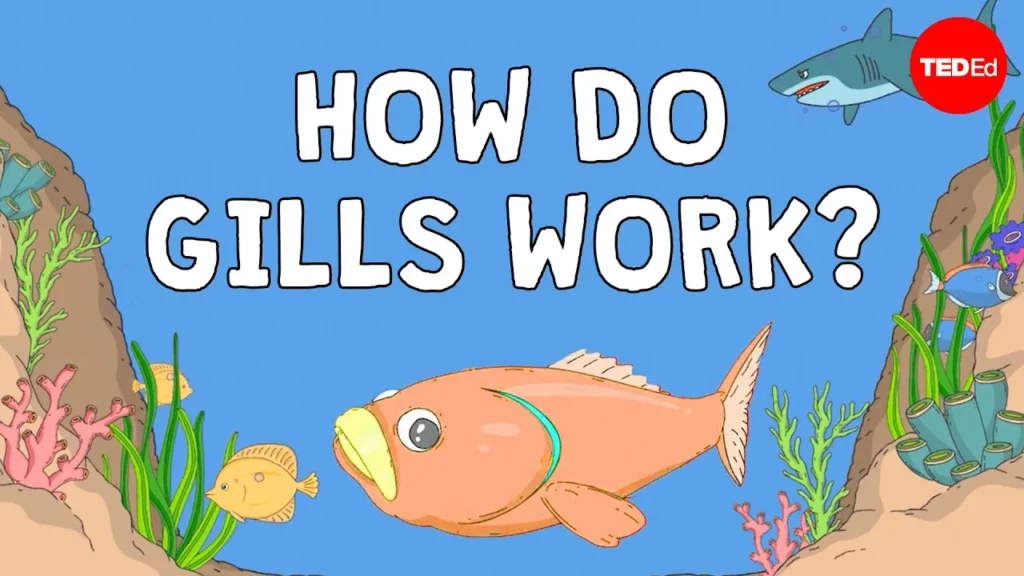
The lesson explains how fish are superior to humans in terms of breathing efficiency, particularly due to their specialized gills and unique breathing mechanisms. Fish utilize a counter-current system that allows them to extract up to 75% of the oxygen from water, significantly more than the 20% that human lungs can extract from air. Additionally, fish can ventilate their gills much more frequently than humans breathe, enabling them to thrive in low-oxygen environments.
Why are scientists shooting mushrooms into space? – Shannon Odell
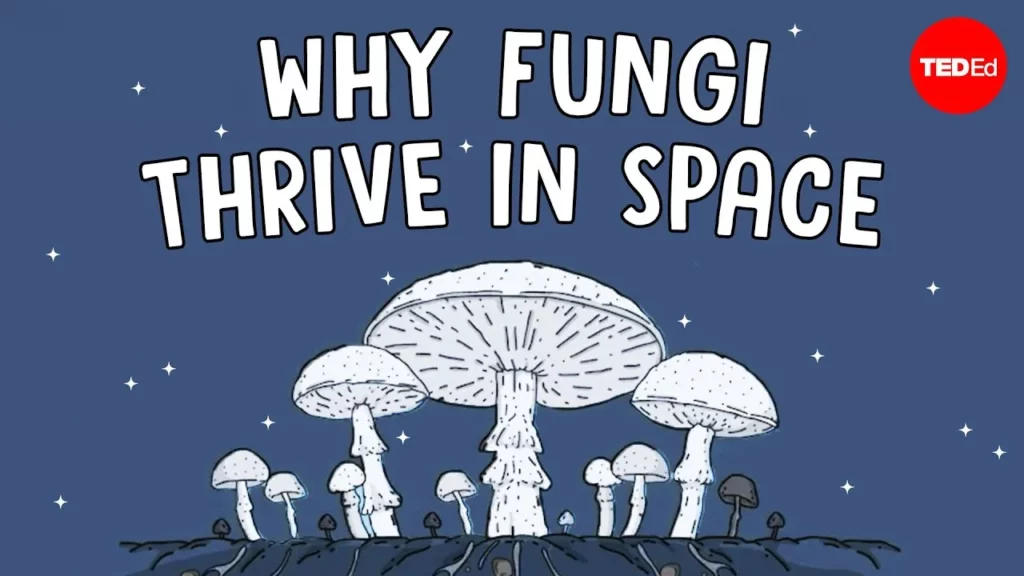
The lesson explores the surprising role of fungi in space exploration, highlighting their resilience to harsh conditions such as radiation and extreme temperatures. Initially seen as a threat aboard the Soviet space station Mir, scientists have since recognized fungi’s potential as allies for future space habitats, utilizing their ability to bind materials and create durable structures. Research is underway to develop sustainable fungal habitats that could support human life on other planets, showcasing fungi’s versatility in addressing challenges of extraterrestrial living.
Why does hitting your funny bone feel so horrible? – Cella Wright
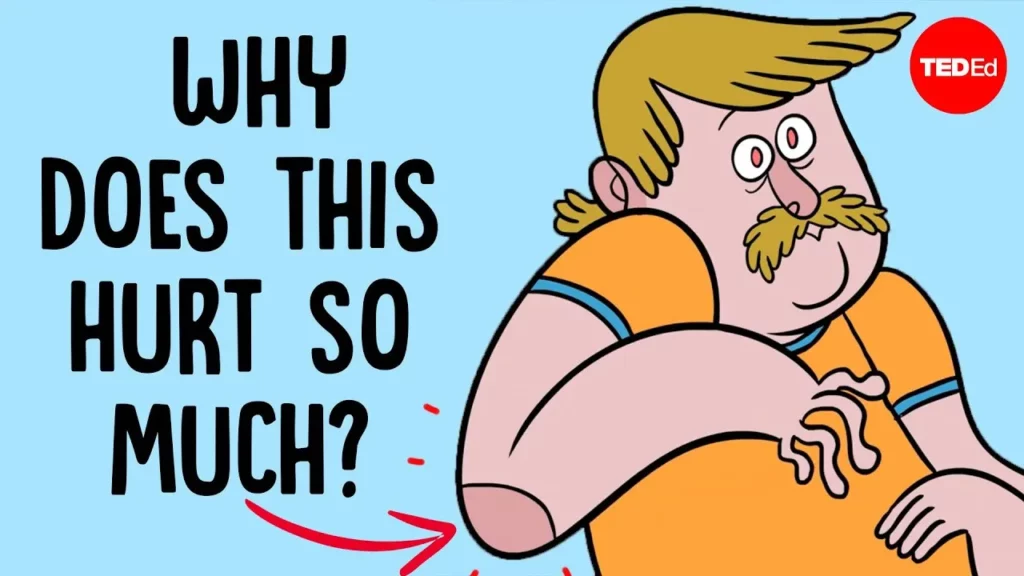
The lesson explains why hitting your “funny bone,” or the ulnar nerve at the elbow, causes a painful and tingling sensation. It details the anatomy of the elbow, highlighting how the ulnar nerve is more exposed in this area, making it susceptible to injury when struck. Additionally, the lesson discusses the potential long-term effects of repeated pressure on the ulnar nerve and offers prevention tips to maintain elbow health.
What the oil industry doesn’t want you to know – Stephanie Honchell Smith

The lesson explores the oil industry’s strategic efforts to undermine climate science and delay action on climate change, revealing a history of disinformation campaigns that began in the late 20th century. Despite early warnings from scientists about the dangers of fossil fuel consumption, the industry chose to prioritize profits over environmental responsibility, employing public relations tactics to create doubt and politicize the issue. The lesson emphasizes the need to reclaim the climate conversation and shift towards renewable energy and sustainable practices to address the ongoing crisis.