
How to Keep your Game Fresh (or Fail Trying) – Devlog
In this lesson, the developer shares strategies for maintaining excitement and engagement during long-term game projects, using their own experience with the game *Dewdrop Dynasty* as a case study. They emphasize the importance of focusing on core gameplay elements, revamping the game’s story, and enhancing player interactions to combat burnout and keep the development process enjoyable. By reassessing goals and introducing fresh ideas, such as new locations and humor, developers can breathe new life into their projects and transform the creative journey into a fulfilling experience.
Godot Vs Unity: The Ultimate Game Engine Showdown
In the lesson “Godot Vs Unity: The Ultimate Game Engine Showdown,” the author shares personal insights and experiences comparing the Godot and Unity game engines. While both engines present significant learning curves and have their strengths—Unity excelling in compatibility and resources, and Godot winning in pricing and community-driven support—the choice ultimately depends on individual preferences and project needs. The discussion emphasizes that both engines are valuable tools for game development, with unique features that cater to different developers.
Why My Dream Game is so Hard to Make – Devlog
In this devlog, the creator reflects on the challenges faced while developing their dream game, *Fuzzites*, over the past 11 years. They discuss the impact of nostalgia, scope creep, and the difficulty of translating a cherished childhood idea into a fun and engaging game. The lesson emphasizes the importance of adapting one’s vision and maintaining a realistic perspective to overcome creative blocks and setbacks in game development.
How I Learned to Create GAMES (No School Required)
In this lesson, the author shares their personal journey into game development, emphasizing that anyone can create games without formal education, using accessible tools like Core, a free game creation platform. They recount their experiences from starting with Game Maker at a young age to forming their own studio, Fearth, and highlight the importance of passion, experimentation, and utilizing available resources to grow as a developer. The lesson encourages aspiring game creators to embrace their unique journeys and take advantage of opportunities like game jams to showcase their skills.
I Made a Metroidvania in 48 Hours – Devlog
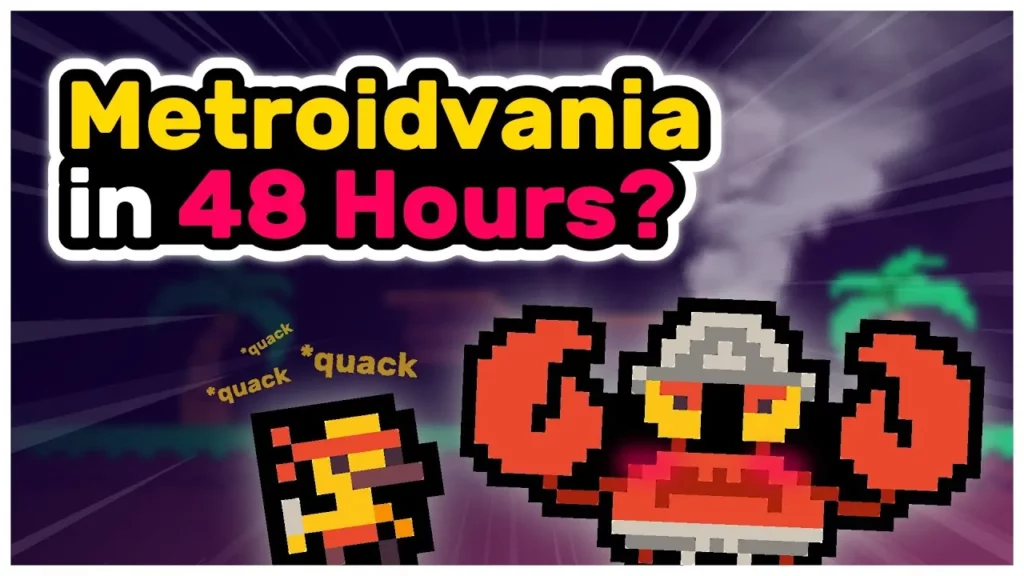
In the article “Creating a Metroidvania Game in 48 Hours – A Developer’s Journey,” the author recounts their experience hosting a tropical-themed game jam, where they initially aimed to create a survival game but pivoted to developing a Metroidvania game due to time constraints. Through this process, they learned valuable lessons about game development, efficiency, and the importance of adaptability, ultimately completing a simplified game that showcased their newfound skills. The author encourages aspiring developers to embrace the learning journey, even if it means shifting ideas or not finishing projects, as these experiences contribute to future successes.
I Turned a Roguelite into a Board Game
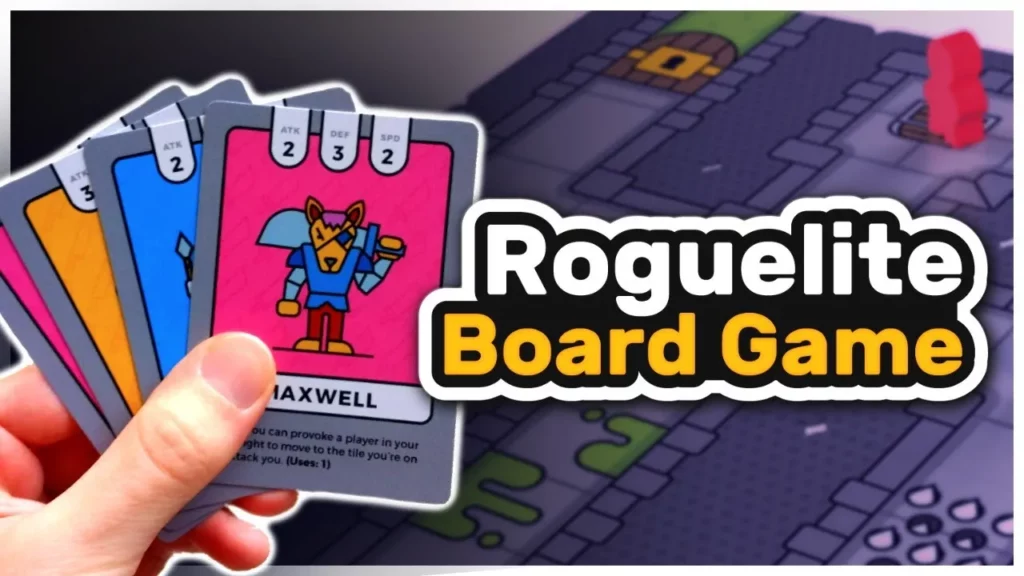
The lesson outlines the creative process of transforming a roguelite video game concept into a board game titled “The Keep,” emphasizing the importance of collaboration and iterative design. Starting from a rough prototype, the author and their friends refined the game mechanics and artwork, ultimately launching it successfully and positively impacting players’ lives. The experience highlights the value of pursuing creative passions and the supportive community that can emerge from such endeavors.
I Made a Maze that Insults your Intelligence? (ft. @MashUpGames )
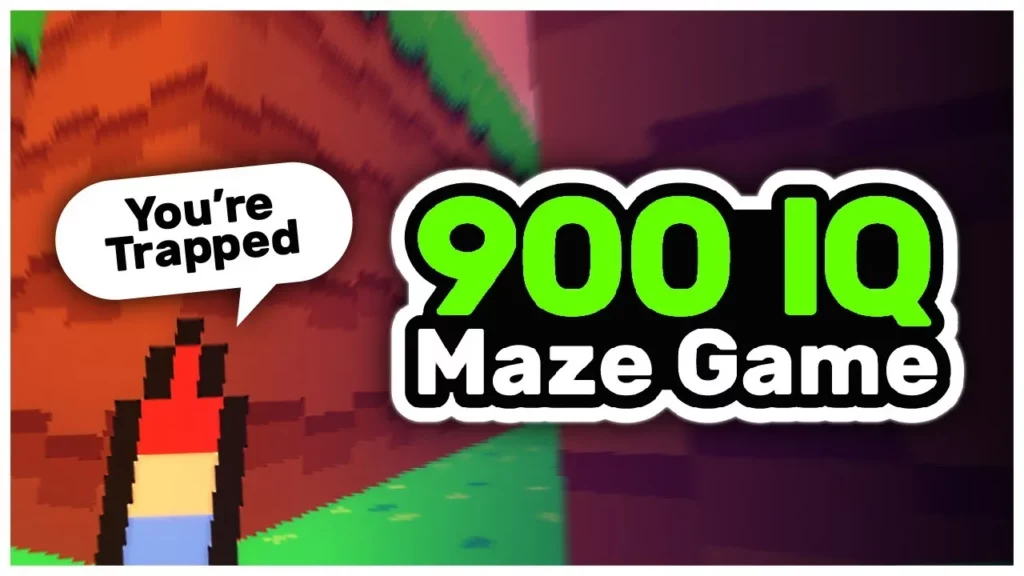
In this lesson, the author recounts a collaborative game development challenge with Ollie from Mashup Games, where they created and exchanged art assets to develop a game within 24 hours. The process involved designing a maze-based game using a blend of 3D and pixel art, integrating characters and a secret storyline, and ultimately delivering a fun and engaging experience that highlighted the importance of simplicity and creativity in game design. The lesson emphasizes the joy of collaboration and the potential for innovative game creation within a limited timeframe.
The Best FREE Software for Game Development! (In my Opinion)

The lesson highlights the availability of free and open-source software (FOSS) for game development, emphasizing that high-quality tools do not always require a financial investment. It introduces various FOSS options, such as Blender for 3D modeling, GIMP for raster artwork, and Godot as a game engine, while also mentioning other free tools for pixel art, vector artwork, music, and sound. Overall, the lesson encourages developers to explore these resources to enhance their game development projects without incurring costs.
Can Indie MMORPGs Save the GENRE? (Less is more, right?)
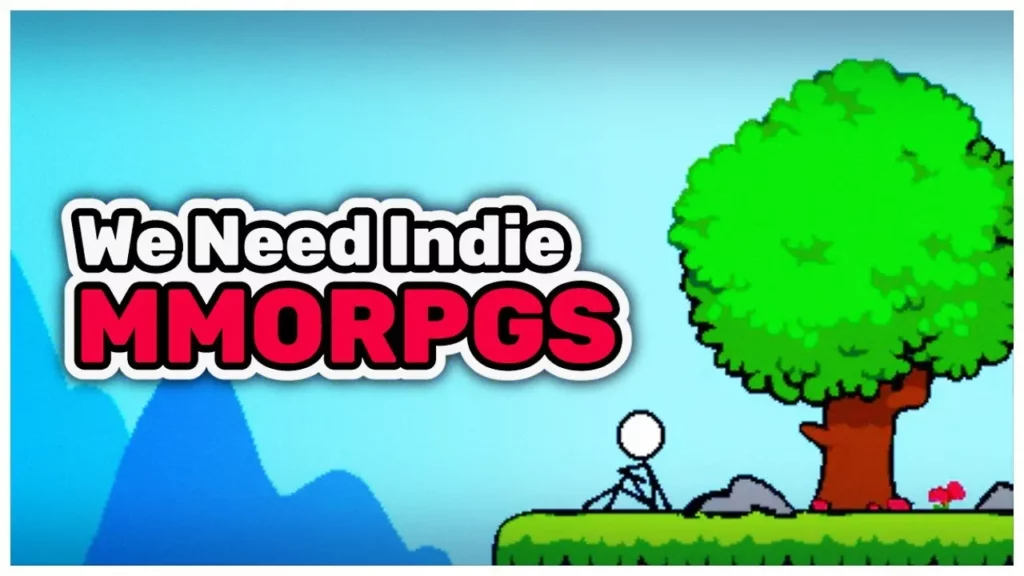
The lesson discusses the evolution of MMORPGs, highlighting how indie developers are revitalizing the genre by returning to the simplicity and community-focused experiences of classic games. As modern MMORPGs have become increasingly complex and monetized, indie games prioritize unique gameplay mechanics and player interaction, fostering tight-knit communities. With tools like GameMaker making game development more accessible, the future of indie MMORPGs appears promising, offering opportunities for innovation and genuine player engagement.
Learn Any Pixel Art Style like a Professional Artist – Tips & Tricks

In this lesson on mastering pixel art styles, the focus is on developing a unique artistic style by learning from others while emphasizing the importance of ethical practices in copying artwork as a learning tool. Key strategies include tracing styles to internalize techniques, understanding the defining characteristics of different art styles, mastering color palettes, and creatively adapting elements from various influences to create original work. The lesson encourages a balanced approach, combining inspiration from others with personal creativity to cultivate a distinctive artistic voice.