
My Thoughts on the Godot Game Engine – Pros & Cons
In this lesson, the author shares their personal experiences and insights on the Godot game engine, highlighting its strengths, such as the efficient node-based structure and the intuitive GDScript language, alongside its weaknesses, particularly in terms of limited educational resources and underdeveloped 3D capabilities. Despite these drawbacks, the author remains enthusiastic about Godot, emphasizing how constraints can foster creativity in game development. They encourage others to explore the engine and contribute to the growing community.
Reimagining Classic Nintendo Games – Pixel Art Challenge (ft. @Vimlark )

In this lesson, we explore the creative process of reimagining classic Nintendo games through pixel art, highlighting a collaborative challenge between the author and artist Vimlark. By exchanging screenshots of their favorite games, they aimed to modernize titles like “Kid Icarus” and “Monkeys with Guns,” enhancing their visual appeal while maintaining the charm of the originals. This artistic journey not only showcases their skills but also celebrates the nostalgia of classic gaming, inviting others to join in the exploration of game development and art.
I Made the Most Chaotic Table-Top Roleplaying Game – Devlog
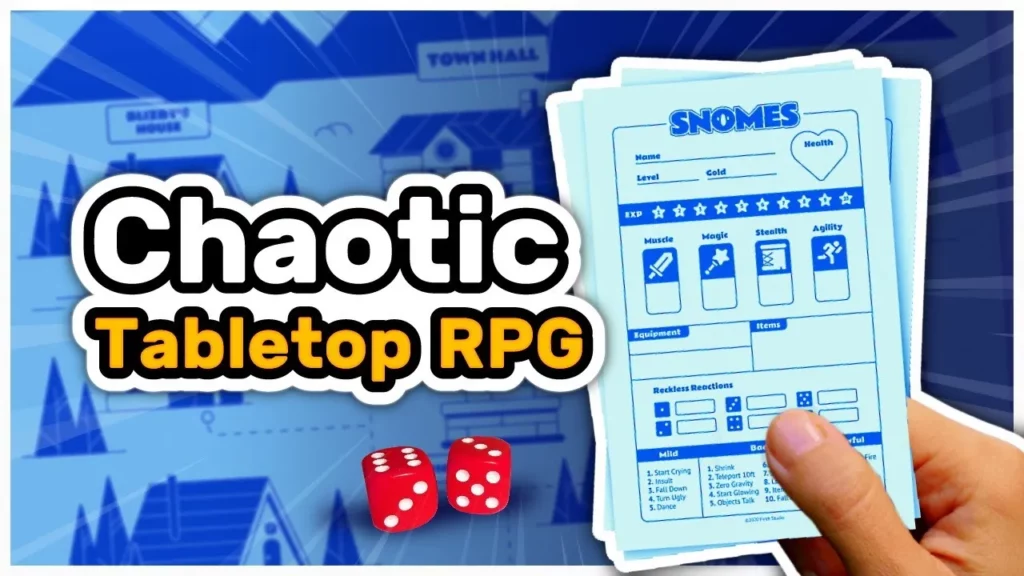
In this lesson, the creator shares their journey of developing a chaotic tabletop role-playing game called “Snomes,” inspired by a winter-themed concept and the Zine Quest initiative. The game features unique mechanics, such as “reckless reactions,” which introduce unpredictable outcomes, enhancing the excitement for players. Despite initial challenges, including launching a Kickstarter campaign before the game was fully developed, the creator successfully completed the project and made it available for others to enjoy.
Best Visual Scripting Game Engines! *For people that hate to code!*
This lesson introduces aspiring game developers to visual scripting as an accessible entry point into game creation, highlighting its user-friendly nature compared to traditional coding. It reviews several notable visual scripting game engines, such as Scratch, Construct, GDevelop, and GameMaker Studio, each with unique features and suitability for different project sizes. Additionally, the lesson emphasizes the importance of transitioning to coding for more complex projects, encouraging learners to build on their visual scripting experience by exploring relevant programming languages.
How to Design Great Metroidvania Levels | Game Design
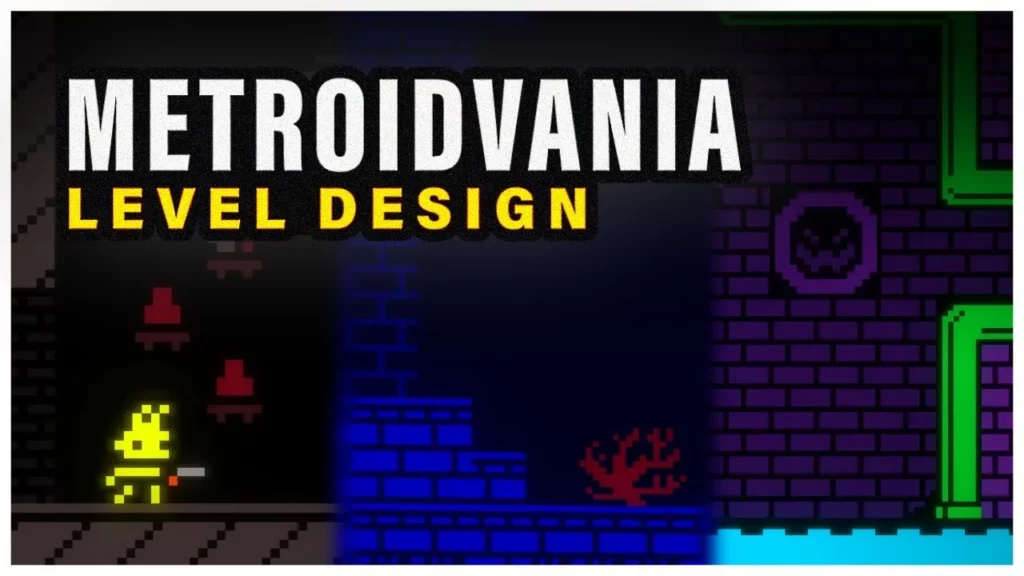
In this lesson, GoodGus emphasizes the critical role of level design in creating engaging metroidvania games, highlighting that a well-structured world enhances exploration and player experience. He outlines a systematic approach to level design, which includes drafting a comprehensive map, developing a game timeline, integrating character abilities, mapping out individual rooms, and continuously testing and adapting the design. By following these steps, developers can create interconnected and meaningful game environments that resonate with players.
Game Dev Critiques His Own Games *Learn from my mistakes!*
In this lesson, game developer Googas reflects on his past games, analyzing their strengths and weaknesses to identify areas for improvement. He shares insights on specific titles, discussing issues like clunky controls, difficulty spikes, and the importance of polish in game design. By critiquing his own work, Googas emphasizes the value of self-assessment and learning from mistakes in the game development process.
How I Actually Make Money from Indie Games
In this lesson, the author shares valuable insights on how to successfully monetize indie games, emphasizing the importance of developing a unique game and selecting the right sales platform, such as Steam, itch.io, or consoles. Effective marketing strategies, including utilizing Kickstarter, networking at conventions, and leveraging social media, are highlighted as crucial for gaining visibility in a crowded market. Ultimately, the author encourages persistence and community engagement, noting that success in indie game development often requires years of dedication and effort.
Top 10 Reasons Why I Switched to Godot Game Engine
In this lesson, the author shares their personal reasons for switching to the Godot game engine after years of experience with various other engines. Key advantages of Godot include its free and open-source nature, lack of licensing fees, lightweight design, and a supportive community, all of which contribute to a more efficient and enjoyable game development process. The author emphasizes that while Godot has its strengths, the best game engine ultimately depends on individual needs and encourages others to explore different options.
Making a GAME in 1 HOUR! (Game Dev Challenge)
In this lesson, the challenge was to create a game from scratch in just one hour using the Godot game engine, focusing on developing a platformer with unique mechanics like jumping and rolling. Despite initial setbacks, such as troubleshooting the jumping mechanics and the pressure of time constraints, the project evolved to include various gameplay elements, sound effects, and a scoring system. The lesson emphasizes the importance of rapid development, creativity under pressure, and encourages others to engage in similar challenges to enhance their game development skills.
How I Successfully Released My Board Game
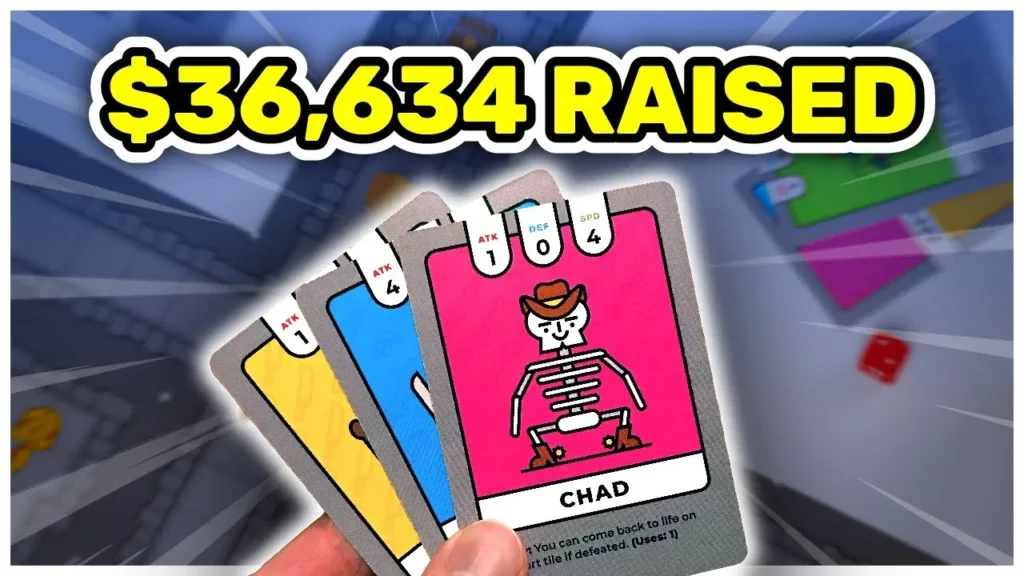
In this lesson, the creator shares the journey of designing and successfully releasing their roguelike board game, “Keep,” which unexpectedly gained popularity after an initial release. Despite facing challenges with fulfillment and shipping during their Kickstarter campaign, they achieved significant success, raising $36,000 and learning valuable lessons about the complexities of crowdfunding. The future looks bright for “Keep,” with plans for expansions and potential digital releases, all made possible by the enthusiastic support of their community.