
Scratch + micro:bit SXSWEdu Proposal
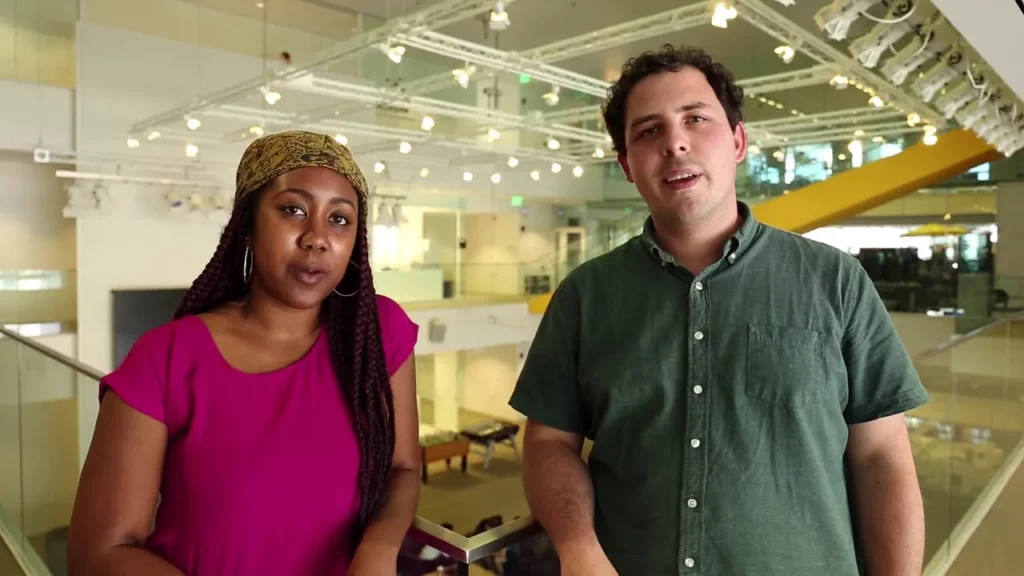
In this lesson, participants will learn how to connect Scratch, a beginner-friendly programming language, with a micro:bit, a small programmable computer, to create interactive projects that bridge the digital and physical worlds. Led by researchers Julie and Craig from the MIT Media Lab, the workshop encourages creativity by allowing students to control real-world objects through their Scratch code, fostering an engaging and hands-on learning experience.
Hide and Seek Game
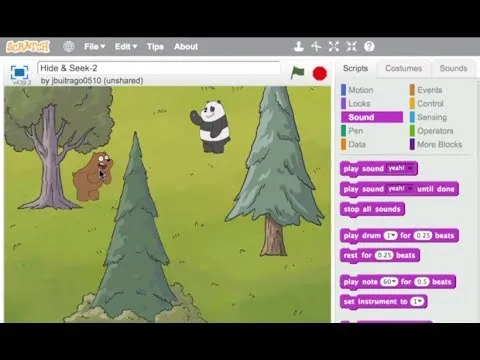
In this lesson, students learn to create a hide and seek game using Scratch featuring characters from “We Bare Bears.” They will explore how to use coding blocks to make the bears appear and disappear, design fun hiding spots, and incorporate sounds, while also encouraging creativity by adding personal touches and sharing their creations with others. The lesson emphasizes the joy of game development and the endless possibilities for customization.
CSA: Wrapper Classes Part 2
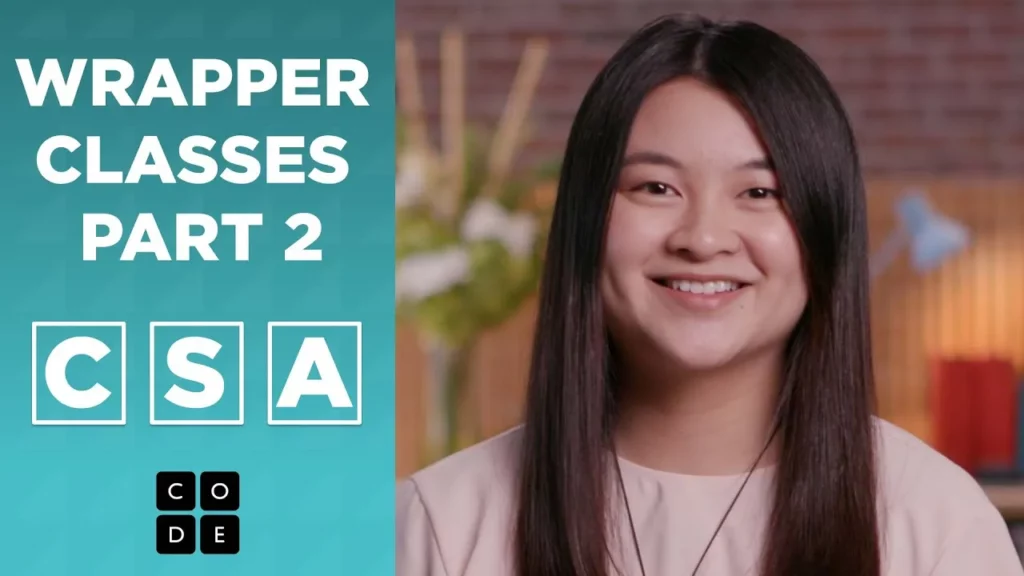
The lesson on wrapper classes in Java highlights their role in facilitating the use of primitive data types by providing built-in constants and methods, such as those found in the Integer and Double classes. Key concepts include autoboxing, which automatically converts primitive types to their corresponding wrapper objects, and unboxing, which reverses this process, allowing for seamless interchangeability between primitives and objects. Understanding these features enhances programming efficiency and versatility.
Dance Party – Party On!

In the “Dance Party – Party On!” lesson, students learn the basics of computer science by creating their own dance party using new programming blocks. They can arrange dancers, synchronize moves with music, and even challenge friends to a dance-off, all while exploring their creativity and sharing their creations. The lesson emphasizes enjoyment and imagination in the world of coding.
Unplugged – Getting Loopy
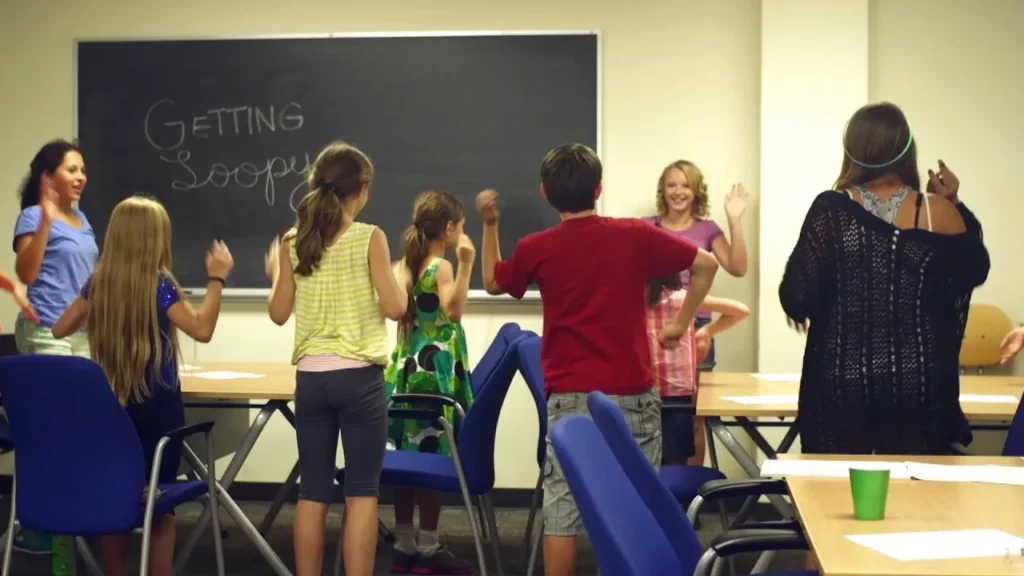
In the lesson “Unplugged – Getting Loopy,” Miral Cobbi introduces the concept of loops, which are actions that repeat, using the analogy of dancing and programming. Participants learn a dance called “The Iteration” to understand how loops function by repeating steps, and they explore how loops enhance performances, such as controlling lights in a dance show. The lesson emphasizes the importance of loops in both dance and computer science for efficiency and creativity.
Jimmy Kimmel mentions Obama learning to Code

In a recent event at the White House, President Obama became the first U.S. president to write a computer program, demonstrating that learning to code can be fun and accessible for everyone. His lighthearted experience highlights the importance of computer science education, encouraging students to explore technology and consider careers in the field. Ultimately, the lesson emphasizes that it’s never too late to learn new skills and that coding can open up numerous opportunities.
What is Creativity? (with Diplo, Ellie Goulding, Mark Cuban, and Dara Khosrowshahi)
The lesson on creativity emphasizes that it involves making something new and exciting that reflects one’s individuality, even if it feels intimidating. Creativity is a fundamental aspect of humanity that enables problem-solving and innovation, acting as a universal language. To cultivate creativity, individuals are encouraged to explore their interests, embrace experimentation, and recognize that everyone has the potential to contribute unique ideas to the world.
29 Companies Join Forces for the Hour of Code

The lesson highlights the collaboration of 29 major tech companies, including Microsoft and Google, with Code.org to promote computer science education globally. This initiative aims to address the lack of diversity in the tech industry by integrating coding into school curricula and encouraging community involvement to raise funds for educational resources. By emphasizing the importance of coding skills, the program seeks to prepare students for future job opportunities and foster essential problem-solving and creative abilities.
Model and Programmer Lyndsey Scott Talks Developing Apps

Lyndsey Scott, a model and programmer, has successfully developed and launched two apps: “Educate,” which supports Ugandan news, and “Alalso,” a portfolio platform for artists. She emphasizes the importance of balancing her modeling career with app development, viewing both as creative expressions, and is currently working on a matchmaking app designed to facilitate meaningful connections in New York City. Additionally, Lyndsey advocates for increasing female representation in coding, highlighting the need for accessible computer science education to address the gender and diversity gap in the tech industry.
CS Principles: Databases – Part 2 Using the Data Viewer
In this lesson, we learn how to interact with a database through a survey app that collects users’ favorite foods and stores the data in a remote database table called “fave foods.” The lesson emphasizes the use of the data viewer to view, edit, and manage the data, as well as the importance of permanent data storage for app development. By understanding these concepts, developers can enhance their skills in data management and create more effective applications.