
Gumball Hour of Code – Introduction
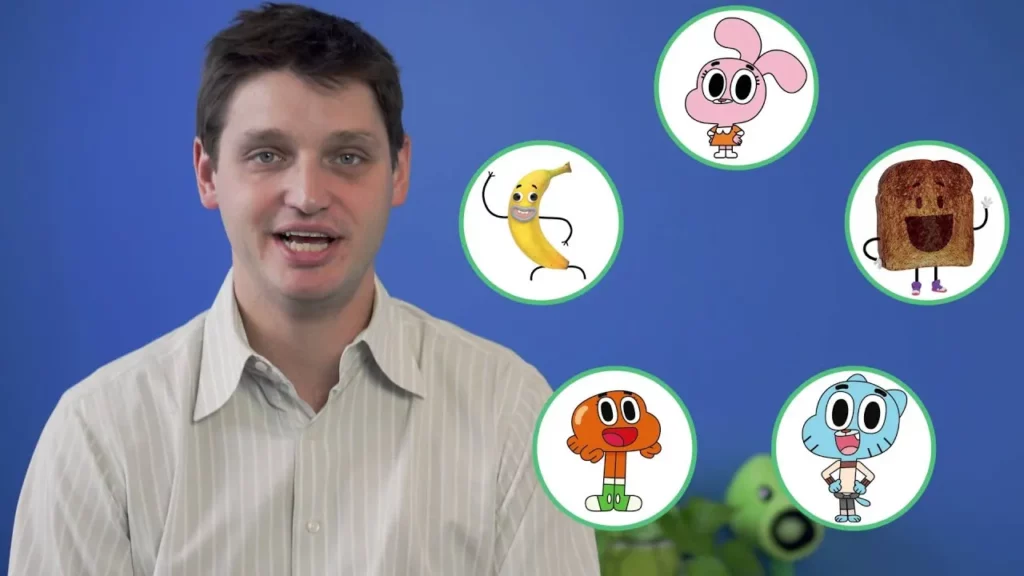
In the “Gumball Hour of Code – Introduction” lesson, students will learn the basics of game design using the PlayLab tool, which allows them to create their own video games by programming characters to interact and respond within a game environment. The lesson covers essential components such as storytelling, character actions, and the structure of the PlayLab interface, guiding students through the process of building their first program by connecting code blocks. By the end, participants will have developed a unique game that showcases their creativity and newfound programming skills.
My Journey: Improving user experiences in healthcare
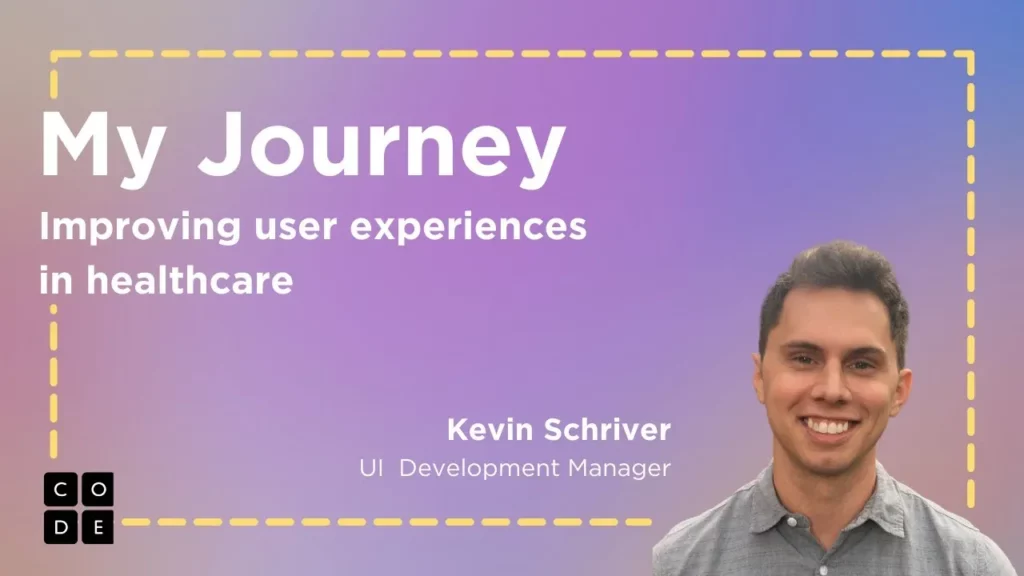
In today’s lesson, Kevin Shriver shared his journey from self-taught web designer to User Interface Development Manager at Greenway Health, where he enhances online healthcare experiences. He discussed the importance of user interfaces in software, particularly for healthcare professionals, and emphasized the value of persistence and mentorship in pursuing a career in computer science and design. Kevin’s insights highlighted the diverse opportunities within the tech field and the rewarding nature of working in healthcare.
Minecraft: Voyage Aquatic Congratulations
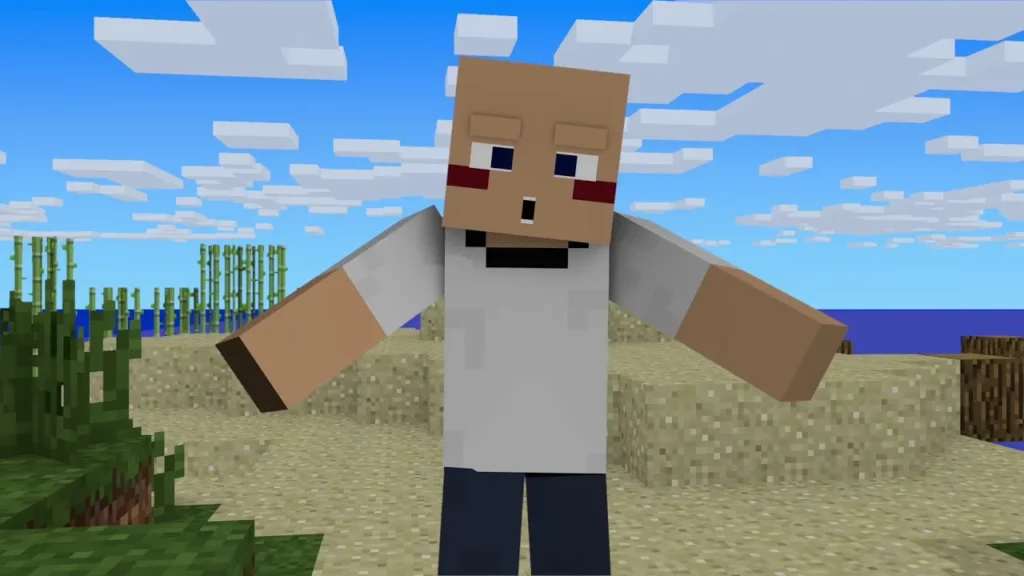
In the “Minecraft: Voyage Aquatic Adventure” lesson, students embarked on an exciting treasure hunt where they built a conduit, discovered nautilus shells and treasure chests, and explored the vibrant colors of prismarine. Along the way, they learned essential coding concepts such as loops and conditionals. As they prepare for the next challenge, students are encouraged to unleash their creativity in a free play level, applying their coding skills to construct imaginative underwater creations.
Gumball Hour of Code – Events
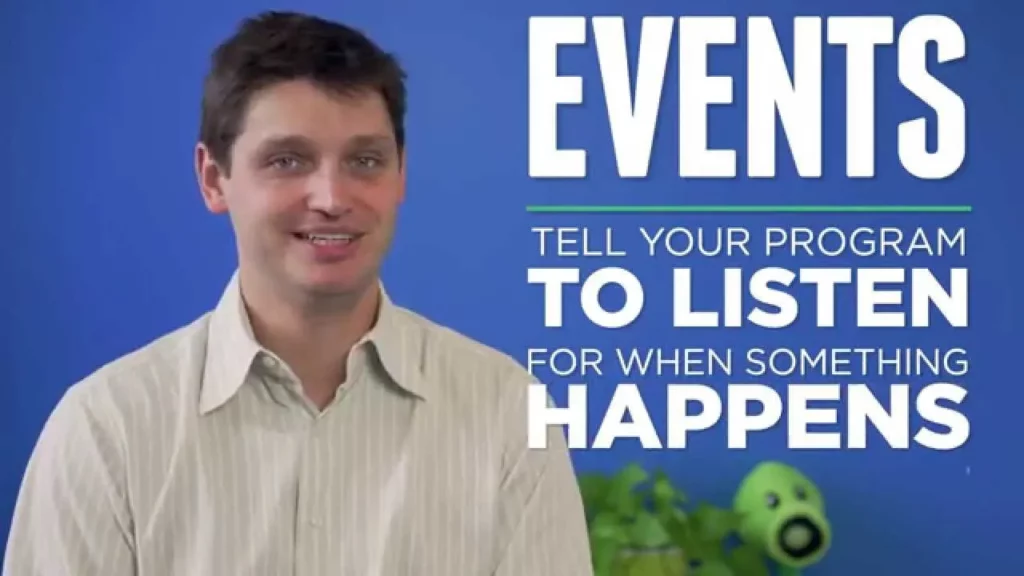
In the “Gumball Hour of Code – Events” lesson, students learn about the concept of events in game creation, which are signals that trigger specific actions in response to user interactions, such as mouse clicks or key presses. The lesson emphasizes how to use event blocks to make characters speak or move, enhancing the interactivity and engagement of games. By understanding events, students gain insight into not only game development but also the functionality of various digital applications.
Collecting Nectar
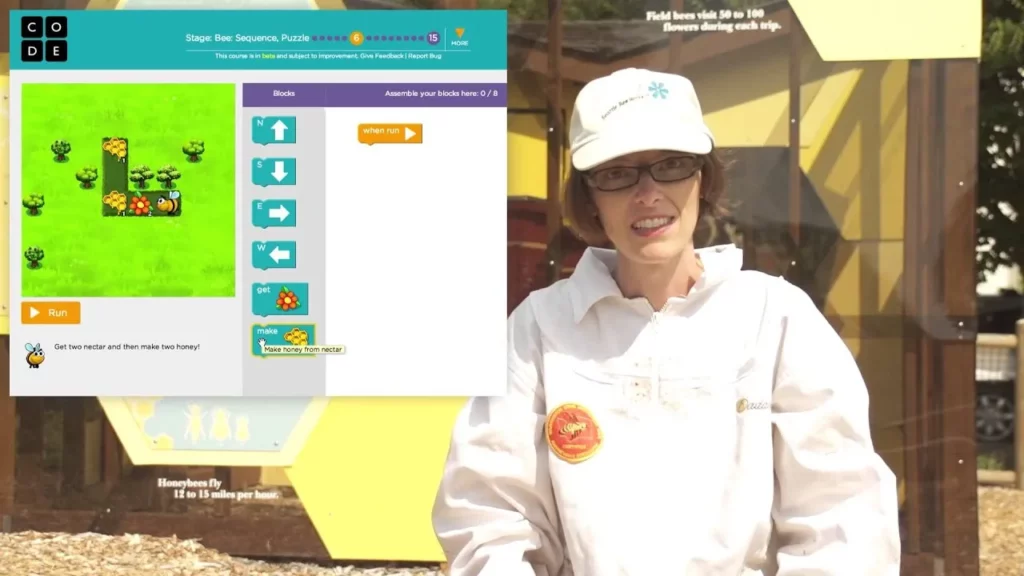
In the “Collecting Nectar” lesson, participants engage in a fun activity where they guide a bee to collect nectar from flowers and convert it into honey in a honeycomb. By using specific commands, learners practice problem-solving skills and gain an understanding of programming concepts, all while exploring the fascinating world of bees and their role in making honey. Successfully completing the task allows them to advance to the next level, reinforcing their learning through interactive play.
Address to Professional Development Workshops

In this lesson, Hadi Partovi, founder of Code.org, emphasizes the importance of integrating computer science education into school curricula to promote equity and essential skills like critical thinking and problem-solving. He acknowledges the challenges in access to quality computer science education and encourages educators to embrace their journey of learning and teaching this subject, highlighting their vital role in transforming classrooms and supporting all students. The commitment to equity and continuous learning is central to the professional development workshops offered by Code.org.
Makinde Adeagbo teaches While Loops

In this lesson, Makinde Adeagbo introduces the concept of while loops in programming by comparing them to repetitive tasks in everyday life, such as washing a car or shoveling dirt. A while loop continues to execute a specific action as long as a given condition remains true, making it a powerful tool for automating repetitive tasks in computer programming. By understanding while loops, learners can appreciate how computers perform tasks efficiently without fatigue.
India Hour of Code Week 2023, December 11-15
The India Hour of Code Week 2023, taking place from December 11-15, invites students, teachers, and organizations to explore coding with the theme “Creativity with Artificial Intelligence.” Founded by Hadi Partovi of Code.org, this global initiative emphasizes the importance of learning computer science in today’s technology-driven world, encouraging participants to register and engage in coding activities. By learning to code, individuals can develop essential skills for the future, including problem-solving and creativity, while discovering the exciting possibilities of artificial intelligence.
Disney Infinity Play Lab – Intro
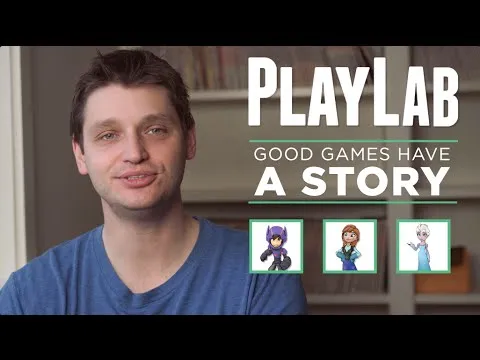
In this lesson, students are introduced to game development using Disney Infinity’s Play Lab, where they will learn the basics of programming by creating their own games with beloved characters. The lesson emphasizes the importance of programming as a valuable skill that fosters creativity and problem-solving, while also highlighting the fun and engaging aspects of game design. By the end, students will have the opportunity to build interactive games featuring characters like Hiro and Baymax, enhancing their understanding of coding and game mechanics.
Teacher Tips: How to be a Lead Learner
In the lesson “Teacher Tips: How to be a Lead Learner,” the author emphasizes the importance of transparency, curiosity, and a growth mindset in teaching new subjects like computer science. By openly acknowledging their own learning journey and embracing uncertainty, educators can create a collaborative environment where both teachers and students learn together, fostering a culture of problem-solving and shared exploration. This approach not only enhances the learning experience but also encourages students to view mistakes as valuable opportunities for growth.