
Mark Zuckerberg on helping others learn to code

In this lesson, Mark Zuckerberg shares his experience of mentoring a curious young boy who wanted to learn coding, emphasizing the importance of guidance and resources in the learning process. He highlights that coding is akin to learning a new language, fostering problem-solving skills and logical thinking, and encourages aspiring coders to utilize online resources to begin their journey. Ultimately, Zuckerberg inspires learners to embrace challenges and seek help, reinforcing that persistence can lead to the creation of amazing projects.
CS Discoveries: Conditionals
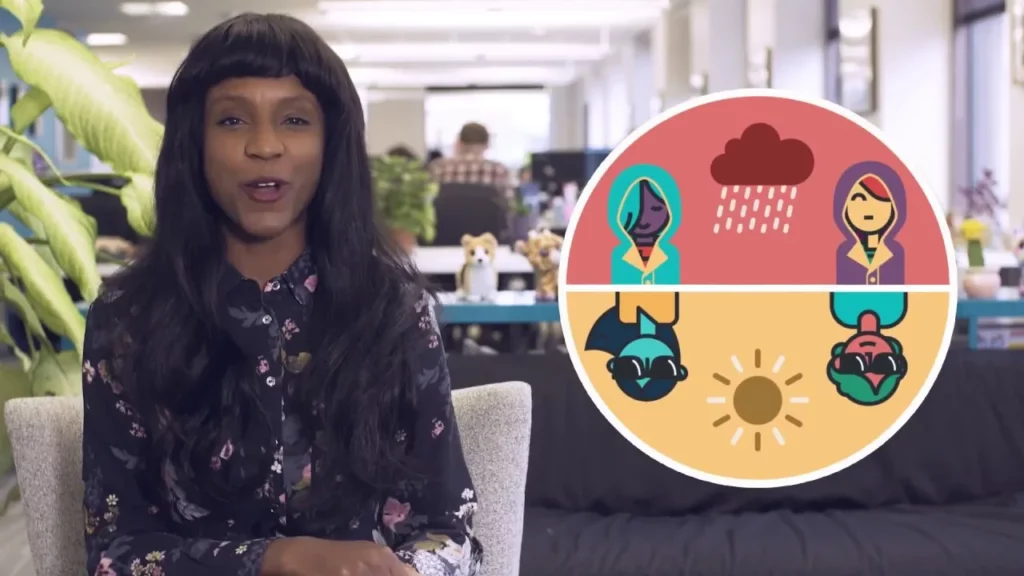
In this lesson on conditionals, students learn how computers can make decisions based on specific situations, similar to how people adjust their actions based on the weather. The lesson introduces “if” statements as a fundamental type of conditional that allows programs to respond dynamically, such as changing a character’s appearance in a game when it reaches a certain position. Understanding conditionals is essential for creating interactive and responsive computer programs, as they provide the rules that guide a computer’s actions.
What is creativity? (with Ne-Yo, Gabourey Sidibe, Drew Houston)
The lesson explores the multifaceted nature of creativity through insights from various inspiring figures. Creativity is portrayed as the driving force behind imagination, the process of bringing ideas to life, and the ability to connect diverse concepts. Ultimately, it emphasizes that creativity involves using one’s unique experiences and skills to innovate and make a meaningful impact in the world.
App Lab – Design Mode
In this lesson on App Lab’s Design Mode, learners are introduced to the basics of app design, including how to create and customize app screens and elements by dragging and adjusting them. Students will also learn to manage elements effectively, rename IDs for easier coding, and implement screen transitions using the “setScreen” block to enhance interactivity. The lesson culminates in a project where students will apply these skills by adding a button, creating a new screen, and writing code to navigate between screens.
Hour of Code Video Chat with Hadi Partovi
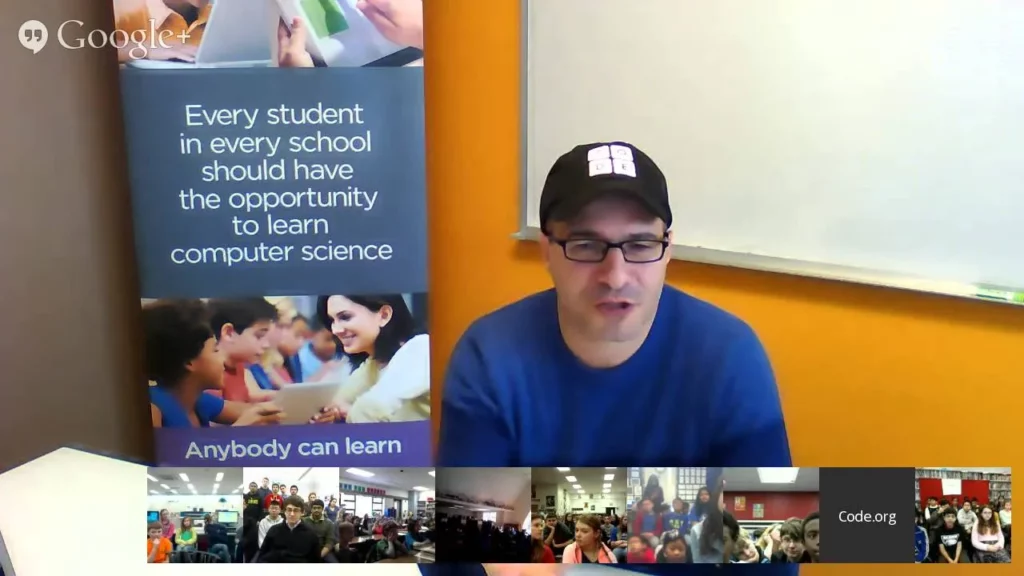
In the Hour of Code video chat, Hadi Partovi reflects on the remarkable growth of the Hour of Code campaign, which has engaged 70 million students in coding over the past year. He addresses common fears about coding, emphasizing that it is now more accessible and appealing to a diverse range of students. Partovi also discusses the importance of creativity in computer science careers, the evolving job market, and the transformative impact of technology on various fields, encouraging students to continue exploring and learning in this dynamic area.
My Robotic Friends – unplugged activity
In the “My Robotic Friends” lesson, students engage in an unplugged activity that teaches programming concepts through hands-on collaboration. By using arrows drawn on paper to give instructions, participants take turns acting as programmers and robots, learning to communicate clear directions to stack cups in a specific way. This fun and imaginative exercise not only fosters teamwork but also provides insight into how computers interpret and execute commands.
Unplugged – Crowdsourcing
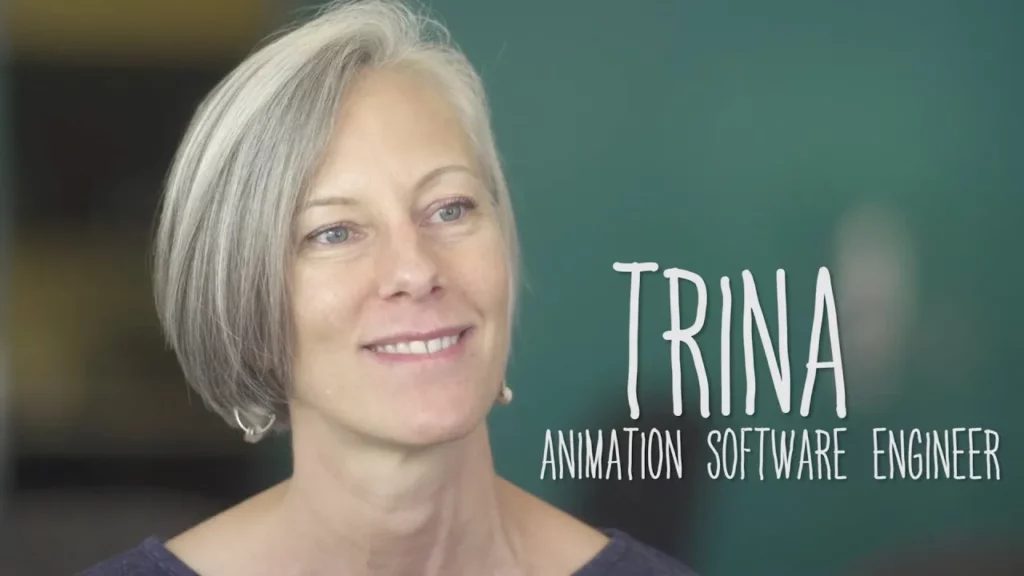
In this lesson on crowdsourcing, students learn how collaboration can simplify tasks and enhance creativity, using a deck of cards and teamwork as a practical example. The concept is illustrated through its application in computer science and filmmaking, particularly in the creation of animated movies like *Finding Nemo*, where teamwork and technology come together to produce stunning visuals. Ultimately, the lesson emphasizes the importance of teamwork in achieving goals that would be difficult to accomplish individually.
What is Creativity? (with Ciara, Ryan Seacrest, Limor Fried, and Tom Colicchio)
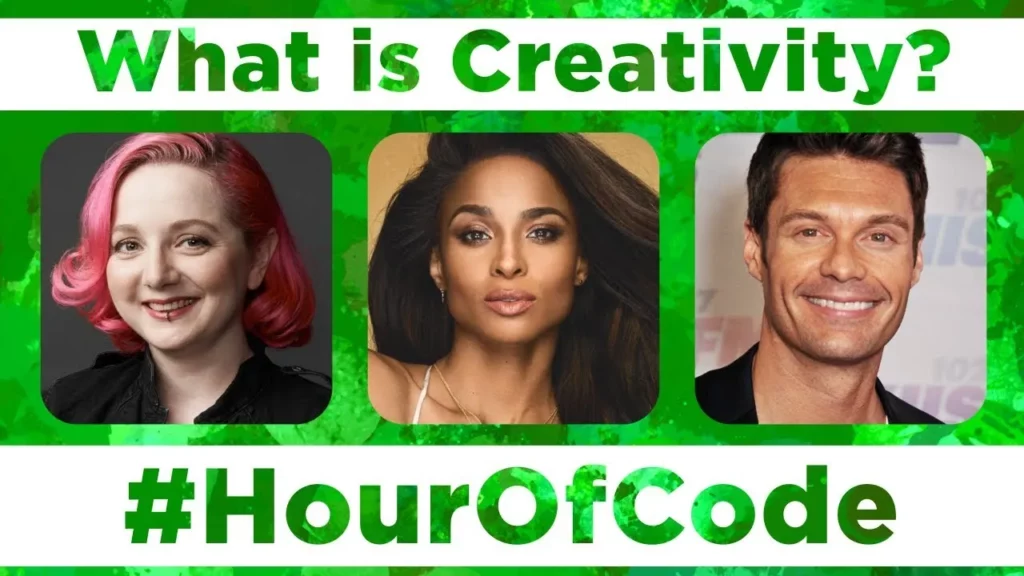
The lesson explores the concept of creativity through the insights of various influential figures, emphasizing that creativity involves using imagination, thinking without limits, and making something from nothing. It highlights creativity as an adventure filled with surprises, encouraging individuals to express themselves freely and embrace the unexpected. Ultimately, the lesson inspires participants to unleash their creativity in various forms, reminding them that the journey of creation is just as important as the outcome.
Lesson 18 – Internet – unplugged activity
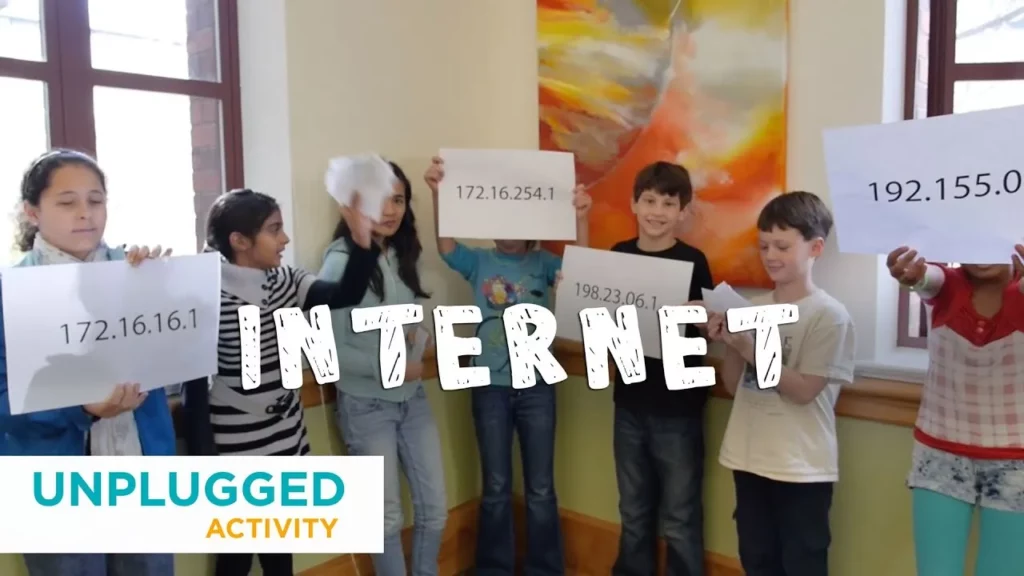
In this lesson, students explore how the internet functions through a fun activity that illustrates three methods of message transmission: Wi-Fi, DSL, and fiber-optic. By using imaginative analogies, students learn that Wi-Fi can lead to message loss due to interruptions, DSL offers more reliability with cable connections, and fiber-optic provides the fastest and most dependable transmission using light. This engaging approach helps students grasp the technology behind everyday internet use.
CSA: Constants
In this lesson, we explored the concept of constants in programming, which are values that remain unchanged throughout the execution of a program, ensuring consistency and reliability in calculations. We learned how to create constants using the `final` keyword in languages like Java, and the importance of naming conventions, such as using all capital letters with underscores for clarity. Additionally, we discussed the utility of static constants, which can be accessed across different instances of a class, further enhancing the stability of our code.