
Unplugged – Graph Paper Programming
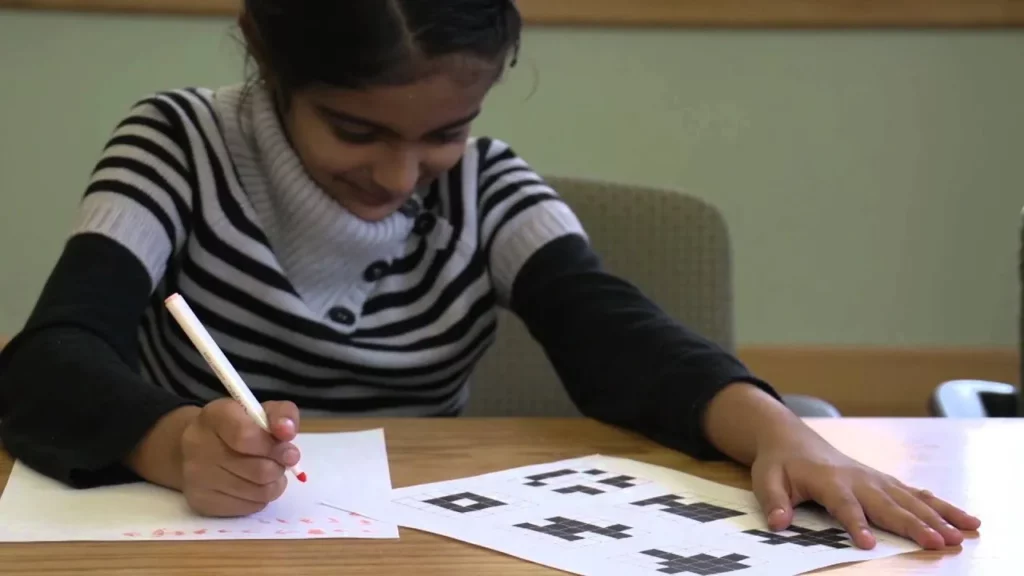
In the “Graph Paper Programming” lesson, students learn about algorithms as a series of clear, step-by-step instructions for completing a task, similar to a recipe. By practicing with graph paper, they create their own pictures using arrows and write algorithms to guide a friend in recreating the image, demonstrating the importance of clear communication and systematic problem-solving. This hands-on activity emphasizes how algorithms serve as roadmaps for various tasks, making processes easier to follow and replicate.
Outbreak Simulator: Think Like a Scientist
The Outbreak Simulator lesson encourages students to think like scientists by exploring how viruses spread and the impact of various factors such as masks, recovery, and vaccines. Through hands-on experimentation, students can run simulations, make predictions, and observe the effects of different changes on virus transmission. By sharing their findings, learners contribute to a broader understanding of viral behavior and prevention strategies.
Minecraft Hour of Code: Events
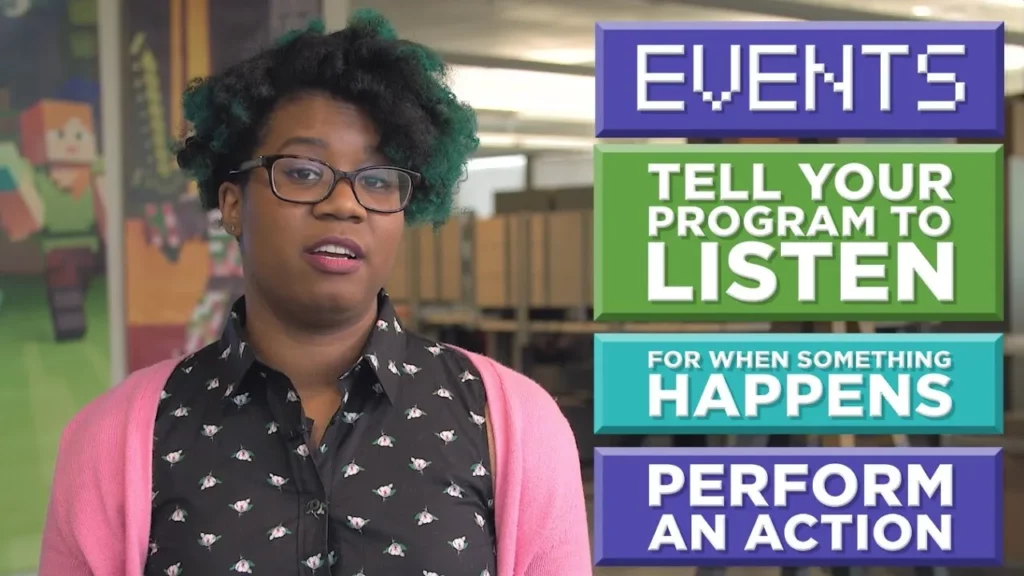
In this lesson, students explore the world of Minecraft coding by choosing a character and navigating the game using keyboard or touchscreen controls. They learn about events, which are specific actions that trigger responses in the game, such as interacting with creatures and using various event slots to create dynamic gameplay experiences. By understanding and utilizing these events, students enhance their coding skills while having fun in the Minecraft universe.
Dance Party 2019 – Properties
In the “Dance Party 2019” lesson, students learn the fundamentals of animation by understanding how dance moves are created through a sequence of frames displayed in rapid succession. They also explore how to modify dancer properties, such as size, position, and color, using a Set block, which allows for creative experimentation and enhances programming skills. By mastering these concepts, students can apply their knowledge to various fields, including game development and user interface design.
Unplugged – Computational Thinking
In this lesson on computational thinking, students learn to simplify complex tasks by breaking them down into smaller parts, identifying patterns, focusing on essential details, and creating clear instructions, or algorithms. Through a collaborative activity of writing and exchanging monster-drawing instructions, participants apply the four key steps of decomposition, pattern recognition, abstraction, and algorithm development. By the end, students enhance their problem-solving skills and enjoy the creative process of drawing monsters based on each other’s instructions.
Unplugged – Graph Paper Programming
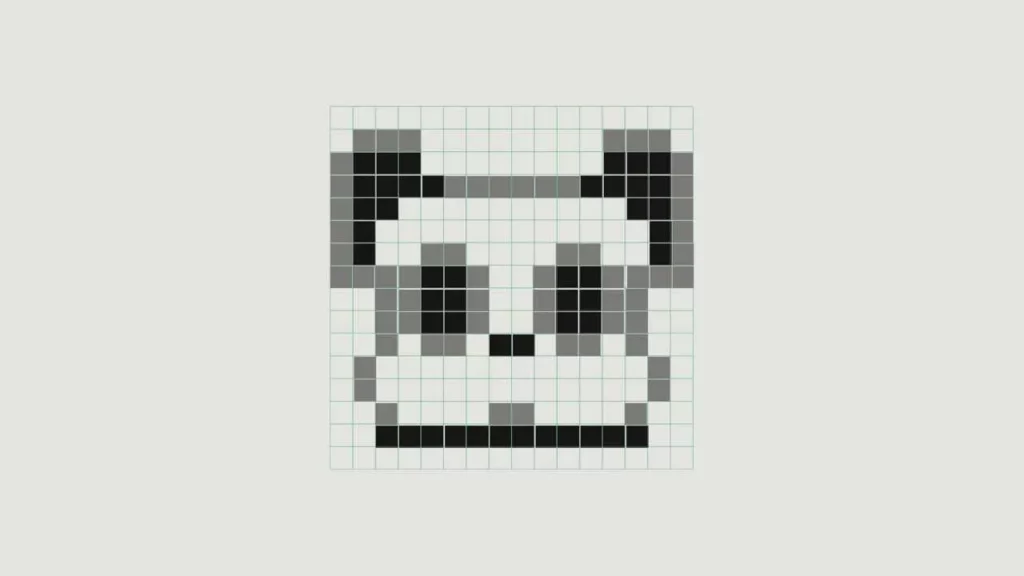
In the “Unplugged – Graph Paper Programming” lesson, students learn the fundamentals of coding through a hands-on activity that involves using graph paper to create and communicate drawings using specific symbols and directions. By writing clear instructions for a friend to follow, participants gain insight into the importance of precise coding while enjoying a puzzle-like challenge. This engaging approach introduces the basics of programming in a fun and interactive way.
The Hour of Code with Hadi Partovi, Code.org founder (Friday)
In this lesson, we explore the journey of Hadi Partovi, the founder of Code.org, who started the organization to promote computer science education after creating a popular video highlighting its importance. The lesson emphasizes the significance of coding through engaging activities like the Star Wars tutorial and App Lab, while also celebrating historical figures like Ada Lovelace, and the success of initiatives like the Hour of Code, which has reached over 100 million students. Ultimately, it advocates for making coding a fundamental part of education, akin to math and science, to prepare everyone for a technology-driven future.
CS Discoveries: Introduction to Arrays
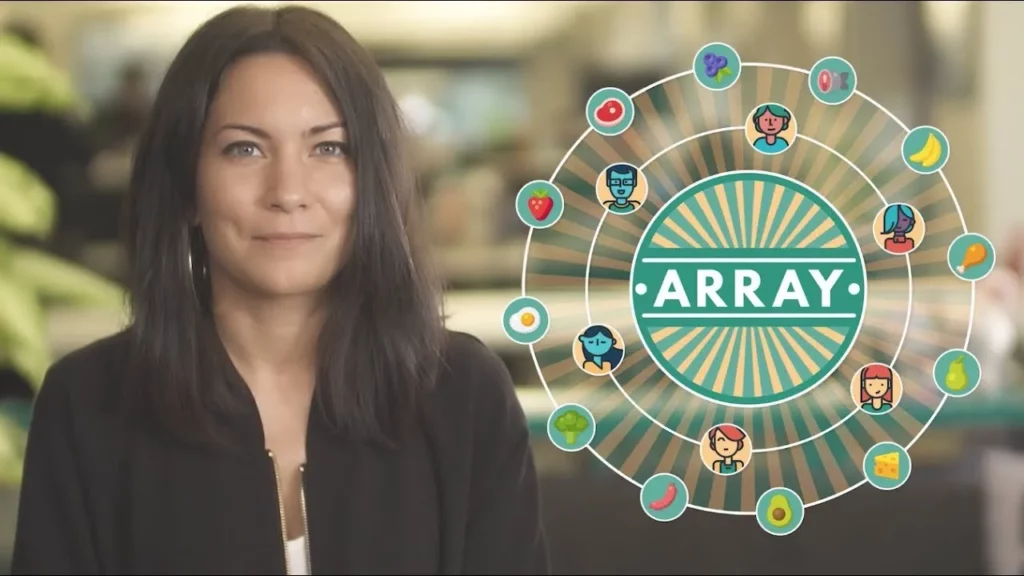
In this lesson, Erica Gomez introduces the concept of arrays in JavaScript, highlighting their importance for managing multiple related pieces of information efficiently. Unlike individual variables, which can become unwieldy when tracking large datasets, arrays allow for organized storage of various data types in a single structure. The lesson emphasizes how to create, access, and utilize arrays, showcasing their power in handling extensive information in programming.
Conditionals: 3 Types
This lesson introduces the concept of conditionals, which are essential for enabling computers to make decisions based on specific conditions. By using if-else blocks, computers can choose between different actions depending on whether a condition is true or false, allowing for more complex decision-making. The lesson encourages hands-on experimentation with conditionals to enhance understanding and creativity in programming.
BBC’s The Human Component: Code.org
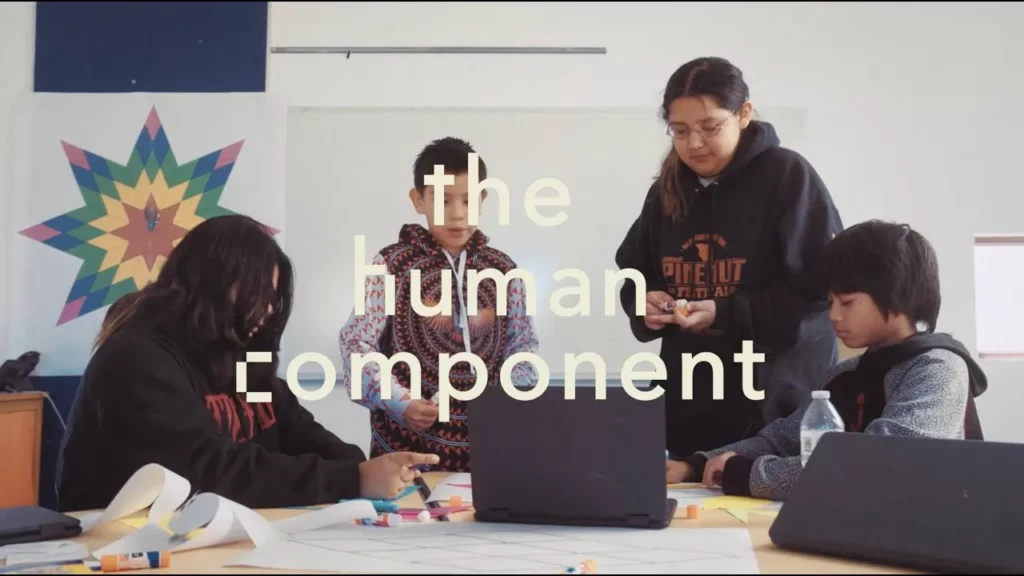
The lesson emphasizes the transformative power of coding as a creative and critical skill that can enhance students’ engagement with math, particularly in communities facing educational challenges. The collaboration with code.org aims to provide accessible computer science education, fostering creativity and problem-solving among students while addressing low math test scores in Nevada. By integrating traditional cultural elements, such as the Star Quilt module, the initiative seeks to inspire students and equip them with essential skills for the future in an increasingly technology-driven world.