
What is creativity? (with Leland Melvin, Howard Gordon, Allison Farris)
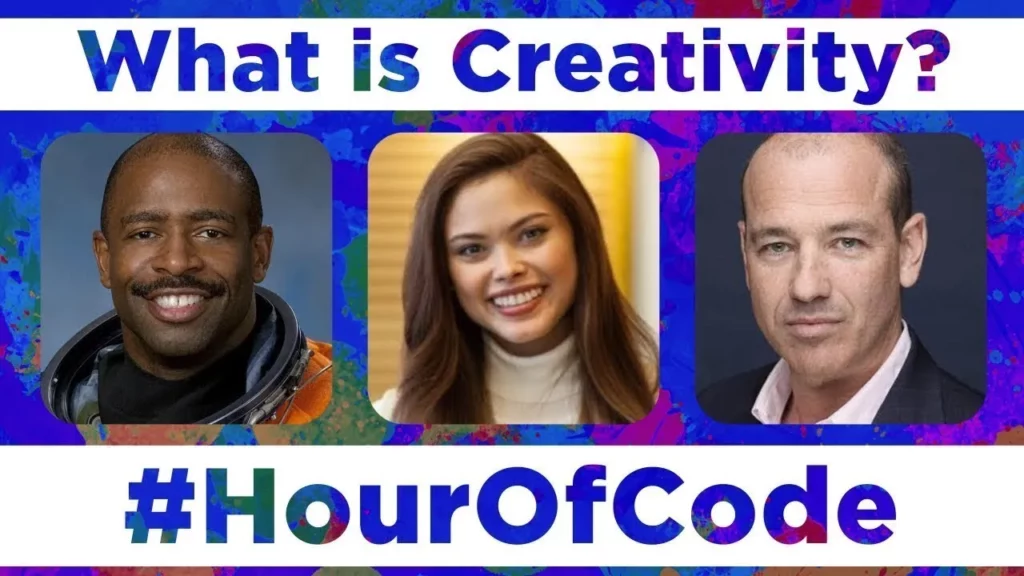
The lesson on creativity explores its multifaceted nature through insights from various individuals. It emphasizes that creativity involves mixing ideas, thinking outside the box, embracing curiosity, seeing things from unique perspectives, and expressing one’s originality. Ultimately, it encourages everyone to unleash their creativity and dream big, highlighting that it is a powerful tool for turning ideas into reality.
Minecraft Hour of Code – Repeat Loops
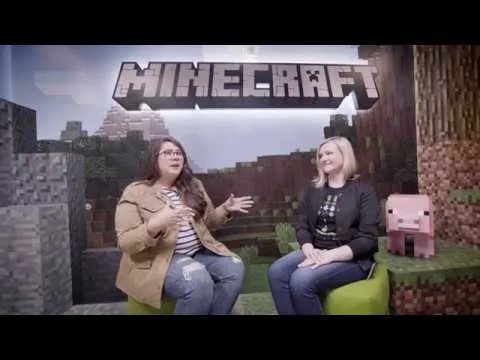
In the “Minecraft Hour of Code – Repeat Loops” lesson, students are introduced to coding concepts through the character Stacy and her mentor Katie, a developer on the Minecraft marketplace team. The lesson focuses on understanding and using repeat loops, which allow the Agent character to perform actions multiple times efficiently, enhancing coding skills while providing a fun and interactive experience in the Minecraft environment. Students are encouraged to explore real coding by viewing the JavaScript behind their actions, fostering an interest in programming careers.
CSA: While Loops
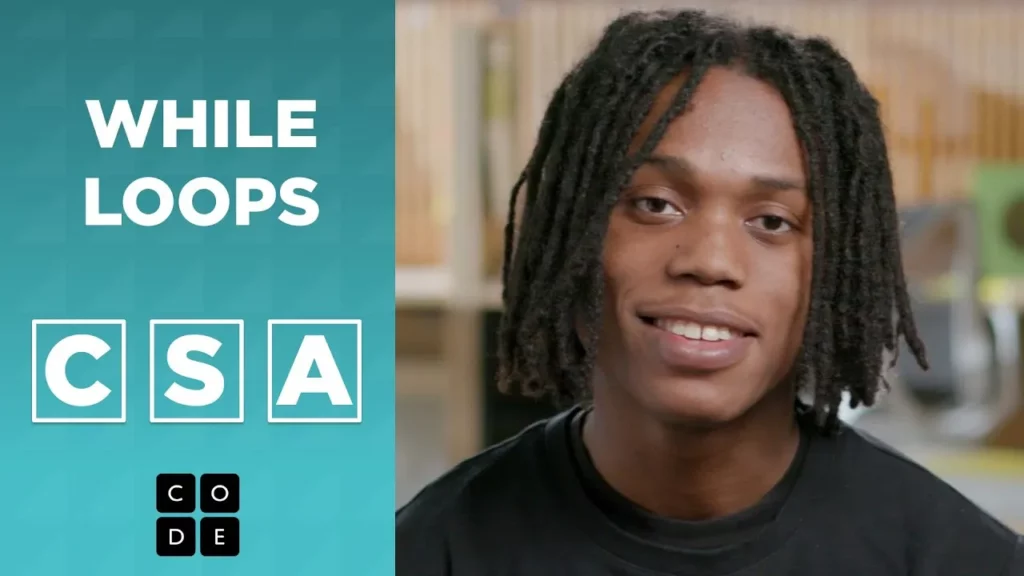
This lesson introduces while loops as a control structure in programming that allows for the repeated execution of a block of code as long as a specified condition remains true. Using the analogy of tidying up a stack of plates, it illustrates how while loops can efficiently manage repetitive tasks without the need for redundant code. Understanding while loops enhances a programmer’s ability to create more efficient and readable programs.
ECS Monthly Meeting – November
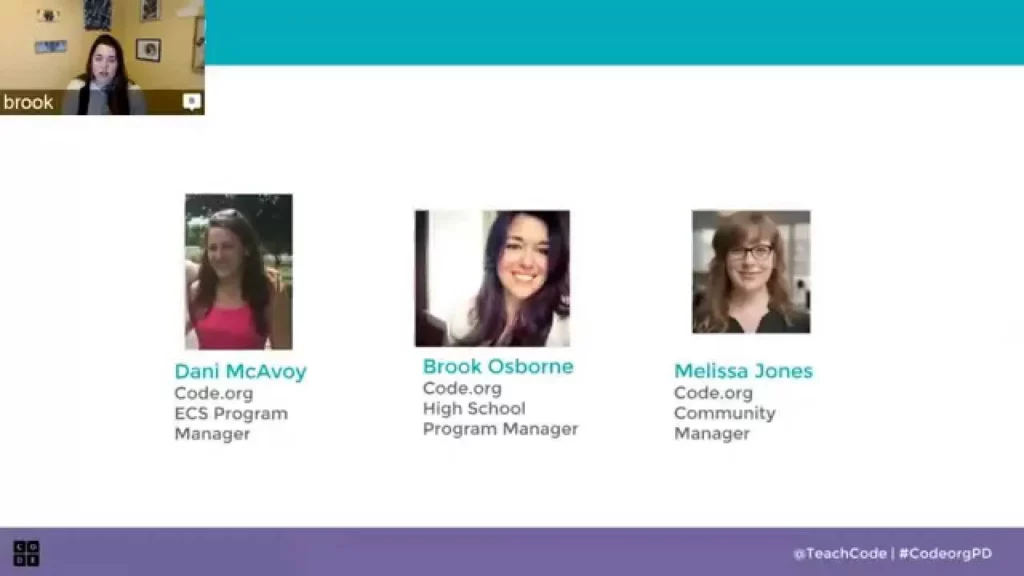
The November ECS Monthly Meeting focused on community engagement, updates on assessments, and tools for Unit 3, particularly the introduction of JSFiddle for web design. Participants were encouraged to share their progress and feedback on resources, fostering collaboration and support among educators. The session concluded with a reminder of upcoming webinars and an invitation to continue the conversation in future meetings.
Hadi Partovi Interview at Nasdaq

In the interview with Hadi Partovi at Nasdaq, he discusses the Hour of Code initiative by Code.org, which aims to introduce computer science to students worldwide by encouraging them to try coding for just one hour. Partovi emphasizes the importance of making computer science an option in schools, as many students miss out on discovering their interest in coding due to a lack of access. He highlights the growing demand for technology education and encourages parents to advocate for coding programs in schools, noting that influential figures support this movement to inspire the next generation of coders.
Star Wars – Hour of Code: Closing
In the “Star Wars – Hour of Code: Create Your Own Game!” lesson, students learn to apply their coding skills to design and develop their own games, utilizing newly unlocked sounds and commands for enhanced creativity. They are encouraged to experiment with game mechanics, share their creations with friends, and seek feedback to improve their designs, all while emphasizing the importance of having fun throughout the process.
Unplugged Lesson in Action – Dice Race
In today’s lesson, students engaged in the Dice Race game to explore how computers process information differently than humans. They learned about algorithms as step-by-step instructions for completing tasks, both in the context of playing the game and in programming a computer to play it. By playing the game and then outlining the necessary steps, students gained a clearer understanding of how to articulate tasks systematically, mirroring a computer’s perspective.
Unplugged – Relay Programming
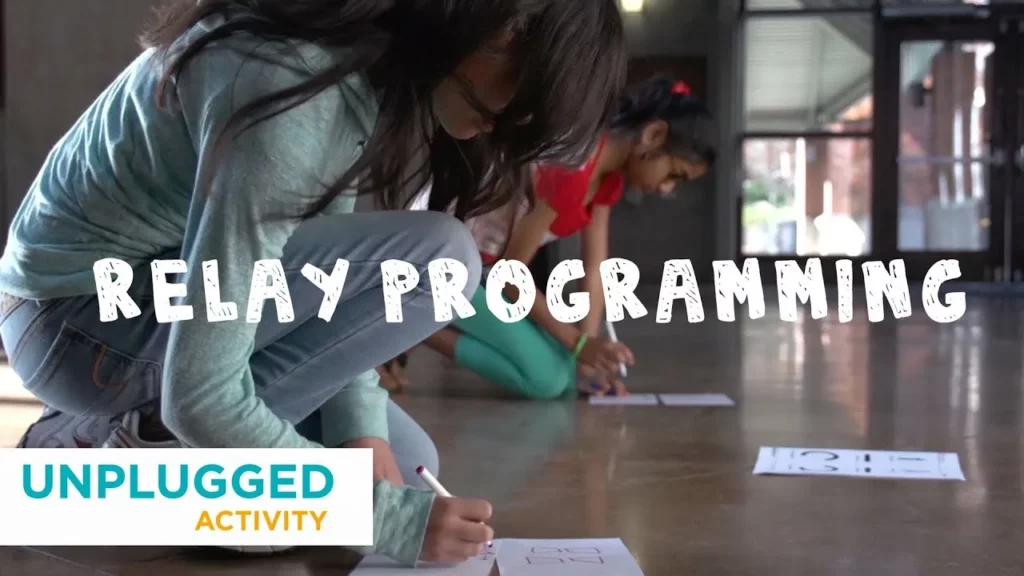
The “Unplugged – Relay Programming” lesson introduces a hands-on activity that teaches computer science concepts without the use of computers. Participants are divided into teams to recreate a drawing by taking turns running to a reference and writing down steps, emphasizing the importance of teamwork, debugging, and communication. This engaging approach not only fosters critical thinking and collaboration but also highlights the real-world relevance of programming skills.
Sprite Lab: Sprites in Action
In this lesson, Jordan introduces the concept of events in Sprite Lab, explaining how they allow programs to respond to user interactions, such as mouse clicks or key presses. By utilizing event blocks, learners can create interactive sprites that perform actions based on specific triggers, enhancing the engagement and creativity of their projects. The lesson emphasizes the importance of managing events effectively to ensure smooth interactions and encourages experimentation with various event types to build exciting programs.
How Blockchain Works: Why Blockchain?

This lesson introduces blockchain technology as a transformative system that decentralizes trust and data management, moving away from reliance on traditional centralized entities like banks and governments. By enabling secure and verifiable transactions without a central authority, blockchain has the potential to revolutionize various applications beyond currency, such as real estate and contract management. The lesson also highlights the ongoing debate about blockchain’s future, emphasizing the need for a deeper understanding of its implications across different industries.