
CSA: Wrapper Classes Part 1

In this lesson, we explored the concept of wrapper classes in Java, which allow primitive data types like `int`, `double`, and `boolean` to be treated as objects. Wrapper classes, such as `Integer`, `Double`, and `Boolean`, provide additional attributes and behaviors, enhancing the functionality of primitive types and enabling the use of object-oriented programming features. By understanding how to create and utilize these wrapper classes, developers can improve the flexibility and usability of their code.
Teacher Tips: Intro to CS Principles
The lesson on Computer Science Principles emphasizes the importance of introducing students to a broad range of technology topics, including coding, artificial intelligence, and data analysis, while fostering creativity through app development. Code.org’s structured app design process encourages collaboration and refinement of ideas, ensuring students understand the complexities of computers beyond basic usage. Additionally, the lesson highlights the significance of creating an inclusive classroom environment to support diverse learners and the motivational impact of offering AP Computer Science Principles as a pathway to future careers in technology.
What is Computer Science Discoveries?
The lesson on Computer Science Discoveries emphasizes the transformative power of computer science in various aspects of life, including education, communication, and industry. It introduces a year-long course that covers essential topics such as hardware, web development, and programming through engaging projects, fostering collaboration and creativity. By overcoming initial fears and embracing the learning process, students can gain valuable skills that empower them to make a positive impact in the world and enhance their future opportunities.
CSA: Polymorphism

The lesson on polymorphism in programming illustrates how a single action can be executed in multiple ways, similar to how different artists express their creativity through various art forms. By using an example of an `Artist` class with subclasses like `Musician`, `Choreographer`, and `Poet`, the lesson demonstrates how each subclass can implement a unique version of a `create` method, allowing for dynamic and adaptable code. This concept enhances the versatility of programming by enabling the same method to behave differently based on the object type, much like artists creating distinct works of art.
Minecraft – Hour of Code: If Statements
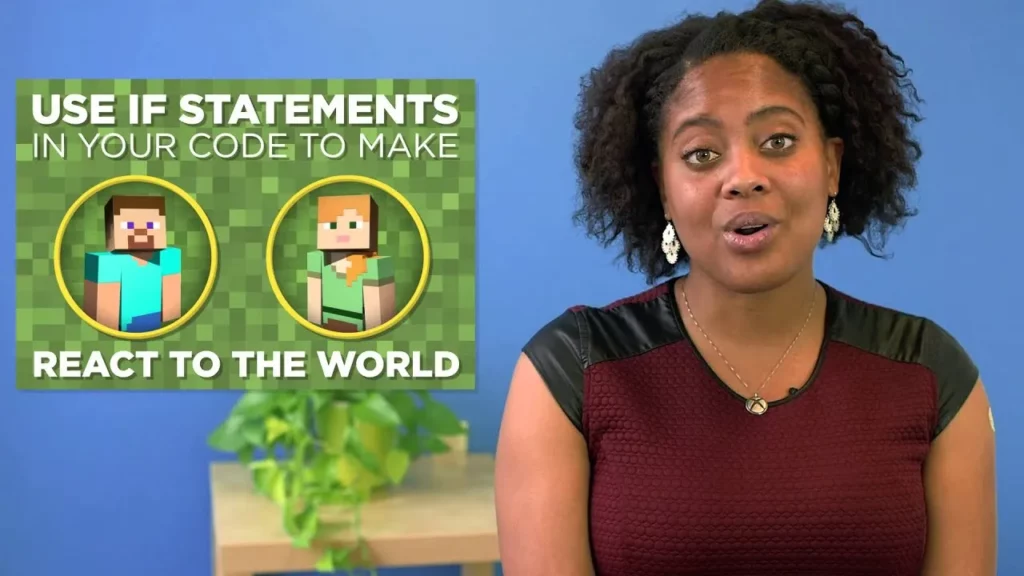
In this lesson, we explored the concept of “if statements” in programming, which allow computers to make decisions based on specific conditions. By using relatable examples, such as unlocking a phone or navigating obstacles in a game like Minecraft, we learned how if statements help guide actions and enhance safety in coding. Ultimately, these statements serve as essential tools for creating interactive and responsive programs.
Create a Story

In this lesson, you will learn how to create your own interactive game or story, taking on the role of a director. By using special blocks like the “when arrow” and “move actor” blocks, you can control characters and make the game engaging through interactions, such as collecting items or avoiding obstacles. The lesson emphasizes planning your story, designing characters, setting the scene, and testing your game to enhance your storytelling and programming skills.
How Not To Get Hacked: Websites and Wifi
The lesson emphasizes the importance of online safety by encouraging users to check for a secure connection indicated by a lock icon in the web browser’s address bar. It highlights the need to verify URLs to avoid fake websites and advises caution when using public Wi-Fi networks, stressing the significance of encryption to protect personal information. By following these guidelines, individuals can better safeguard their data while navigating the internet.
What is Creativity? (with Bill Gates, Malala, Rosario Dawson, Lisa Loeb and Susan Wojcicki)
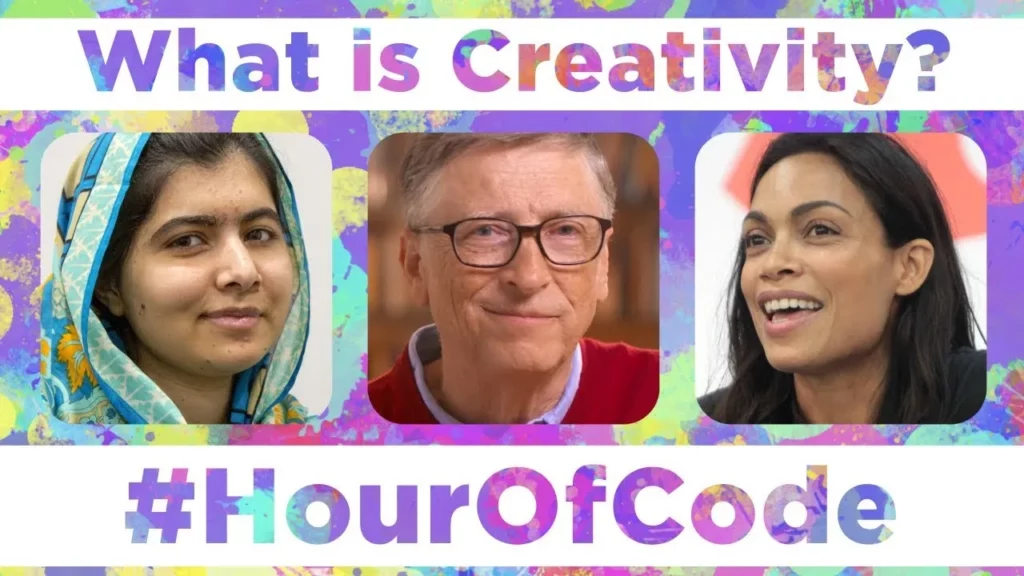
The lesson explores the multifaceted nature of creativity through the perspectives of various inspiring figures, including Bill Gates, Malala Yousafzai, and Susan Wojcicki. Each individual highlights different aspects of creativity, such as problem-solving, self-expression, and innovation, encouraging students to reflect on their own understanding and potential for creativity. Ultimately, the lesson invites participants to embrace their unique ideas and envision what they can create.
LAUSD on the importance of Computer Science education

This lesson emphasizes the importance of learning computer science and coding, highlighting that these skills are accessible to everyone, regardless of background. It encourages students to embrace coding as a way to develop problem-solving abilities and computational thinking, which can benefit them in various subjects and future careers. Additionally, the lesson promotes the idea that there are numerous opportunities in the tech industry, urging students to explore and practice coding to discover their potential.
Indigenous & Tech: A Natural Bridge
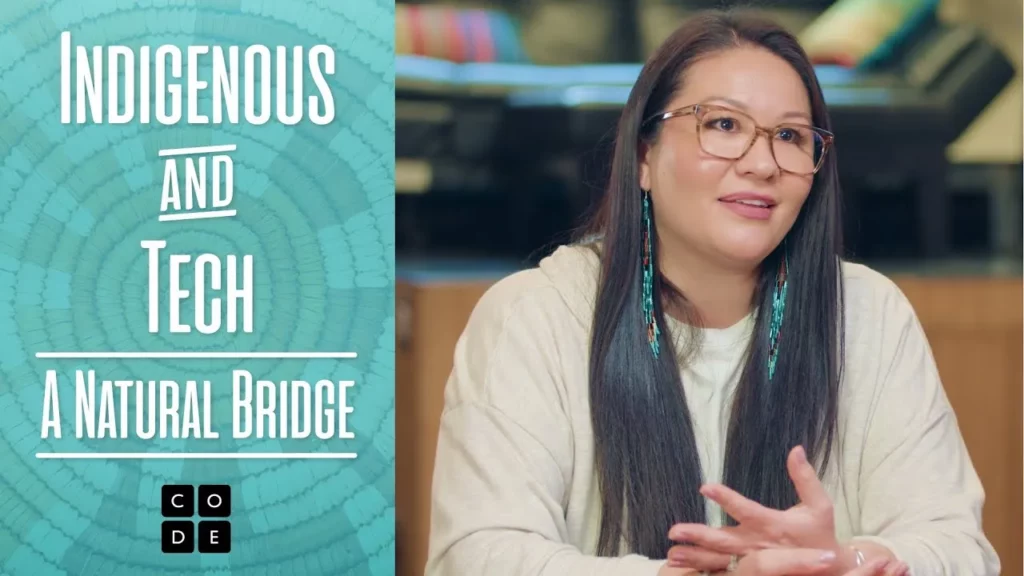
In the lesson “Indigenous & Tech: A Natural Bridge,” Jordan, a member of the Lakota and Nez Perce tribes, highlights the unique intersection of indigenous culture and technology, emphasizing how traditional storytelling and creativity align with modern tech innovation. He advocates for increased participation of indigenous individuals in the tech sector, noting that their cultural insights can drive innovation and foster inclusivity. Ultimately, Jordan envisions a future where indigenous heritage enriches the tech landscape, creating opportunities for professional growth and diverse perspectives.