
CS Principles – Tutorial – How Routers Learn

In this lesson, participants simulate the role of routers in a network, where each router can only communicate with three others to discover the best paths to reach all routers. Through example conversations, learners observe how routers exchange information about their connections and costs, allowing them to collaboratively identify the most efficient routes. The activity emphasizes the importance of communication and continuous learning in network routing.
CS Principles: Intro to Objects

In this lesson, we explored the concept of objects in JavaScript as a more efficient way to manage related data compared to using separate lists. By grouping properties such as names, emails, and phone numbers into a single object, we streamline data management and enhance code clarity. This approach not only simplifies the handling of complex datasets but also facilitates easier maintenance and expansion of applications.
CS Discoveries: Loops
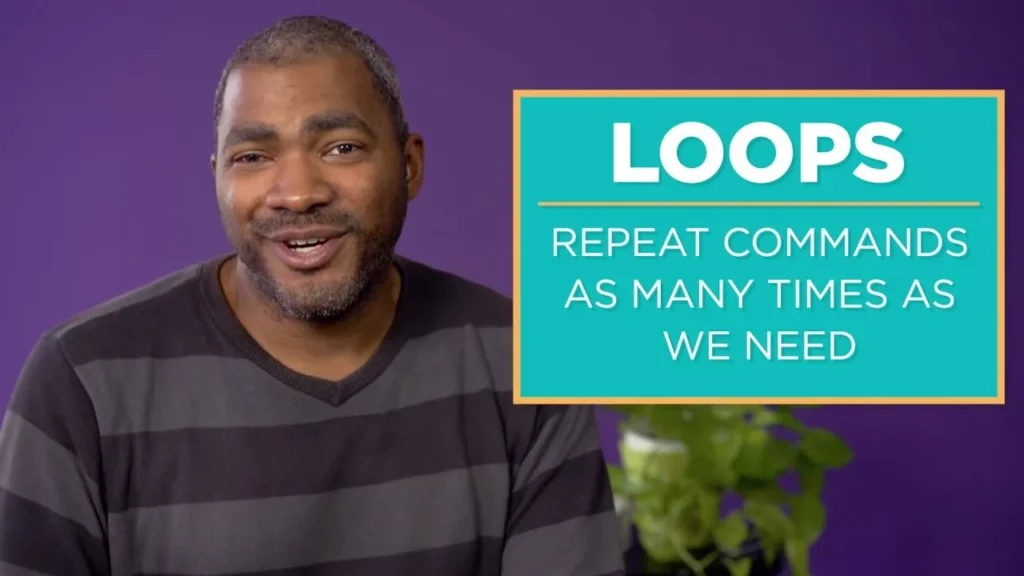
In this lesson on loops in programming, we learned that loops are essential for repeating actions efficiently, allowing programmers to avoid redundancy and enhance code readability. The focus was on the for loop in JavaScript, which acts as a counter to execute commands a specified number of times, helping to streamline tasks and leverage the computer’s speed for complex problem-solving. Understanding and utilizing loops can significantly improve the effectiveness of your coding projects.
CS Principles: Functions with Parameters

In this lesson on functions with parameters, we learned that parameters enhance the flexibility and versatility of functions in programming. By using parameters, such as “size” for drawing shapes, we can create a single function that adapts to different inputs, reducing the need for duplicate code and improving program efficiency. This concept of abstraction allows programmers to solve related problems more effectively, making their code easier to read and maintain.
Mark Zuckerberg Explains Loops

In this lesson, Mark Zuckerberg explains the concept of loops in programming, highlighting their ability to automate repetitive tasks efficiently. By using loops, such as in the example of sending birthday emails or moving a bird in a game, programmers can execute commands multiple times with minimal code, making programming both fun and effective. The lesson encourages practice to become proficient in using loops for various tasks.
Equity in Computer Science Education

The lesson on “Equity in Computer Science Education” emphasizes the importance of ensuring that all students have access to computer science education, fostering diversity in the classroom, and creating an inclusive environment where every student’s voice is heard. By focusing on these principles, educators can empower students from various backgrounds to engage with computer science, ultimately leading to a richer, more innovative field that reflects the diverse perspectives of society. Teachers play a crucial role in this process by providing support and encouragement, helping students build confidence and pursue opportunities in computer science.
Calling & Defining Functions

In this lesson, we learned about the concept of functions in App Lab, focusing on how to define and call them to streamline our code. By creating a function, such as “updateScreen,” we can eliminate repeated commands in our program, making it more efficient and easier to read. Additionally, we discussed the importance of naming functions descriptively and the benefits of using functions for easier debugging and maintenance of our code.
What’s Up with Computer Science Discoveries?

The lesson introduces the significance of computer science in today’s world, emphasizing its transformative impact on various industries and learning processes. It outlines the Computer Science Discoveries course, which covers essential topics such as hardware, web development, and programming through engaging projects like video game creation, while also highlighting the importance of teamwork and creativity. Additionally, the lesson discusses the support and resources available for teachers to effectively teach computer science, ultimately empowering both educators and students in this vital field.
The Internet: Encryption & Public Keys

In this lesson, we explored the importance of encryption and public keys in maintaining internet security, particularly for protecting sensitive information like credit card numbers and passwords. We discussed the evolution of encryption methods, from simple ciphers like Caesar’s Cipher to modern techniques using 256-bit keys and asymmetric encryption, which employs a public and private key pair for secure communication. As internet usage grows, the need for robust encryption methods continues to be critical in safeguarding our data against potential threats.
Careers with Computer Science: Aerospace Engineer at NASA
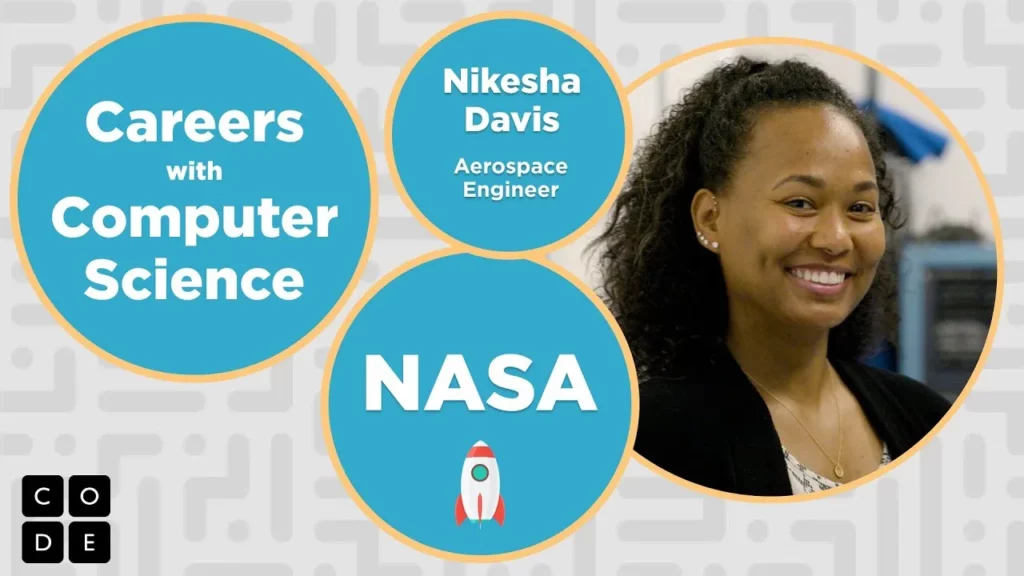
In this lesson, aerospace engineer Davis shares his experiences working at NASA, highlighting the importance of computer science in programming spacecraft for various missions that explore the universe. He emphasizes how his initial lack of interest in computers transformed into a passion for coding, which is now integral to his role. The lesson encourages students to consider careers in computer science, suggesting that it can lead to exciting opportunities in fields like space exploration.