
Using Games in the Classroom
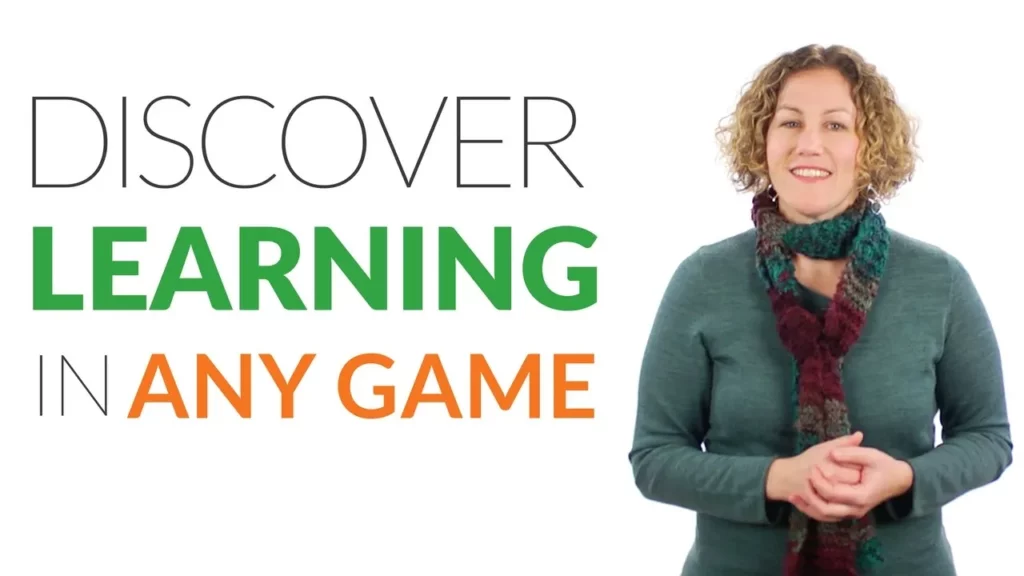
The lesson emphasizes the potential of games as effective learning tools in the classroom, highlighting that almost any game can provide educational value if approached correctly. It encourages educators to select engaging games that students already enjoy, treat them as experiential learning opportunities, and use any inaccuracies within games as a springboard for curiosity and deeper understanding. By incorporating these strategies, teachers can create a fun and interactive learning environment that fosters exploration and critical thinking.
Discussing Digital Drama
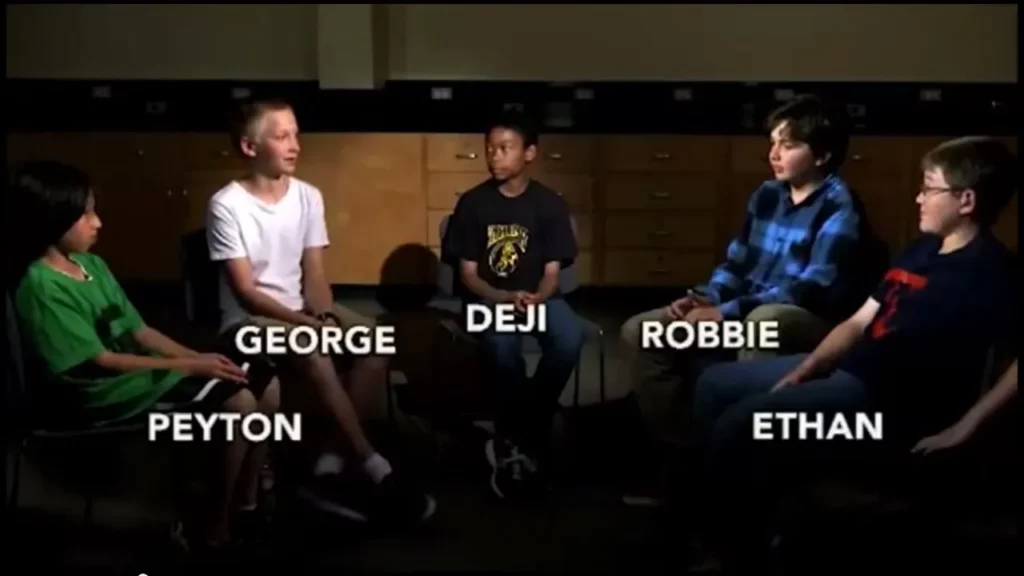
The lesson on discussing digital drama highlights the differences in how boys and girls engage with gossip and drama, particularly in the context of social media. It emphasizes that while drama can be entertaining, it often stems from small issues that escalate due to gossip, which can lead to significant emotional consequences and damaged friendships. The lesson encourages mindfulness in communication, advocating for respectful interactions both online and offline to foster a more positive social environment.
Teen Voices: Sexting, Relationships, and Risks
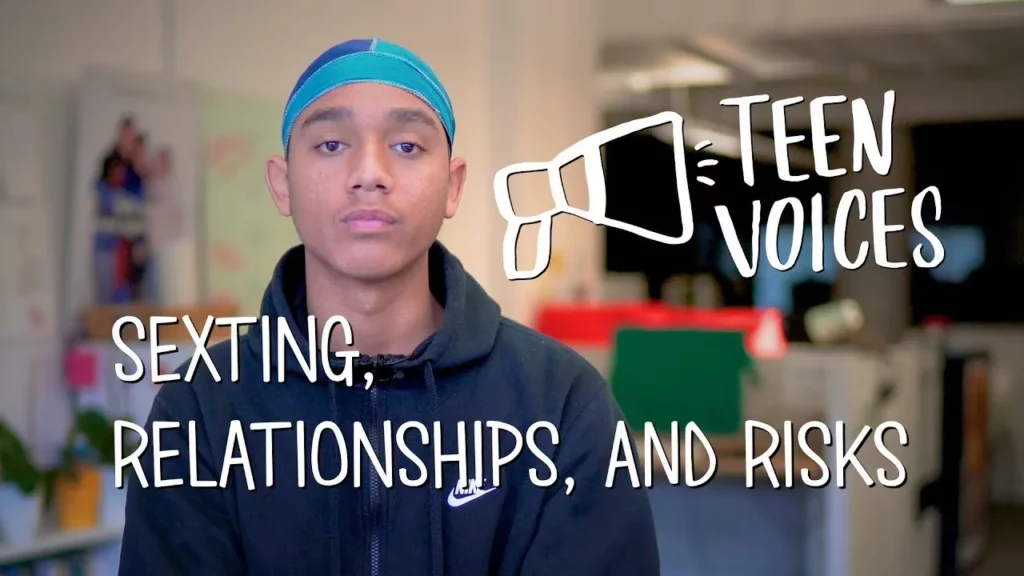
The lesson “Teen Voices: Sexting, Relationships, and Risks” explores the pressures teens face regarding sexting, emphasizing the importance of understanding the potential consequences of sharing personal images. It highlights the lasting impact of leaked images, societal double standards, and the emotional complexities involved in trust and relationships. Open discussions about sexting are encouraged to help teens navigate these challenges responsibly.
Teen Voices: Who Are You on Social Media?
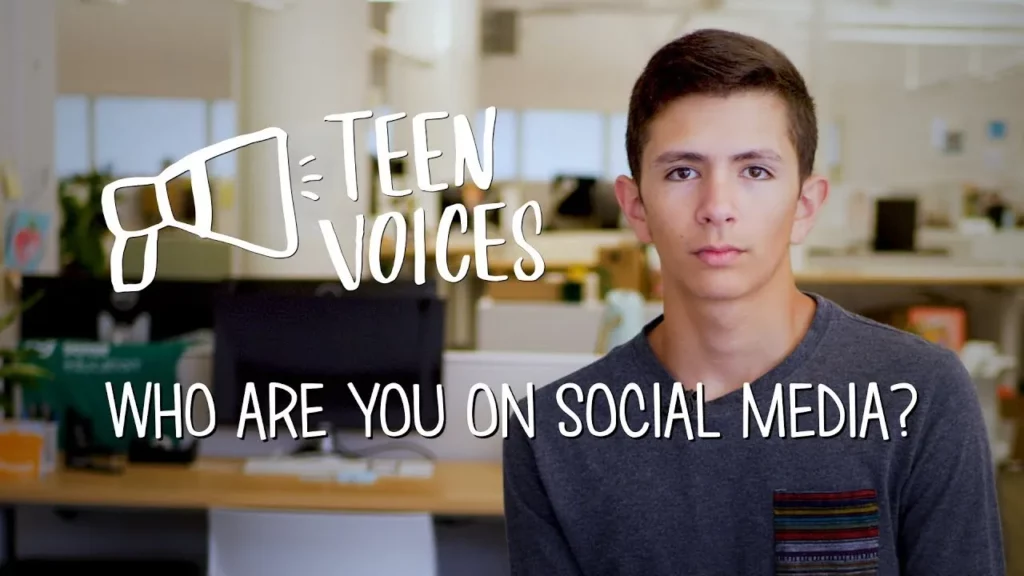
The lesson “Teen Voices: Who Are You on Social Media?” explores the impact of social media on self-perception and authenticity. It highlights how individuals often curate their online identities, leading to comparisons and unrealistic expectations, while emphasizing the importance of being genuine and valuing personal memories over external validation. Ultimately, it encourages teens to recognize that social media often presents a limited view of reality and to focus on their true selves rather than striving for perfection.
Take Classroom Video to the Next Level
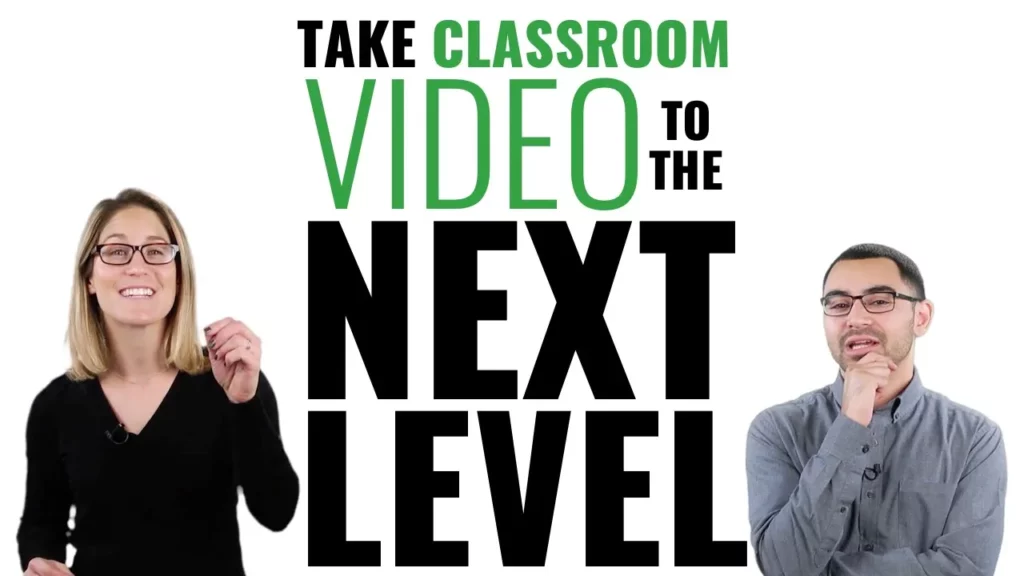
The lesson emphasizes the importance of enhancing classroom video use by actively engaging students and encouraging them to become reactive viewers. Teachers are advised to implement strategies such as note-taking, pausing for discussions, and assigning creative projects that require multiple viewings to deepen understanding and foster critical thinking. By integrating these techniques, educators can help students not only comprehend the content but also form and express their own opinions about the material.
What is the Internet?
The internet is a vast resource that functions like a giant library, providing answers to countless questions and offering a variety of activities, from watching videos to playing games. It operates through a connection of devices using special wires and codes, allowing information to be transmitted quickly and efficiently. Overall, the internet enhances our lives by making information and entertainment easily accessible, transforming how we learn and explore the world.
Teacher Appreciation Week, 2021 — Thank You, Teachers!
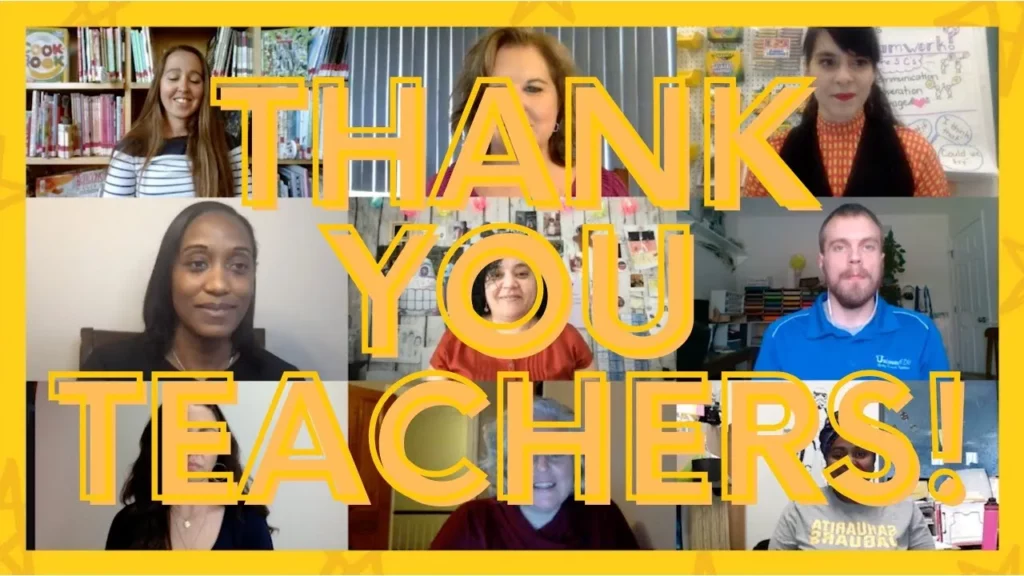
The lesson celebrates Teacher Appreciation Week 2021 by recognizing the remarkable dedication and adaptability of educators during a challenging year marked by the shift to virtual learning. It highlights how teachers overcame obstacles, fostered collaboration, built trust within their communities, and remained motivated by their passion for teaching and their students. Ultimately, the lesson emphasizes the importance of acknowledging teachers’ unwavering commitment to education and their significant impact on students’ lives.
‘Challenge’ Games on Social Media
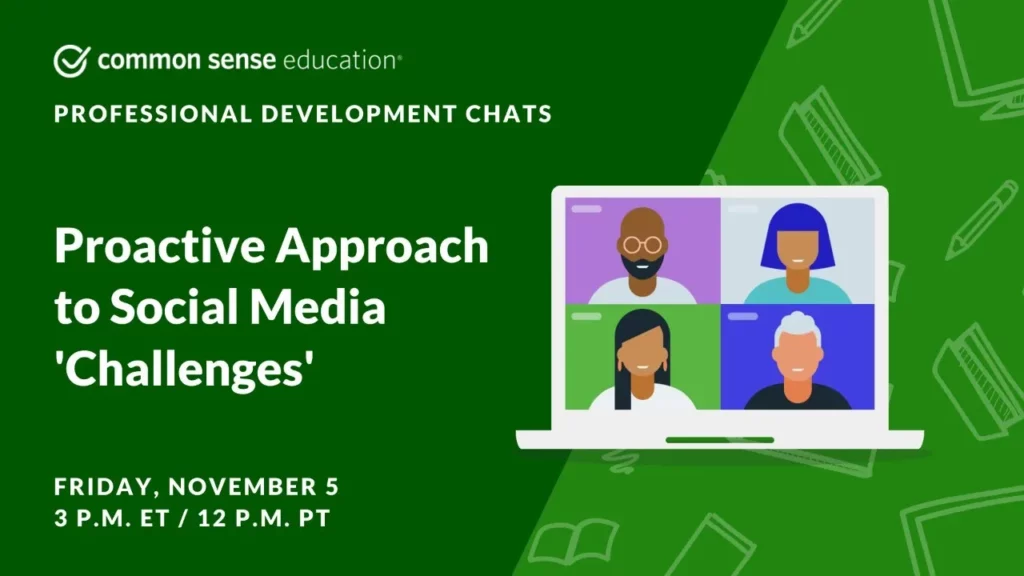
In this lesson, Jennifer Ehland and Jamie Nunez discuss how to proactively approach social media challenges faced by young people, emphasizing the importance of connection and the potential risks associated with viral trends. They outline a framework for identifying, understanding, and addressing these challenges, encouraging educators to create safe spaces for discussion, engage students in brainstorming solutions, and take actionable steps to foster healthy online interactions. The session aims to equip educators with the tools to support students in navigating their digital lives effectively.
Digital Bytes: Disconnected

The lesson “Digital Bytes: Disconnected” emphasizes the pervasive influence of smartphones and social media on our daily lives, highlighting how they can detract from genuine human interactions and experiences. It discusses the phenomenon of phone anxiety, the overwhelming nature of constant notifications, and the societal pressure to document every moment online. Ultimately, the lesson advocates for finding a balance by disconnecting from digital distractions to engage more fully with the world around us and create meaningful experiences.
Anti-Racism in SEL
The lesson on “Anti-Racism in Social-Emotional Learning (SEL)” emphasizes the importance of recognizing and addressing the diverse narratives and experiences of students, particularly those of color, in educational settings. Tony Weber Jr. highlights the need for SEL frameworks to move beyond superficial strategies and instead create supportive environments that validate students’ emotions and experiences, especially in the context of systemic challenges. The session calls for educators to engage in meaningful conversations and develop comprehensive policies that genuinely support all students, fostering a sense of safety and belonging.