
EdTech Showdown: Kahoot vs. Formative

In this lesson, Jeff Knutson from Common Sense compares two popular online formative assessment tools: Kahoot and Formative. Kahoot offers an engaging, game-like quiz experience that promotes competition among students, while Formative provides a wider variety of question types and immediate feedback, making it ideal for tracking student progress and fostering deeper learning. The choice between the two ultimately depends on whether educators prioritize a fun, interactive environment or detailed insights into student performance.
Tech-Rich Lesson Plan in Action: Elementary School Math – Metric Measurement
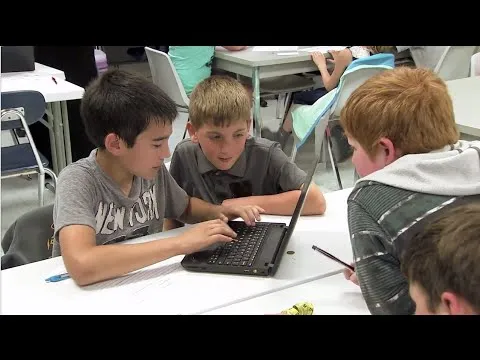
In this tech-rich lesson on metric measurement, elementary students explored the concept of measurement by engaging in hands-on activities and using technology. They began by watching an informative video about the uniqueness of their bodies, followed by estimating and measuring various objects and body parts with partners. The lesson culminated in creating presentations to share their findings, emphasizing the fun and significance of measurement in understanding individuality.
Using Improv to Redefine Education
The lesson explores how improvisational theater can enhance educational experiences, particularly in empowering girls to find and express their voices. Led by Jamie Nunez and Jordan Elizabeth from Girls Leadership, the discussion emphasizes the importance of culturally responsive curricula and the need for educators to understand and address trauma in students. By applying key improv principles—such as collaboration, support, and embracing vulnerability—educators can create a more engaging and empathetic learning environment.
How Does Technology Make You Feel?
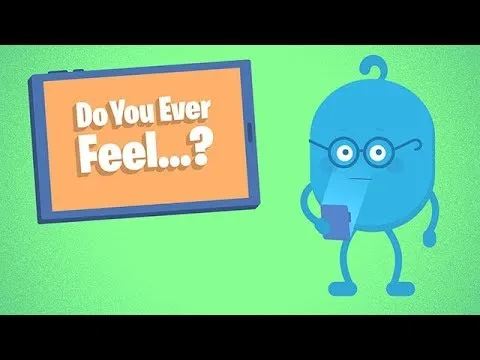
The lesson explores the emotional impact of technology, highlighting how it can evoke feelings of happiness when engaging with games or videos, as well as sadness or confusion when things don’t go as planned. It emphasizes the importance of sharing our feelings with others and seeking help from adults when needed, reinforcing that it’s normal to experience a range of emotions while using technology. Ultimately, the lesson encourages a balanced approach to technology, promoting open communication and support.
My Online Neighborhood (2017 – OLD VERSION)

In the lesson “My Online Neighborhood,” a seven-year-old shares their experiences exploring the internet, likening it to an exciting neighborhood filled with opportunities to learn, play, and connect with family. They emphasize the importance of online safety by outlining three key rules: always asking parents for permission, only communicating with known individuals, and visiting age-appropriate websites. The lesson highlights the fun and educational aspects of the internet while promoting responsible usage.
Digital Media Safety Instruction Day
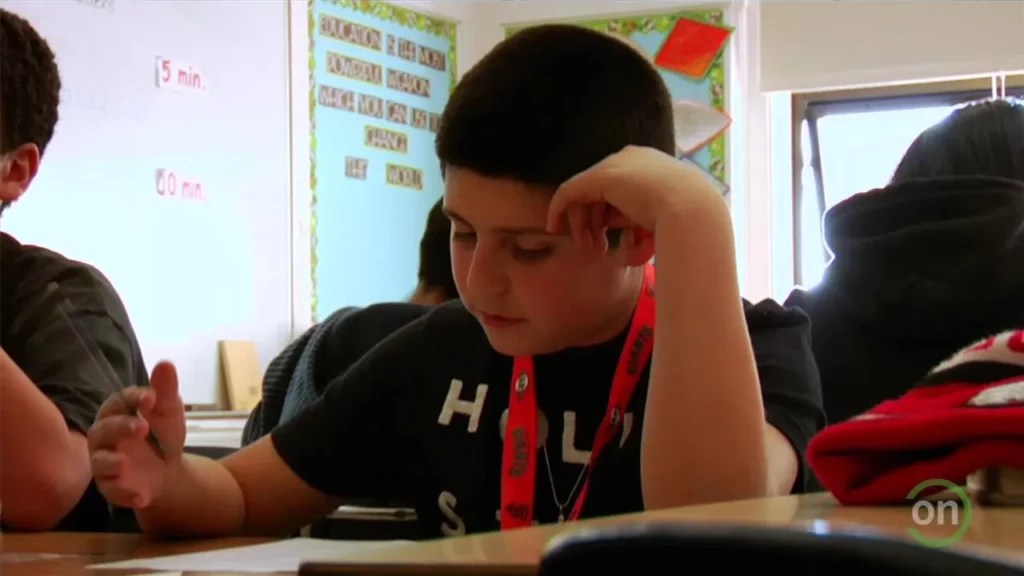
The Digital Media Safety Instruction Day at Aptos Middle School emphasizes the importance of teaching students how to navigate the internet safely and responsibly. Through a district-wide initiative involving all public school students in San Francisco, the curriculum from Common Sense Media focuses on internet safety, digital citizenship, and critical thinking skills, preparing students for a future where they can use technology ethically and creatively. This education is vital for addressing issues like online bullying and ensuring students are equipped for both their personal lives and future careers.
Online Talk: What’s Safe and What’s Risky?
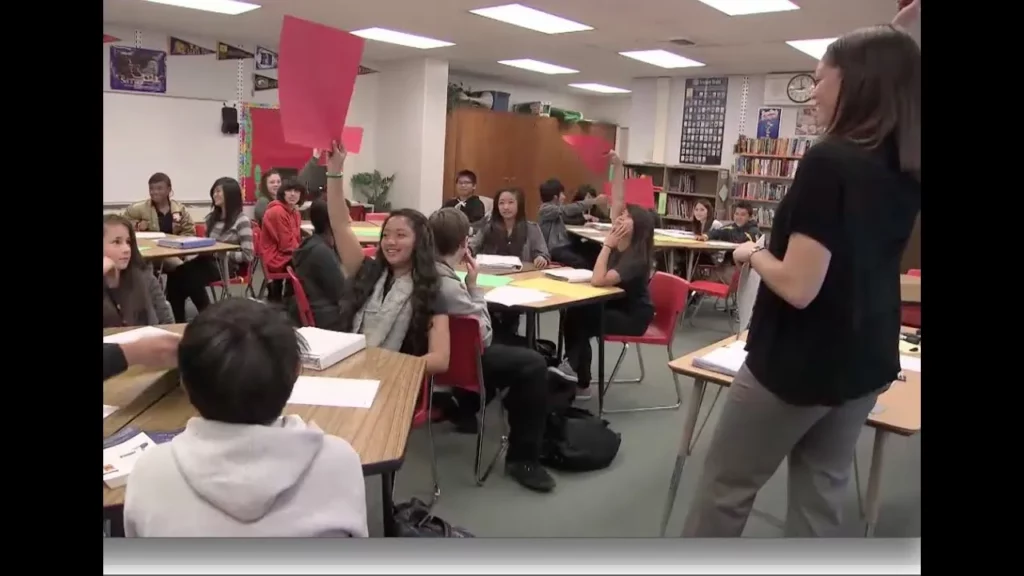
In today’s lesson, Molina Johnson emphasized the importance of online safety, particularly when interacting with strangers. Students learned key concepts such as “inappropriate,” “risky,” and the dangers posed by online predators, while practicing how to identify warning signs through a color-coded system. The lesson encouraged making smart choices online and highlighted the importance of communicating with trusted adults if something feels wrong.
Developing a Student Team of Technology Leaders
In this lesson, we explored the Paw Tech Squad at Poplar Tree Elementary School, a student-led initiative that empowers young technology leaders to assist their peers and teachers with tech-related challenges. Founded by Leslie Lacey and Sharon Wooden, the squad has grown from a small group to 44 members, demonstrating the importance of student involvement in technology education. The lesson highlighted the squad’s impact on fostering leadership skills, promoting digital citizenship, and adapting to virtual learning environments.
Teen Voices: Presenting Yourself Online (2019)
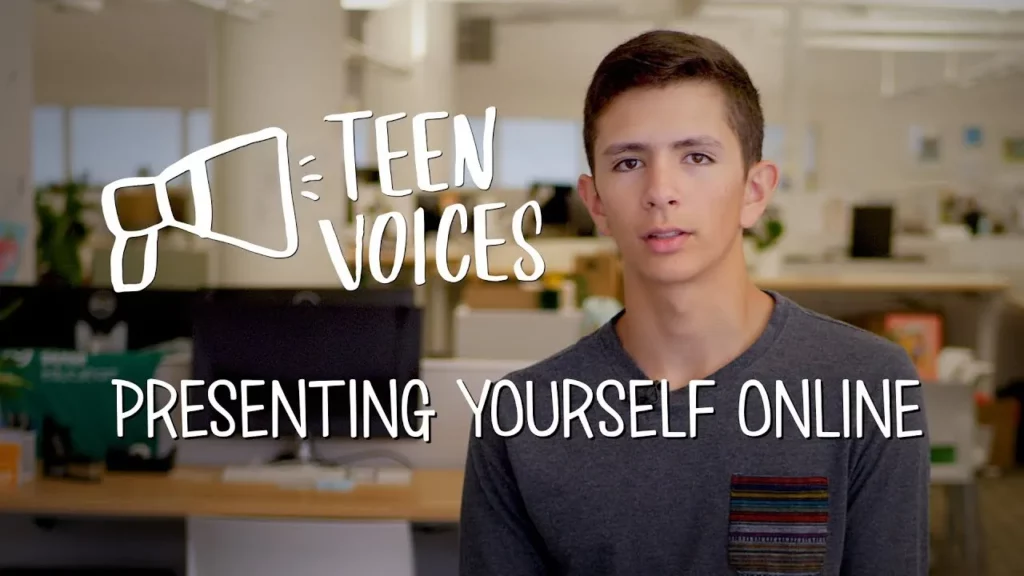
The lesson “Teen Voices: Presenting Yourself Online” explores the challenges and pressures teenagers face when curating their online identities, often feeling compelled to present a perfect version of themselves that may not reflect reality. It highlights the contrast between polished main accounts and more authentic secondary accounts, emphasizing the importance of genuine self-expression amidst the pressures of social media. Ultimately, the lesson encourages a balance between online presentation and true self, allowing for a healthier relationship with social media.
Teaching Digital Citizenship: Digital Drama Unplugged
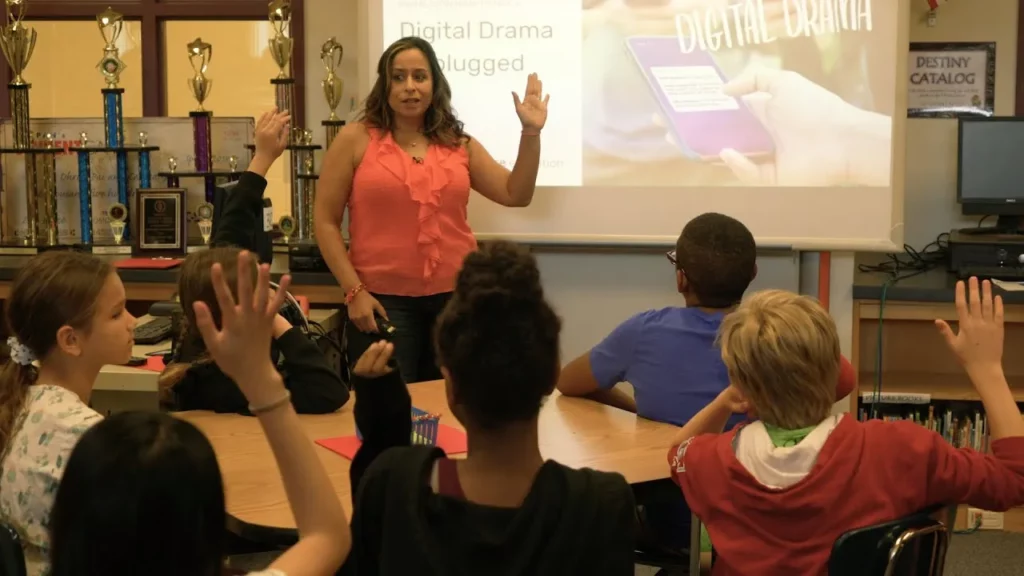
In the lesson “Teaching Digital Citizenship: Digital Drama Unplugged,” Mrs. Martinez guides students through understanding the complexities of digital drama on social media, emphasizing its potential to escalate quickly and the importance of addressing it constructively. Through brainstorming, role-playing scenarios, and group discussions, students reflect on their experiences and learn effective de-escalation strategies, ultimately highlighting the value of face-to-face communication for better emotional expression and conflict resolution. The lesson encourages responsible social media use and fosters a collaborative learning environment where students can share insights and support one another.