
Gooru Helps You Sort Through and Assign Out Great Free Resources for Learning
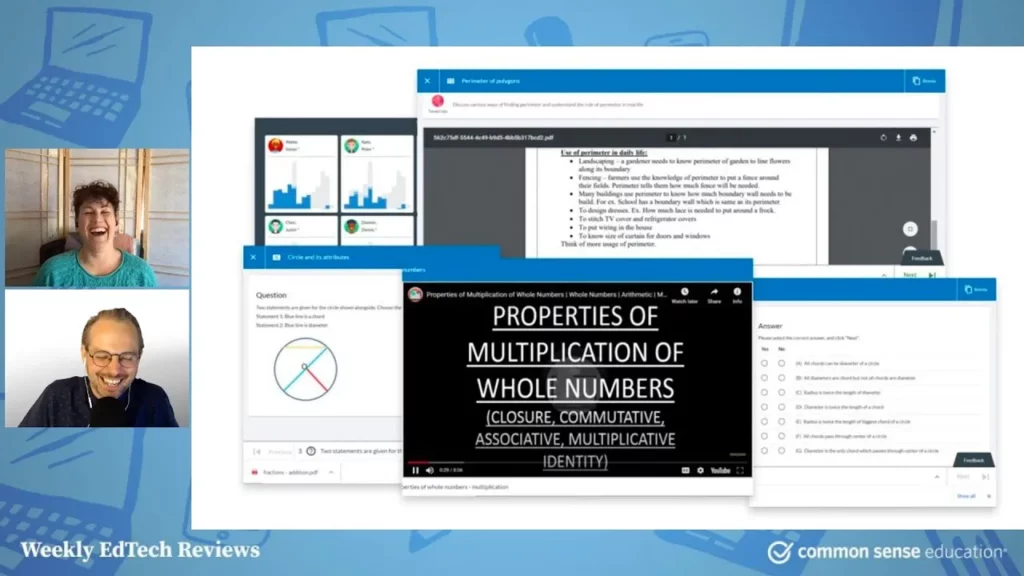
Gooru is a free online platform that provides educators with access to a vast array of open educational resources, particularly beneficial for teaching students in grades five through twelve. Its key features include personalized learning recommendations through the “GPS for Learning” tool and a specialized math resource called Navigator, which offers interactive learning experiences. Educators can easily create accounts, curate content, and track student progress, making Gooru a valuable asset for enhancing lesson plans and fostering engaging learning environments.
Essential Apps for the 1:1 Classroom #AppyHour
In this lesson from Common Sense Media’s AppyHour, educators Lisa Butler and Jennifer Halt introduce essential digital tools for one-to-one classrooms, including Animoto, Google Earth, Google Art Project, and Schmo. These apps enhance student engagement and learning by facilitating video creation, exploring cultural landmarks, experiencing art, and simplifying complex subjects. Additionally, they highlight Graphite, a platform for reviewing and discovering educational apps, encouraging teachers to share their insights and experiences.
1-to-1 Essentials – Encouraging Digital Citizenship

The lesson emphasizes the importance of digital citizenship, teaching students to use technology responsibly and respectfully from a young age. It connects digital citizenship with social skills, encouraging students to apply the same principles of empathy and respect online as they do in person. Additionally, the lesson highlights the significance of thinking critically about their choices, learning from mistakes, and seeking guidance from adults when faced with uncertainties in their digital interactions.
Build 21st-Century Skills with CCS-Aligned Middle/High School Math Tools
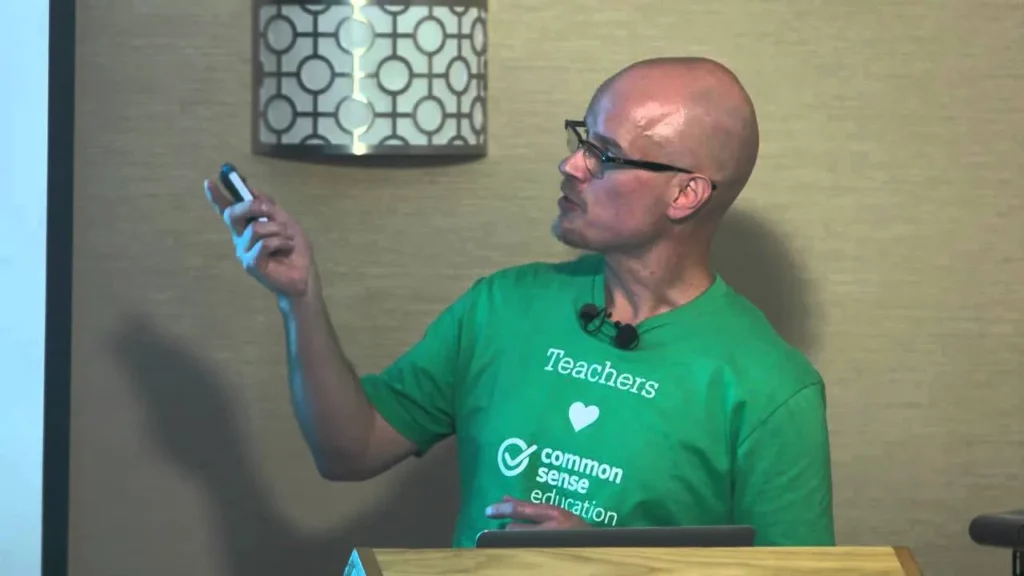
This lesson introduces innovative math tools designed to enhance secondary education by fostering 21st-century skills. The three highlighted applications—Get the Math, Mathalicious, and Qthink—engage students through real-world problem-solving, critical thinking, and collaborative learning, making mathematics relevant and applicable to various careers and societal issues. Each tool supports differentiated instruction and encourages students to work together, enhancing their communication and analytical skills.
3 Great Ways to Get Students Coding in the Classroom
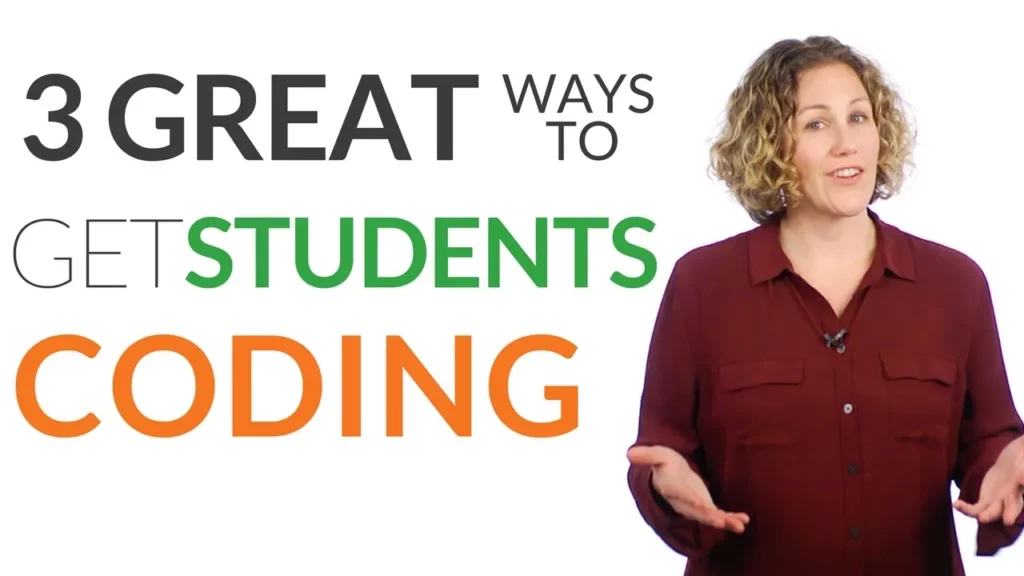
The lesson emphasizes the importance of coding in today’s digital world and offers three effective strategies for introducing coding in the classroom. First, it encourages collaborative learning, where students and teachers can support each other in the coding journey. Second, it suggests creating a shared knowledge base for students to exchange tips and resources, and finally, it advocates for pursuing personal interests to make coding projects more engaging and meaningful.
Journalism in Action Will Give Students a New Appreciation for Journalism
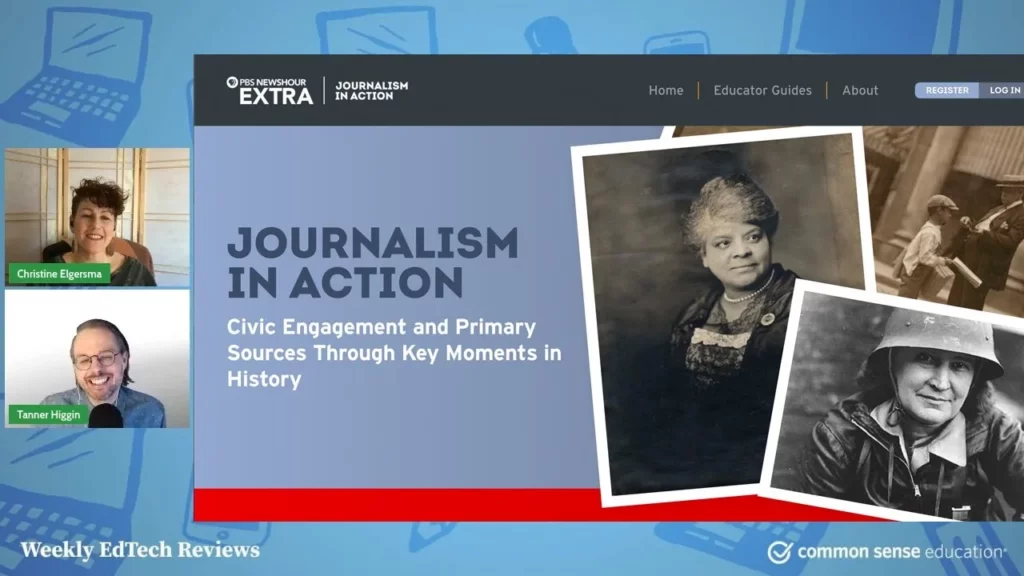
The lesson introduces “Journalism in Action,” a collaborative educational tool by PBS NewsHour and the Library of Congress that helps students explore journalism through historical primary sources. Organized into ten investigations, the resource allows students to engage with topics such as Civil War journalism and the contributions of female journalists, while also developing literacy skills through analysis and creative activities. Overall, it provides a dynamic way to understand the impact of journalism on society and encourages students to express their learning creatively.
What Is Digital Citizenship?
In this lesson, we explored the concept of digital citizenship, which emphasizes using technology in a safe, kind, and responsible manner. Key points include being cautious when interacting online, treating others with respect, and sharing information carefully to protect personal privacy. By practicing good digital citizenship, we can enjoy the internet while ensuring our safety and the well-being of others.
Fandom Forward: Media Literacy Activities That Peel Back the Layers of Pop Culture
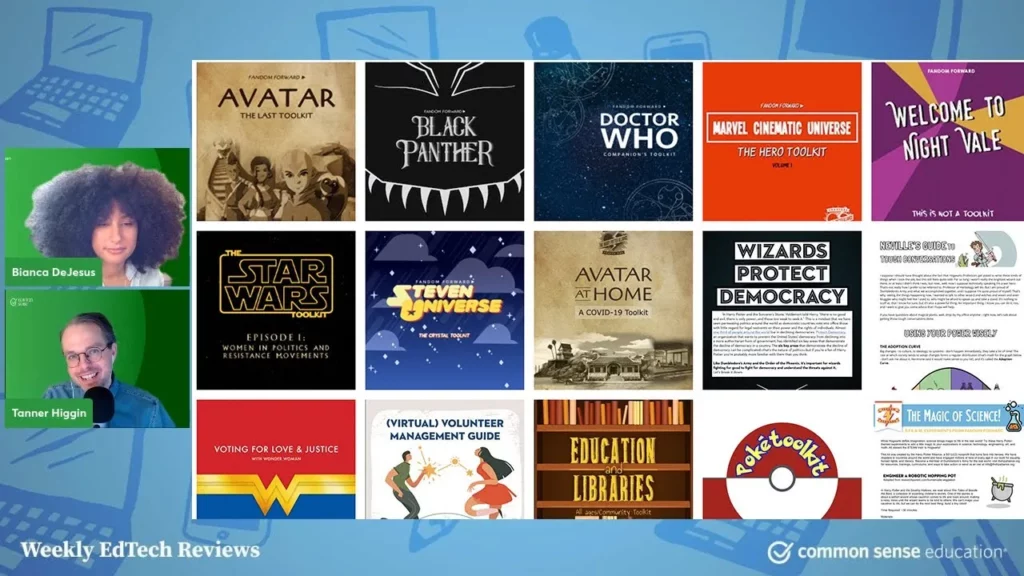
The lesson explores Fandom Forward, a platform that empowers fans of various media to engage in political activism and social issues, originally stemming from the Harry Potter Alliance. It provides educators with toolkits that connect pop culture themes, such as racial justice and mental health, to real-world actions, fostering meaningful classroom discussions. While the resources are valuable for promoting media literacy and activism, considerations regarding their scholarly depth and perspective neutrality are noted.
Is Time for Kids the Best News Source for Elementary?
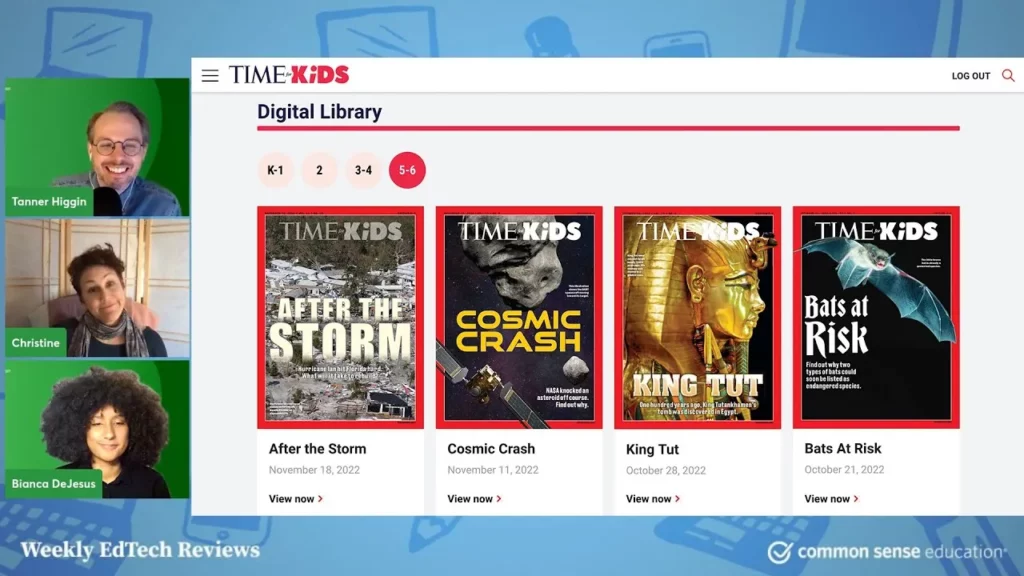
The lesson introduces “Time for Kids,” a news magazine tailored for elementary students that offers engaging articles on real-world events and various topics. It provides valuable teaching resources, including lesson plans and quizzes, and features a Press Club for student journalists to contribute their own articles. With its affordable subscription model and interactive content, “Time for Kids” is a highly recommended resource for enhancing classroom learning and fostering discussions.
Put Little Kids on the Path to Financial Literacy With Milo’s Money
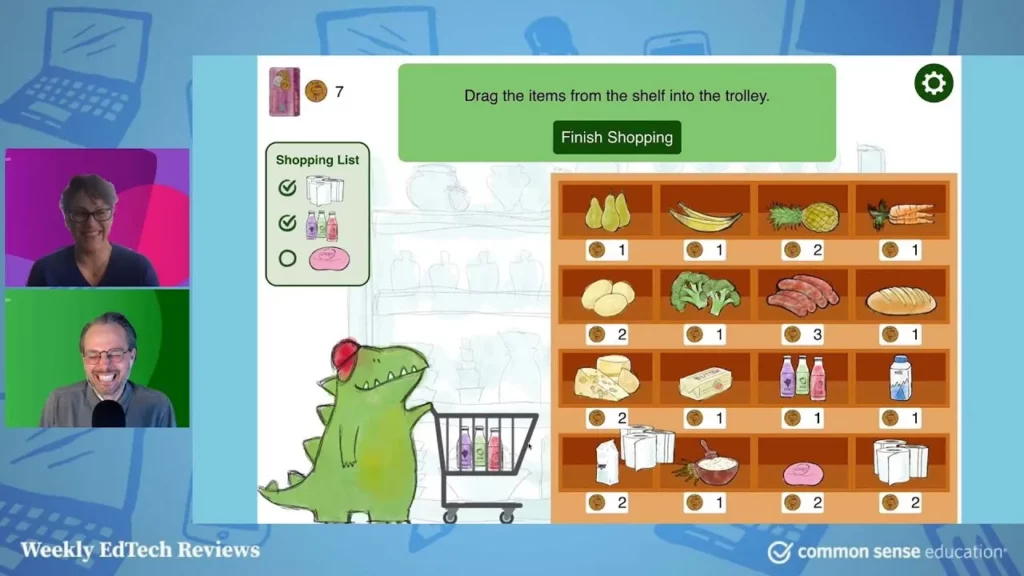
In this lesson, we explore “Milo’s Money,” a fun educational tool designed to teach young children about financial literacy through the adventures of Milo the Dinosaur. The program includes an engaging storybook and interactive games that help kids learn essential money concepts such as counting, spending, saving, and giving, while also providing teachers with additional resources like worksheets and activities to enhance the learning experience. Overall, Milo’s Money offers a playful and effective way for children to start understanding how to manage money wisely.