
1-to-1 Essentials – Insights: A Paradigm Shift

The lesson emphasizes a paradigm shift in how students perceive and utilize their devices, transitioning from viewing them merely as sources of entertainment to powerful educational tools. With the school’s one-to-one laptop program, students are encouraged to engage in learning, creativity, and content creation, allowing them to deepen their knowledge and enhance their educational experience. Ultimately, this shift aims to unlock the full potential of technology in fostering a more productive and enriching learning environment.
Rebecca Black Case Study

The lesson on Rebecca Black’s viral fame illustrates the unpredictable nature of internet stardom, showcasing how a 13-year-old’s song “Friday” catapulted her to global recognition while also exposing her to harsh criticism and cyberbullying. Despite the challenges, Rebecca learned to navigate negativity and focus on her passions, emphasizing the importance of resilience and kindness in the digital age. Her journey serves as a reminder of the dual-edged sword of fame, highlighting the need for support and understanding in online interactions.
Teaching Strategies: Teaching Email Etiquette
In this lesson on email etiquette, students learn the importance of distinguishing between formal and informal communication when writing emails, particularly to teachers and family members. Emphasis is placed on using appropriate language, creating clear subject lines, and reviewing emails before sending to ensure professionalism and clarity. The lesson encourages students to consider their audience and communicate effectively from the outset.
What is Bloom’s Digital Taxonomy?
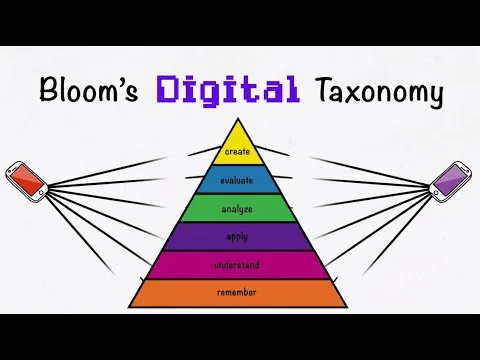
The lesson on Bloom’s Digital Taxonomy explores the evolution of Bloom’s original framework for categorizing cognitive skills, highlighting its adaptation to the digital age. It emphasizes the importance of integrating technology into education to enhance learning experiences, encouraging educators to utilize action-oriented verbs and digital tools that promote both lower-order and higher-order thinking skills. By aligning instructional design with Bloom’s Digital Taxonomy, educators can create engaging, technology-rich environments that foster critical thinking and creativity among students.
Understanding The Impact Of Digital Footprints
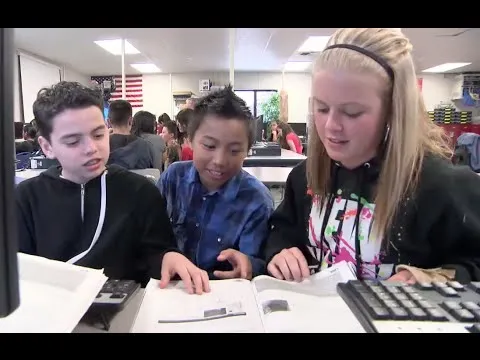
In this lesson, students learn about digital footprints, which are the traces left behind from online activities, and their potential long-term impact. Through an engaging activity led by Mr. Van Dijk, students analyze the online profiles of two candidates for a talent show, discussing the implications of their digital presence and the importance of managing it carefully. The lesson emphasizes the need to think critically about what is shared online, as digital footprints can have lasting effects on one’s reputation and future opportunities.
How Districts Support Schools
The lesson emphasizes the critical role districts play in supporting schools by providing educators with essential training, resources, and a collaborative environment. Key initiatives include professional development focused on digital citizenship, flexible training sessions to accommodate teachers’ schedules, and fostering a culture of continuous learning and collaboration among educators. This comprehensive support ultimately enhances teaching quality and prepares students for success in a technology-driven world.
Twitter Privacy Basics for Teachers
The lesson on “Twitter Privacy Basics for Educators” emphasizes the importance of understanding and managing privacy settings on Twitter to ensure online safety while connecting with other educators. Key features discussed include protecting tweets, managing location and tagging settings, controlling direct messages, and being mindful of data personalization options. Educators are encouraged to evaluate their privacy preferences and the implications of their online presence to maintain a secure and professional digital environment.
San Francisco Unified School District Digital Citizenship Day 2013
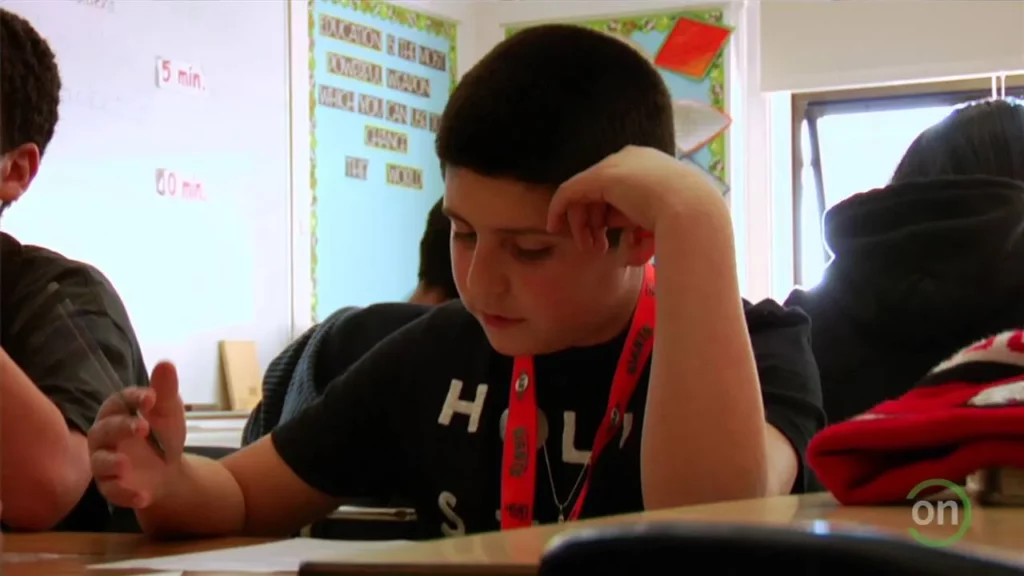
The San Francisco Unified School District’s Digital Citizenship Day 2013 focused on teaching students, like Andre Gonzalez from Aptos Middle School, how to navigate the internet safely and responsibly. With all 55,000 public school students participating in lessons from Common Sense Media’s digital literacy curriculum, the initiative emphasizes the importance of critical thinking, ethical technology use, and sharing knowledge with families to foster a safer online environment. This education not only prepares students for current challenges but also helps schools meet federal funding requirements for improved internet access.
Creating A Digital Life Simile

In this lesson, we explored the impact of media on our lives through the Common Sense Media curriculum, focusing on the concept of our digital lives. By keeping a weekly log of our technology interactions and creating metaphors to describe our experiences, we deepened our understanding of our digital habits. Using the tool Animoto, students expressed their creativity by crafting animated slideshows that personalized their reflections, leading to increased engagement and self-expression among all participants.
Teen Voices: Who You’re Talking to Online
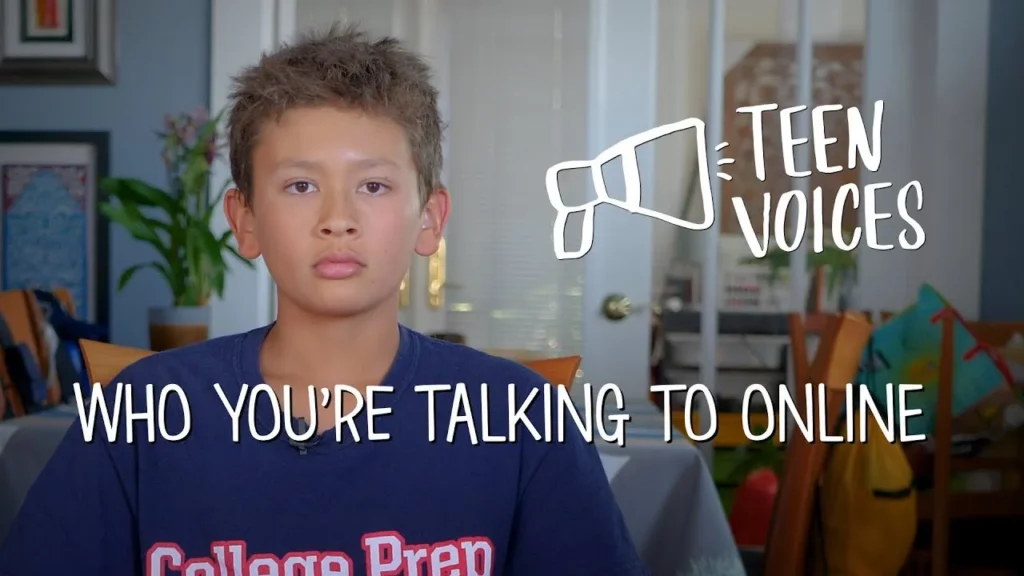
The lesson emphasizes the importance of being cautious when forming online friendships, as not everyone may be who they claim to be. While online interactions can foster meaningful connections and provide a sense of community, it’s crucial to prioritize safety by keeping personal information private. Ultimately, the lesson encourages enjoying online relationships while remaining vigilant about potential risks.