
Digital Bytes: Micro-Lingo
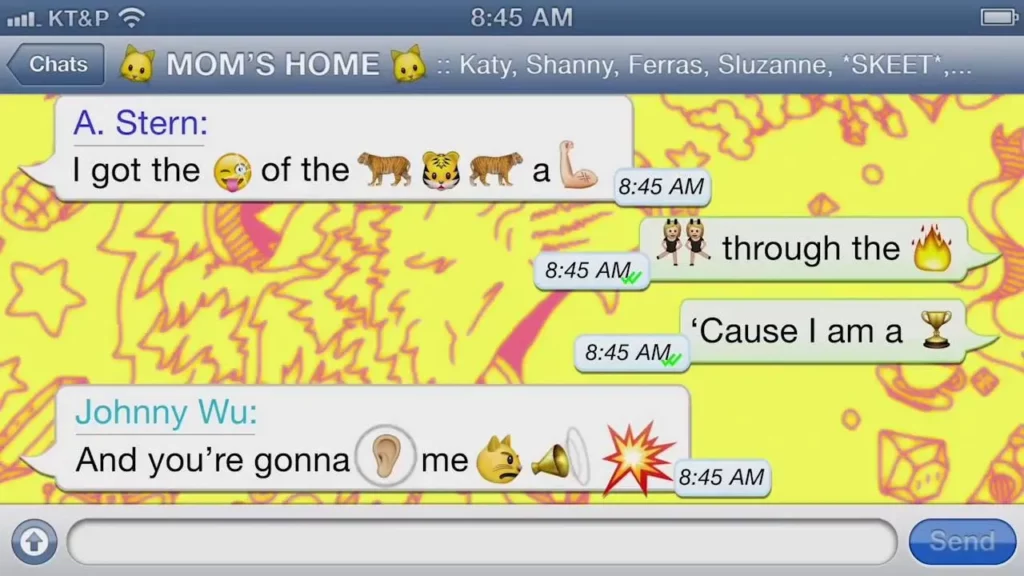
The lesson “Digital Bytes: Micro-Lingo” explores how texting is transforming the English language and communication styles, particularly among students who frequently use cell phones in school. It highlights the rise of shortened words, emoticons, and new texting terms, emphasizing their role in expressing emotions and creativity while also cautioning against neglecting proper spelling and punctuation in formal writing. Overall, the lesson suggests that while texting offers a fun and expressive way to connect, maintaining language standards is still important.
Graphite launch at ISTE 2013
The lesson highlights the introduction of Graphite, a new learning ratings system unveiled by Common Sense Media at the ISTE 2013 conference, aimed at helping educators find and share high-quality digital resources for K-12 classrooms. By fostering collaboration among teachers and providing reliable tools, Graphite seeks to enhance teaching methods and empower educators to better meet the diverse needs of their students. The initiative emphasizes the importance of community and knowledge exchange in maximizing the impact of educational technology.
Meet the Digital Citizens: Guts
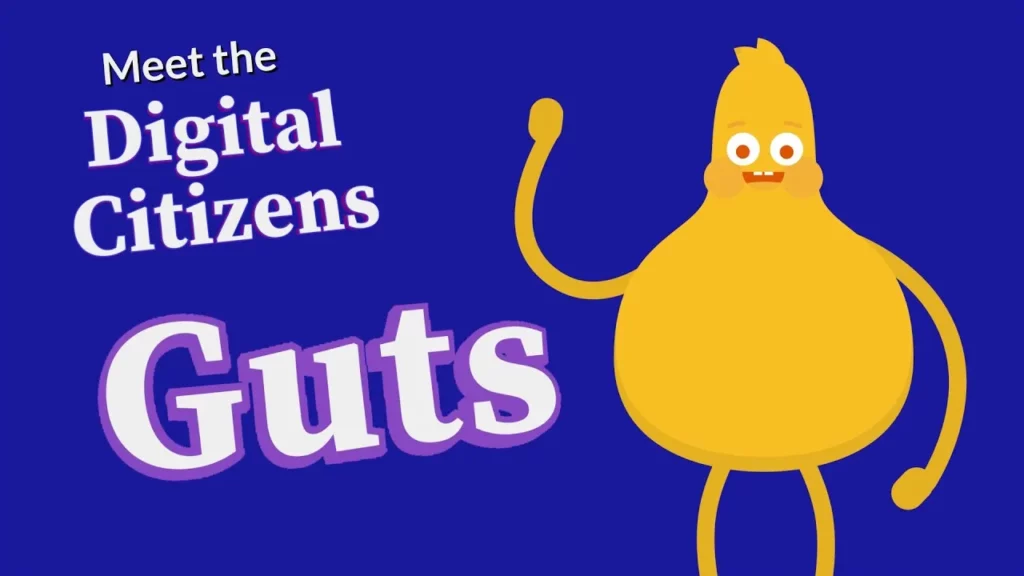
In the lesson “Meet the Digital Citizens: Guts,” Guts shares essential safety tips for both real-world and online environments. He emphasizes the importance of asking for permission from guardians, only interacting with trusted individuals, and sticking to familiar routes or trusted websites. Guts also encourages listeners to trust their instincts and seek help if something feels off, reinforcing the idea that safety is a priority in all situations.
Expert Interview: Henry Jenkins

In the interview with Henry Jenkins, the lesson emphasizes the importance of parental involvement in the digital age, advocating for a shift from mere monitoring to understanding the digital environments their children navigate. By engaging with their children’s interests, such as video games and social networking, parents can foster meaningful conversations and connections, ultimately strengthening their relationships and enhancing their understanding of each other’s experiences. Embracing technology as an opportunity rather than a threat allows for deeper engagement and support in children’s lives.
How to Model a Risk Taking Mindset
The lesson emphasizes the importance of modeling a risk-taking mindset in education, particularly when integrating technology into the classroom. Educators should embrace uncertainty and demonstrate that making mistakes is a natural part of the learning process, thereby encouraging students to take ownership of their learning journey. By fostering an environment that values exploration and autonomy, students develop confidence and resilience, essential skills for navigating the complexities of the modern world.
Pause & Think Online
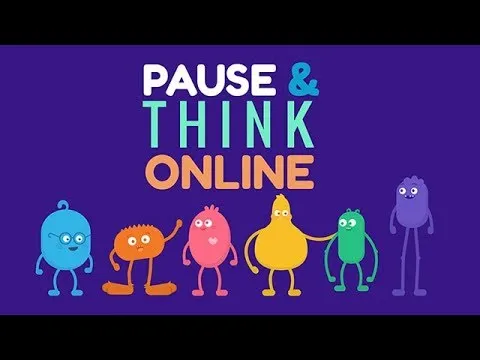
The “Pause & Think Online” lesson emphasizes the importance of being mindful and safe while using the internet. It encourages users to take breaks, trust their instincts, stand up against bullying, be aware of their online footprints, and treat others with kindness and respect. By incorporating these practices, individuals can navigate the online world more safely and positively.
6 Ways to Help Your Kids Stop Multitasking During Homework
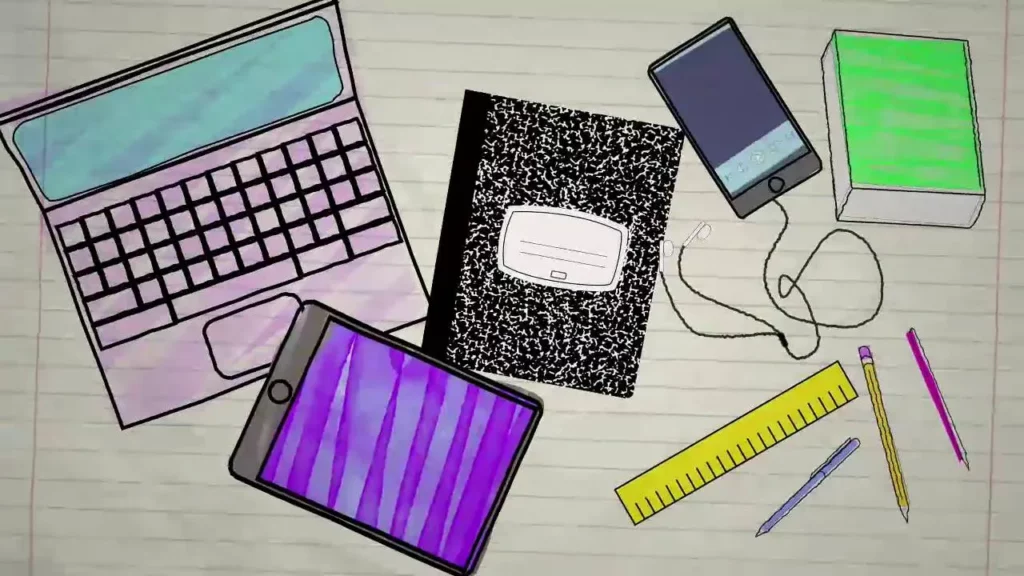
The lesson provides six practical tips to enhance focus during homework, emphasizing the importance of a distraction-free environment, a structured study schedule, and mindful use of technology. By creating a dedicated workspace, managing online distractions, and practicing single-tasking, students can improve their concentration and efficiency. Additionally, observing adults who focus on one task at a time can serve as motivation for developing better study habits.
Wide Open School Walkthrough
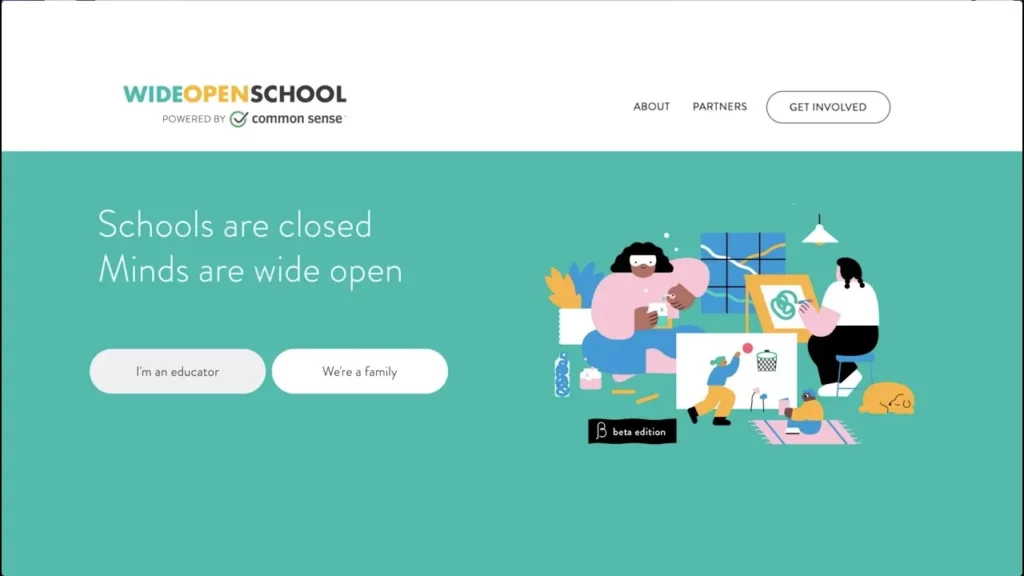
Wide Open School is a free online platform designed to assist families and educators in navigating distance learning, particularly during the COVID-19 pandemic. It offers a variety of high-quality resources, including lessons, activities, and daily schedules tailored to different grade levels, ensuring that children remain engaged and supported in their learning. The platform also emphasizes inclusivity by providing resources for special needs students, making it a comprehensive tool for effective remote education.
How to Set Up Your Digital Classroom for Success
The lesson emphasizes the importance of organizing your digital classroom to enhance student learning and engagement. It suggests creating a designated space for storing and charging devices, establishing clear routines for their usage, and implementing a consistent digital workflow for managing assignments and communications. By following these steps, teachers can ensure a smooth integration of technology into their classroom environment.
Get Started with Flipped Learning
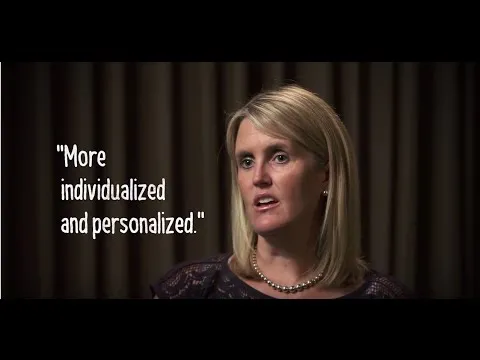
Flipped learning is an innovative teaching approach that allows students to learn at their own pace by watching instructional videos at home or in class, rather than receiving the same lesson simultaneously in a traditional setting. This method fosters a more personalized and engaging learning experience, enabling teachers to provide targeted support during class time. While challenges such as ensuring video engagement and accessibility exist, the benefits of flipped learning include increased student-teacher interaction and a deeper understanding of individual student needs.