
Digital Bytes: The Power of Likes
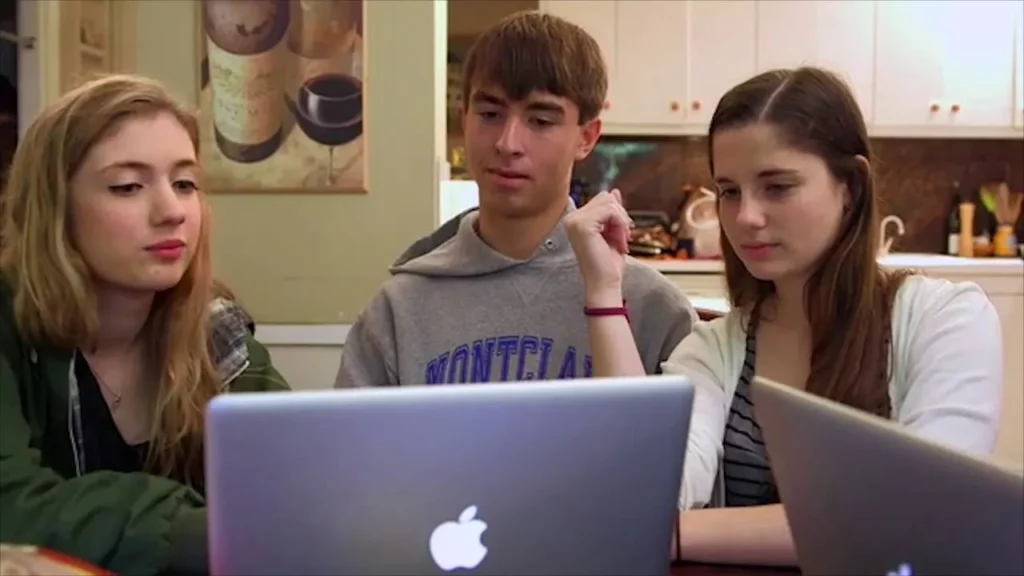
The lesson “Digital Bytes: The Power of Likes” explores how user engagement on social media has transformed into a significant revenue-generating tool for companies, with consumers inadvertently becoming marketers through their online interactions. It highlights the ethical concerns surrounding the collection and use of personal data, exemplified by Facebook’s controversial experiments and privacy policy changes, while emphasizing that individuals essentially act as their own media companies by generating valuable demographic profiles through their online activities. Ultimately, the lesson encourages users to recognize the impact of their engagement and make informed decisions about their online presence.
ClassHook: A YouTube for Teachers?
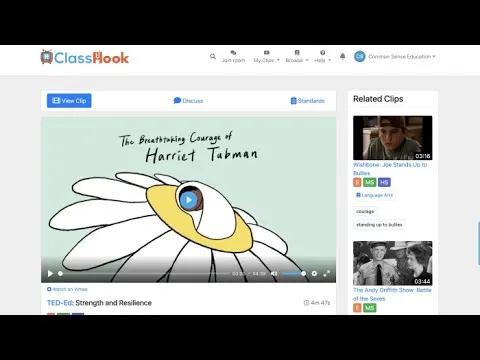
ClassHook is an innovative platform designed for teachers, functioning like a curated YouTube specifically for educational video clips suitable for students from kindergarten to high school. It allows educators to search for and organize videos by subject, create playlists, and incorporate interactive questions, enhancing classroom engagement and making lessons more dynamic. With features like profanity skipping and a vast library of around 4,000 clips, ClassHook is a valuable resource for making learning enjoyable and effective.
Help Your Students Fact-Check the Web Like Professionals
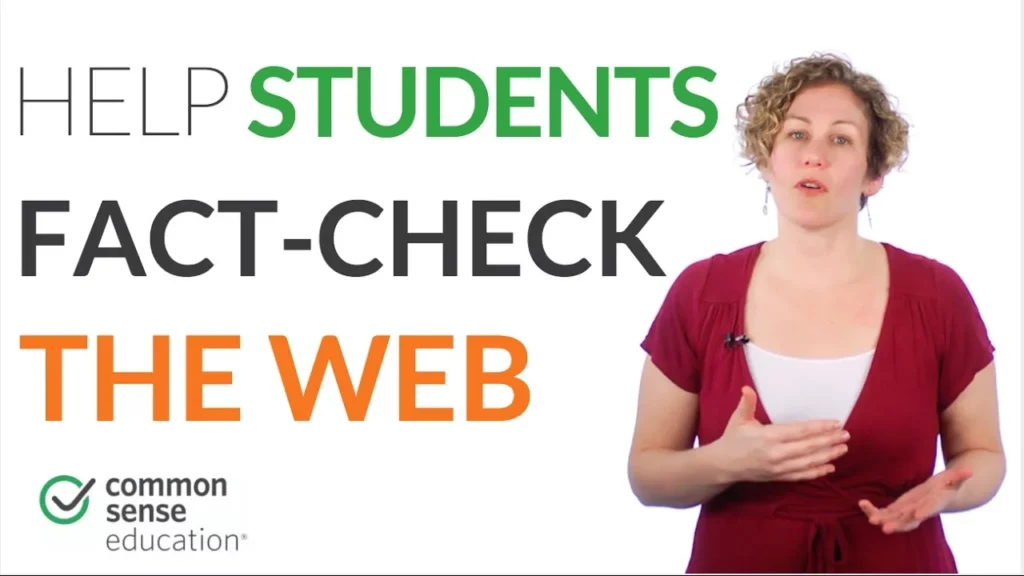
The lesson emphasizes the importance of teaching students how to effectively fact-check information found online. It encourages them to “read around the page” to assess the credibility of sources, open new tabs for further investigation, and ask critical questions about the information they encounter. By adopting these strategies, students can enhance their research skills and become more discerning consumers of online content.
Spice up Your HS Science Curriculum With the National Center for Case Study Teaching in Science
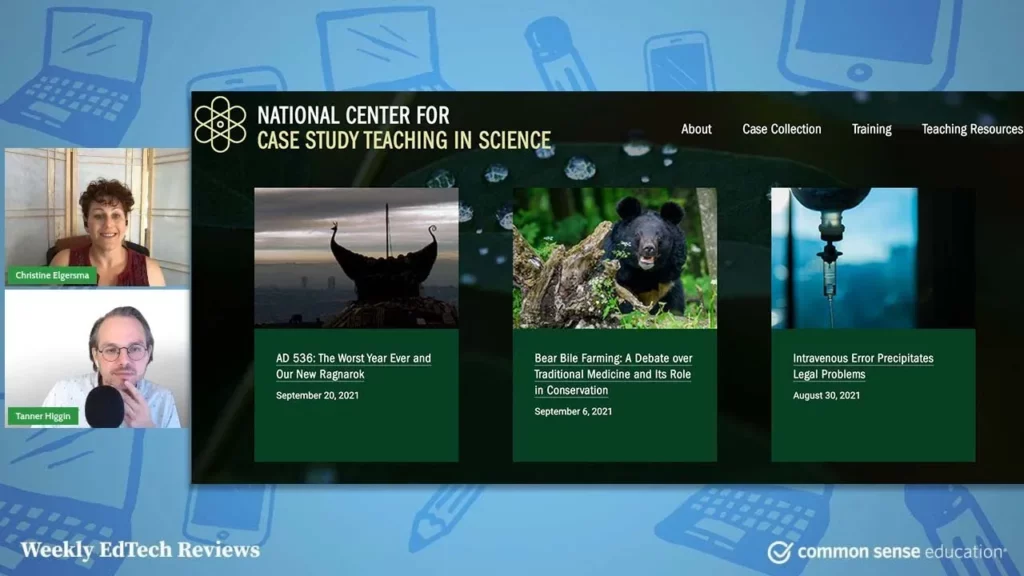
The lesson introduces the National Center for Case Study Teaching in Science, a valuable resource for educators seeking to enhance their science curriculum with real-world case studies across various scientific disciplines. It highlights the platform’s diverse topics, engaging teaching formats, and potential for cross-curricular connections, emphasizing its ability to foster student engagement and critical thinking. Educators are encouraged to explore this resource to enrich their teaching and inspire their students.
Digital Bytes: Gender and the Media

The lesson “Digital Bytes: Gender and the Media” highlights how media representations often reinforce harmful stereotypes about boys and girls, with boys portrayed as tough and girls valued primarily for their looks. It emphasizes the importance of challenging these norms and supporting one another by valuing emotions and strengths beyond appearances, ultimately advocating for a more inclusive environment where individuals are appreciated for their true selves. By recognizing and rejecting limiting media messages, we can foster a culture that values authenticity and emotional expression for all genders.
Rock by Rock: A Project-Based Learning Approach to Elementary STEM
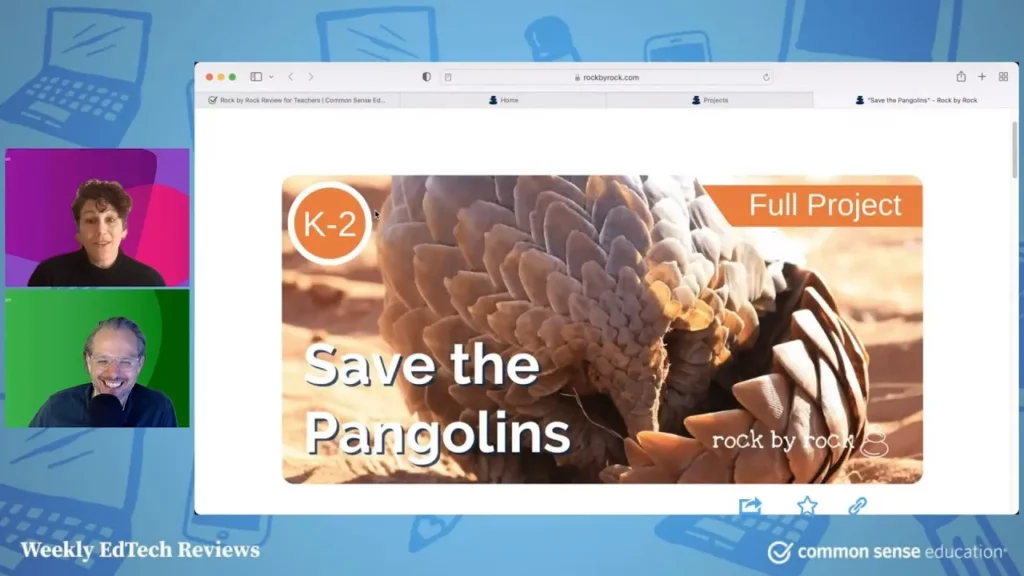
The “Rock by Rock” program offers an engaging and hands-on approach to learning science, allowing kids to explore various topics through fun projects and activities. With easy-to-use kits, students can build, create, and discover important concepts about the world, from dinosaurs to environmental conservation. This exciting program encourages active participation and exploration, making science both enjoyable and educational.
Free, Time-saving Ways to Find the Best Digital Tools
In this lesson, we explored effective strategies for educators to find the best digital tools for education amidst the overwhelming number of options available. Key insights included the importance of peer recommendations, the value of utilizing social media and newsletters for updates, and the benefits of trusting educator-driven reviews, particularly through platforms like Graphite, which curates and simplifies the search for quality educational resources. Ultimately, the session emphasized that while navigating the digital landscape can be challenging, there are time-saving methods to discover valuable tools tailored to educational needs.
Selecting Quality Content for Your Family
In this lesson, Tali and Jamie from Common Sense discuss the importance of selecting high-quality media for families, emphasizing the different types of media—passive, interactive, and creative—and their impact on children’s learning and development. They provide guidance on choosing age-appropriate content that aligns with children’s interests and educational value, while also highlighting resources like Common Sense Media for finding and reviewing quality content.
EdTech Showdown: Book Creator vs. Shadow Puppet EDU
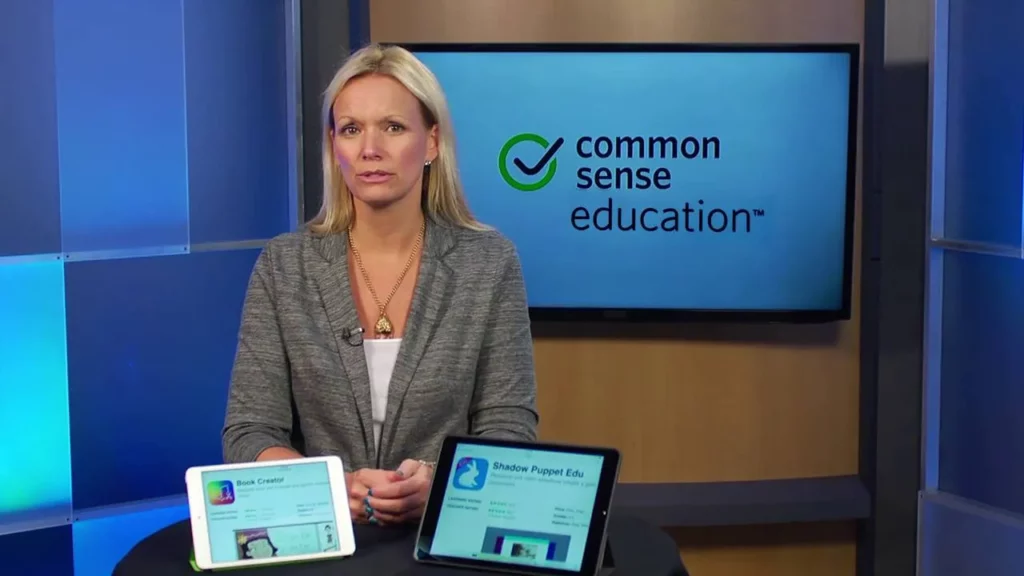
In this lesson, Darri Stephens from Common Sense introduces two engaging educational tools, Book Creator and Shadow Puppet Edu, that empower kids to showcase their knowledge through creative projects. Book Creator allows students to design their own eBooks with text, images, and audio, while Shadow Puppet Edu focuses on creating video slideshows using multimedia resources. Each tool has unique strengths, making them suitable for different types of projects, and both are user-friendly for young creators.
What are the 4Cs?
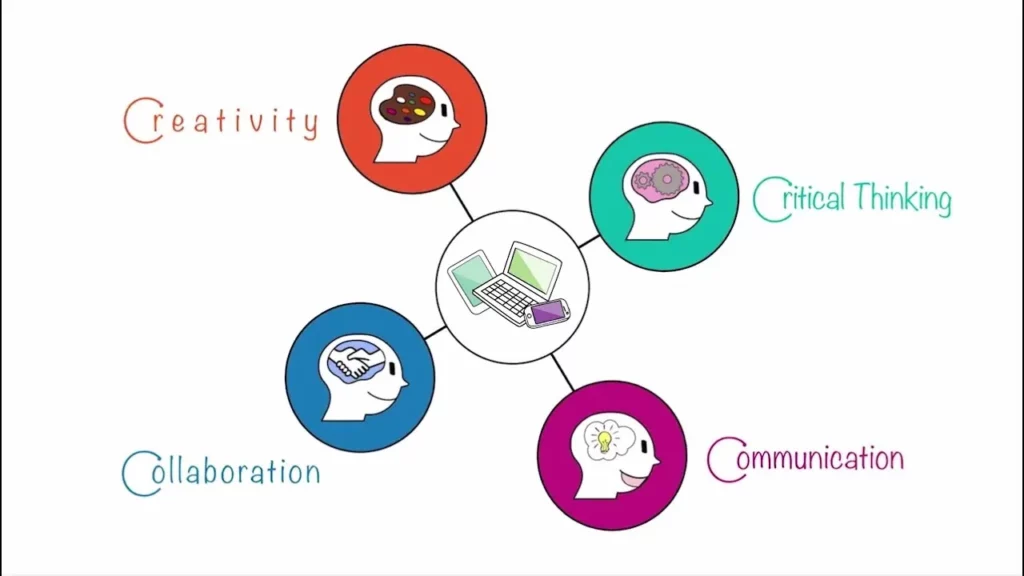
The lesson on the 4Cs of 21st-Century Learning emphasizes the importance of Critical Thinking, Communication, Collaboration, and Creativity as essential skills for modern education. Introduced by the Partnership for 21st Century Skills, this framework highlights how these competencies can be integrated into teaching practices, enhanced by technology, and applied in real-world contexts to prepare students for future challenges. By fostering these skills, educators can create dynamic learning environments that promote higher-order thinking and effective problem-solving.