
Social Media for Good: An Interview with Wear Orange Co-Founder

The lesson highlights the transformative power of social media in driving positive change, as exemplified by the Wear Orange movement, which emerged in response to gun violence following the tragic death of Hadiya Pendleton. Through strategic use of engaging content, consistent messaging, community building, and collaborations, the movement successfully raised awareness and mobilized action against gun violence, demonstrating that effective social media campaigns can significantly impact social issues. Ultimately, the Wear Orange initiative illustrates the importance of authenticity and community engagement in leveraging digital platforms for social good.
Sanford Harmony Game Room: An App for Classroom Ice Breakers, Games, and Discussions
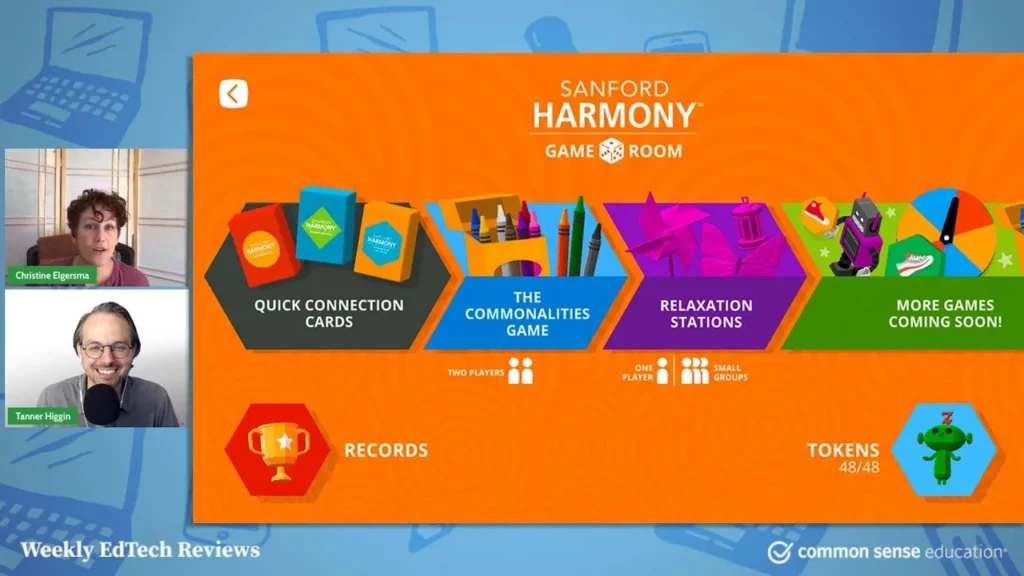
The Sanford Harmony Game Room is a free app designed to enhance classroom activities by fostering connections and communication among students through fun games and interactive features. Key highlights include connection cards for icebreaker discussions, the “Battle the Bully Bot” game for teaching social-emotional learning strategies, and the “Relaxation Station” for practicing effective communication skills. This user-friendly app is perfect for teachers looking to create an engaging and inclusive classroom environment.
The Mood Meter App Can Fuel Emotional Reflection and Growth
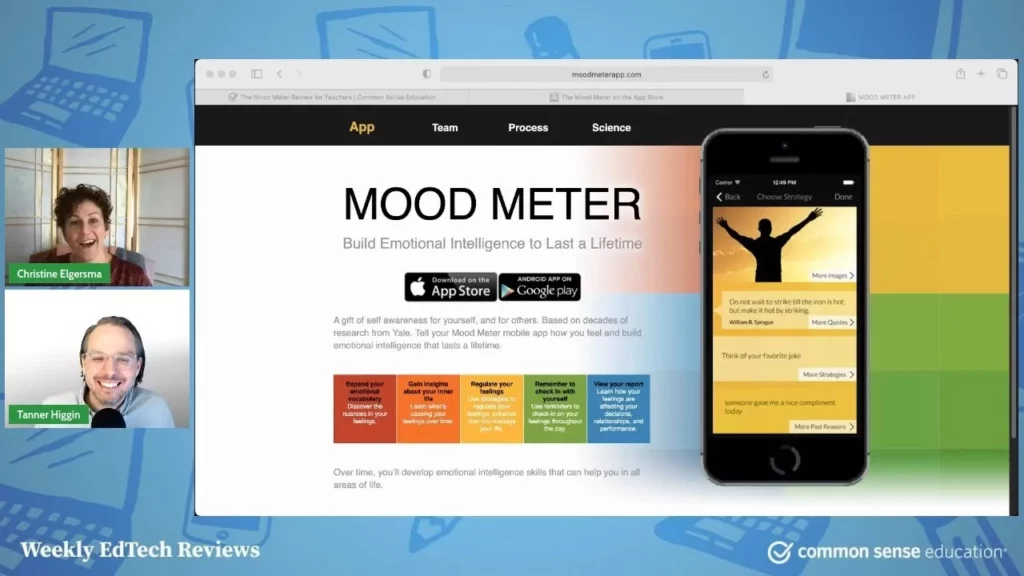
The Mood Meter app is a valuable tool for understanding and managing emotions, allowing users to identify their feelings and reflect on the reasons behind them. By tracking moods over time, individuals can recognize patterns and work towards emotional growth, making it useful in both personal and educational settings. The app promotes honest emotional expression and supports social-emotional learning, encouraging users to accept and understand their feelings, especially during challenging times.
Tips for Great Group Work in the Classroom
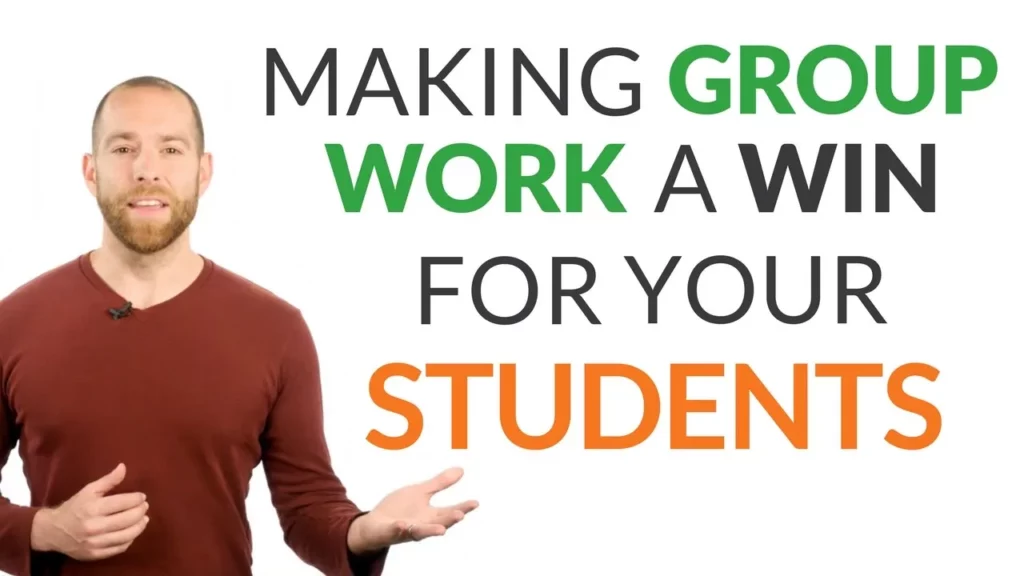
The lesson emphasizes the importance of effective group work in the classroom by suggesting strategies to enhance collaboration and learning. By assigning specific roles that promote shared responsibility and incorporating self-assessment, students can feel more engaged and accountable for their contributions. Additionally, careful planning and the use of online tools can help streamline tasks and foster a sense of ownership among all group members.
Teen Voices: Dealing With Digital Drama
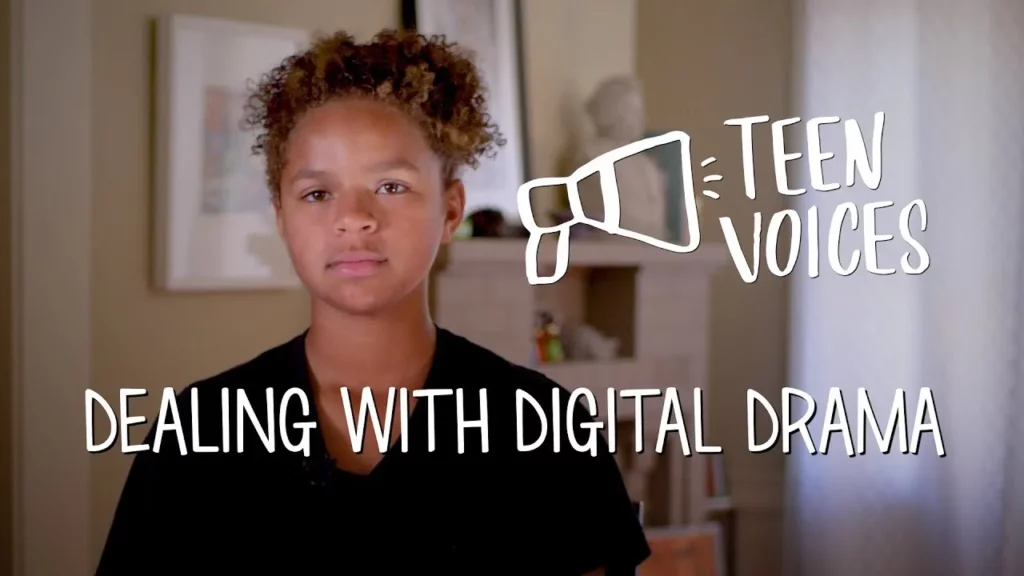
The lesson “Teen Voices: Dealing With Digital Drama” emphasizes the challenges of online communication, particularly how anonymity can lead to misunderstandings and escalate conflicts. It highlights the importance of stepping away from social media during stressful situations and encourages face-to-face conversations for clearer communication. Ultimately, managing digital drama involves recognizing the impact of our words and choosing to disengage from negativity online.
Why Encouraging Active Viewing is Important
The lesson emphasizes the importance of encouraging active viewing to enhance learning outcomes, as passive video consumption can lead to disengagement. Strategies such as activating prior knowledge and providing context are essential for maintaining focus and comprehension, allowing learners to connect new information with their existing knowledge. By fostering an interactive learning environment, educators can maximize the educational value of video content and ensure a more enriching experience for students.
What’s Cyberbullying?
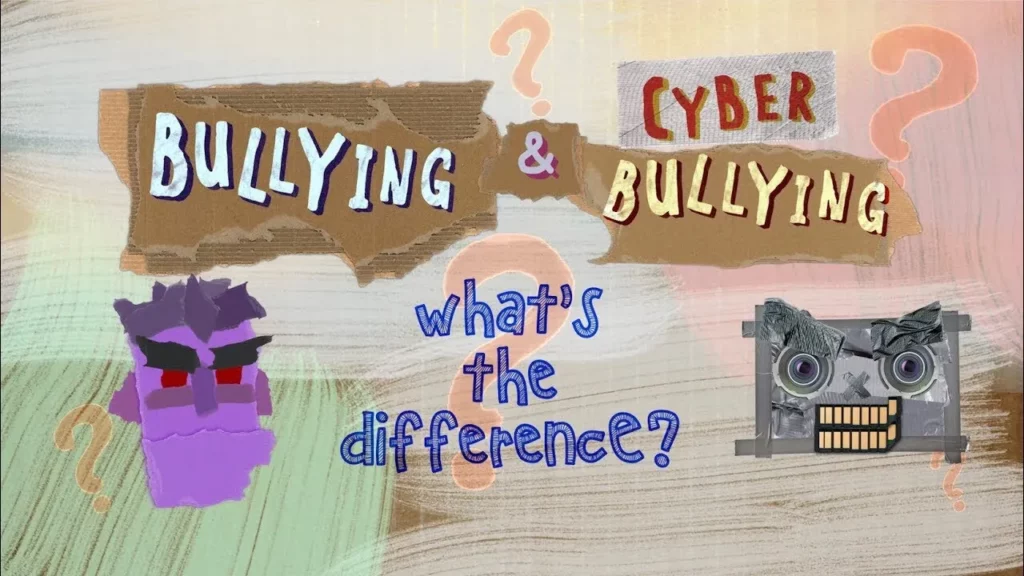
The lesson on cyberbullying explains the difference between unkind behavior and bullying, emphasizing that bullying involves repeated harm or distress caused by one person to another. Cyberbullying, a form of bullying that occurs online, can be particularly challenging to address due to the anonymity it provides and the potential for wider visibility. The lesson encourages individuals to support those being bullied, stand up against bullies, and report incidents to trusted adults, while also providing tips for maintaining online safety and promoting kindness in digital interactions.
How to Apply the SAMR Model with Ruben Puentedura
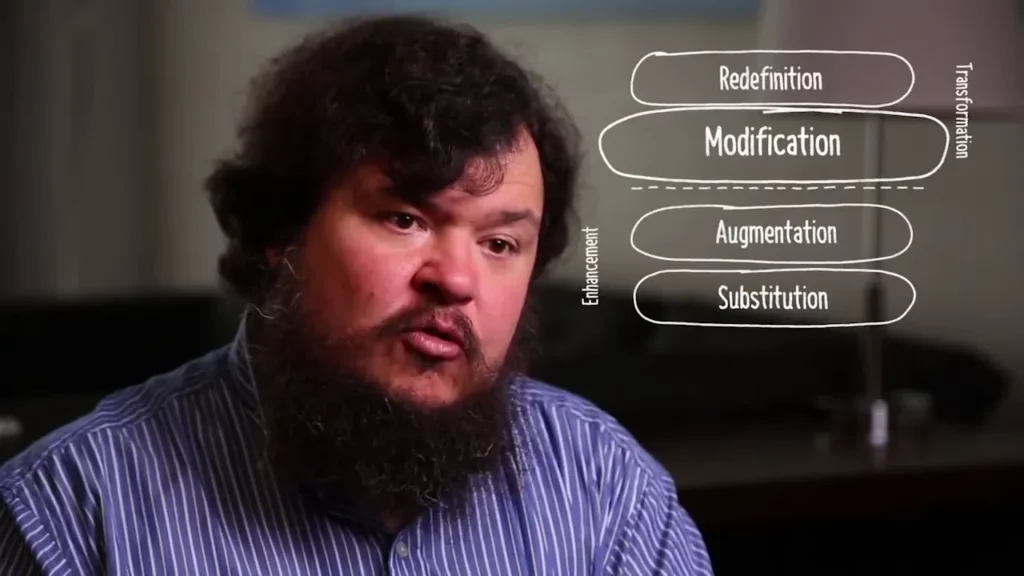
The lesson on the SAMR Model, developed by Ruben Puentedura, emphasizes the importance of integrating technology into teaching practices to enhance educational experiences. The model consists of four levels—Substitution, Augmentation, Modification, and Redefinition—allowing educators to progressively evolve their methods. By effectively utilizing technology, teachers can create transformative learning experiences that foster student engagement and ownership of their education, ultimately leading to a more dynamic and enjoyable classroom environment.
Ricardo’s Story: Making Fun Of Others Online
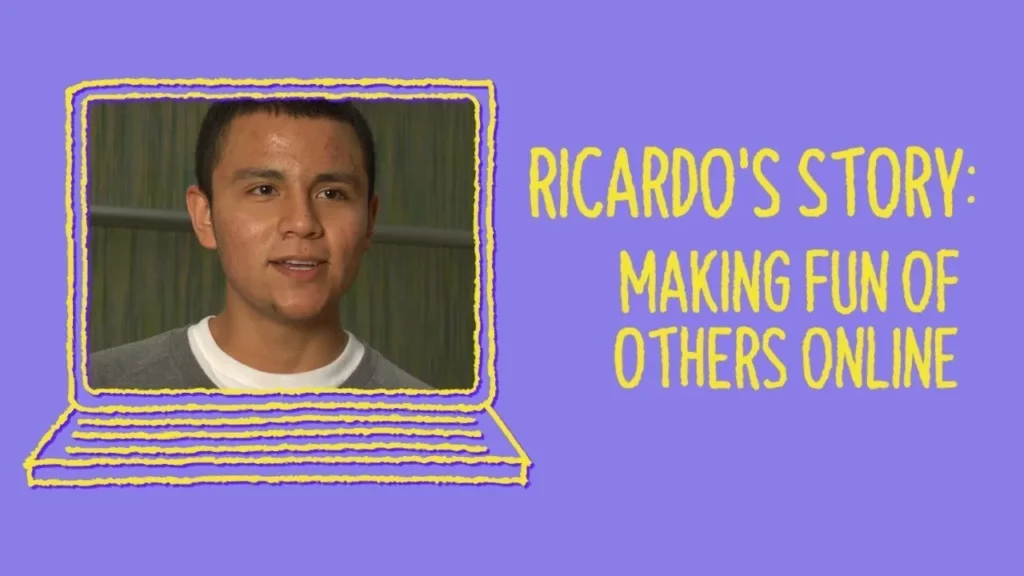
The lesson highlights the importance of kindness and empathy in online interactions, particularly on social media. It illustrates how negative comments can deeply affect individuals, as seen in the story of a girl who faced criticism for sharing a photo of her traditional dress. Ultimately, the lesson encourages everyone to be mindful of their words and to foster a supportive online environment where everyone feels respected and valued.
How to Empower Students with Technology
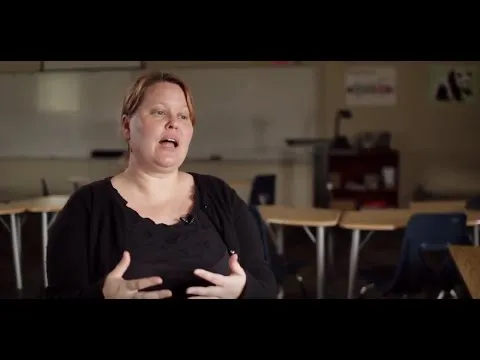
The lesson emphasizes the importance of empowering students with technology by leveraging their unique skills and knowledge in the classroom. By fostering a collaborative learning environment where both teachers and students share expertise, educators can enhance the learning experience and create a community of lifelong learners. This approach not only enriches classroom dynamics but also supports teachers in adapting to the rapidly changing digital landscape.