
Taking a Mortar to the leg, this Marine kept fighting
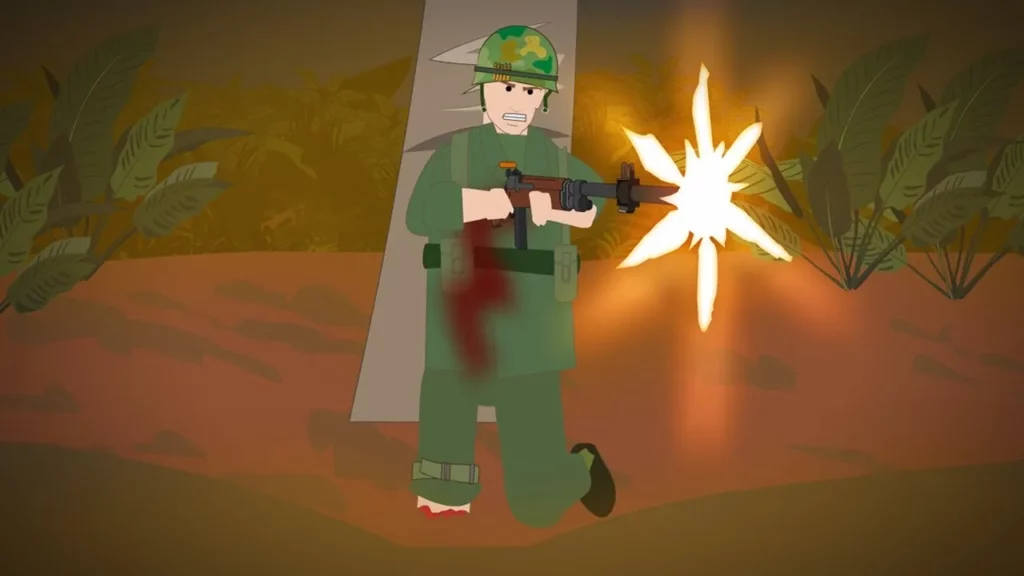
The lesson recounts the heroic story of Marine John P. Bobo, who demonstrated extraordinary bravery during the Vietnam War. Despite suffering a severe leg injury from a mortar shell, Bobo refused to abandon his men, using his own belt as a tourniquet while continuing to lead and protect his platoon until he was mortally wounded. His actions earned him the Medal of Honor and solidified his legacy as a symbol of courage and dedication in the Marine Corps.
The Mystery of Yamashita’s Gold
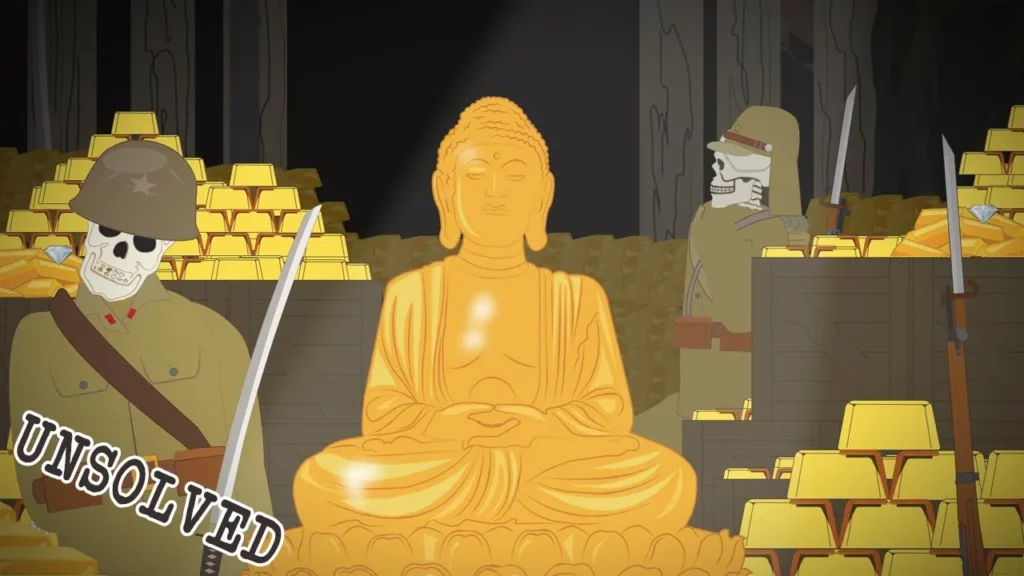
The lesson explores the captivating legend of Yamashita’s Gold, a treasure believed to have been amassed by Japanese forces during World War II and hidden across the Philippines. It details General Tomoyuki Yamashita’s role in collecting and concealing the valuables, the subsequent destruction in Manila, and the later attempts by treasure hunter Rogelio Roxas to uncover the lost riches. Despite various claims and efforts, the fate of Yamashita’s Gold remains a tantalizing mystery that continues to intrigue treasure seekers and historians.
The Pilot who strapped Bazookas to his Plane (World War II)
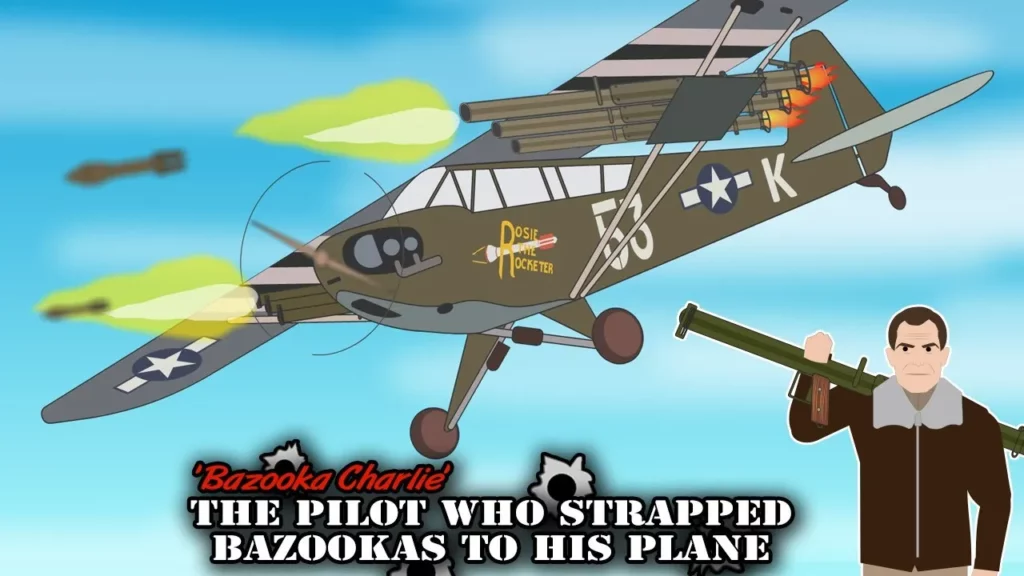
The lesson recounts the remarkable story of Major Charles Carpenter, also known as “Bazooka Charlie,” who creatively adapted his small observation plane, the L4 Grasshopper, for combat during World War II by strapping bazookas to it. Initially a history teacher, Carpenter’s desire for action led him to develop innovative tactics that resulted in significant success against German armored vehicles, earning him multiple military honors. After the war, he returned to teaching despite battling illness, and his legacy was honored with the restoration of his aircraft, “Rosie the Rocketer,” decades later.
The Youngest V.S. Oldest soldier of WW2
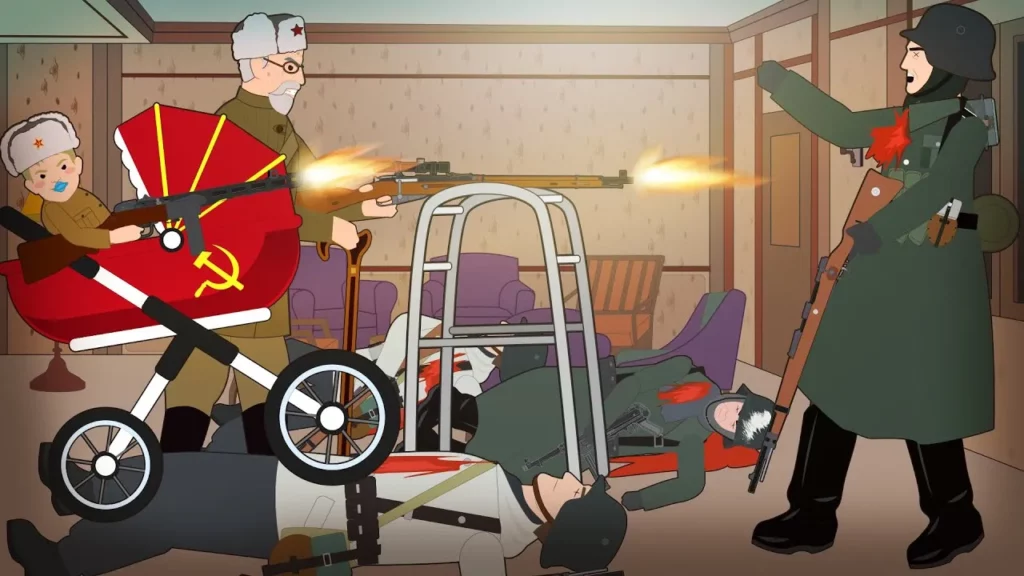
The lesson highlights the contrasting stories of Sergey Sariosha Aleshkov, the youngest soldier of World War II at just six years old, and Nikolai Morosev, the oldest soldier who volunteered at the age of 87. Sergey’s journey began in a war-torn village where he became a mascot for a regiment, contributing to the war effort despite his youth, while Nikolai, a seasoned revolutionary, served as a skilled sniper before returning to scientific research. Both individuals exemplify the diverse experiences and sacrifices made during the war, showcasing bravery across generations.
The President that Kept Reading a Speech after being Shot
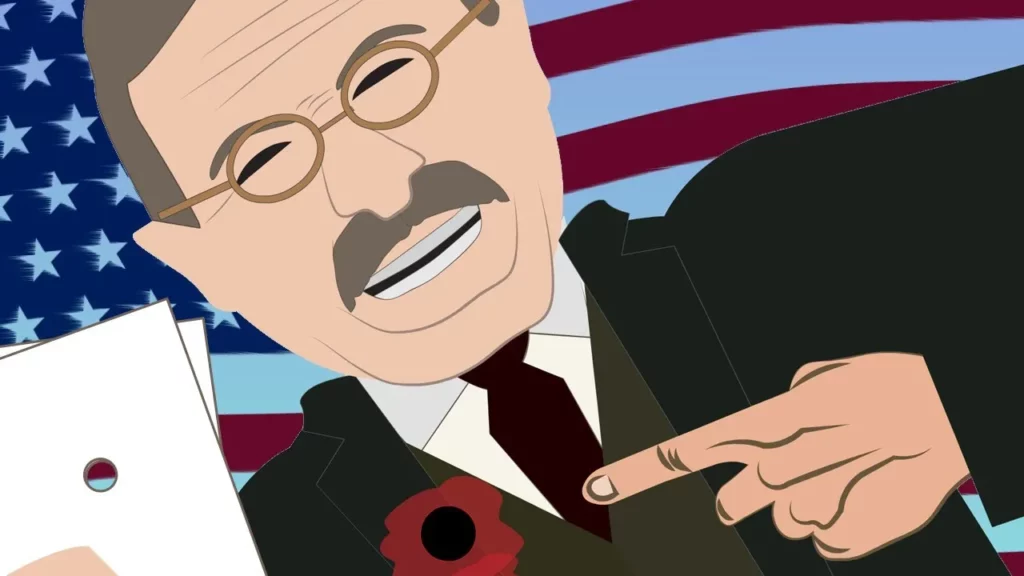
The lesson highlights the remarkable story of Teddy Roosevelt, the 26th president of the United States, who demonstrated extraordinary bravery by continuing to deliver a speech for 84 minutes after being shot by an assassin in 1912. Despite the injury, which left a bullet lodged in his chest for life, Roosevelt’s adventurous spirit and determination remained intact, inspiring many throughout his life. The lesson emphasizes his resilience and commitment to his duties, showcasing a unique moment in American history.
What Killed more People than WWI in 1918?
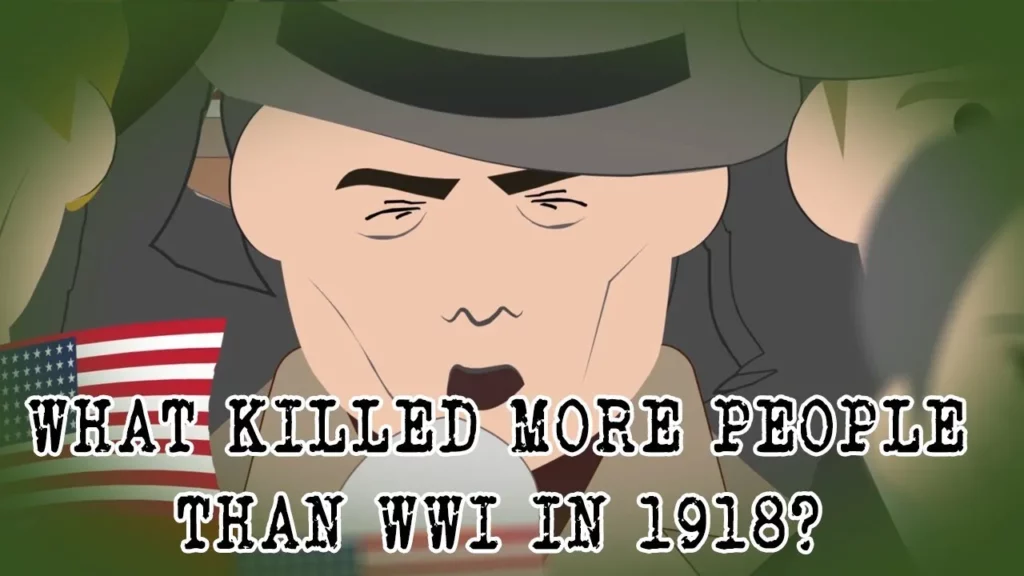
The lesson discusses the Spanish flu pandemic of 1918-1920, which resulted in a staggering death toll of 50 to 100 million people, surpassing the casualties of World War I and II combined. It highlights the pandemic’s three deadly waves, the severe symptoms experienced by victims, and the disproportionate impact on healthy young adults. Additionally, the lesson clarifies the misnomer “Spanish flu,” explaining that the outbreak did not originate in Spain and examines the pandemic’s aftermath, including its effects on public health and society.
EOD Blast Suit (Juggernaut)
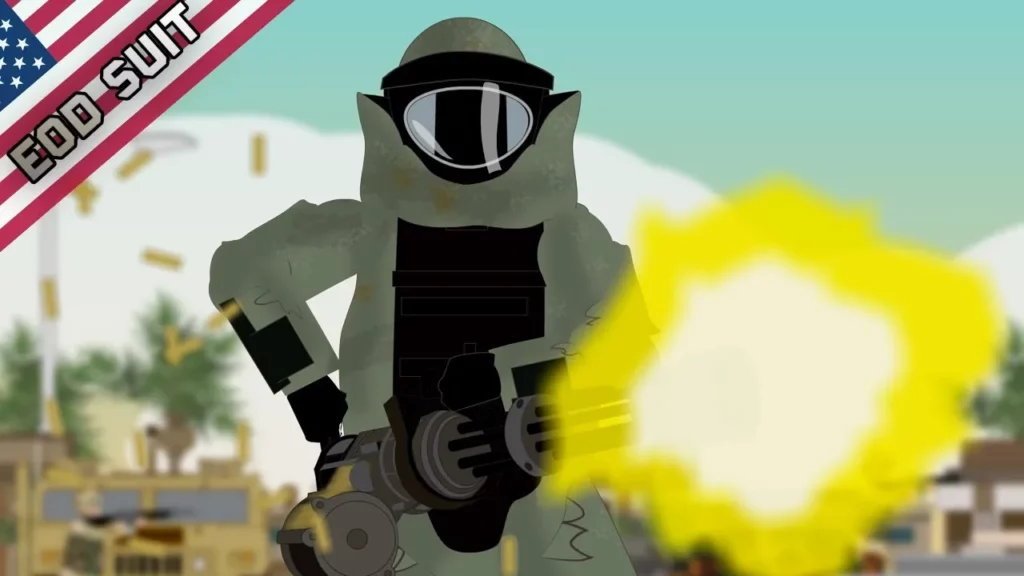
The lesson highlights the critical role of Explosive Ordnance Disposal (EOD) technicians, who are tasked with locating and neutralizing explosive devices, a mission that has evolved since its origins in World War II. It emphasizes the importance of the EOD suit, designed to protect technicians from blasts and chemical agents, while also addressing the challenges of weight and mobility that can impact their effectiveness in high-pressure situations. As technology progresses, the design of these suits continues to improve, aiming to enhance both safety and operational efficiency for those in this perilous profession.
Pilot Sucked out of an Airplane Mid-Flight | British Airways Flight 5390
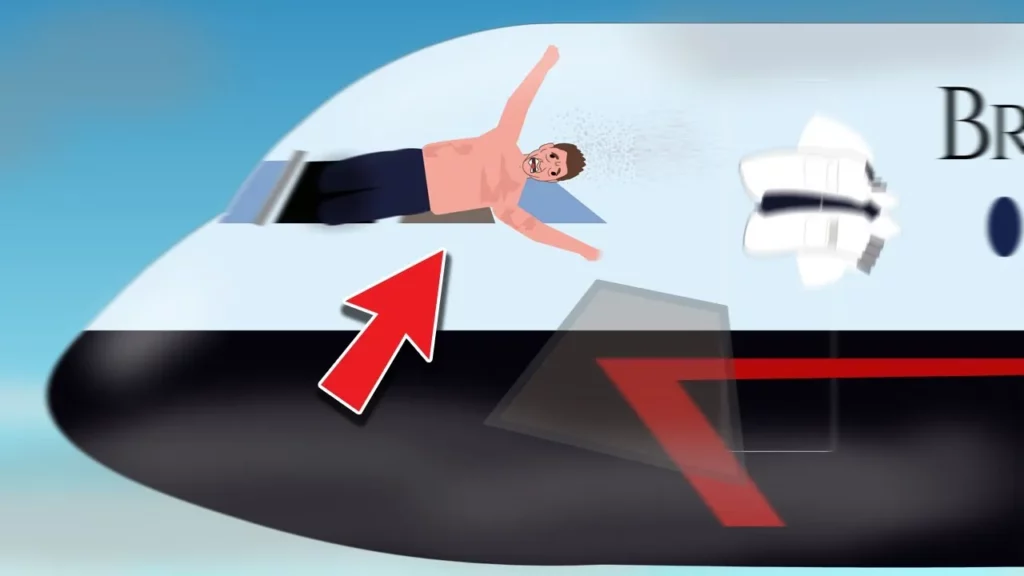
The lesson recounts the harrowing incident of British Airways Flight 5390 on June 10, 1990, when Captain Tim Lancaster was partially sucked out of the cockpit after a window blew out shortly after takeoff. Quick actions by First Officer Alastair Atchison and flight attendant Nigel Ogden were crucial in stabilizing the aircraft and ensuring a safe emergency landing, despite the chaos that ensued. The event underscored the critical need for rigorous maintenance checks in aviation and highlighted the bravery and professionalism of the flight crew in averting a potential disaster.
The Pilot who shot down a Plane with a Pistol while Parachuting
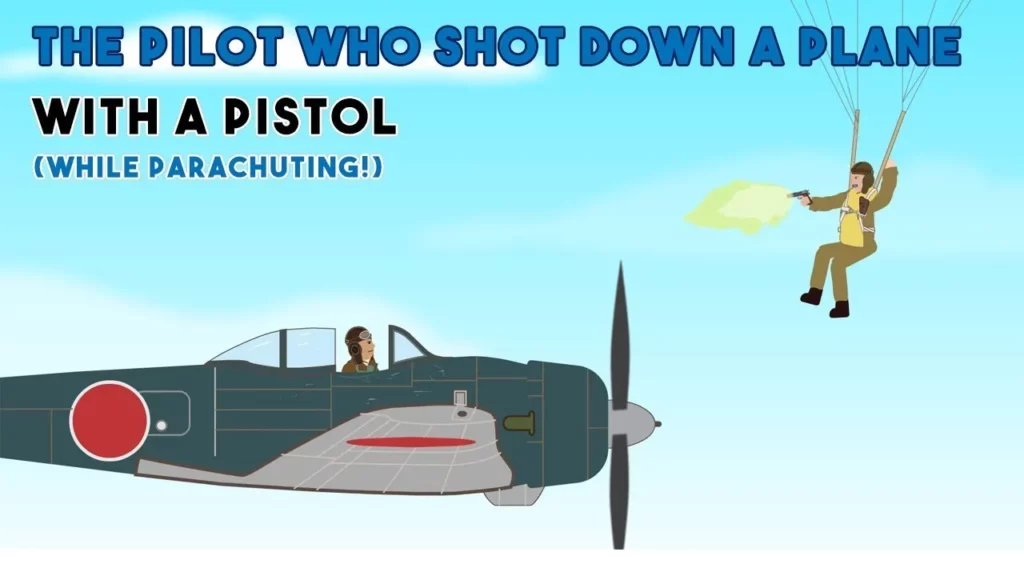
The lesson recounts the extraordinary story of Second Lieutenant Owen J. Baggett, who, after parachuting from a burning B-24 bomber during a 1943 mission, allegedly shot down a Japanese fighter plane with his pistol while descending. Despite the lack of official records or witnesses to confirm Baggett’s account, a Japanese officer later reported that a Ki-43 had crashed that day, leading to speculation about the authenticity of Baggett’s claim. The narrative raises questions about the nature of wartime legends and the possibility of friendly fire, leaving the true events of that day shrouded in mystery.
The German Officer who Died Saving the Enemy (WWII)
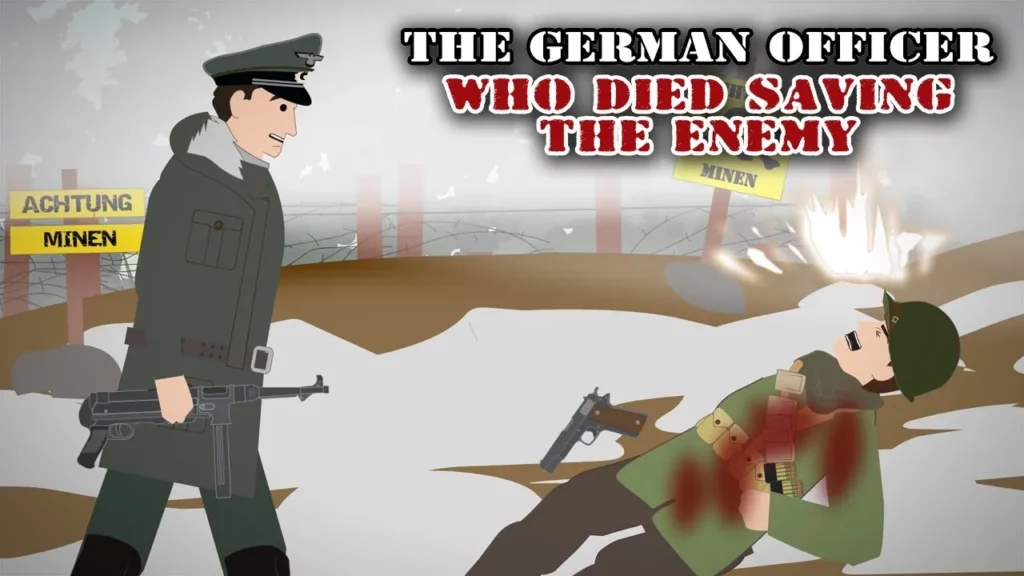
The lesson recounts the heroic act of Lieutenant Friedrich Langfeld, a German officer during World War II, who sacrificed his life to save an American soldier wounded in a minefield during the Battle of Hurtgen Forest. Despite the intense conflict between their forces, Langfeld’s selfless decision to attempt a rescue exemplifies the humanity and compassion that can emerge even in the darkest times of war. His legacy is honored by a monument erected by American veterans, emphasizing the profound love and bravery inherent in his actions.