
Why Are Military Balloons So Feared Today?
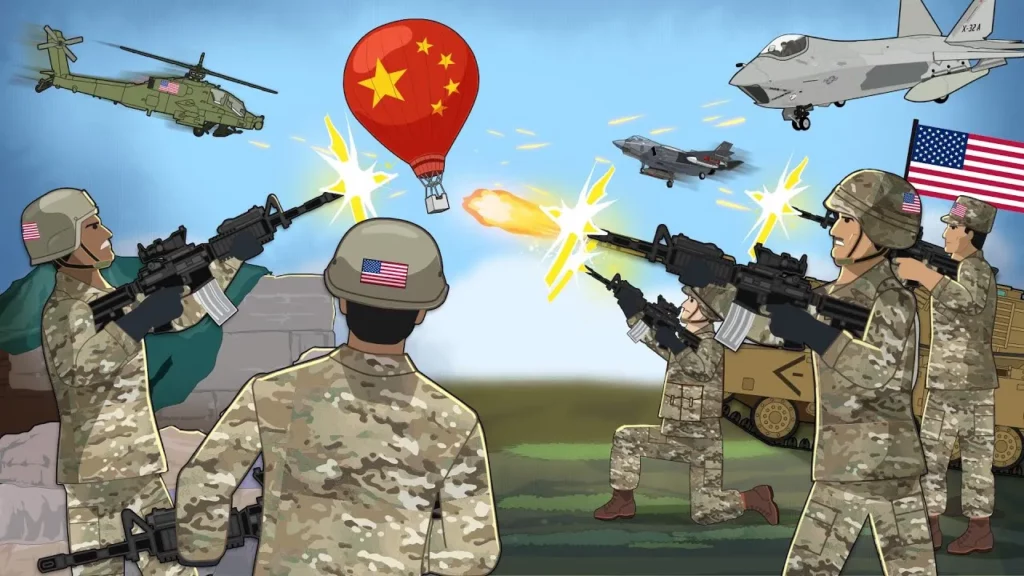
The lesson explores the historical significance and evolution of military balloons, tracing their origins from ancient China to their modern applications in warfare. Key events, such as the recent incident involving a Chinese balloon in U.S. airspace, underscore the ongoing relevance and strategic importance of balloons in military operations, including reconnaissance and surveillance. Despite fluctuations in their popularity, military balloons have consistently adapted to technological advancements, maintaining their role as valuable assets on the battlefield.
How to Survive the Vietnam War
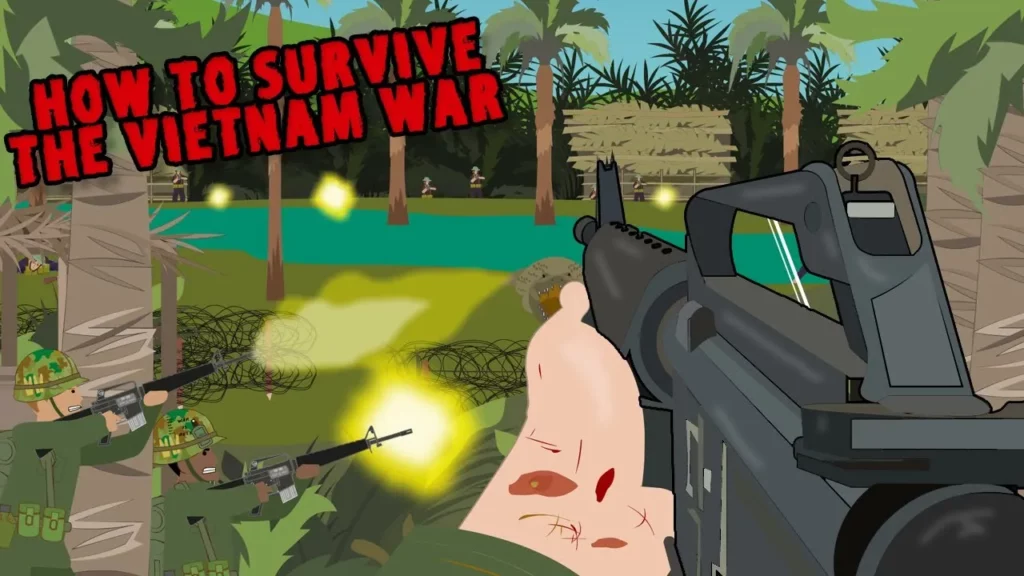
The lesson on surviving the Vietnam War highlights the multifaceted challenges faced by soldiers during this tumultuous period, emphasizing the importance of strategy, awareness, and adaptability. Key survival tips include avoiding deployment through deferments, choosing branches of service wisely, staying vigilant against enemy tactics and natural threats, and managing personal challenges such as substance abuse. Ultimately, the lesson underscores that survival in the Vietnam War required not only military skills but also resilience in navigating both combat and personal struggles.
Sniper Decoys: Fake Horse and other Dummies
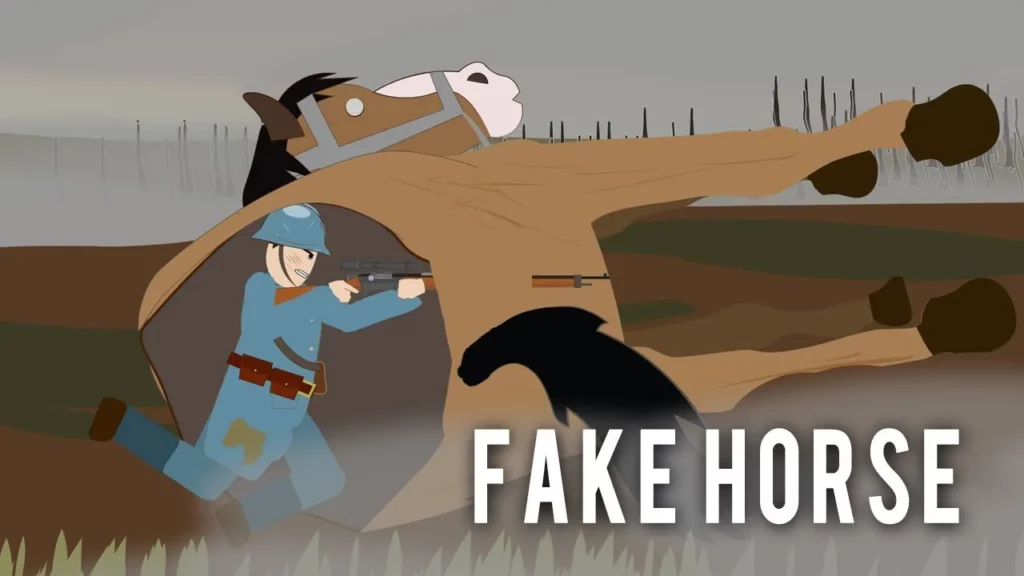
The lesson on “Sniper Decoys: Fake Horse and Other Dummies” highlights the critical role of camouflage and deception in World War I sniper tactics. It discusses how specialized teams created various decoys, such as life-sized dummies and fake animals, to mislead the enemy and enhance the effectiveness of snipers. As aerial photography advanced, these tactics became increasingly challenging, underscoring the importance of innovation in military strategy.
The Buran – Soviet Space Shuttle Copy
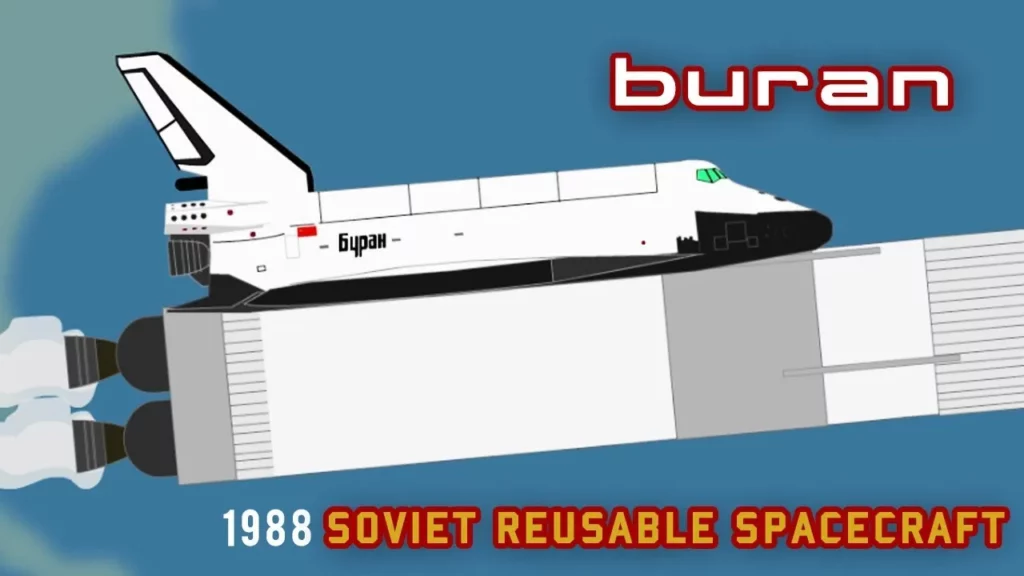
The Buran was the Soviet Union’s response to NASA’s Space Shuttle, developed in the late 1970s to counter perceived threats from the American shuttle program. Launched on November 15, 1988, the Buran completed an unmanned mission that successfully orbited the Earth twice before the program was ultimately canceled in 1993 due to financial constraints following the Soviet Union’s collapse. Despite its innovative design and capabilities, including automatic control and ejection seats for safety, the Buran shuttles were left to decay, with the original shuttle being destroyed in 2002.
The Largest Plane in the World RIP (Ukraine)
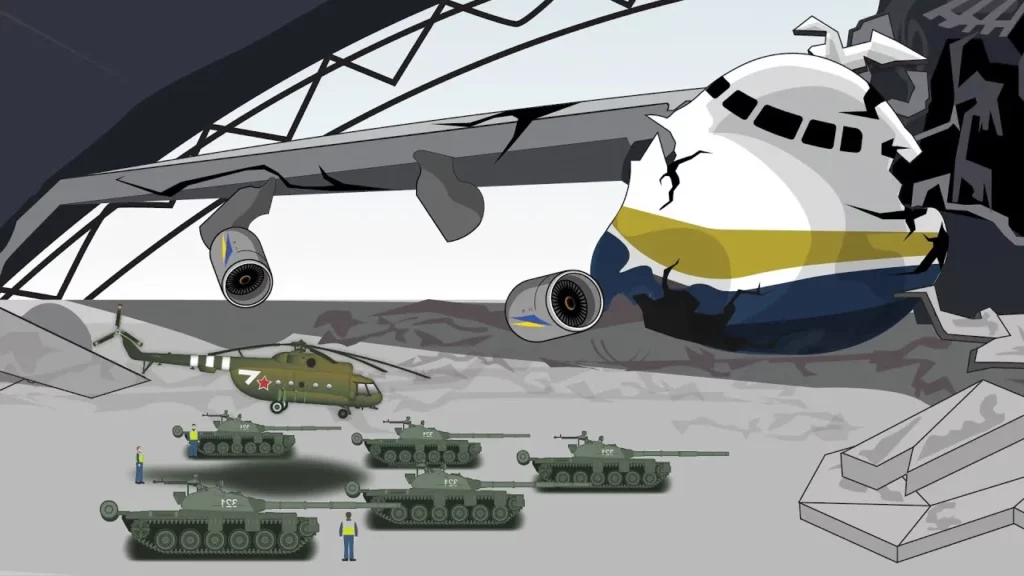
The Antonov An-225 Mriya, the largest plane ever built, was a remarkable feat of engineering that served as a symbol of innovation and strength from its first flight in 1988 until its destruction in 2022. Originally designed to transport the Soviet Buran space shuttle, the An-225 broke over 100 aviation records and played a crucial role in transporting oversized cargo, including humanitarian aid and medical supplies. Despite its loss, the legacy of the An-225 continues to inspire future generations, highlighting the extraordinary achievements possible through human ingenuity and ambition.
The Bataan Death March (1942)
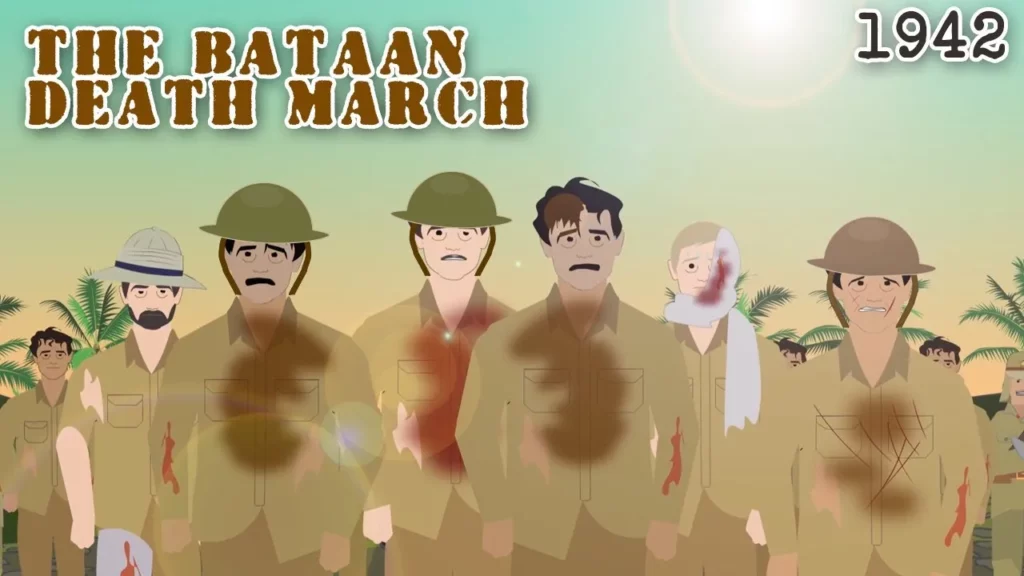
The Bataan Death March, which occurred in April 1942, represents a tragic episode in World War II, following the surrender of American and Filipino forces on the Bataan Peninsula. After enduring a grueling 65-mile march under brutal conditions, many soldiers suffered from exhaustion, dehydration, and violence, resulting in significant loss of life. This event serves as a stark reminder of the harsh realities of war and the resilience of those who endured it.
Janissary (Elite Ottoman Infantry Unit)
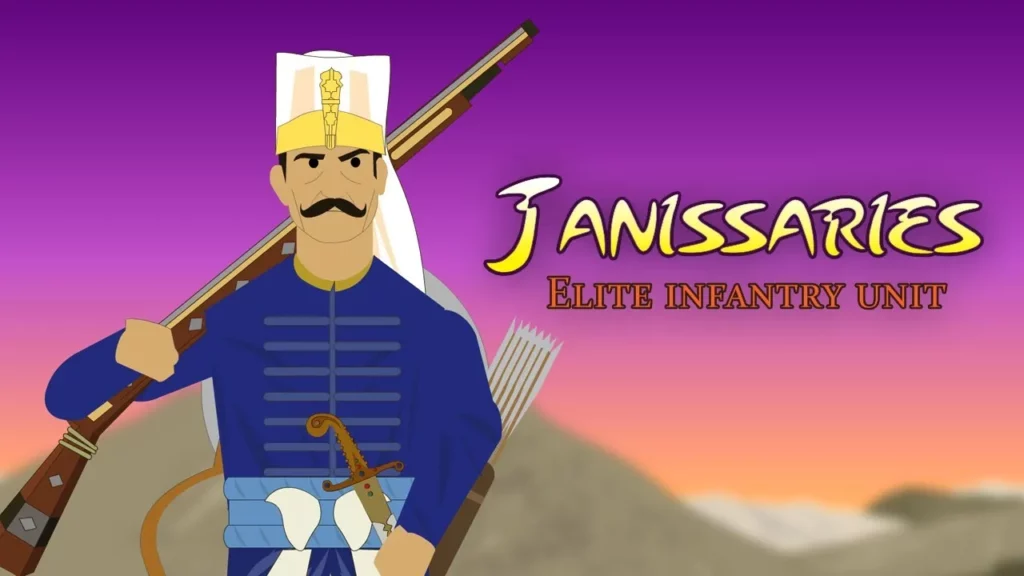
The lesson on the Janissaries highlights their significance as an elite infantry unit within the Ottoman Empire, tracing their origins back to the 14th century and their evolution into a powerful military force. Initially formed through the “Devshirme” system, the Janissaries played a crucial role in key conquests, including the capture of Constantinople, but their growing influence led to political unrest and eventual rebellion against the Sultans. Ultimately, their decline in effectiveness and discipline mirrored the weakening of the Ottoman Empire, culminating in their disbandment in 1826 as part of modernization efforts.
How did the Germans keep fighting the Allies after WW2?
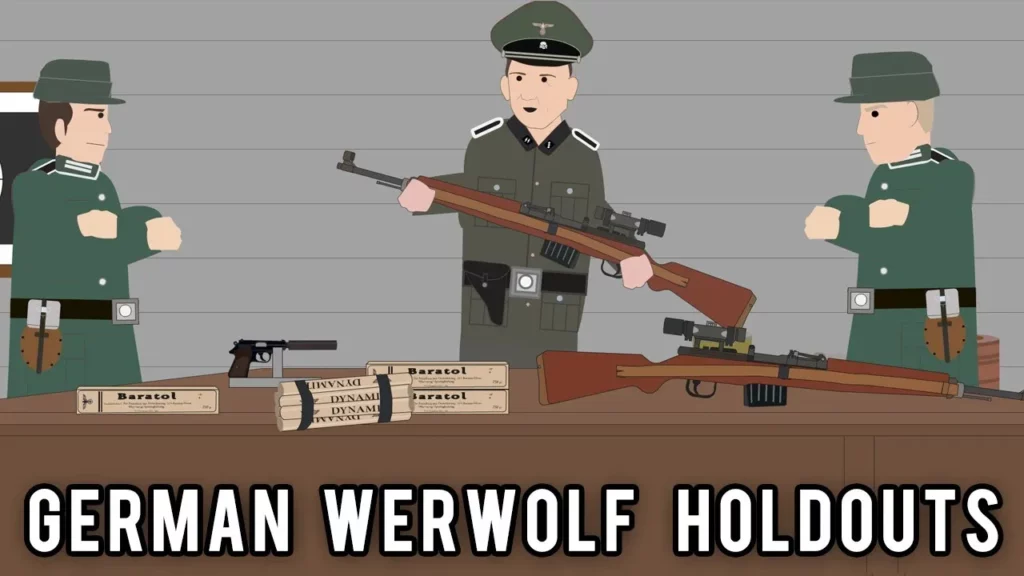
The lesson explores Operation Werewolf, a covert Nazi resistance movement established towards the end of World War II, aimed at prolonging German resistance against the advancing Allies. Despite its intention to disrupt Allied forces and maintain Nazi ideology, the operation ultimately lacked organization and resources, leading to limited success and a greater emphasis on propaganda. Following Hitler’s death, the anticipated large-scale insurgency failed to materialize, and the focus shifted to denazification and the emerging threat of the Soviet Union.
The Defense of Fort Vaux (1916, World War I)
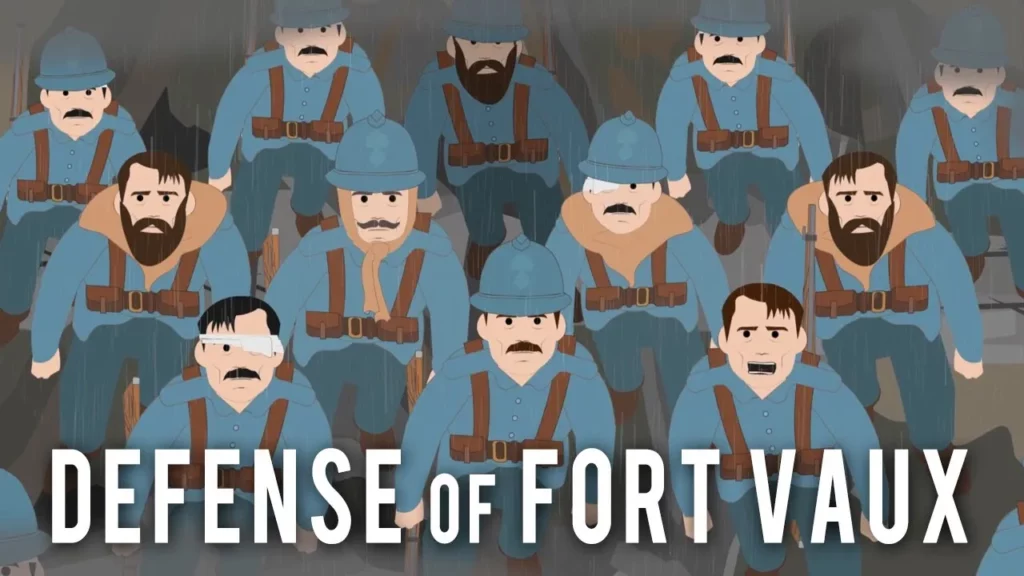
The lesson on the Defense of Fort Vaux during the Battle of Verdun illustrates the intense struggle and strategic significance of this small fortification in World War I. Despite facing relentless German bombardment and dire conditions, the French garrison, led by Major Sylvain Eugène Raynal, demonstrated remarkable resilience and bravery until their eventual surrender due to a lack of water and overwhelming odds. This episode serves as a poignant reminder of the sacrifices made during one of the war’s most grueling battles, highlighting the human spirit in the face of adversity.
U-Boats (World War II)
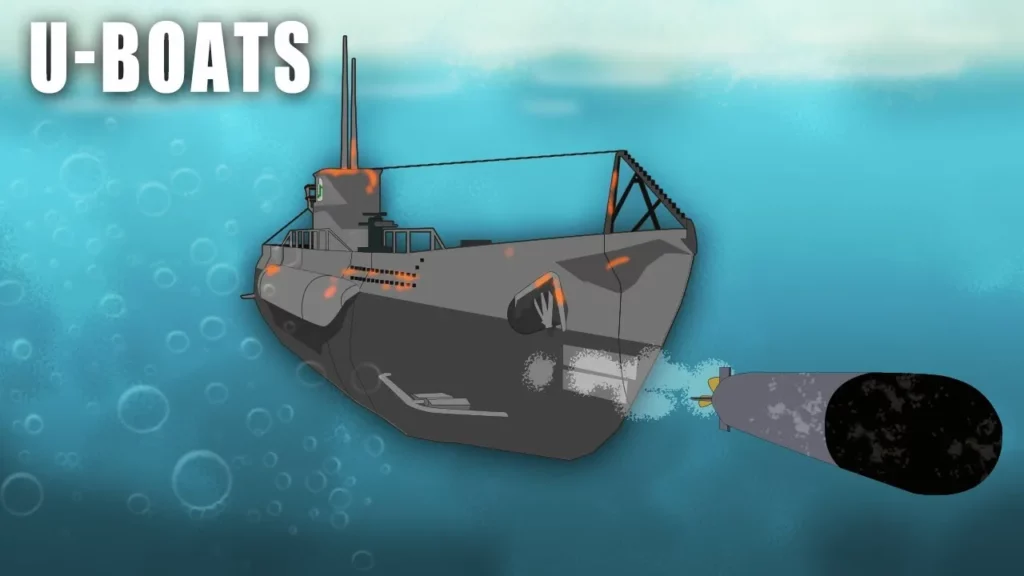
The lesson on U-boats in World War II highlights their pivotal role in naval warfare, particularly through the development of advanced models like the Type 7 and Type 9, which employed strategic “wolf pack” tactics in the Battle of the Atlantic. Despite their initial success and significant damage inflicted on Allied shipping, the U-boats faced increasing challenges and losses, leading to the development of the more advanced Type 21. Ultimately, while the U-boats did not secure victory for Germany, their technological innovations and tactical approaches left a lasting impact on military history.