
The Dentist who Fought an Entire BANZAI Charge Single-handedly (1 Man vs 98)
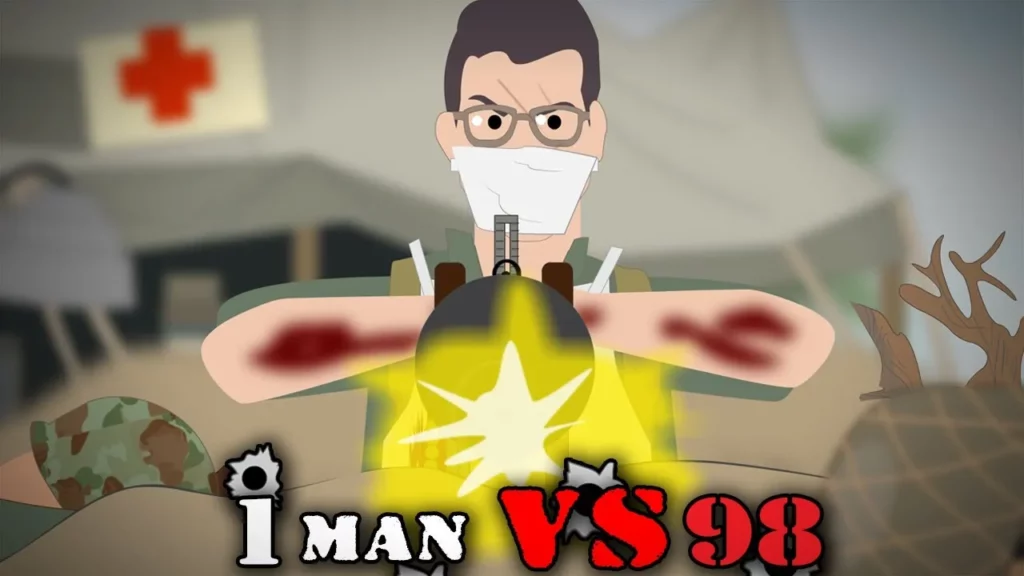
The lesson highlights the extraordinary bravery of Ben L. Solomon, a dentist who became a war hero during World War II. After volunteering to replace a wounded battalion surgeon, Solomon heroically defended a medical aid station during a fierce Japanese counter-attack on Saipan, ultimately sacrificing his life to protect the wounded and allow others to escape. His valor went unrecognized for decades, but he was posthumously awarded the Medal of Honor in 2002 for his courageous actions.
The Siege of Jadotville (155 Irish soldiers VS 4,000 Katangese troops)
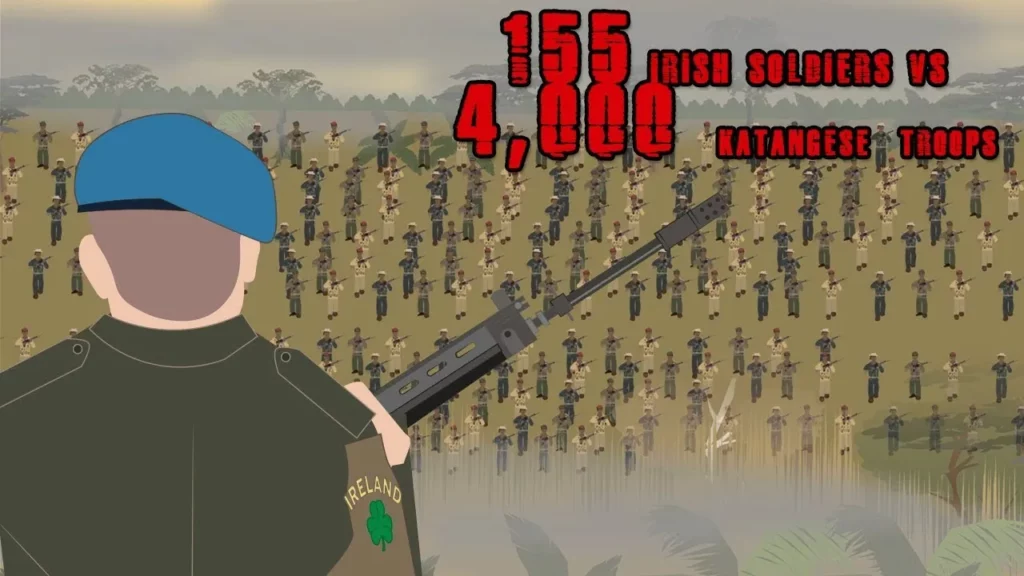
The Siege of Jadotville, which occurred during the Congo Crisis in September 1961, highlights the extraordinary bravery and resilience of 155 Irish soldiers who, under the command of Major Patrick Quinlan, defended their position against a vastly superior force of Katangese troops for five days. Despite facing overwhelming odds and dwindling supplies, these soldiers showcased remarkable determination until their eventual surrender to prevent further loss of life. Their story, initially met with criticism, has since been recognized as a powerful testament to courage and dedication in the face of adversity.
U.S. Soldier who Fought NVA Troops while High on Marijuana (Stories from The Vietnam War)
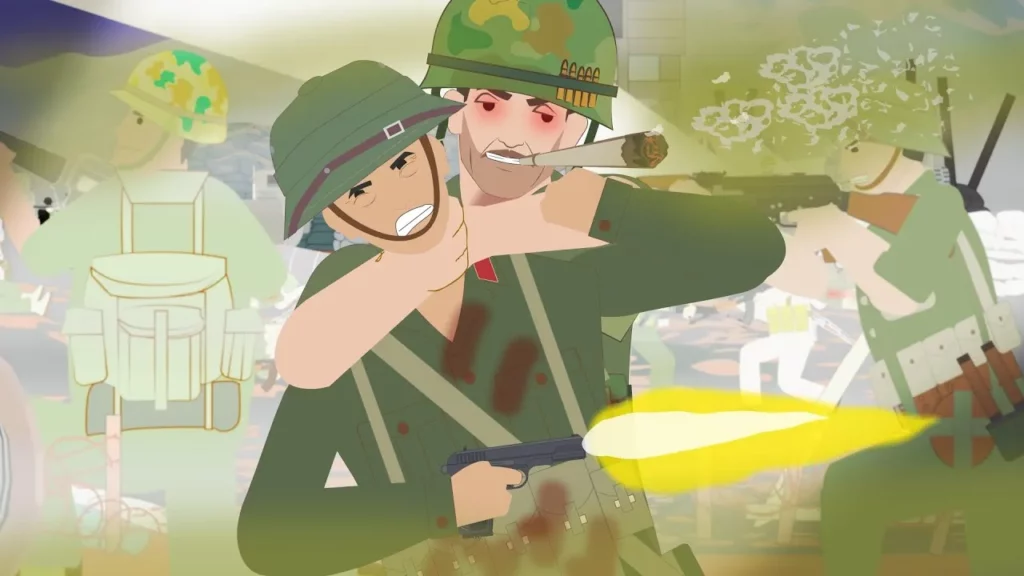
The lesson recounts the courageous actions of Sergeant Peter Lemon during the Vietnam War, highlighting his bravery in a fierce battle at Illingworth Base despite being under the influence of marijuana. It emphasizes his leadership qualities, the challenges faced by soldiers, and the recognition he received through the Medal of Honor, which he initially hesitated to accept due to his disillusionment with the treatment of veterans. Ultimately, Lemon’s story serves as a testament to the resilience and sacrifices of soldiers during this tumultuous period in history.
Unique Bullets (Cross Section)

The lesson explores the evolution of bullet technology throughout history, highlighting various specialized designs such as square bullets, full metal jacket (FMJ) bullets, homing bullets, incendiary rounds, and armor-piercing rounds. Each type of bullet serves distinct purposes on the battlefield, enhancing both the effectiveness and complexity of modern warfare. Ultimately, these innovations not only reflect advancements in military technology but also play a crucial role in ensuring the safety and success of soldiers in combat.
Rearguard (Military Tactic) – Heroic Sacrifice at Dunkirk, 1940
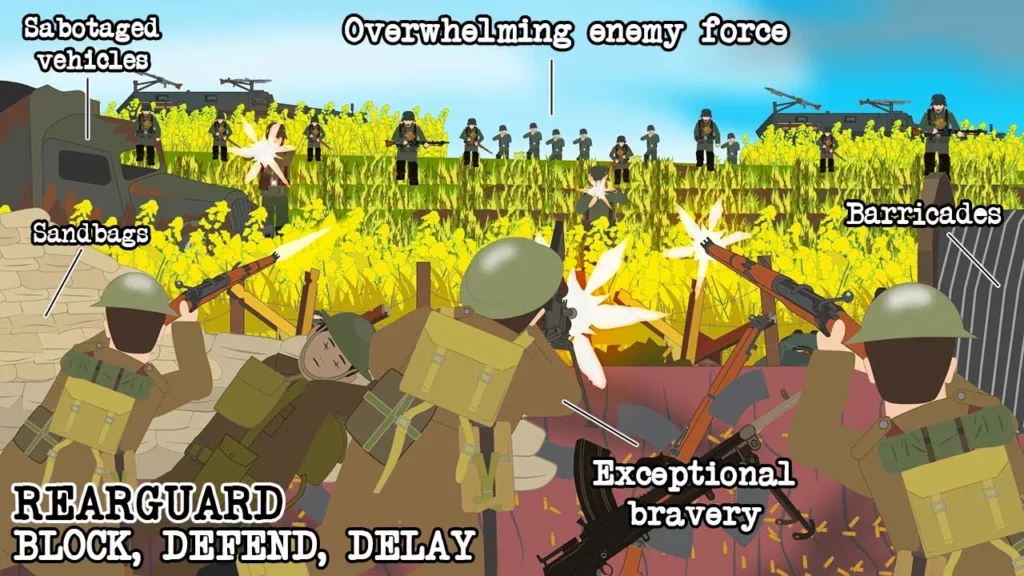
The lesson on the rearguard military tactic highlights the crucial role of soldiers who protect the main army during retreats, particularly exemplified by the Battle of Dunkirk in 1940. Despite facing overwhelming odds, rearguard units, composed of brave British and French soldiers, successfully delayed German forces, allowing for the evacuation of many Allied troops, though at a significant cost. This lesson underscores the importance of courage and sacrifice in military history, illustrating how rearguard actions can significantly impact the outcome of a conflict.
Watergate – The Scandal that Took down the President

The Watergate scandal, which unfolded between 1972 and 1973, involved a politically motivated break-in at the Democratic Party headquarters, orchestrated by individuals connected to President Nixon’s administration. As investigations progressed, the scandal revealed extensive illegal activities, leading to the establishment of the Senate Watergate Committee and the discovery of incriminating tapes. Ultimately, facing mounting pressure and the threat of impeachment, Nixon resigned on August 9, 1974, marking a significant moment in U.S. political history.
The 4 Great Inventions that changed the world (China)
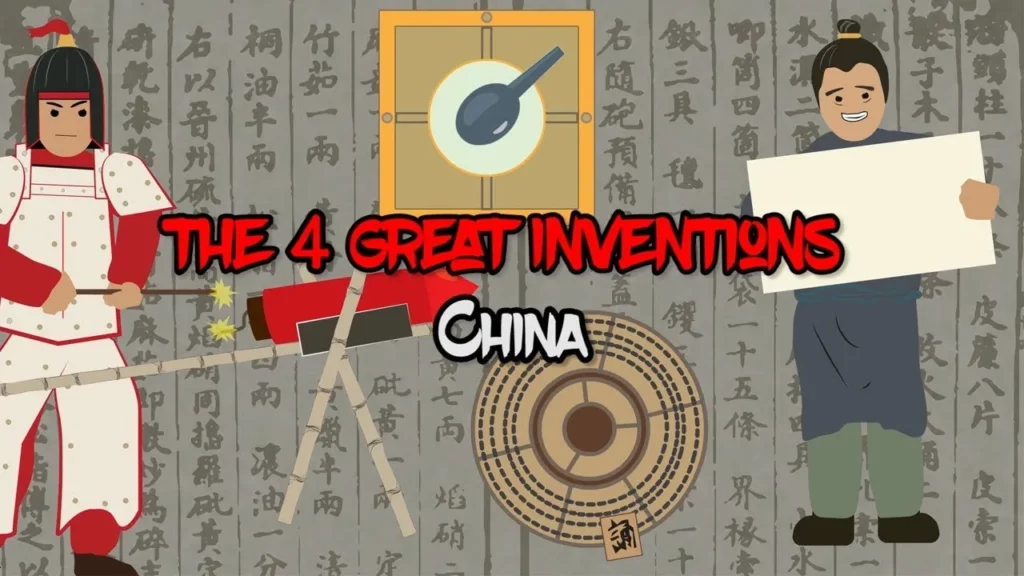
The lesson highlights four significant Chinese inventions—paper making, printing, the compass, and gunpowder—that profoundly influenced global civilization. Developed during various dynasties, these innovations transformed communication, navigation, and warfare, with their impact recognized by scholars like Francis Bacon in the 17th century. Collectively, they exemplify China’s rich contributions to science and technology, shaping societies across the world.
The Paratrooper who fought with an Umbrella and a Bowler Hat
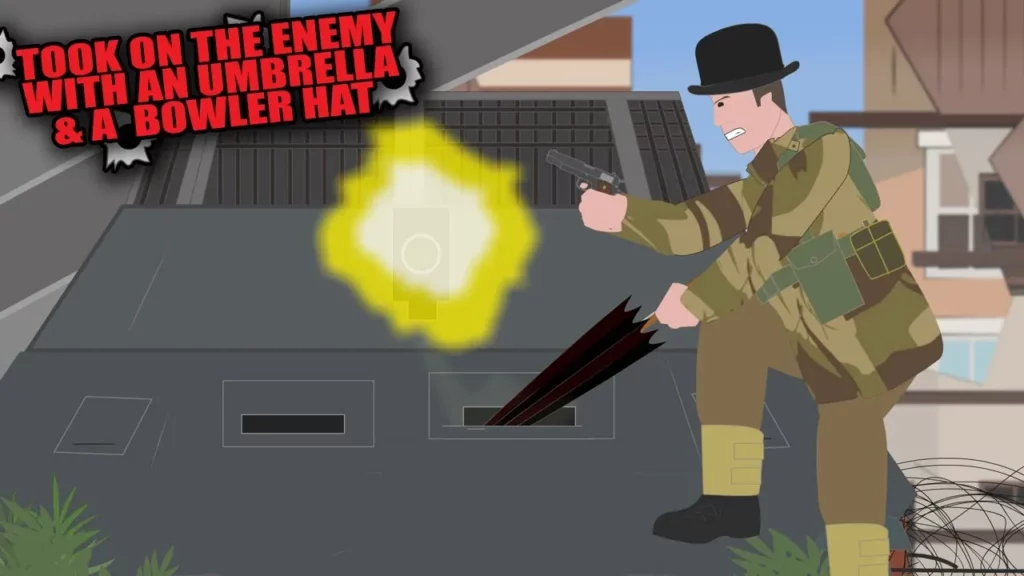
The lesson recounts the extraordinary story of Major Alison Digby, a British paratrooper known for his bravery and distinctive style during World War II’s Operation Market Garden. Despite facing overwhelming odds at the Battle of Arnhem, Digby led his troops with an umbrella and a bowler hat, showcasing his innovative spirit and commitment to his men. His actions not only exemplified courage in battle but also left a lasting legacy of inspiration.
Ice Ship (Secret Weapon of WWII)

The lesson discusses Geoffrey Pike’s innovative concept of an ice aircraft carrier, designed to combat the threat posed by German U-boats during World War II. Despite the initial success of a small prototype and the development of a stronger material called pykrete, the project, named Habakkuk, faced logistical challenges and was ultimately abandoned due to rising costs and changing military needs. This ambitious idea highlights the creativity and resourcefulness of wartime inventors, even when their concepts were deemed too far-fetched for practical implementation.
The Favorite Guns of History’s ‘Bad Guys’
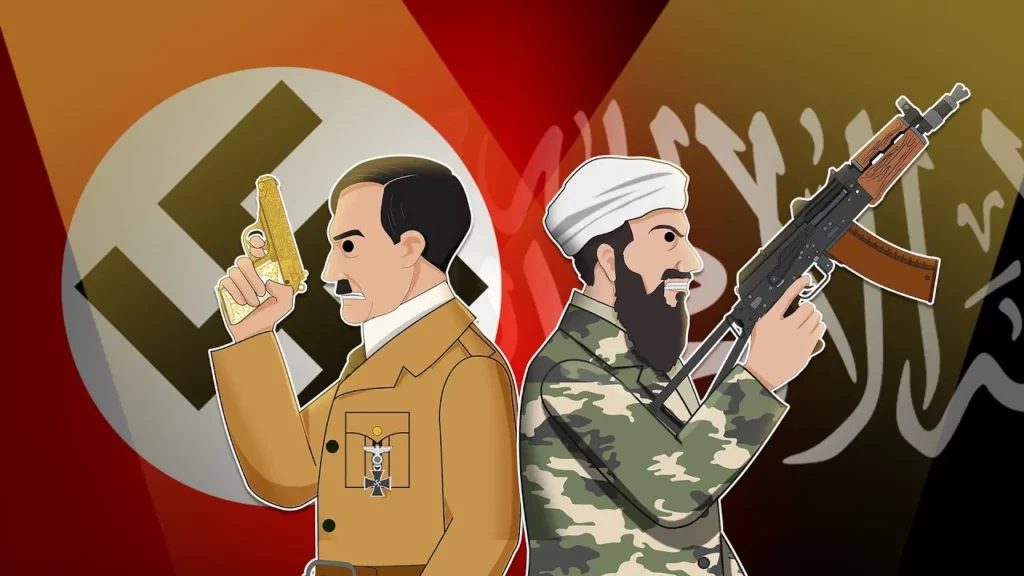
The lesson explores the favorite firearms of notorious historical figures, highlighting the unique weapons associated with Adolf Hitler, Muammar Gaddafi, and Osama Bin Laden. Hitler’s extravagant golden Walther PP symbolizes his status, while Gaddafi’s gilded Browning High Power reflects his opulent lifestyle, both of which have intriguing posthumous stories. Bin Laden’s AKS-74U serves as a powerful emblem of his image and connection to conflict, showcasing how certain weapons become intertwined with the legacies of their owners.