
Periscope Rifles (Weird Tech)
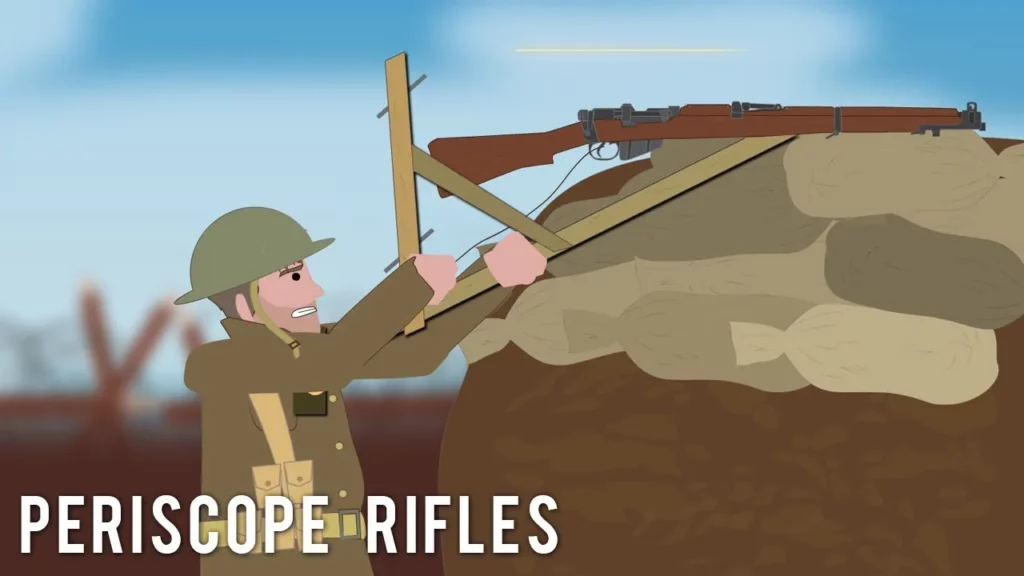
The lesson on periscope rifles highlights their invention during World War One as a response to the dangers of trench warfare, allowing soldiers to fire at enemies while remaining hidden. Various designs emerged from different soldiers and inventors, including notable contributions from William Yultan and William Beech, showcasing the ingenuity of military personnel. Despite their innovative nature, periscope rifles faced challenges such as accuracy issues and maintenance difficulties, yet they played a significant role in the strategies employed during the war.
Deadly Weapons of the Ukraine War
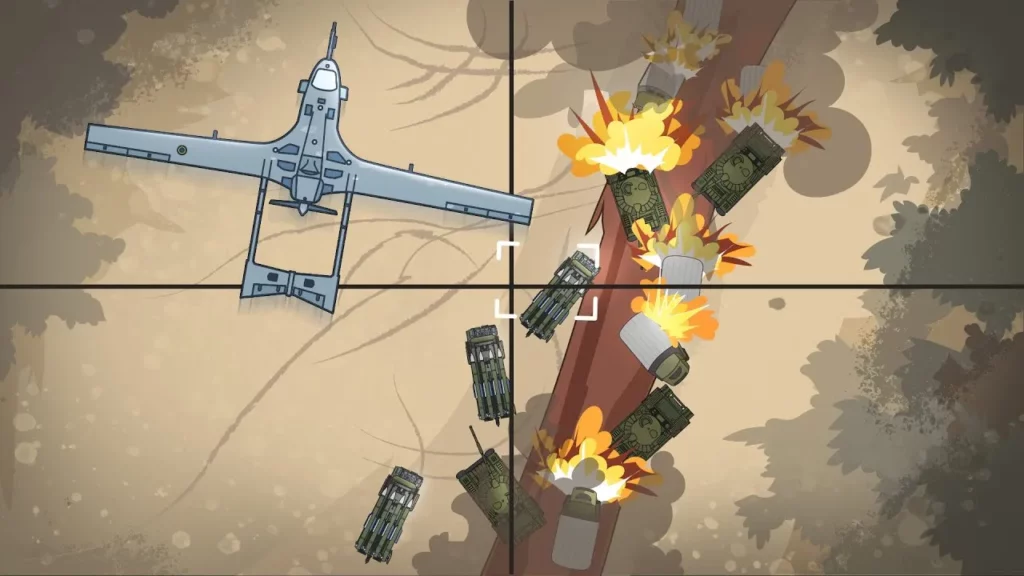
The lesson on “Deadly Weapons of the Ukraine War” emphasizes the critical role of modern weaponry in shaping contemporary warfare, particularly through advanced missile systems, unmanned aerial vehicles (UAVs), and cyber warfare. It highlights how these technologies have transformed military strategies and operations, underscoring the need for nations to adapt their security policies and cooperate internationally to address the evolving threats posed by sophisticated weaponry. The ongoing conflict serves as a reminder of the importance of innovation and vigilance in ensuring global stability and security.
Russia’s Invasion of Ukraine
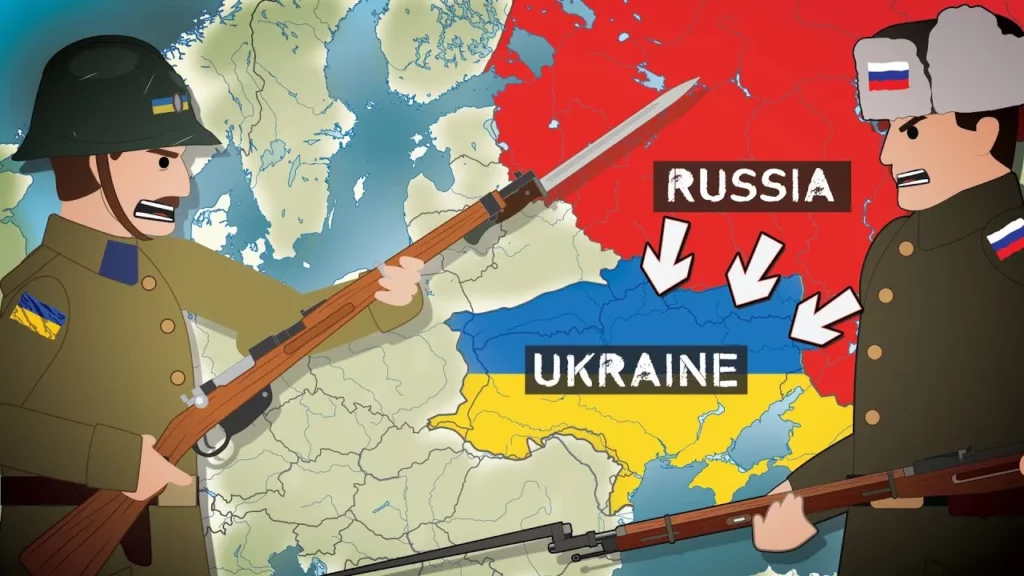
The lesson provides a historical overview of Ukraine’s struggle for independence during the tumultuous years following World War I, highlighting the challenges faced by the Central Rada and the impact of the Bolshevik Revolution. Despite initial successes and foreign intervention, Ukraine ultimately succumbed to Soviet control, leading to the establishment of the Ukrainian Soviet Socialist Republic in 1922. This period of conflict and shifting alliances underscores the complexities of national identity and sovereignty in the region.
‘Mobile’ Shields (WWI Weird Tech)
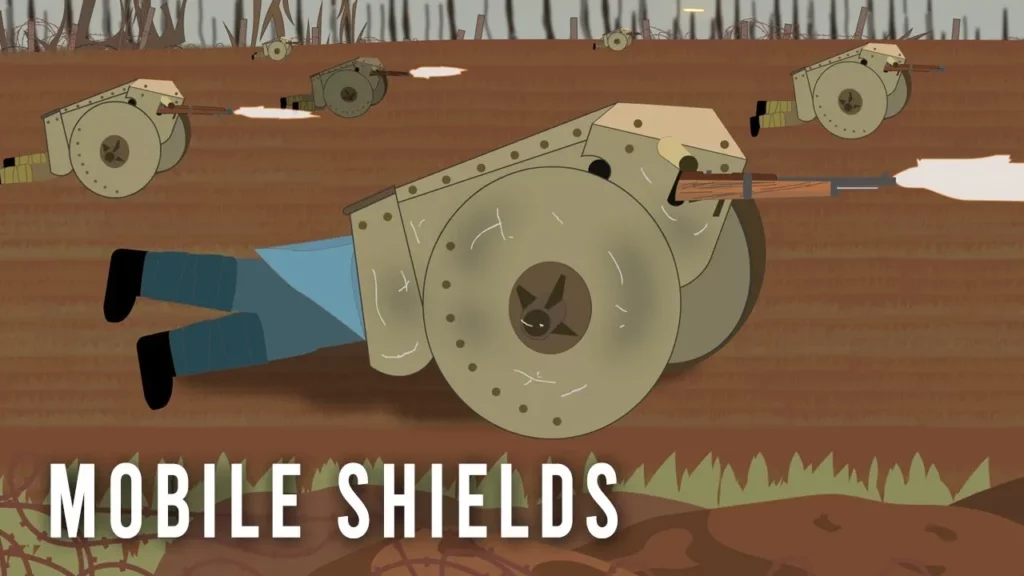
The lesson discusses the development and use of mobile shields during World War I, which were designed to protect soldiers from enemy fire while allowing for greater mobility compared to traditional heavy shields. Inspired by earlier innovations, these shields were created by both the British and French armies, with designs evolving to provide varying levels of protection. Despite their limitations in terms of weight and maneuverability, mobile shields represent an important effort to balance soldier safety with the need for mobility in the challenging conditions of trench warfare.
The U.S. M3 Lee/Grant Tank: the Twin Gunned General!
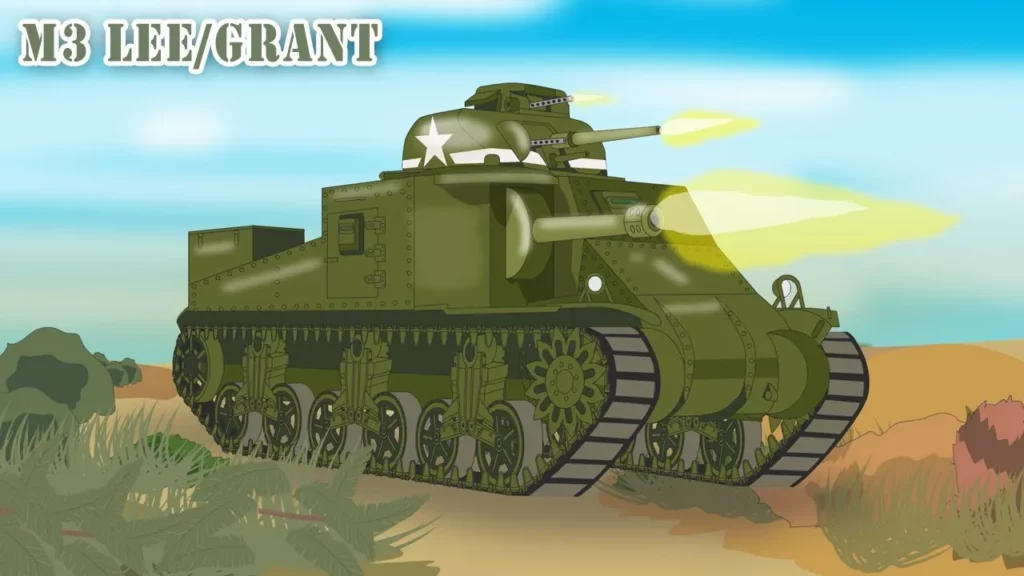
The M3 Lee/Grant tank, developed by the U.S. during World War II, was notable for its unique twin-gun design and played a significant role on the battlefield from 1941 to 1945. Initially created to address the shortcomings of American tank designs in response to the German Panzer, the M3 saw extensive service, particularly in the North African campaign, and was respected by both allies and adversaries for its firepower and armor. After the war, while most tanks were retired, some were repurposed for civilian use, marking the end of the M3’s military career by 1957.
The Weird History of Toilet Deaths
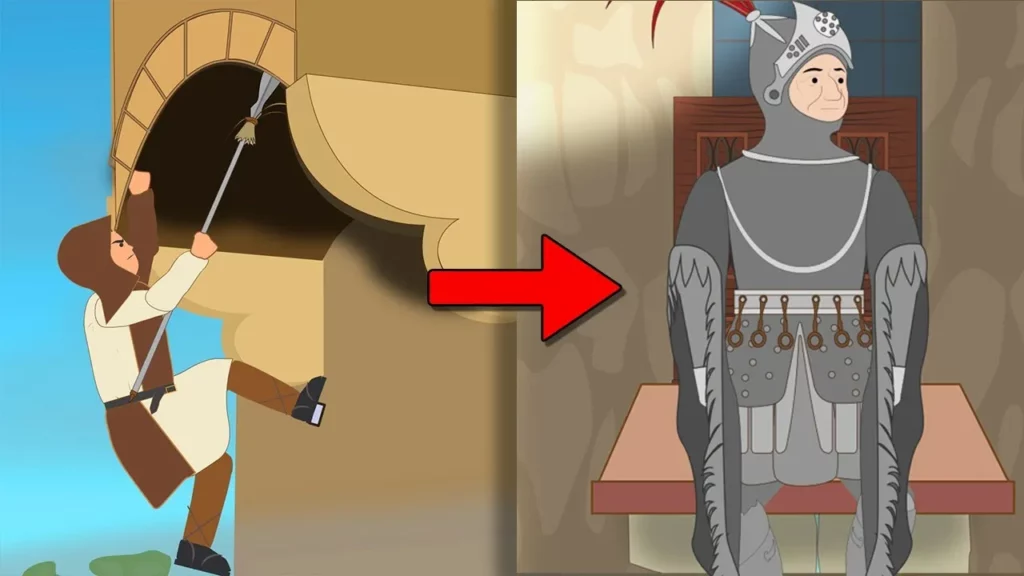
The lesson explores the bizarre and often dangerous history of toilets, highlighting several unusual incidents throughout time. From the catastrophic Erfurt Latrine Disaster in 1184 to the explosive mishaps of public latrines and the tragic fate of the German submarine U-1206 in 1945, it reveals how these everyday objects have been linked to unexpected and sometimes fatal events. Ultimately, it underscores that even the most mundane items can have extraordinary and perilous stories behind them.
Weird Camouflage in History
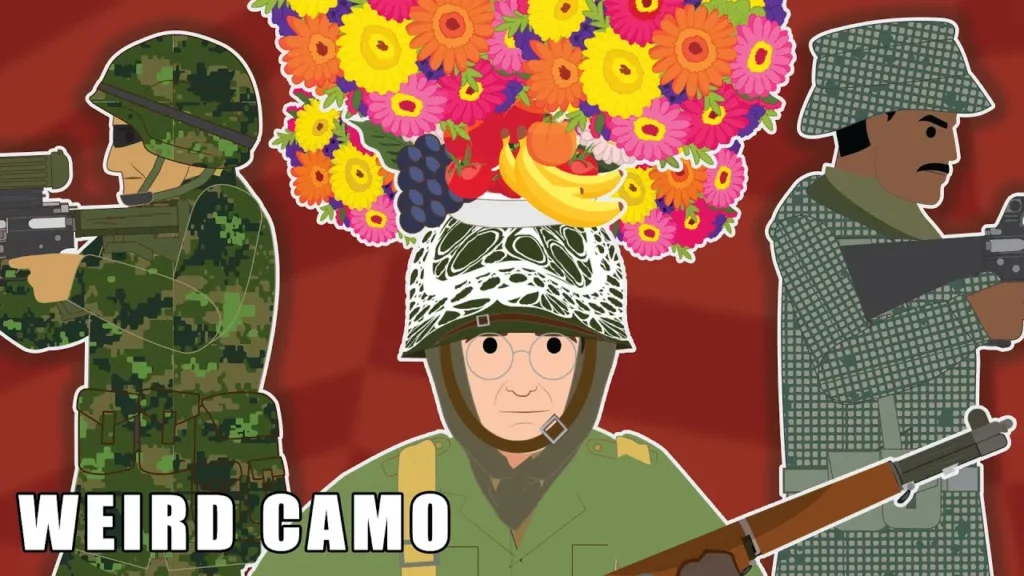
The lesson on “Weird Camouflage in History” explores the fascinating evolution of camouflage techniques used by both people and animals to blend into their surroundings for protection. It highlights historical examples, such as the Romans’ use of blue substances for scout ships, the introduction of khaki uniforms by the British, and innovative strategies like dazzle camouflage during World War I. The lesson illustrates how creativity and practicality have driven the development of camouflage from ancient times to modern digital designs.
Nazi Germany Propaganda: The Radio (1923-45)
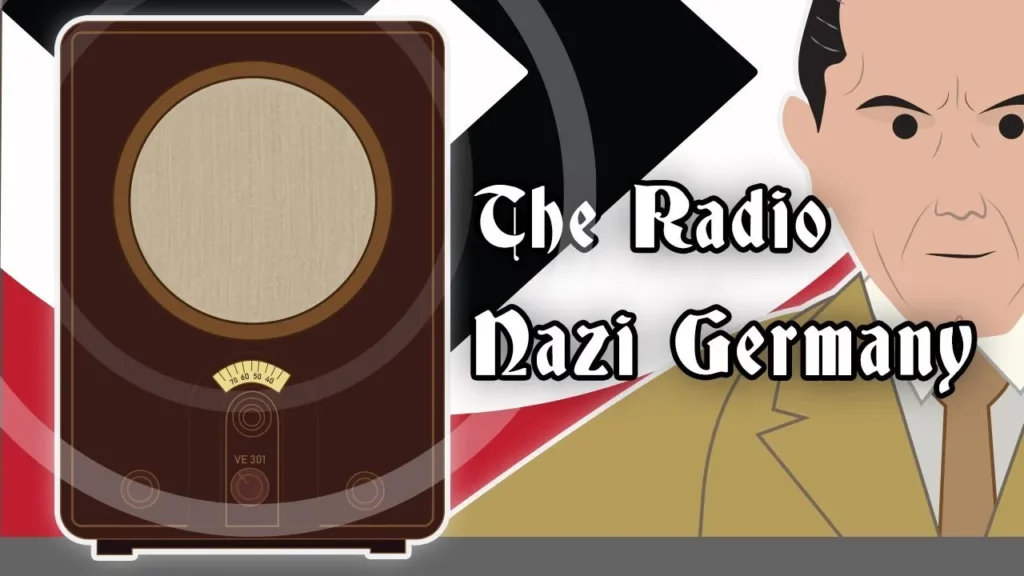
During Nazi Germany, the radio emerged as a crucial propaganda tool, enabling the regime to disseminate its ideology and manipulate public opinion. The Nazis nationalized broadcasting, ensuring control over content that included anti-Semitic themes and Hitler’s speeches, which reached millions of Germans. As the war progressed, radio programming adapted to maintain listener engagement, ultimately ceasing with the fall of the regime in May 1945.
When the U.S. used the Undead to Attack the Vietcong (The Vietnam War)
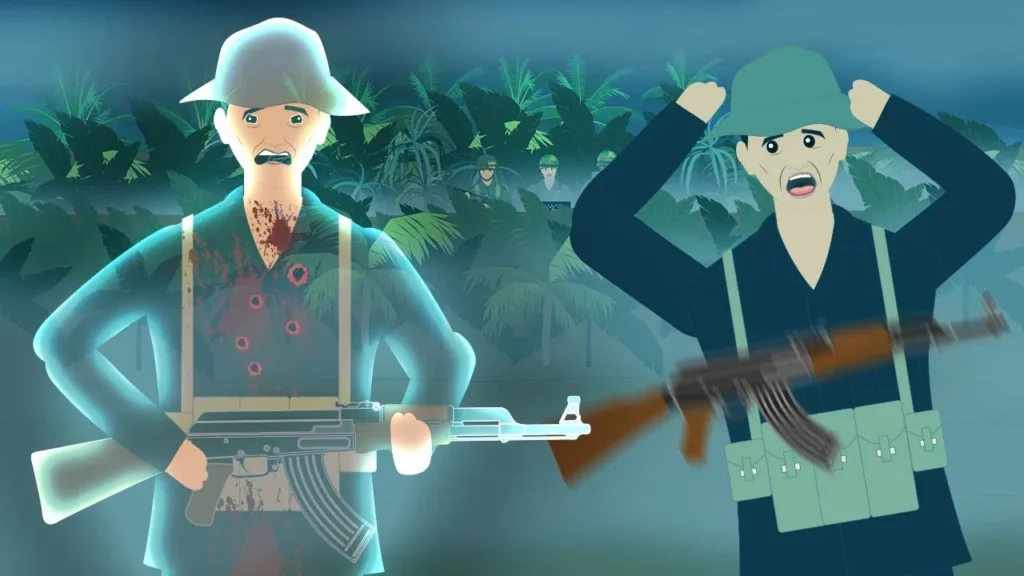
The lesson discusses the use of psychological warfare during the Vietnam War, particularly through a tactic known as Operation Wandering Souls, which exploited Vietnamese beliefs about death and the afterlife. By broadcasting eerie sounds and messages, including the infamous Ghost Tape Number 10, the U.S. and South Vietnamese forces aimed to instill fear in Viet Cong soldiers, potentially undermining their morale. While the effectiveness of these tactics remains debated, they represent a significant aspect of the psychological strategies employed throughout the conflict.
The Russian Sniper who killed 242 Enemy Soldiers
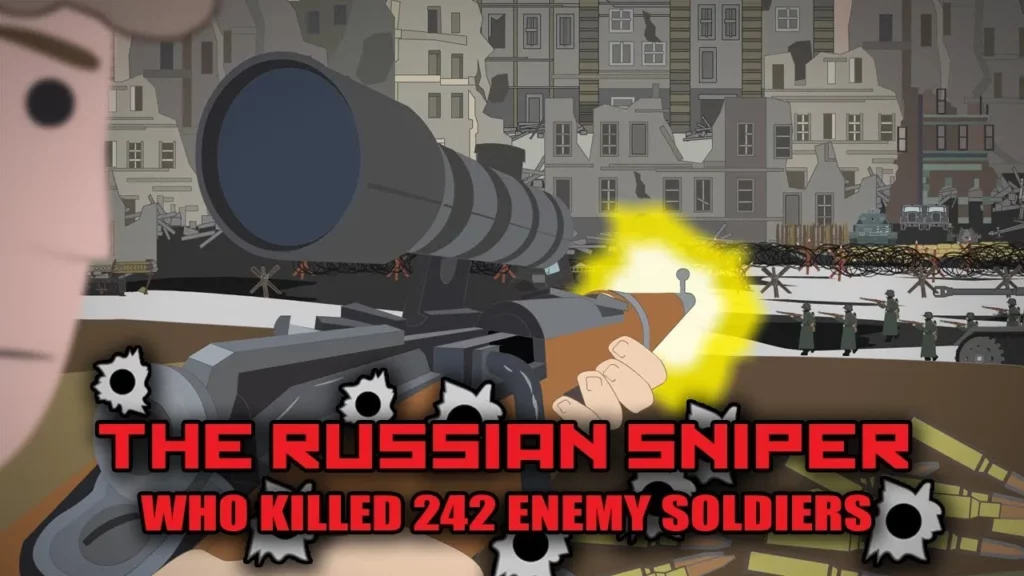
The lesson highlights the significant role of snipers in warfare, particularly during World War II, with a focus on the legendary Russian sniper Vasily Zaitsev. Zaitsev’s exceptional shooting skills and strategic use of camouflage during the Battle of Stalingrad not only disrupted enemy operations but also inspired Soviet troops, leading to the establishment of a sniper school that trained future marksmen. His legacy as a symbol of resistance and bravery is underscored by his impressive achievements and recognition as a Hero of the Soviet Union.