
The Rotten Royals of Old England
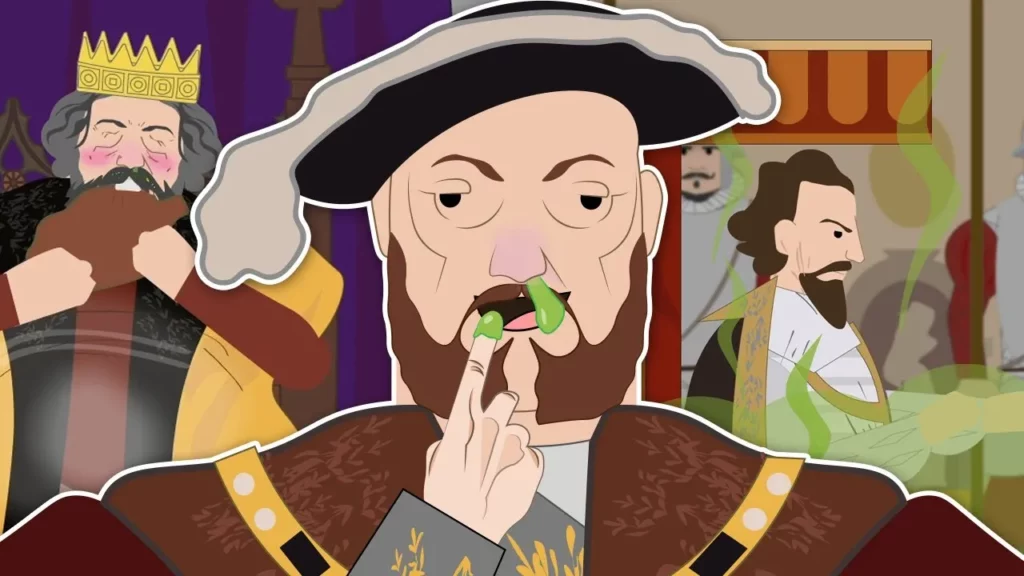
The lesson “The Rotten Royals of Old England” explores the unconventional and often unsanitary habits of historical English monarchs, contrasting them with the polished image of modern royalty. It highlights figures like William the Conqueror, Edward III, and the Tudor kings, revealing their fiery tempers, poor hygiene, and unique lifestyles. Ultimately, the lesson emphasizes that even powerful rulers had their quirks and imperfections, making them more relatable to us today.
The PIAT (Anti-tank weapon)
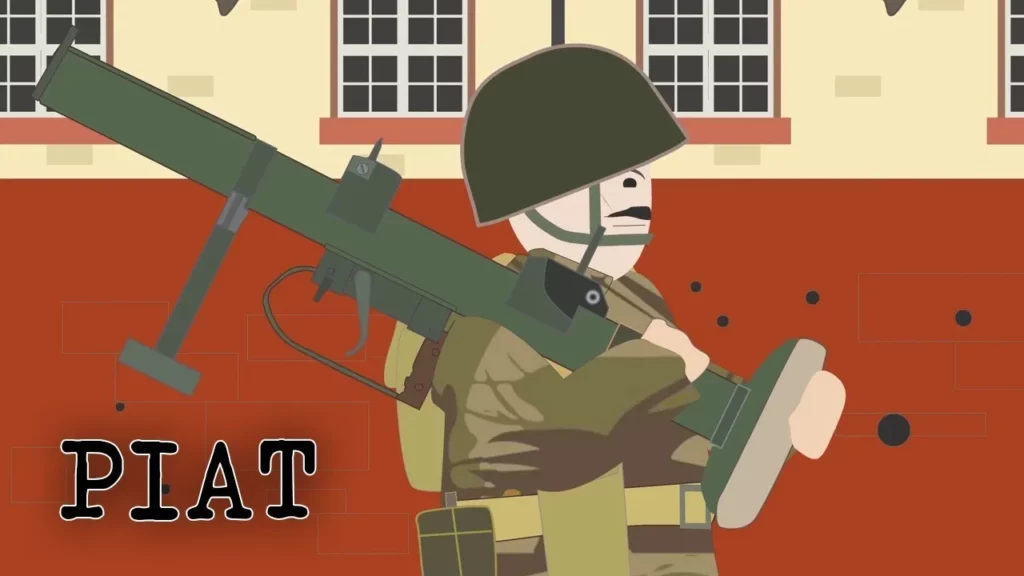
The PIAT (Projector, Infantry, Anti-Tank) was developed during World War II as a response to the inadequacies of the Boys Anti-Tank Rifle, providing British soldiers with a more effective means to combat enemy tanks. Designed by Lieutenant Colonel Stuart Blacker and refined by Major Miller Jefferies, the PIAT featured a spigot mechanism and was capable of firing high-explosive projectiles that could penetrate significant armor. While it had advantages such as cost-effectiveness and ease of production, the PIAT also faced challenges, including its weight and recoil, leading to its eventual replacement by more advanced anti-tank weapons in the post-war era.
Why were there poles on the front of Jeeps?
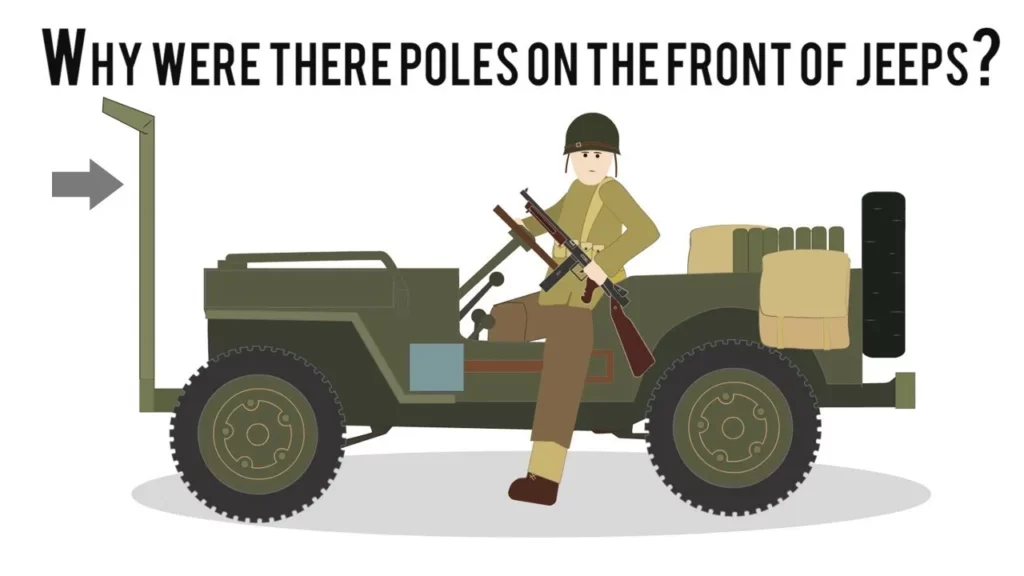
The lesson explains the purpose of the iron poles attached to the front bumpers of World War II Jeeps, which were designed to protect soldiers from hidden wires set by enemy forces. By catching or pushing aside these wires, the poles helped prevent serious injuries while driving in treacherous areas. Additionally, soldiers used sandbags for extra protection against landmines, demonstrating how innovative thinking and simple modifications could enhance safety in combat situations.
The Electrician who escaped the desert by turning his car into a motorbike
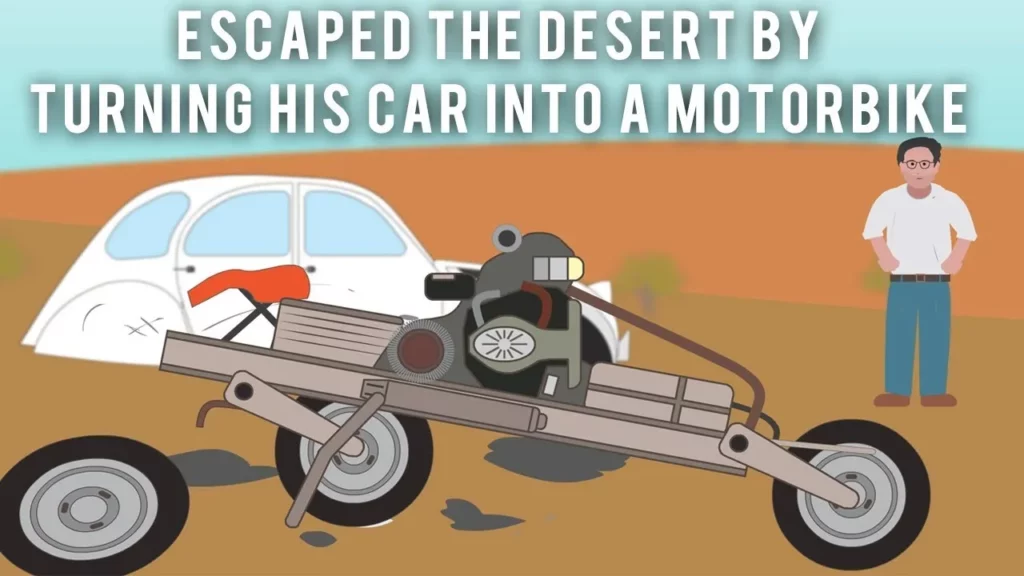
In “The Electrician Who Escaped the Desert by Turning His Car into a Motorbike,” Emile Larae, an adventurous electrician, finds himself stranded in the Sahara Desert after damaging his car. Using his mechanical skills, he ingeniously transforms his broken Citroën 2CV into a makeshift motorcycle, allowing him to escape just as his supplies dwindle. The lesson emphasizes creativity and resourcefulness in overcoming challenges, encouraging others to pursue their own innovative projects, such as building websites with Wix.
Weird Medieval Sports
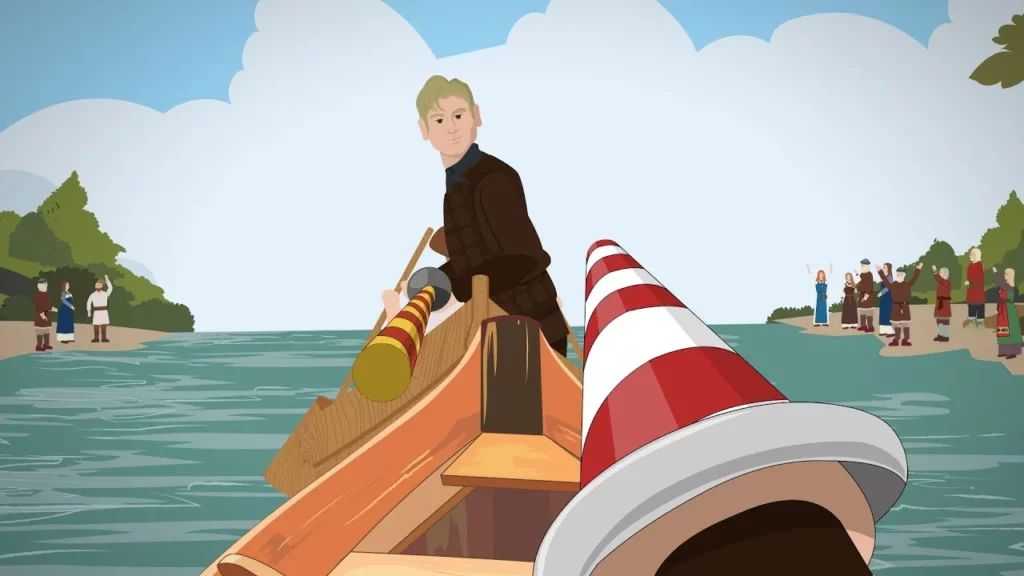
The lesson explores various unique sports from the Medieval Era, highlighting their cultural significance and the social dynamics involved. It covers activities such as mock battles and tournaments, falconry, early forms of tennis, Icelandic horse fighting, the Norse game of knot licker, and naval tournaments, illustrating how these games served not only as entertainment but also as a means for the elite to display their status and skills. Each sport reflects the values and practices of the time, showcasing the blend of competition, spectacle, and social interaction in medieval society.
Salvo (Military Tactic)
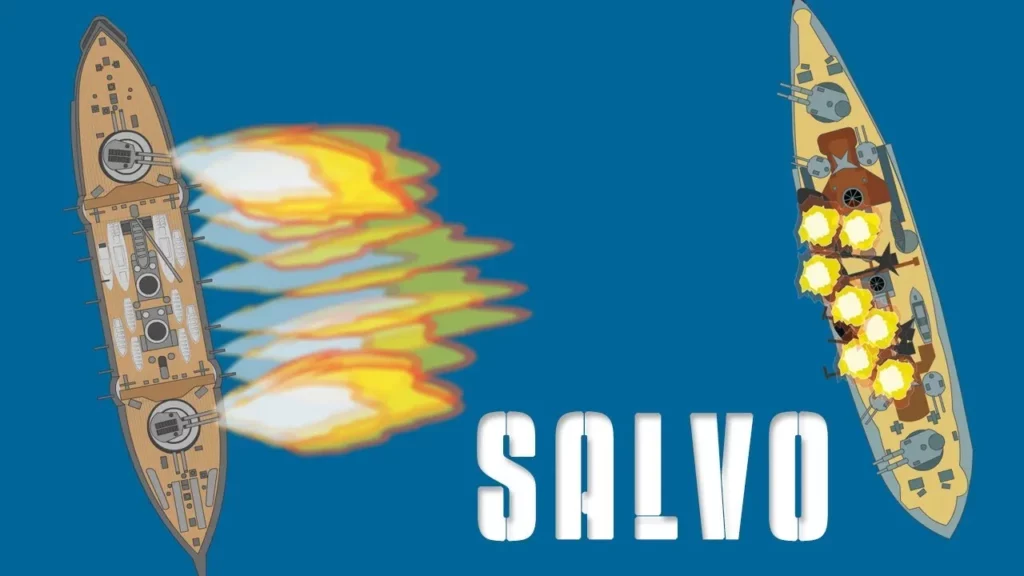
The lesson on “Salvo: A Powerful Military Tactic” explores the historical significance and evolution of the salvo tactic in naval warfare from the 15th to the 20th century. A salvo involves firing multiple guns simultaneously to deliver maximum firepower against an enemy, with various types such as broadsides and bracket salvos enhancing its effectiveness. While the tactic was crucial in traditional naval battles, its relevance declined after World War II due to advancements in missile technology, leading to its current ceremonial use.
Why did Cosmonauts take Shotguns into Space?

The lesson explains why Soviet cosmonauts carried shotguns, specifically the TP-82 pistol, into space for protection against wild animals upon landing in remote areas. This need arose after cosmonaut Alexey Leonov’s dangerous experience during the Voskhod 2 mission, leading to the development of the TP-82, which featured multiple barrels and versatile functionality. The TP-82 became a standard part of cosmonaut survival kits from 1982 until the expiration of its ammunition stocks in 2007.
The Hindenburg Disaster (1937)

The Hindenburg disaster on May 6, 1937, marked a tragic end to the airship era, highlighting the inherent dangers of using flammable hydrogen gas in air travel. Despite initial successes and luxurious offerings, the disaster led to a significant decline in public and military confidence in airships, ultimately shifting focus to safer and more practical aviation methods. This event serves as a reminder of the balance between human ambition and the critical importance of safety in engineering.
The Cannibal Escape (Strange Stories)
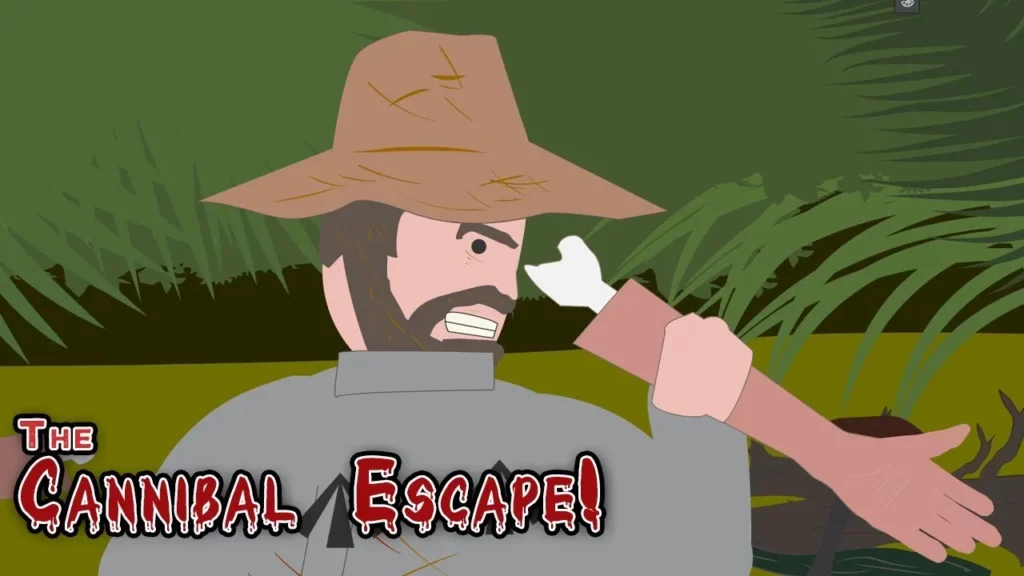
The lesson recounts the harrowing escape of convict Alexander Pierce from an Australian penal colony in the early 19th century, highlighting the extreme measures he and fellow escapees resorted to, including cannibalism, to survive in the wilderness. After a series of violent events and betrayals, Pierce ultimately returned to civilization but was recaptured, leading to his execution for murder and cannibalism. This story illustrates the desperate conditions faced by convicts and the lengths to which they would go to survive.
Thumbscrews (Horrible Punishments in History)

The lesson explores the historical use of torture devices, particularly thumb screws, in the Middle Ages and their role in the justice system, which was marked by a lack of protections for certain individuals. It discusses how legal reforms in the 12th and 13th centuries led to an increased reliance on torture to extract confessions, especially during events like the Spanish Inquisition and witch trials. Ultimately, the lesson highlights the decline of such practices and underscores the importance of human rights in modern justice systems.