
Attack of the Japanese Balloons
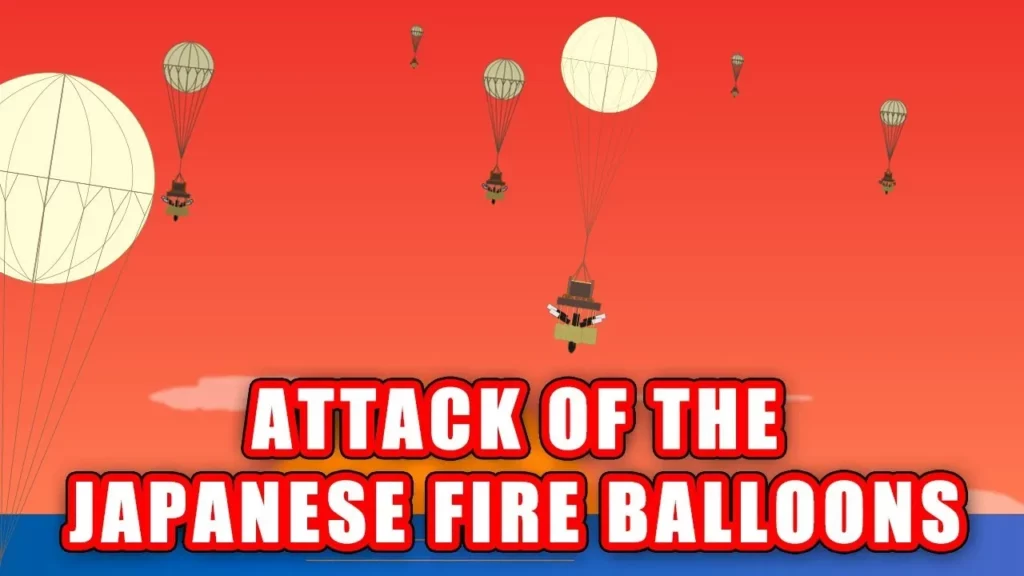
The lesson discusses Japan’s lesser-known World War II campaign involving unmanned hydrogen balloons, known as fire balloons, which were launched to retaliate against the U.S. after the Doolittle Raid. Between November 1944 and April 1945, approximately 9,000 balloons were sent across the Pacific, with around 1,000 reaching North America, causing minimal damage. A tragic incident in May 1945, where a balloon exploded and killed several people in Oregon, highlighted the dangers of this unusual weapon, marking it as the first intercontinental weapon in history.
8 Things People get Wrong about the U.S. Military
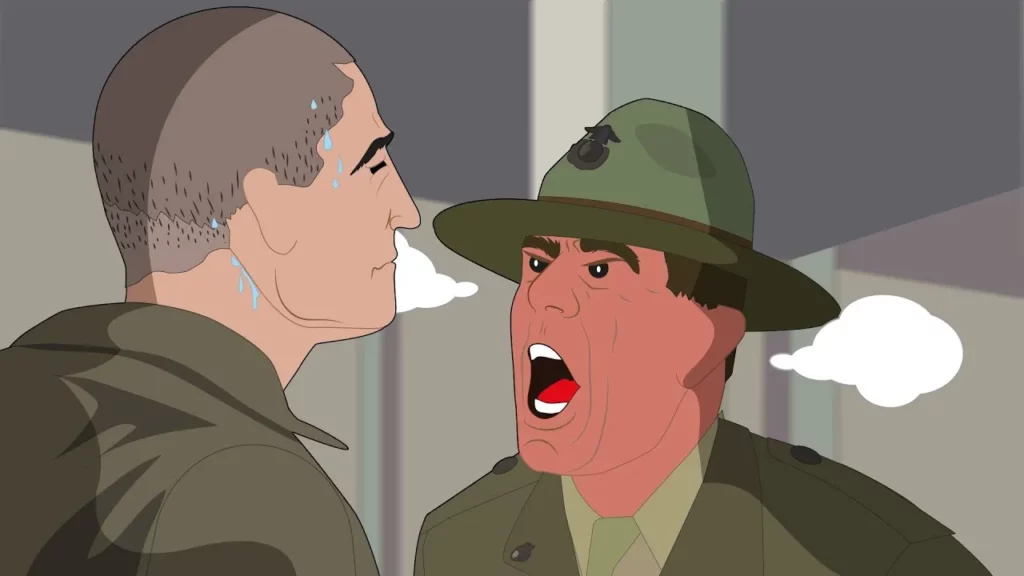
The lesson addresses common misconceptions about the U.S. military, highlighting the diversity and complexity of military life beyond popular media portrayals. It clarifies that not all veterans suffer from PTSD, enlisting requires meeting specific criteria, and many roles do not involve combat. Additionally, it emphasizes that military pay can be competitive, recruits come from various socioeconomic backgrounds, and soldiers are not solely trained to kill, challenging prevalent stereotypes.
The OLDEST Soldiers of War
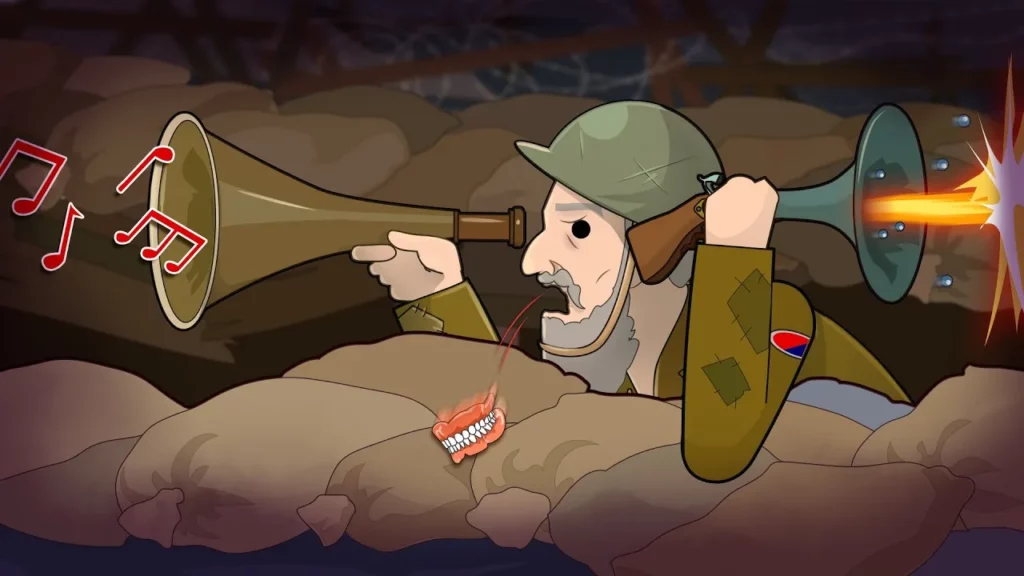
The lesson highlights the remarkable bravery and resilience of older soldiers who fought in World War I and World War II, showcasing five extraordinary individuals. From Wally Brown, who lied about his age to re-enlist at 54, to Nikolai Morozov, who picked up a rifle at 87, these veterans exemplify that courage knows no age limits. Their inspiring stories serve as a testament to the enduring spirit of those who served, regardless of their years.
Human Garden Gnome (Weird Jobs in History)
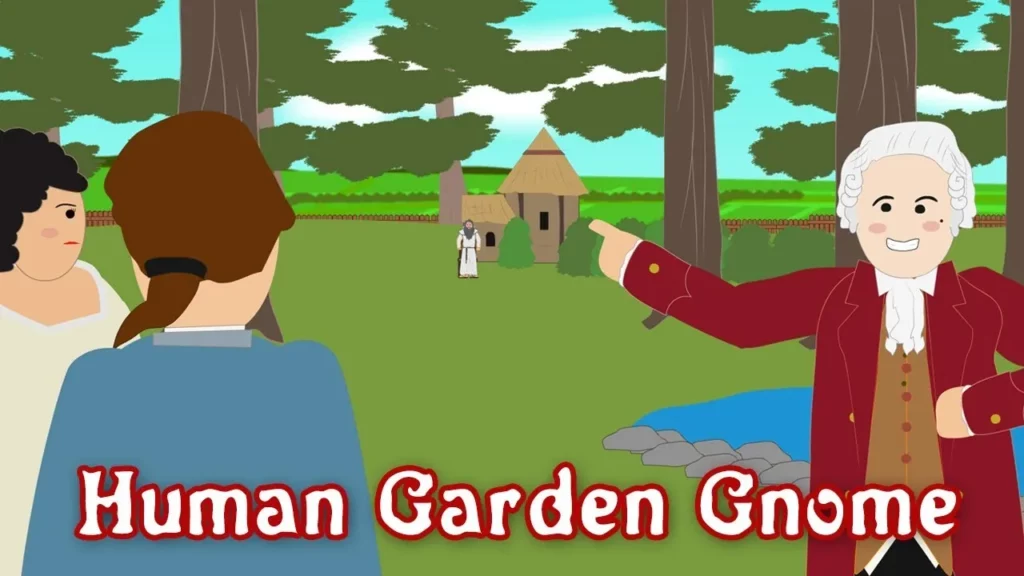
The lesson explores the peculiar historical job of human garden gnomes, or ornamental hermits, who were employed by wealthy individuals in 18th-century England to enhance their gardens. These hermits lived under strict conditions, often resembling living decorations, and their role symbolized a connection to nature and deep thinking during a time of industrialization. The trend eventually declined in the mid-19th century, giving way to the garden gnomes we recognize today.
Sniper Shields (World War I)
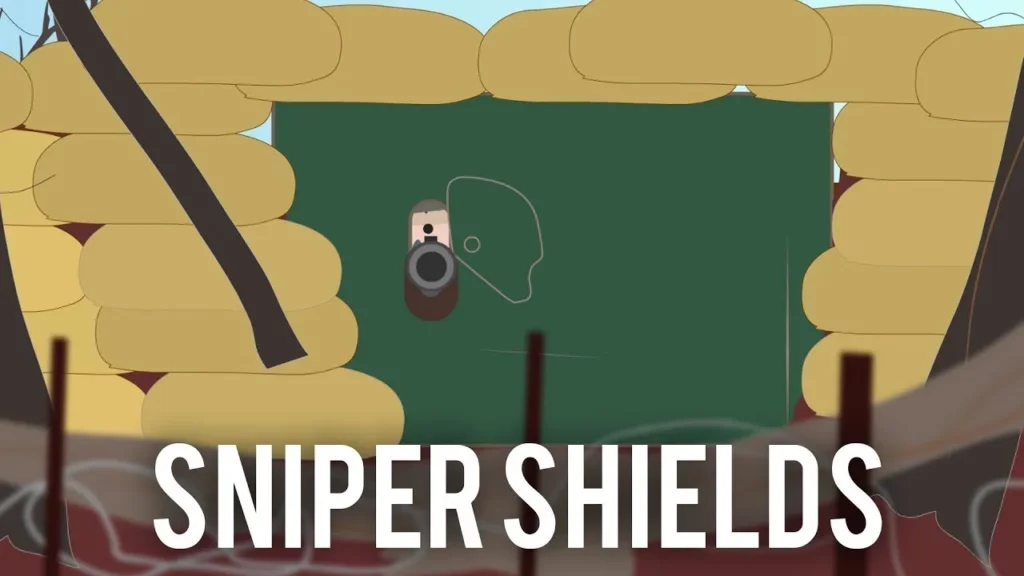
During World War One, sniper shields emerged as a crucial innovation, providing protection for snipers on the battlefield. The British were the first to deploy these shields extensively, featuring a loophole for shooting and capable of withstanding enemy fire, while the Germans developed their own models, such as the Model 1916 and its improved version, which offered enhanced protection but were often too heavy for easy mobility. Overall, these shields reflected the ongoing advancements in military technology as armies adapted to the challenges of trench warfare.
The Bizarre Bishop Tanks of World War 2
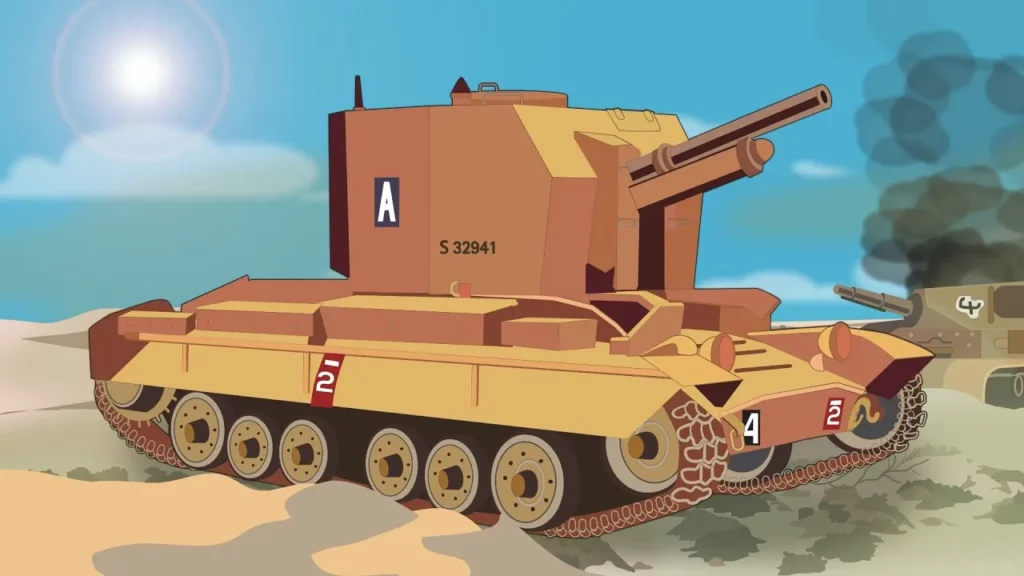
The lesson discusses the development and challenges of the British Bishop tank during World War II, highlighting the shift from traditional towed artillery to the need for mobile artillery in fast-paced warfare. Built on the Valentine tank chassis, the Bishop was designed as a self-propelled howitzer but faced limitations in speed, range, and effectiveness on the battlefield. Although it was ultimately replaced by more advanced designs, the Bishop contributed to the evolution of military technology and served as a training tool for crews operating newer self-propelled guns.
What do Soldiers Eat
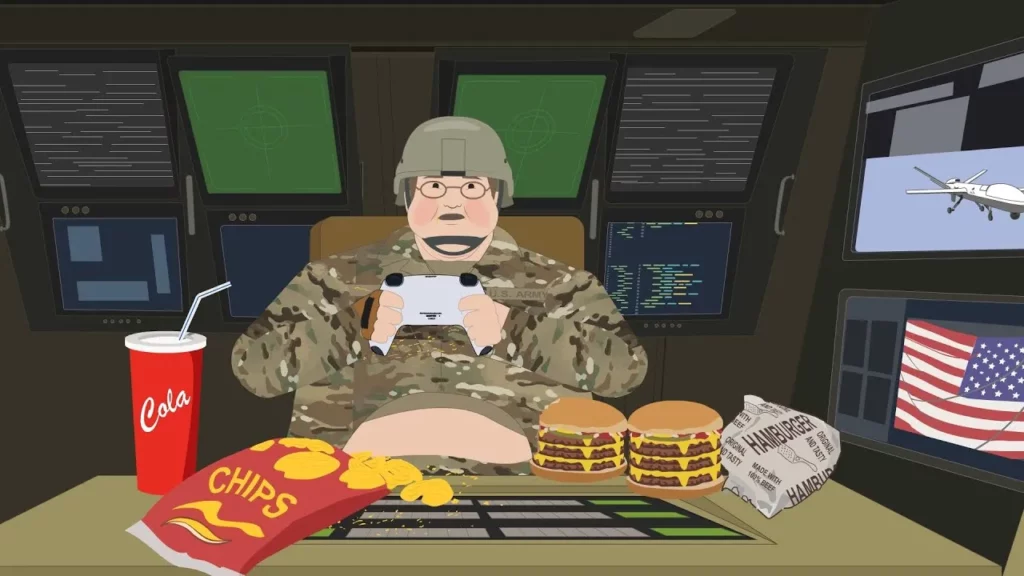
The lesson explores the evolution of military rations from ancient times to the modern era, highlighting the challenges of feeding soldiers throughout history. It discusses how early armies relied on local resources and traditional preservation methods, while advancements in food preservation, such as canning, revolutionized military supplies. Today, modern rations like MREs (Meals Ready to Eat) provide soldiers with nutritious, varied, and easily transportable meals, reflecting significant improvements in logistics and food technology.
The Heroic One Man Last Stand that was Caught on Camera
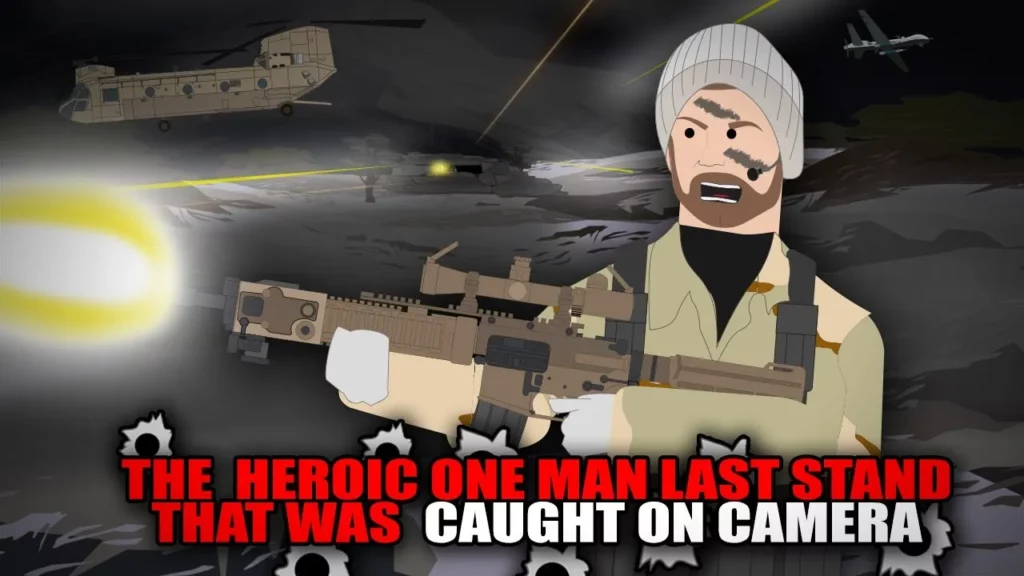
The lesson recounts the heroic actions of U.S. Air Force Sergeant John Chapman during the Battle of Takur Gar in Afghanistan on March 4, 2002, where he displayed extraordinary bravery in the face of overwhelming enemy fire. Despite being gravely wounded, Chapman continued to fight for 40 minutes, ultimately sacrificing his life to protect his team and secure their mission. His valor was recognized posthumously with the Medal of Honor, serving as an enduring symbol of courage and sacrifice in military service.
Spring Heeled Jack (Strange Stories)

The lesson explores the legend of Spring-Heeled Jack, a mysterious figure who terrorized London in the 19th century with reports of his frightening appearance and supernatural abilities, such as jumping great heights. Despite numerous claims of encounters, most victims were left unharmed, and the legend grew through sensational media coverage, leading to widespread panic and fascination. Ultimately, the true identity and nature of Spring-Heeled Jack remain elusive, sparking theories about pranks, media exaggeration, and potential real-life figures involved in the myth.
The Great Missouri Train Robbery (1874)
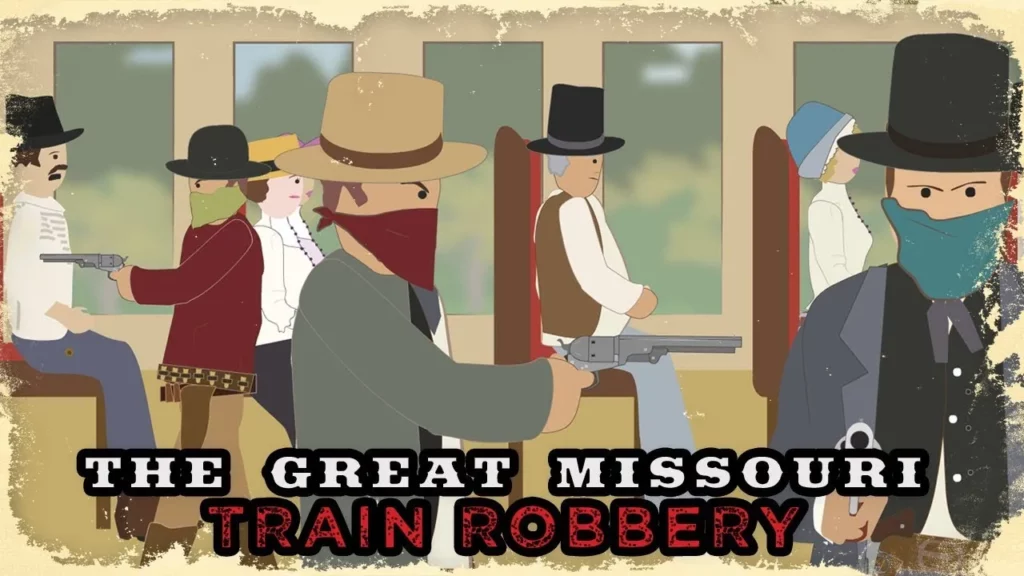
The Great Missouri Train Robbery in 1874 marked a significant moment in the history of American crime, showcasing the lawlessness of the western frontier during a time of modernization. The infamous James-Younger gang, including Jesse and Frank James, executed a daring daylight robbery in the small community of Gads Hill, Missouri, where they overpowered the train crew and selectively robbed passengers, all while creating a theatrical spectacle that captured public attention. Despite a massive manhunt, the gang successfully evaded capture, highlighting the challenges of law enforcement in the rapidly changing landscape of the American West.