
Stolen Valor (Fake Soldiers)
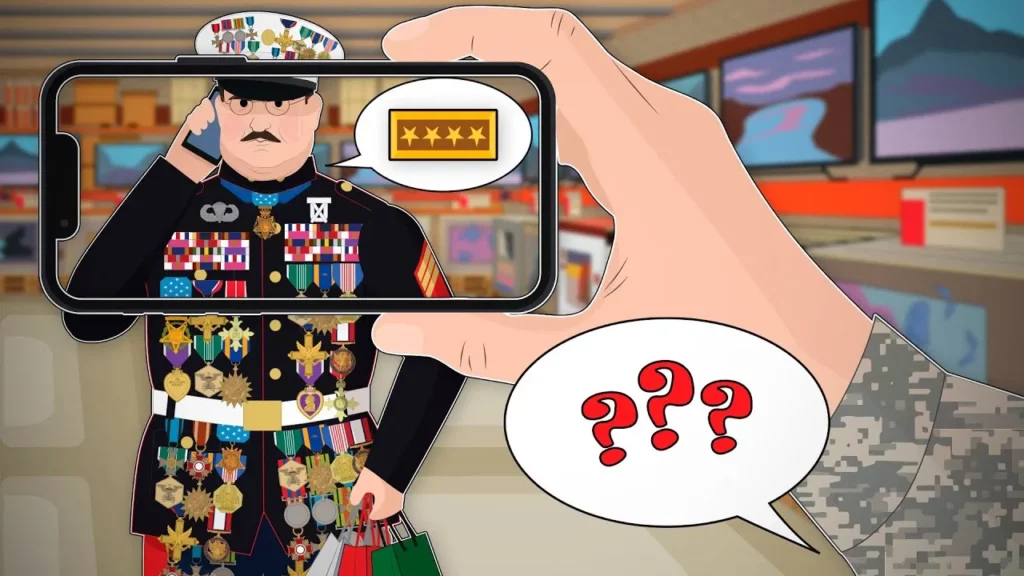
The lesson on “Faking It Until They Make It: Cases of Stolen Valor” explores the phenomenon of individuals falsely claiming military service or exaggerating their military achievements for personal gain, a practice known as Stolen Valor. It discusses the legal framework established by the Stolen Valor Act of 2005, which criminalizes such impersonation and outlines the penalties for offenders, while also addressing the ongoing debates surrounding freedom of speech and the role of social media in exposing these imposters.
What simple invention ended the Wild West?
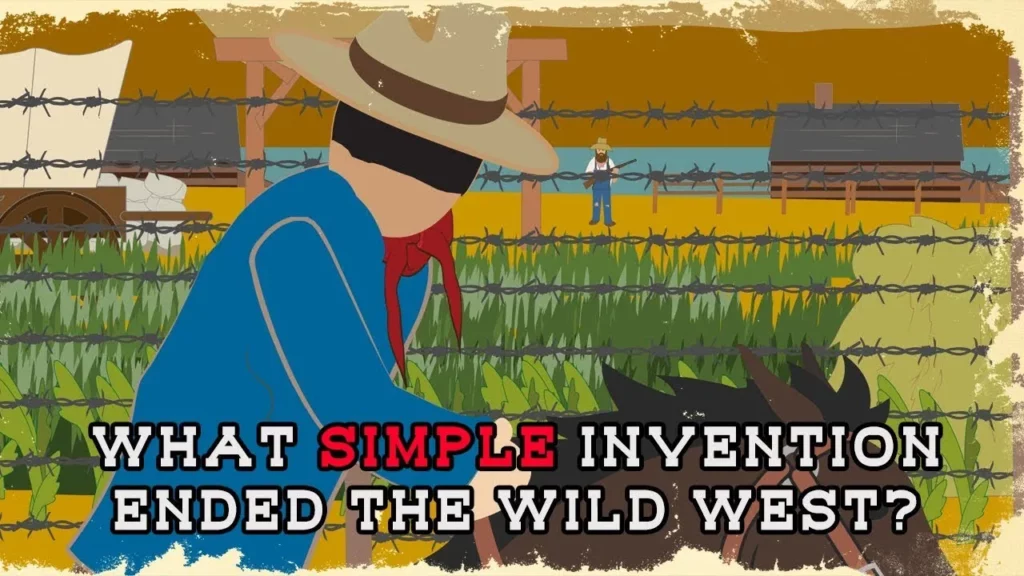
The lesson discusses how the invention of barbed wire, patented by Joseph Glidden in 1874, significantly transformed the Wild West by allowing farmers to protect their crops from roaming cattle. While it provided a practical solution for land management, it also led to conflicts between cattlemen and farmers, as well as tensions with Native Americans, ultimately contributing to the end of the Wild West era. Barbed wire not only changed the landscape but also altered the dynamics of land ownership and usage in the region.
Sikh Bayonet Charge Hero - Wipe out at Bum La Pass
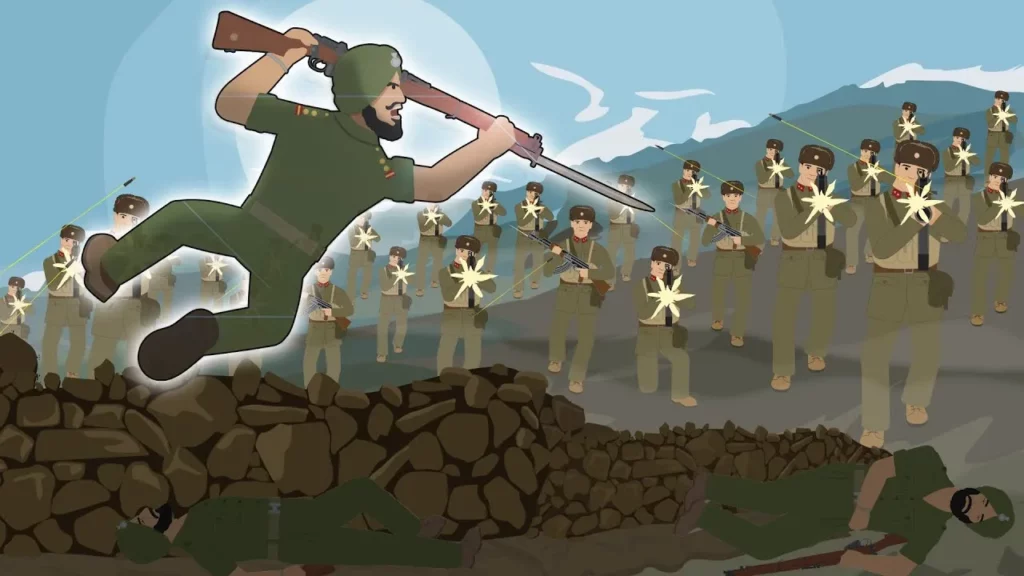
The lesson highlights the heroic actions of Jokinder Singh during the 1962 Sino-Indian conflict at Bumla Pass, where he led a small platoon against overwhelming Chinese forces. Despite facing severe disadvantages, including inadequate supplies and harsh weather, Singh’s leadership and bravery in combat, including a desperate bayonet charge, exemplified extraordinary valor. His ultimate sacrifice and recognition with the Param Vir Chakra underscore his legacy as a symbol of courage in the face of adversity.
Korean People’s Army Guards who Escaped North Korea
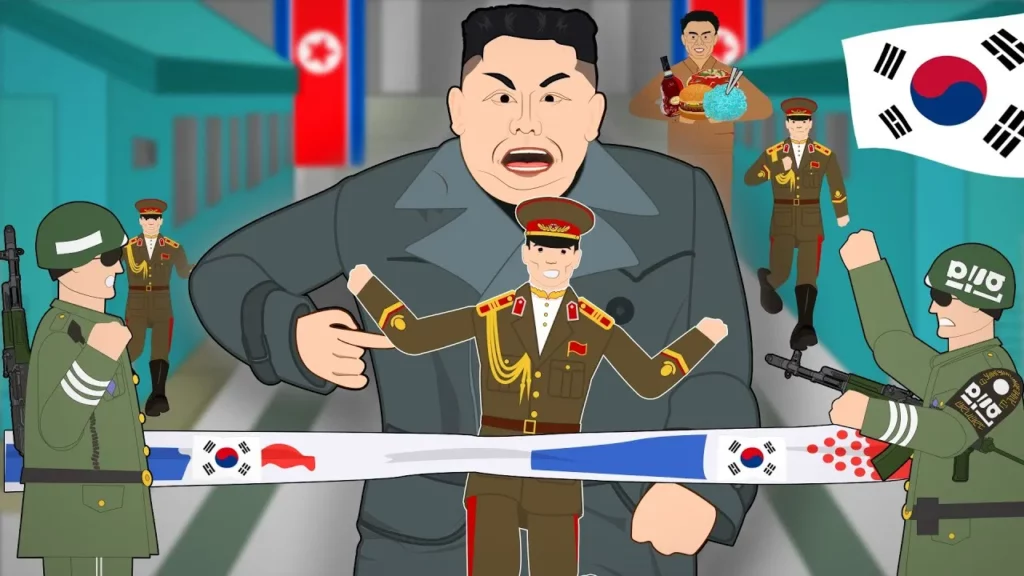
The lesson “Deadly Escapes from North Korea” explores the historical context of the Korean Peninsula’s division and the oppressive regime in North Korea under the Kim Dynasty. It highlights the severe human rights abuses faced by North Koreans, the perilous journeys many undertake to escape, and the challenges they encounter, including exploitation and the risk of repatriation. Notable escape stories illustrate the dangers and resilience of defectors seeking freedom and a better life.
Press Gangs (Impressment)
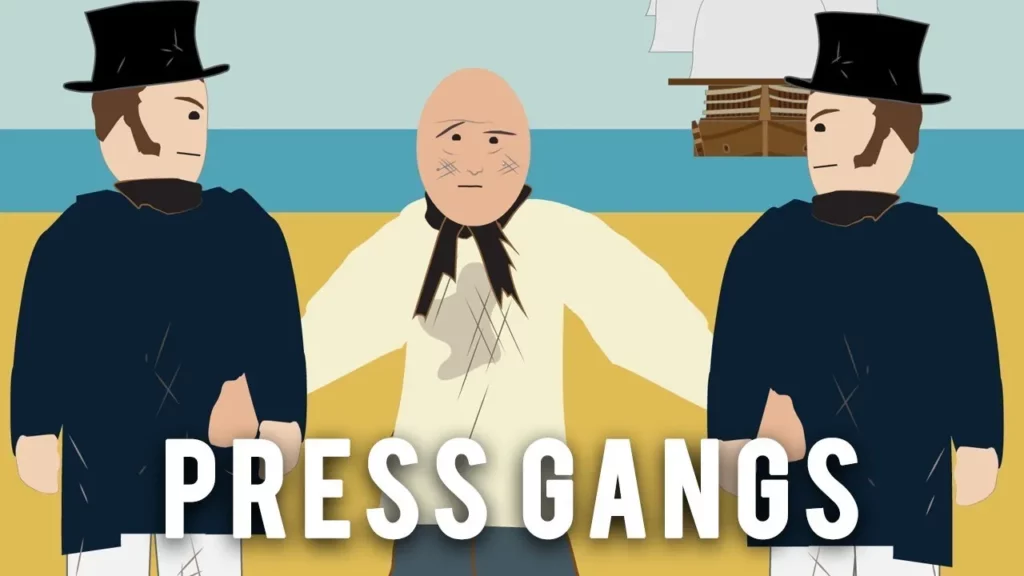
The lesson on “Press Gangs: Forced Recruitment” explores the practice of impressment used by the British Royal Navy from the 16th to the mid-19th century to address sailor shortages, particularly during wartime. Press gangs, legalized by Queen Elizabeth in 1563, forcibly recruited men, often leading to public unrest and resistance, as many viewed this practice as a violation of personal freedom. The widespread impressment of American sailors contributed to rising tensions between the United States and Britain, ultimately leading to the War of 1812.
The Space Shuttle

The Space Shuttle, developed by NASA in the late 1960s, was a groundbreaking reusable spacecraft that facilitated various missions, including astronaut transport, satellite launches, and scientific experiments in space. Comprised of three main components—the orbiter, external tank, and solid rocket boosters—the shuttle was notable for its innovative design and operational capabilities, completing 135 missions before the program concluded in 2011. Despite its significant achievements, the program faced tragic losses, including the Challenger and Columbia disasters, highlighting both the risks and advancements in space exploration.
How Long Would You Survive In The Past?
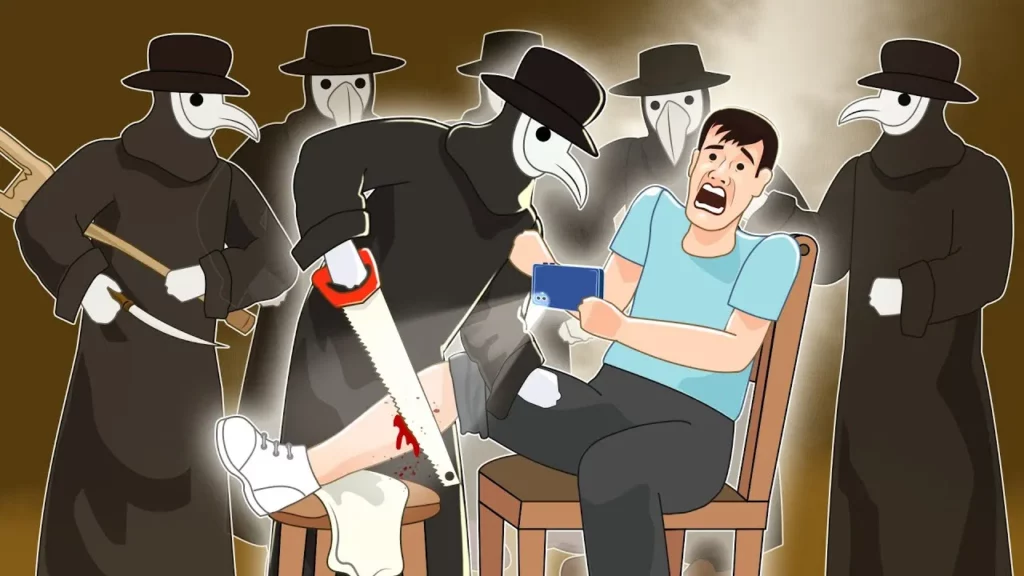
The lesson explores the stark contrasts between life in 2023 and the past, highlighting the numerous challenges faced by people historically. It discusses the dangers of medical procedures like amputations without anesthesia, the lack of effective vaccinations leading to widespread disease, the perils of travel, the harsh realities of winter, and the use of harmful beauty products. Overall, it emphasizes the advancements in technology and medicine that have significantly improved safety and quality of life today.
Drunkard’s Cloak (Weird Punishments in History)
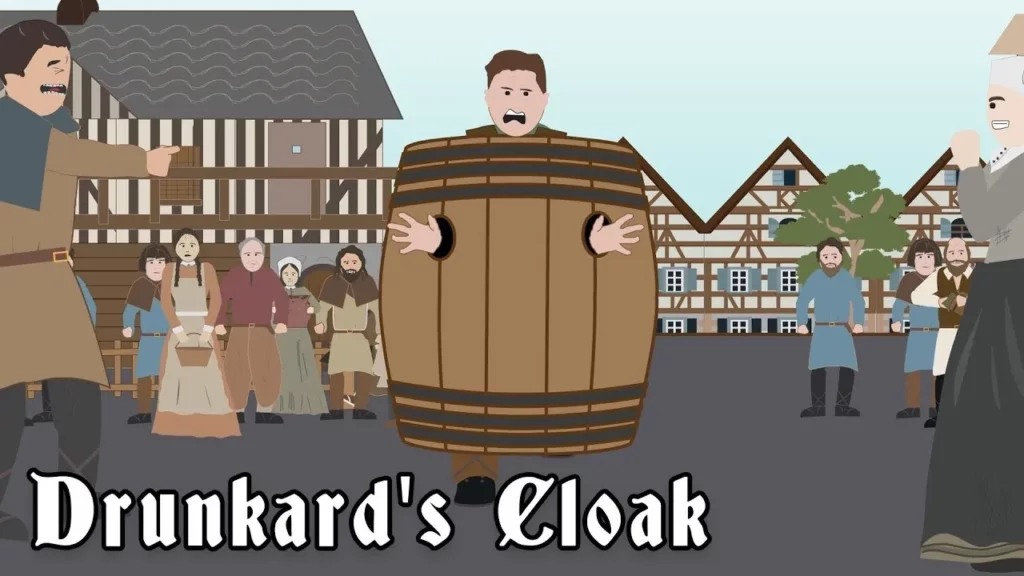
The “drunkard’s cloak” was a historical punishment used in medieval and early modern Europe to publicly shame individuals caught drunk in public. Resembling a large wooden barrel with holes for the head and arms, it was designed for humiliation, with offenders paraded through the streets. This punishment gained popularity in England following the Alehouse Act of 1550 and continued to be used in America until the Civil War, reflecting societal attitudes toward public misbehavior and the role of shame as a deterrent.
What was duct tape used for in the Vietnam war?
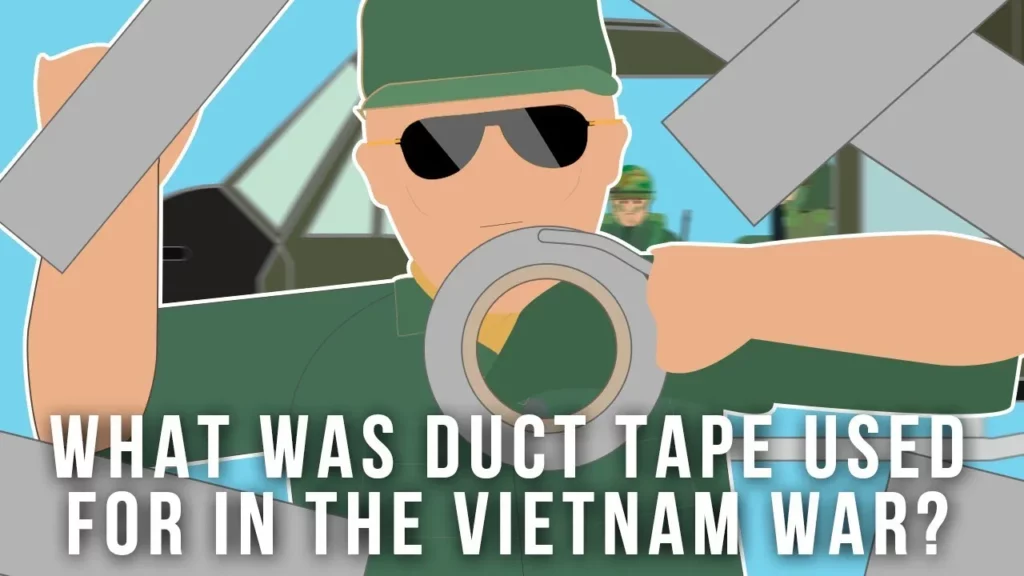
Duct tape, originally developed during World War II, played a crucial role in the Vietnam War by providing soldiers with a versatile tool for quick fixes, such as taping magazines together for faster reloading and patching helicopter rotor blades to maintain performance. Its utility extended beyond the Vietnam War, being used in various military operations and even in space missions, demonstrating its significance as a reliable solution in critical situations throughout history.
The Corinthian Helmet (Ancient Greece)
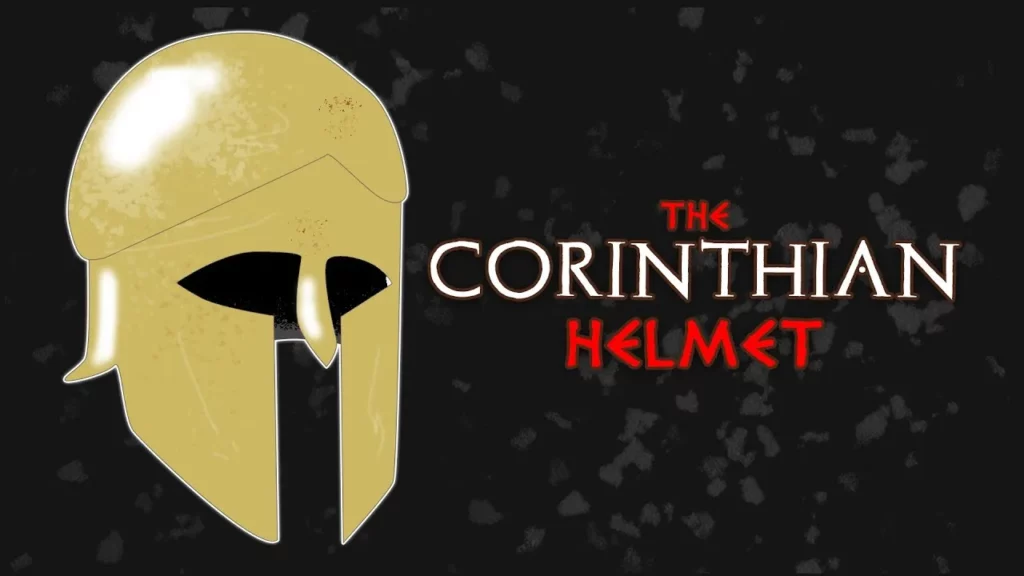
The Corinthian helmet, a significant piece of ancient Greek military equipment, was primarily used by hoplites from the eighth to the early fifth century BC. This bronze helmet, known for its protective design and T-shaped openings, was essential for soldiers in battle, despite its limitations in comfort and visibility. As military strategies evolved, so did helmet designs, leading to the eventual replacement of the Corinthian helmet by more open styles that prioritized enhanced vision and hearing.