
Where did Neutral Spain fight in WWII?
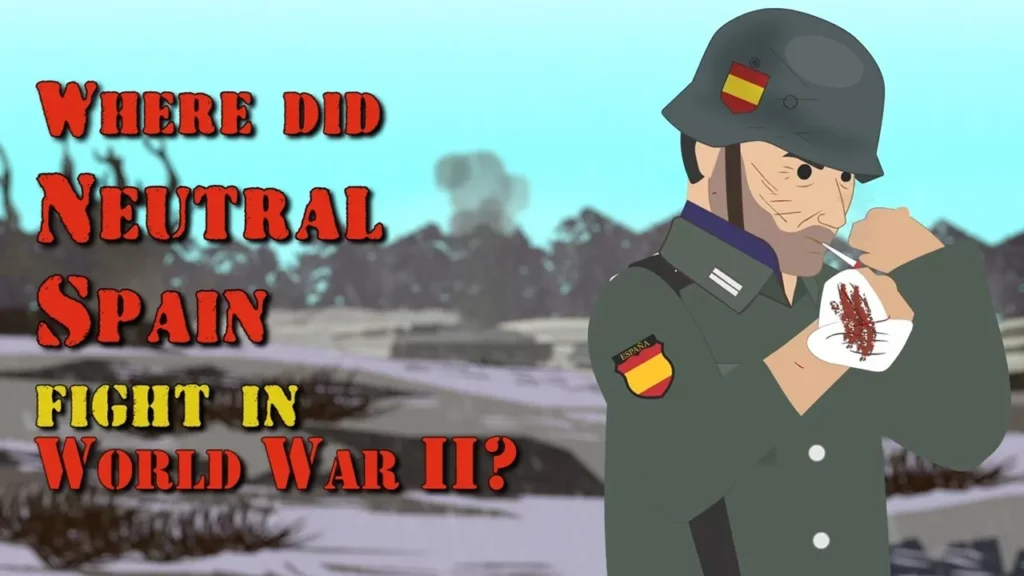
During World War II, Spain maintained a neutral stance while its fascist regime under Francisco Franco leaned towards the Axis powers, allowing Spanish citizens to volunteer for the German army and forming the Blue Division. This unit, composed mainly of Phalangist volunteers, fought on the Eastern Front against the Soviet Union, participating in numerous battles despite facing harsh conditions and significant casualties. Ultimately, international pressure led to the division’s repatriation by 1943, although some volunteers continued to fight until the war’s end, leaving a controversial legacy marked by both valor and alignment with Nazi Germany.
British SAS (World War II)
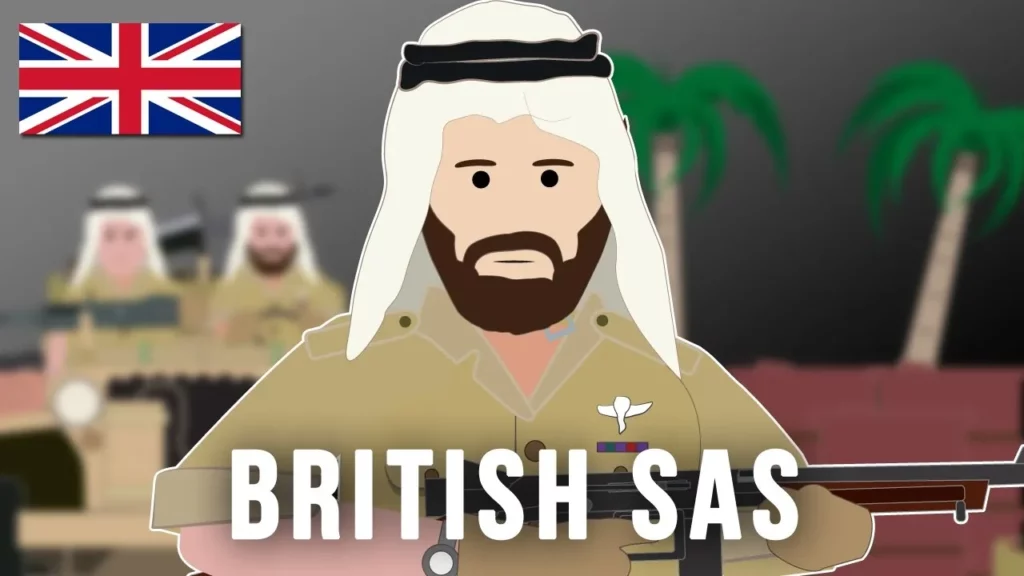
The British Special Air Service (SAS), founded by David Stirling in 1941, was an elite unit designed for covert operations behind enemy lines during World War II, particularly in North Africa. Despite initial setbacks in their first mission, Operation Squatter, the SAS quickly adapted and became a formidable force, successfully destroying numerous enemy aircraft and expanding their operations into Europe, where they played key roles in the Italian campaign and the Normandy invasion. The SAS’s innovative tactics and significant contributions throughout the war established them as one of the most effective special forces units in history, leading to their reformation in 1947 after being disbanded post-war.
Shameless Copycat Guns in History

The lesson “Shameless Copycat Guns in History” explores the complexities of weapons manufacturing, highlighting how countries often resort to producing firearms under license or through unlicensed copying due to the high costs and expertise required for original designs. It examines historical examples, such as the British Sten and its German counterpart the MP3008, the Israeli Galil based on the AK-47, and various Chinese and Yugoslavian adaptations of American and German weapons, illustrating the political and diplomatic implications of these copycat designs. Ultimately, the lesson underscores the prevalence of imitation in the arms industry, whether through legitimate licensing or industrial espionage.
Air Force One
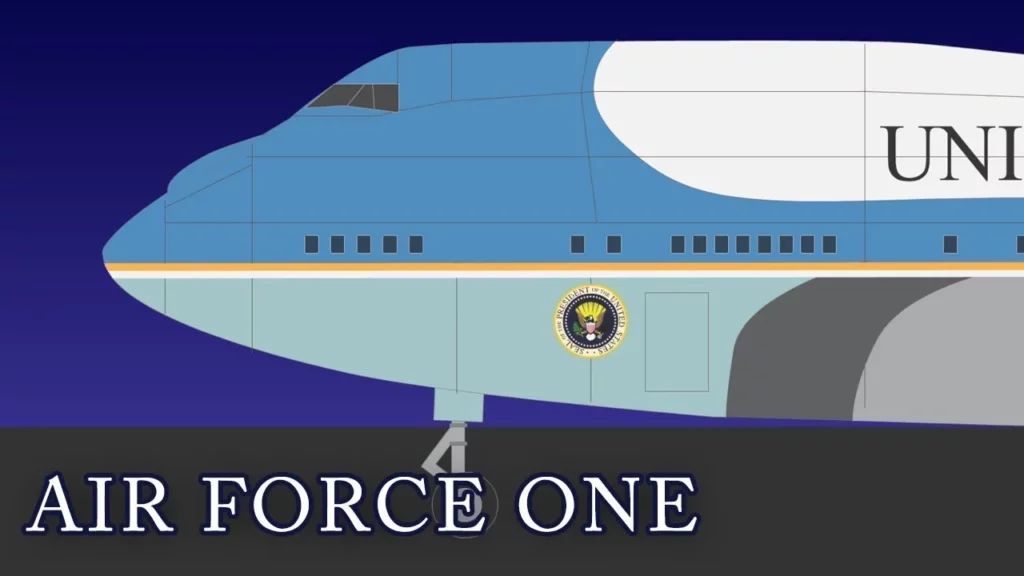
The lesson “Air Force One: A Journey Through Time” explores the history and significance of Air Force One, the call sign for any aircraft carrying the President of the United States. It details the evolution of presidential planes from the first dedicated aircraft in 1945 to the modern Boeing 747s, highlighting their advanced security features and multifunctional roles as mobile command centers. The lesson also touches on the future of Air Force One, with plans for a new variant due to rising maintenance costs.
‘White Feather’ The Marine Sniper Who Shot through an Enemy’s own Rifle Scope
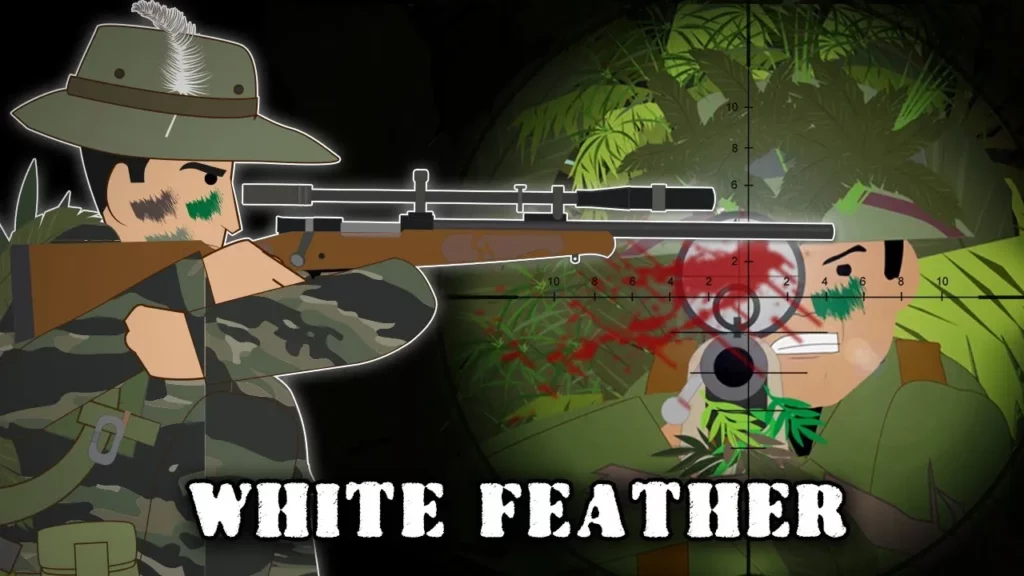
The lesson on Carlos Hathcock, known as “White Feather,” highlights his extraordinary skills as a U.S. Marine sniper during the Vietnam War, where he achieved at least 93 confirmed kills and became a legendary figure in military history. Despite facing moral dilemmas and the challenges of transitioning to civilian life after his service, Hathcock’s legacy endures through his contributions to sniper training and the continued recognition of his marksmanship, exemplified by the M25 White Feather Tactical Rifle named in his honor. His story reflects both the complexities of warfare and the profound impact one individual can have on military tactics and training.
Who Would Have Replaced an Assassinated Hitler in 1943?
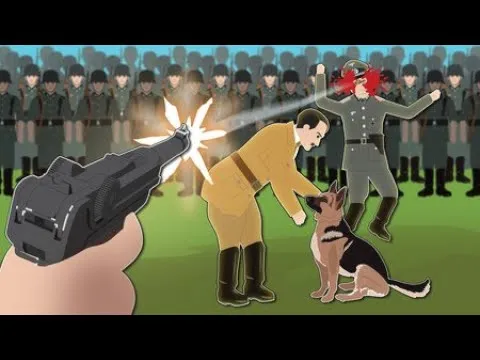
The lesson explores the potential successors to Adolf Hitler in the event of his assassination in 1943, highlighting the complex hierarchy of Nazi Germany and the key figures who could have taken over. It examines candidates such as Heinrich Himmler, Hermann Göring, Joseph Goebbels, and military leaders like Field Marshal Erwin Rommel, each with distinct strengths and weaknesses that would have influenced their leadership capabilities. Ultimately, the outcome of such a scenario would have depended on various factors, including political dynamics and military support, reflecting the intricate power structures within the Nazi regime.
Sniper Decoys: Dummy Heads
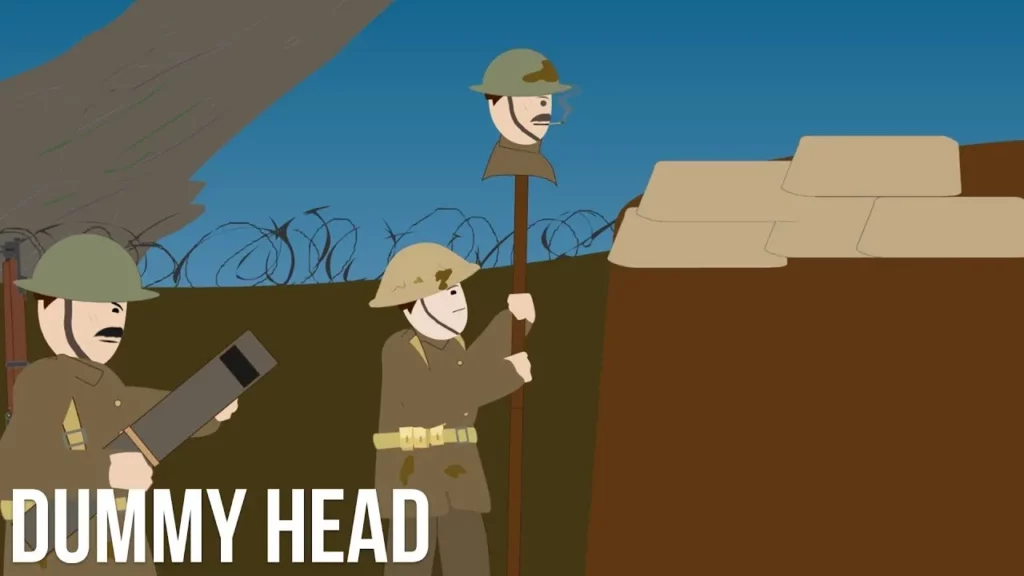
The lesson discusses the evolution of snipers during World War I, highlighting their increased effectiveness due to the use of scoped rifles and improved camouflage techniques. To counter the threat posed by snipers, soldiers developed innovative decoys, particularly realistic paper mache heads that could attract sniper fire and reveal their positions. This tactic, initially adopted by the British, showcased the ingenuity of military strategies in response to the challenges of trench warfare.
Why were Italian Tanks so bad? (World War II)
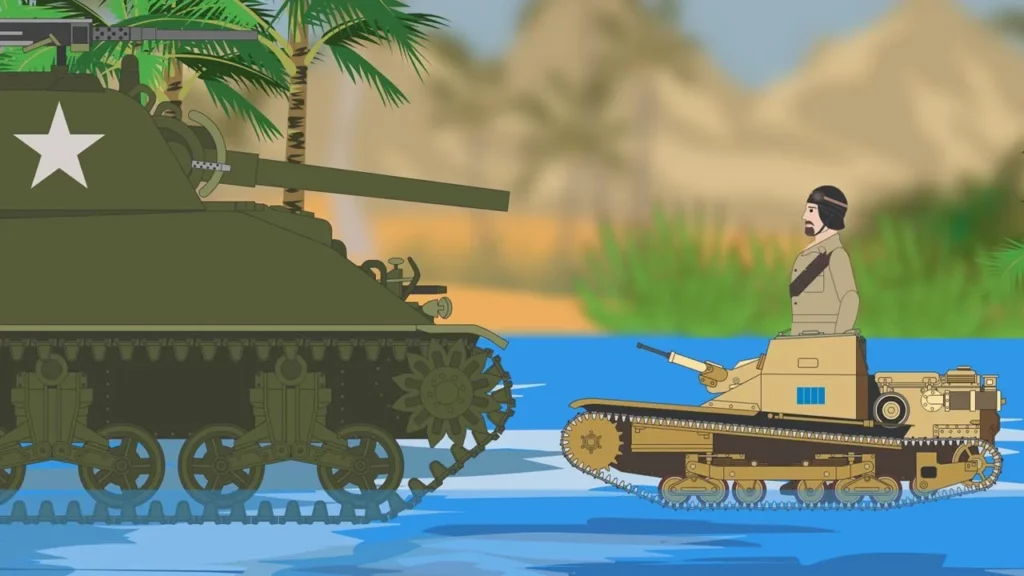
The lesson explores the shortcomings of Italian tanks during World War II, highlighting their early adoption of tank technology but subsequent failures in design, production, and training. Key examples include the Fiat 3000 and CV-33, which were outdated and ineffective by the war’s onset, as well as the M1340 medium tank, which suffered from thin armor and poor crew training. Despite these challenges, Italy learned from its experiences and later developed the successful Ariete main battle tank, reflecting significant advancements in military technology.
The Weaponry of the Blood Thirst Viking Raiders!
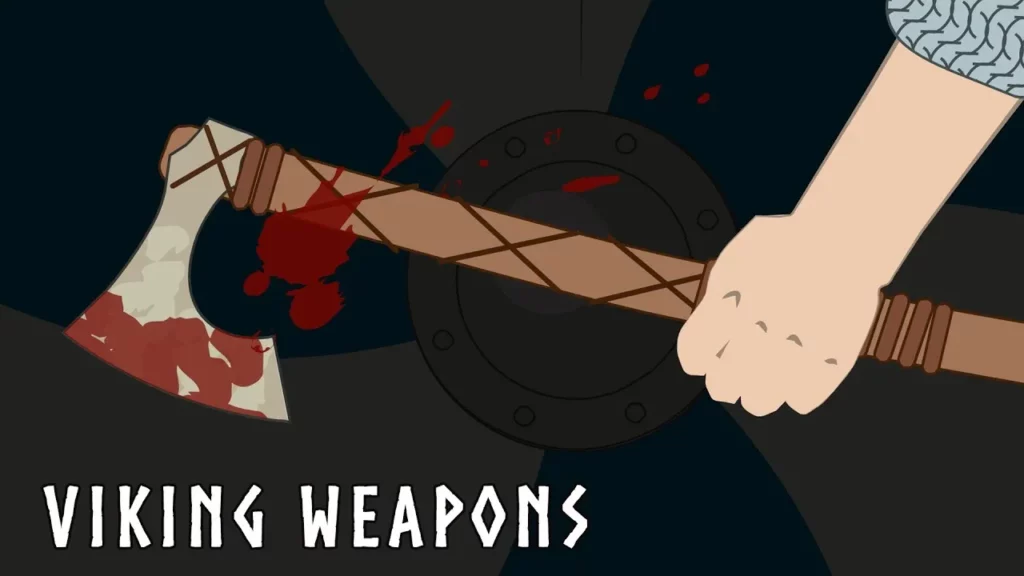
The lesson on “The Weaponry of the Viking Raiders” highlights the practicality and versatility of Viking weapons, emphasizing that they were not only fierce warriors but also strategic in their approach to warfare. Key weapons included the spear, which was favored for its multifunctionality, as well as axes and knives for both combat and daily tasks. Additionally, the lesson covers the significance of swords as status symbols, the use of bows and arrows for long-range attacks, and the importance of protective gear and battle tactics, all underscored by the Vikings’ fearless fighting spirit.
Strange Famous Deaths in History
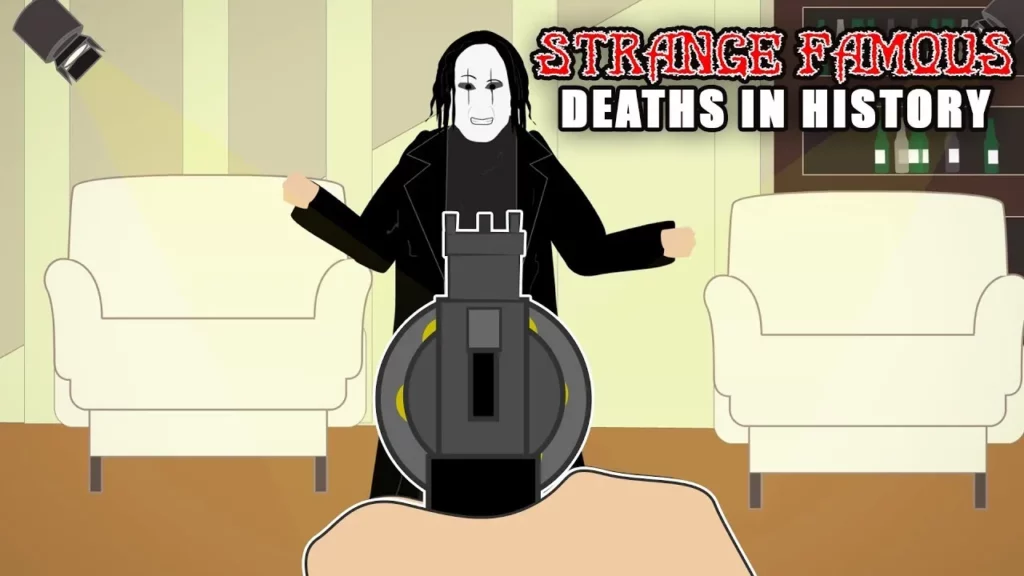
The lesson explores a selection of bizarre and tragic deaths of famous individuals from the 20th century, highlighting the unexpected circumstances surrounding their demises. Notable cases include Brandon Lee, who was accidentally shot on a movie set, Bandou Mitsugorou, who died from fugu poisoning, Isadora Duncan, who was killed by her own scarf, and Harry Houdini, whose death resulted from a punch to the stomach that led to a burst appendix. Each story illustrates the unpredictability of life and the often ironic nature of fate.