
The WW2 B-17 “Flying Fortress”
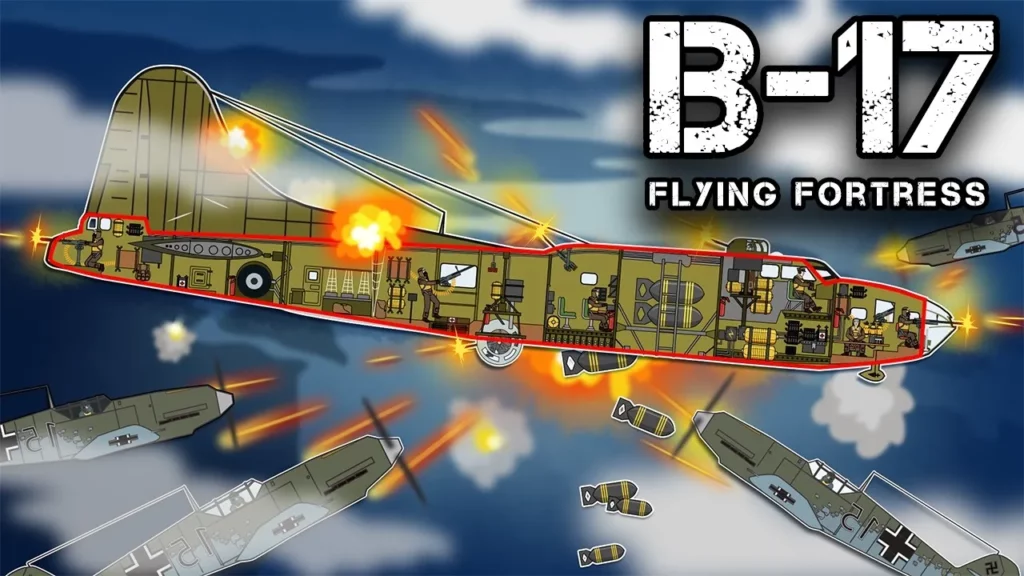
The B-17 Flying Fortress was a pivotal aircraft in World War II, known for its bombing capabilities and defensive armament, which earned it the nickname “flying fortress.” Despite its formidable design, the B-17 posed significant risks to its crew, particularly the vulnerable ball turret gunners, and faced numerous challenges during dangerous bombing missions. Ultimately, the B-17’s strategic bombing efforts contributed to the weakening of Germany’s military and industrial strength, leaving a lasting legacy as one of the most iconic planes in aviation history.
Concorde (Supersonic Passenger Jet Airliner) New York to London in just 3 hours
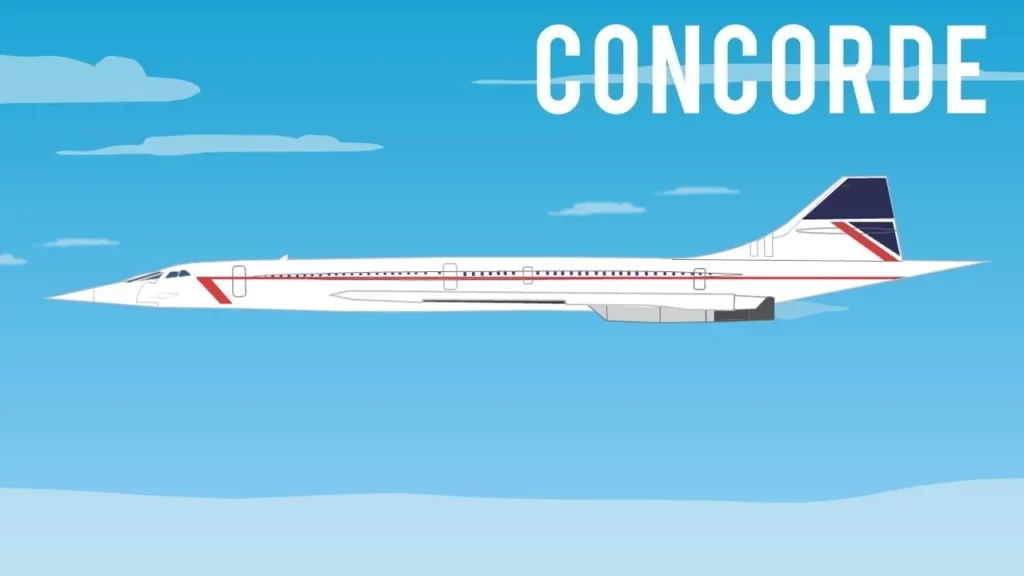
The Concorde was a groundbreaking supersonic passenger jet developed through a collaboration between the UK and France, with its first flight occurring in 1969 and commercial operations starting in 1976. Known for its incredible speed, cruising at Mach 2, it significantly reduced travel time between major cities like New York and London, though high ticket prices limited its accessibility. Despite its technological achievements, the Concorde was retired in 2003 following a tragic accident and ongoing financial challenges, marking the end of an era in aviation history.
What is the FSB and why is it so Feared?
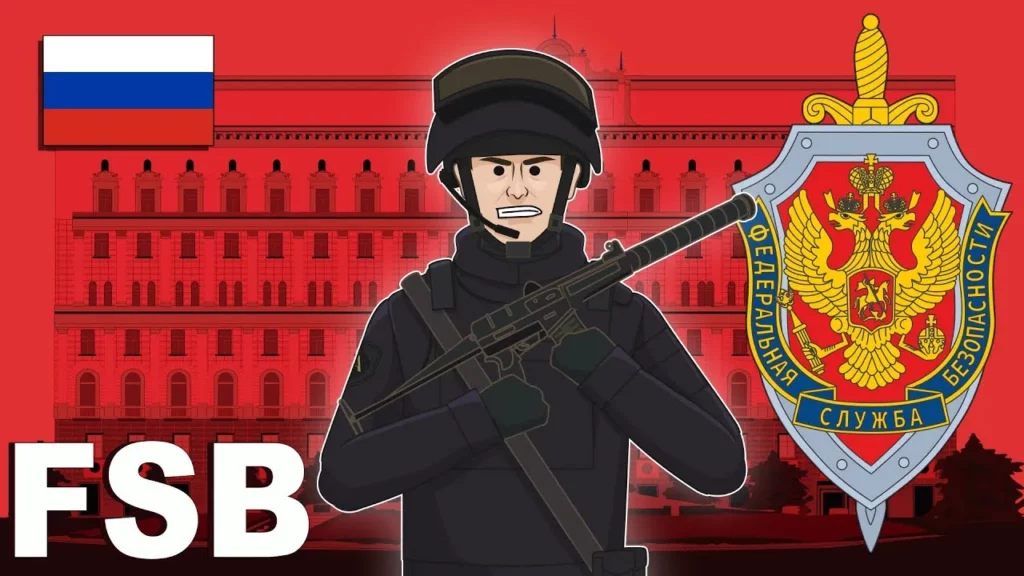
The lesson explores the history and evolution of Russia’s Federal Security Service (FSB), tracing its origins from the 16th-century oprichniki to the modern agency established in 1995. It highlights the FSB’s role in internal security, intelligence gathering, and counter-terrorism, while also addressing its controversial methods and involvement in political repression. The FSB’s significant influence in contemporary Russia reflects a longstanding tradition of state policing that has shaped the country’s governance and societal dynamics.
The Biggest Frauds In History
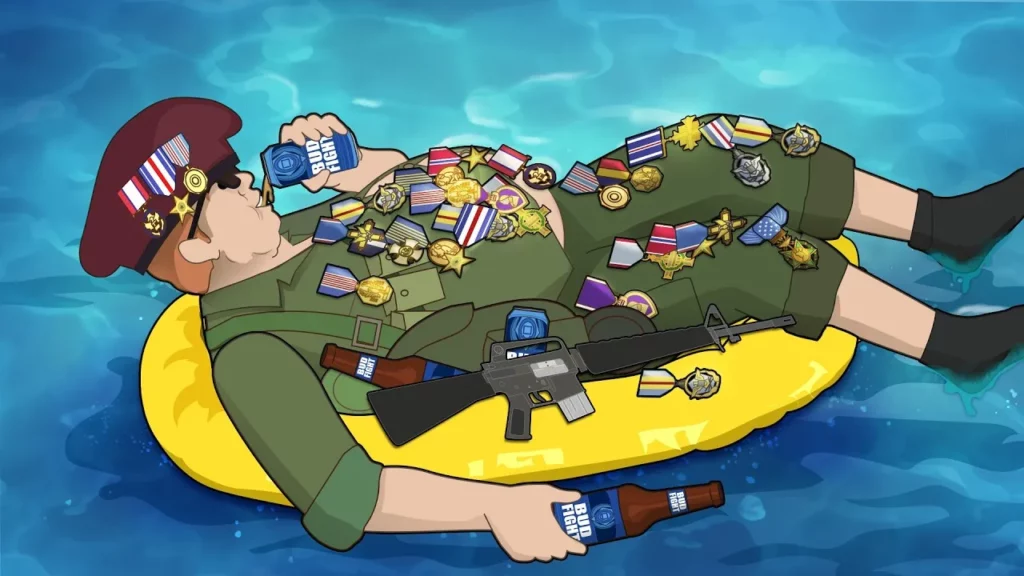
The lesson explores notable historical frauds, focusing on Frank William Abagnale Jr., who famously impersonated various professionals, including a pilot and a lawyer, to travel the world and commit fraud. It also discusses the concept of Stolen Valor, highlighting legal measures against individuals falsely claiming military service, and examines the Watergate scandal, which significantly eroded public trust in the U.S. government following a politically motivated break-in and subsequent cover-up by President Nixon’s administration.
Strange Gun Upgrades in History
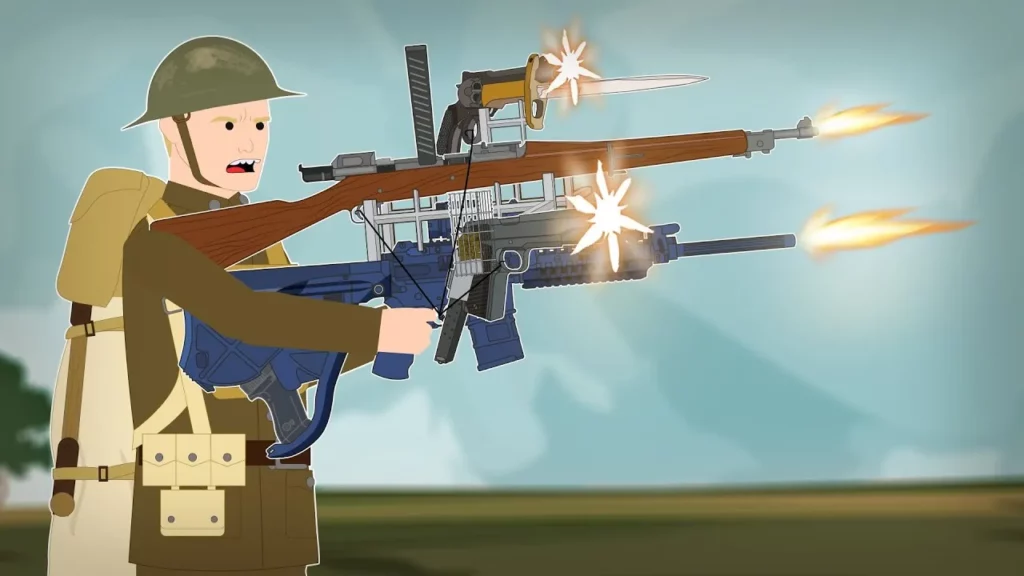
The lesson explores the evolution of weapon upgrades throughout history, highlighting how designers have adapted firearms to meet the demands of combat. It discusses several unusual modifications, such as the Pritchard Greener revolver bayonet, the M1911 pistol with an extended magazine and brass catching cage, the Mule adaptive storage stock, and the Peterson device, each aimed at enhancing performance, safety, or practicality in warfare. These innovations reflect the creativity and necessity that drive advancements in military technology.
Worst MRES vs the Best MRES
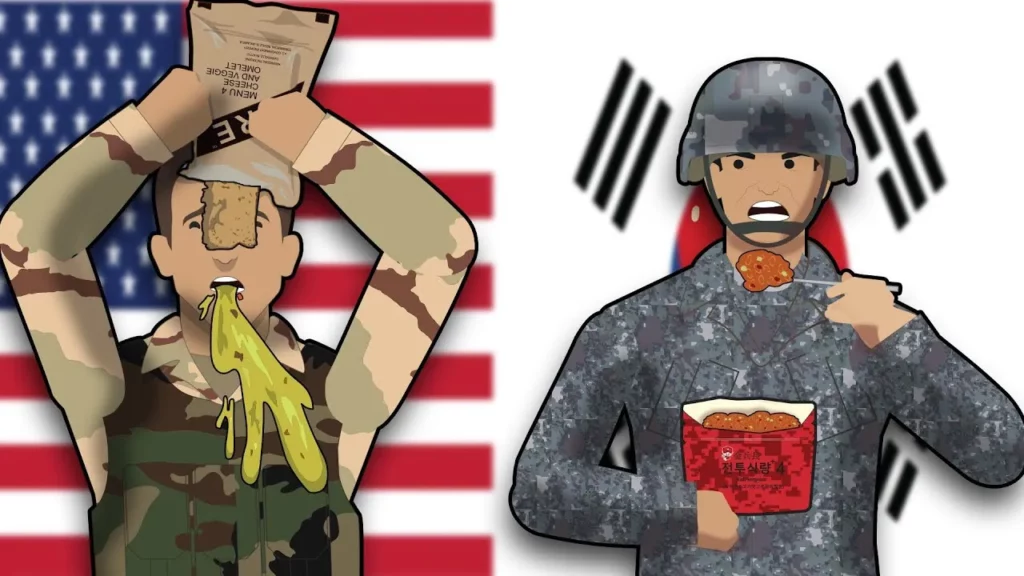
This lesson explores the contrasting quality of Meals Ready to Eat (MREs) used by soldiers, highlighting both the worst and best options available. While some MREs, like the cheese and vegetable omelette and biscuit browns, have gained notoriety for their unappetizing taste and texture, others, such as Chili Mac and the Norwegian Arctic Field Ration, are celebrated for their flavor and variety. Ultimately, the lesson emphasizes the importance of these meals in sustaining soldiers during their missions.
Did Polish Cavalry charge at Tanks in WWII?
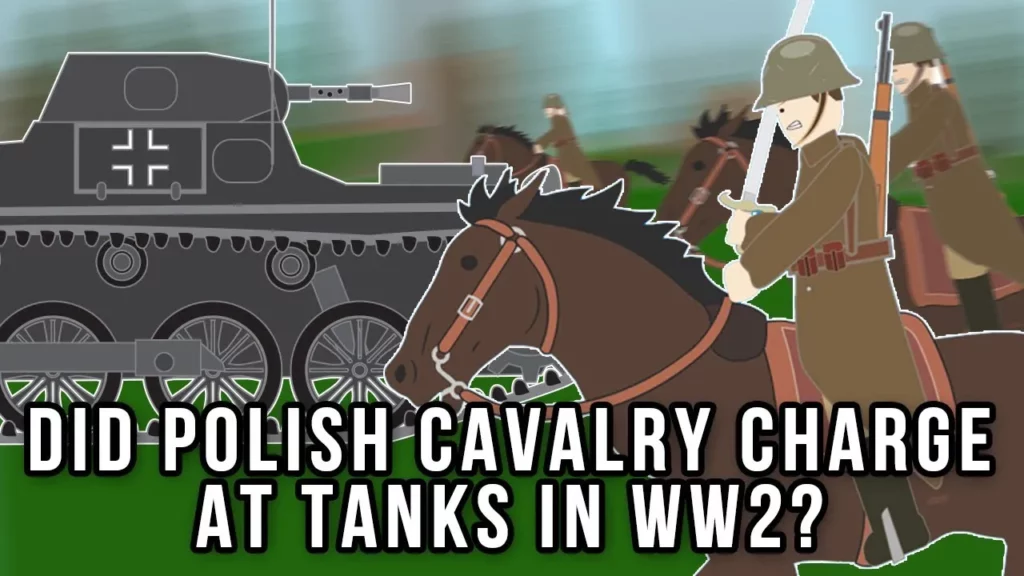
The lesson explores the myth surrounding Polish cavalry charging German tanks during World War II, particularly focusing on the Battle of Krojanty in September 1939. While Polish cavalry did engage in a surprise charge against German infantry, the narrative was distorted by propaganda to suggest they recklessly attacked tanks, overshadowing their actual military tactics and bravery. Ultimately, the lesson highlights the importance of understanding historical events accurately, rather than relying on sensationalized accounts.
Witch Trial: Ducking Stools
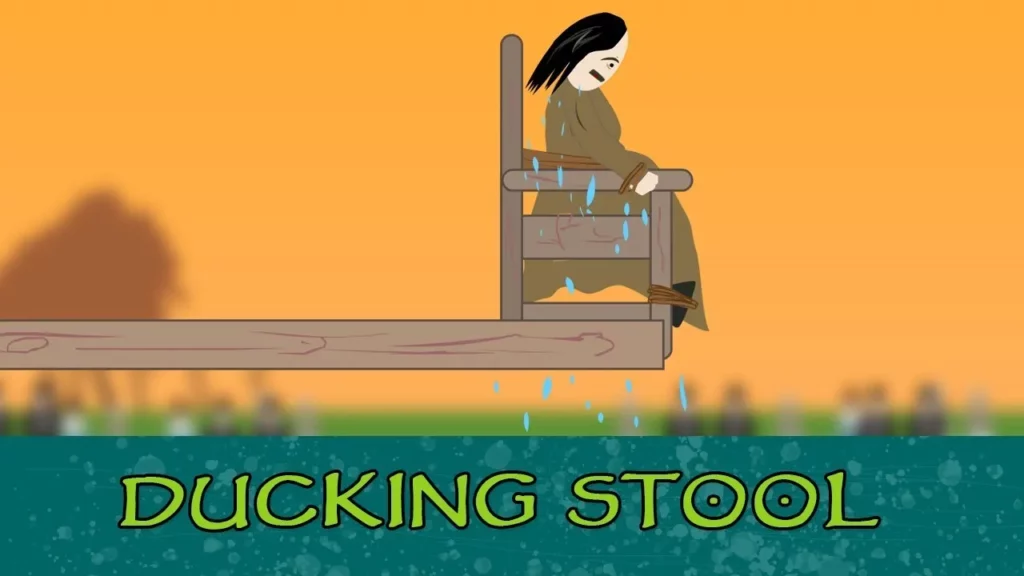
The lesson discusses the historical punishments of cucking and ducking stools in Britain from the 13th to the 17th century, which were designed to publicly shame individuals for minor offenses and, in some cases, to test accusations of witchcraft. Cucking stools were used for minor shaming, while ducking stools involved submerging individuals in water, often leading to severe consequences for those accused of witchcraft. The practice of ducking stools continued until the early 19th century, highlighting a grim aspect of societal justice during that era.
Chimney Sweep / Climbing Boy (Worst Jobs in History)
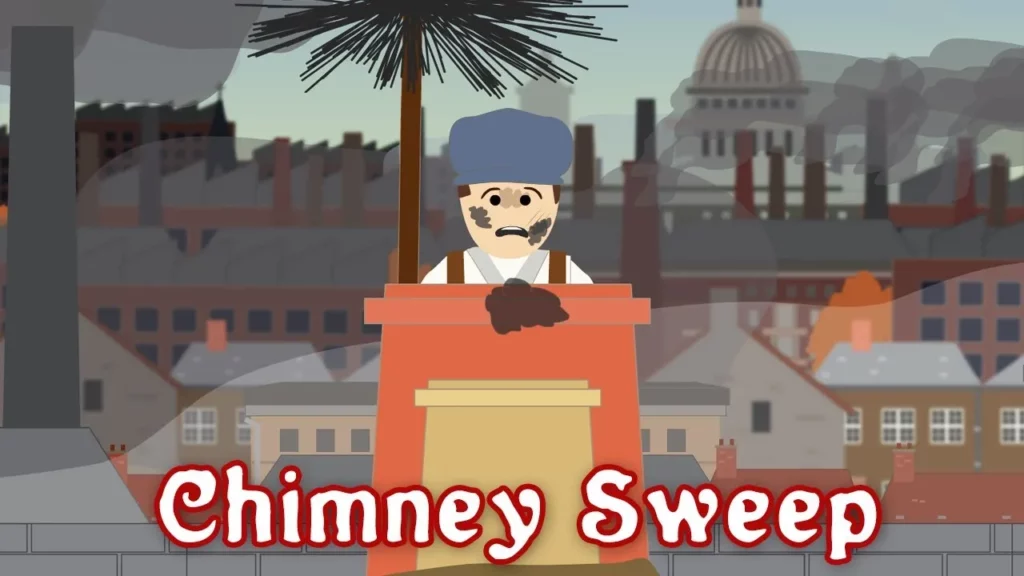
The lesson highlights the difficult and dangerous work of chimney sweeps, particularly focusing on the role of young apprentices known as climbing boys, who were often from impoverished backgrounds. These children faced numerous hazards, including physical injuries and serious health risks from soot exposure, while being exploited by their masters. The lesson also discusses the eventual legal reforms that aimed to protect child laborers, culminating in the 1875 Chimney Sweeps Act, which ended the practice of using young children for chimney cleaning.
The most terrifying sounds and sights in war
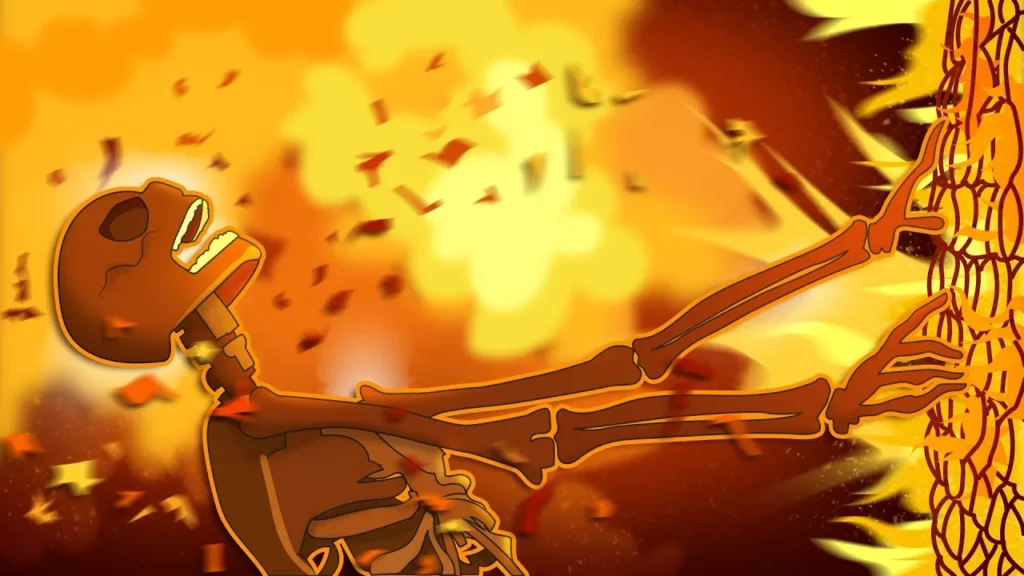
The lesson explores the intense sensory experiences of war, focusing on the terrifying sounds and sights that contribute to the chaos and fear faced by soldiers. Key elements include the overwhelming roar of artillery, the alarming whistle of incoming fire, and the haunting visuals of destruction and human suffering, all of which can lead to significant psychological impacts such as PTSD. Understanding these experiences is crucial for recognizing the emotional toll of combat and the need for adequate support for veterans and active-duty soldiers.