
U.S. B-17 Bomber Crewman (World War II)
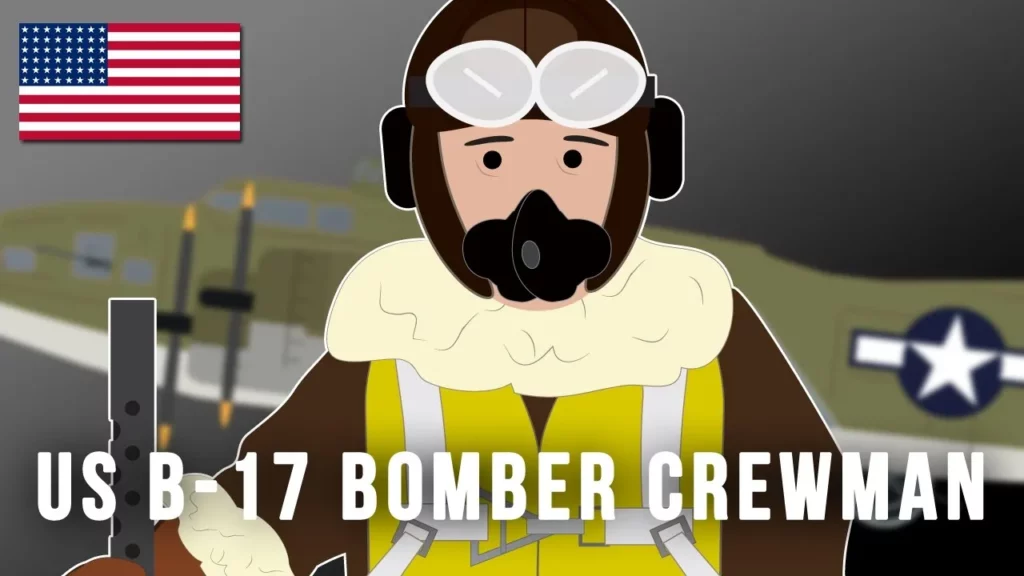
The lesson highlights the vital role of U.S. B-17 bomber crews during World War II, consisting of young volunteers trained for challenging missions. Each crew member had specific responsibilities, from piloting to gunnery, as they conducted strategic bombing campaigns against enemy targets under dangerous conditions. Despite facing significant risks, including enemy attacks and harsh flying environments, these crews demonstrated remarkable resilience, earning the B-17 the nickname “Flying Fortress.”
The Socket Bayonet
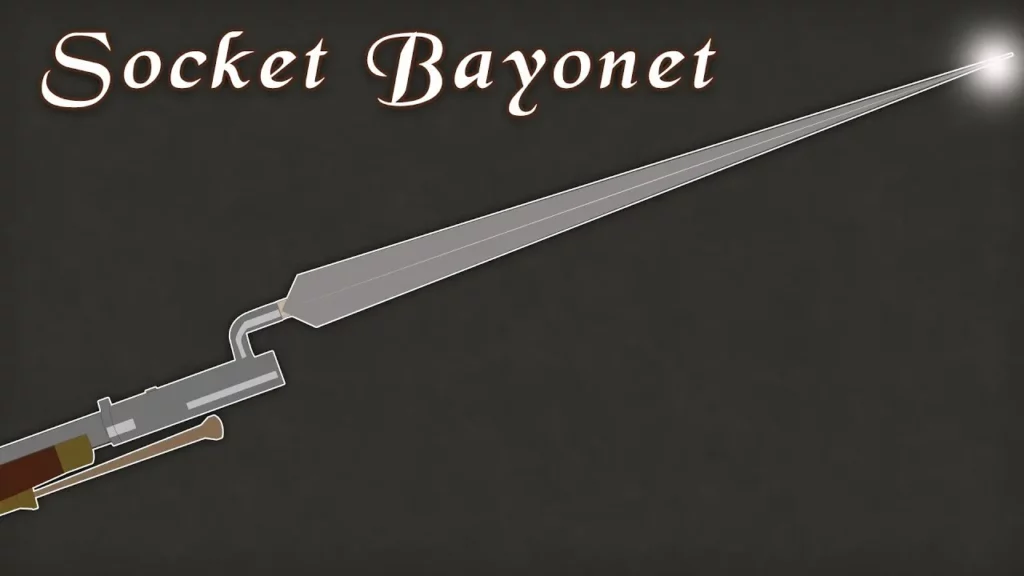
The lesson on the evolution of the socket bayonet outlines its development from a long, cumbersome weapon in the 17th century to a compact tool by the 21st century. Initially designed to address the slow reload time of muskets, the bayonet underwent significant innovations, including the introduction of a twist-lock mechanism and a triangular blade design, which enhanced its effectiveness in combat. Over time, as military tactics evolved and the role of cavalry diminished, bayonets became smaller and more versatile, transitioning from primary melee weapons to multi-purpose tools.
The Hardest Countries To Invade

The lesson discusses the complexities and challenges of invading certain countries, highlighting factors such as geography, logistics, and local resistance that contribute to their defense. Countries like the United States, Switzerland, Russia, Great Britain, and Afghanistan exemplify how terrain, military preparedness, and historical context can make invasions particularly difficult. Ultimately, while no country is entirely invulnerable, some present formidable obstacles that deter potential aggressors.
What happened to the only Japanese passenger on the Titanic?
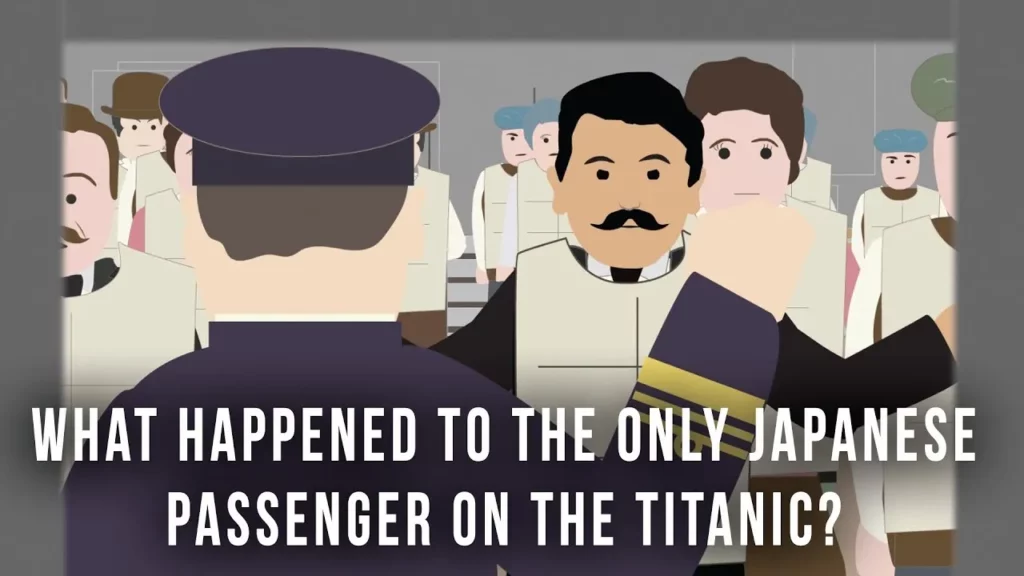
The lesson recounts the harrowing experience of Masabumi Hosono, the only Japanese passenger aboard the RMS Titanic, who survived the disaster after facing significant challenges in securing a place on a lifeboat. Upon returning to Japan, he was met with public scorn and lost his job due to perceptions of dishonor for not adhering to the “women and children first” evacuation rule. Years later, his granddaughter’s discovery of his diary helped to restore his family’s honor by revealing his true feelings and the difficult choices he faced during the tragedy.
Sloped armor: A simple feature that saved many lives
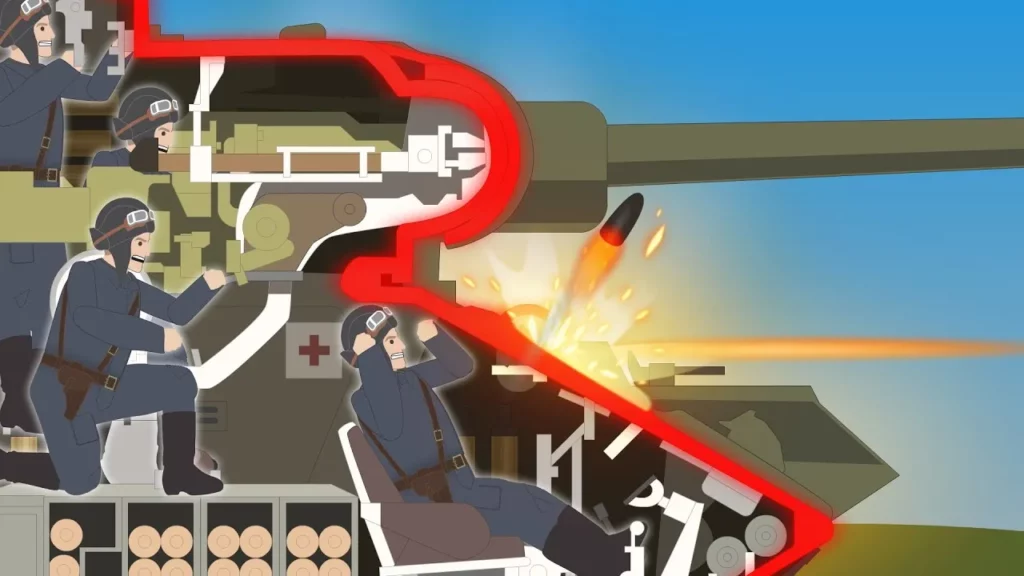
The lesson discusses the evolution and significance of sloped armor in tank design, particularly during World War II. Initially introduced to enhance protection without increasing weight, sloped armor effectively deflected projectiles and increased the effective thickness of tank armor, exemplified by the Soviet T-34. However, as anti-tank weaponry advanced, the limitations of sloped armor became apparent, leading to the development of modern materials and technologies for tank protection.
Cursed guns that shouldn’t have been made
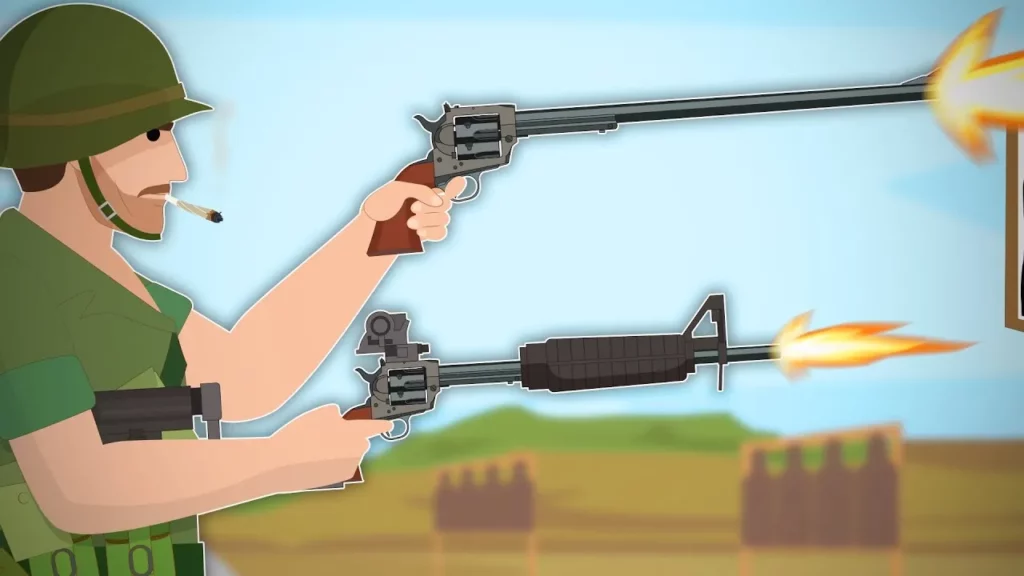
The lesson on “Cursed Guns in History” explores the flawed designs of several infamous firearms that, despite their initial promise, became notorious for their ineffectiveness and safety issues. Key examples include the Colt Model 1855 Revolving Carbine, which suffered from dangerous “cook-offs,” and the Nambu Type 94, known for its accidental discharges. The lesson highlights how these weapons, along with others like the Mars Pistol and Gyrojet, reflect the challenges and failures in firearm innovation throughout history.
Scottish Black Watch (World War I)
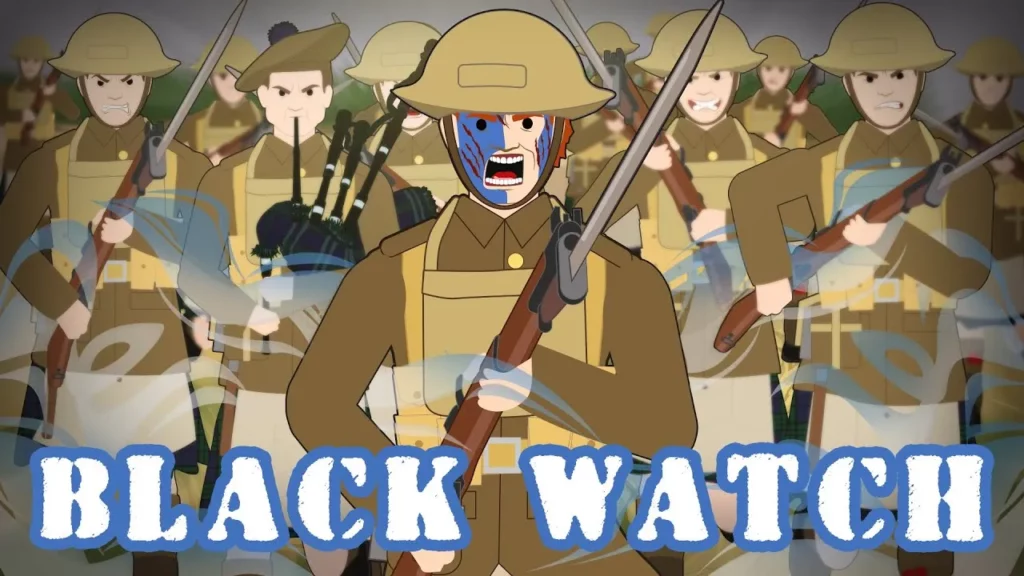
The lesson on the Black Watch in World War One highlights the regiment’s storied history, origins, and remarkable bravery during the conflict. Established in the early 18th century to maintain order in Scotland, the Black Watch evolved into a formidable fighting force, participating in key battles on the Western Front and earning a reputation for their fierce combat skills. Despite suffering heavy casualties, their legacy of valor and dedication remains a significant part of British military history.
The Roman Legionaries (Elite Heavy Infantryman)
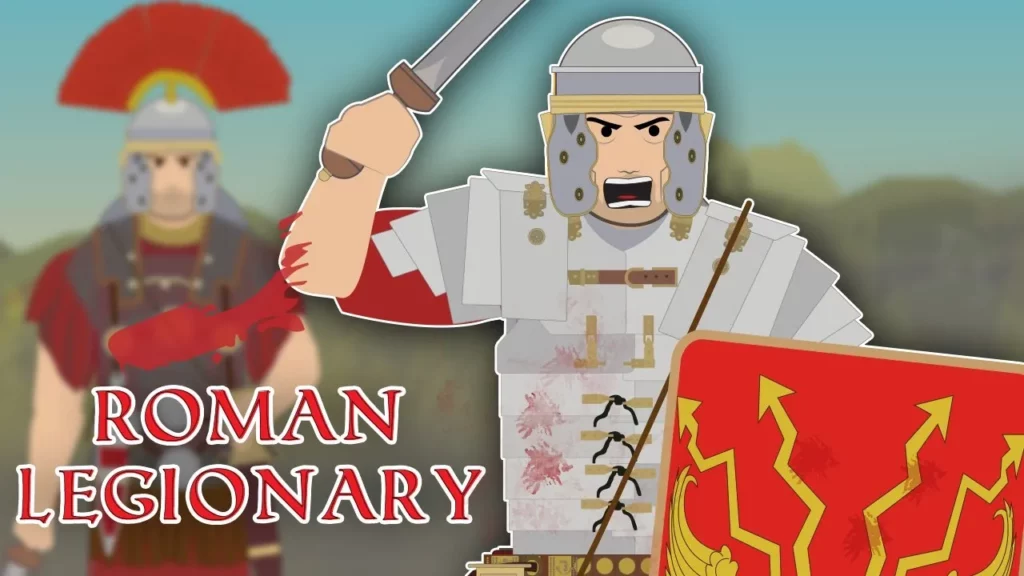
The lesson explores the significance of Roman legionaries as elite heavy infantrymen who were instrumental in the expansion and success of the Roman Empire. It details the evolution of the Roman military, the structure and training of the legions, and the equipment used by these soldiers, highlighting their rigorous training, camaraderie, and the sense of duty that contributed to their effectiveness in battle. Ultimately, the legionaries’ dedication and organization were key factors in establishing Rome’s dominance across vast territories.
Medieval Punishments that STILL EXIST Today
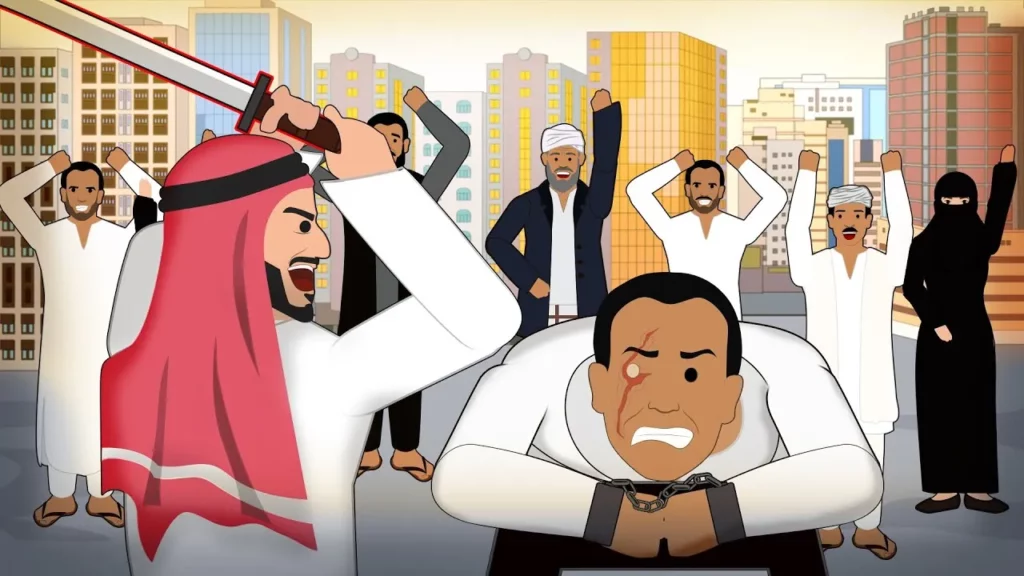
The lesson explores the persistence of medieval punishments in modern society, highlighting practices such as flogging, decapitation, crucifixion, immolation, blinding, and castration that still exist in some regions today. Despite advancements in human rights, these historical methods of punishment raise significant ethical concerns and challenge our understanding of justice and dignity in contemporary times. The discussion serves as a reminder of the ongoing struggle to uphold human rights and the need for continued progress in this area.
How Brutal Were The British Prison Colonies?
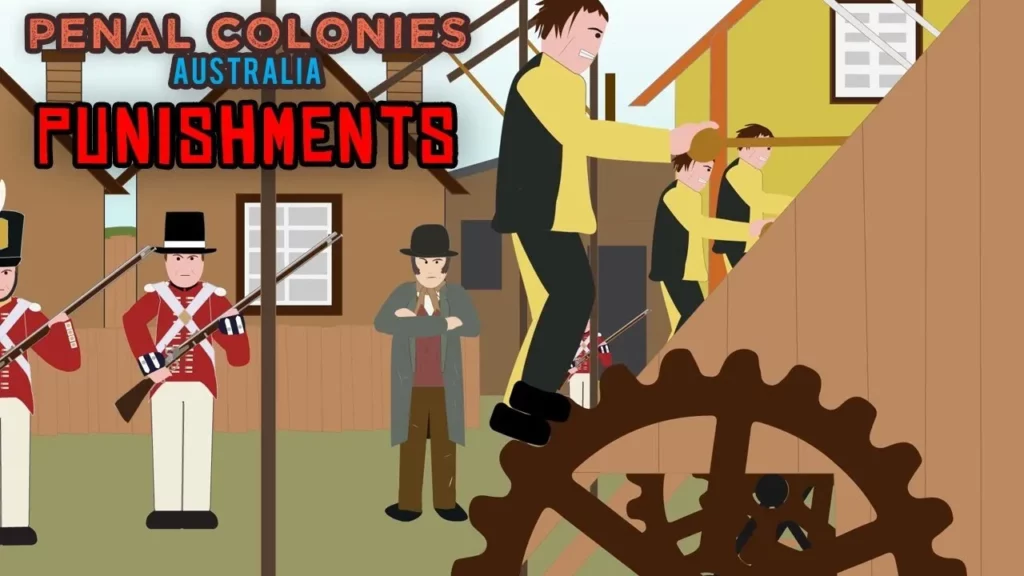
The lesson explores the harsh conditions and punishments faced by convicts in British penal colonies in Australia from the late 1700s to the mid-1800s. It details various forms of punishment, including solitary confinement, leg irons, the treadmill, and flogging, highlighting the severe measures used to maintain order and discipline among the convicts. The lesson serves as a reminder of the brutal realities of the penal system at the time and emphasizes the progress made in humane treatment today.