
Viking Myths you thought were true!
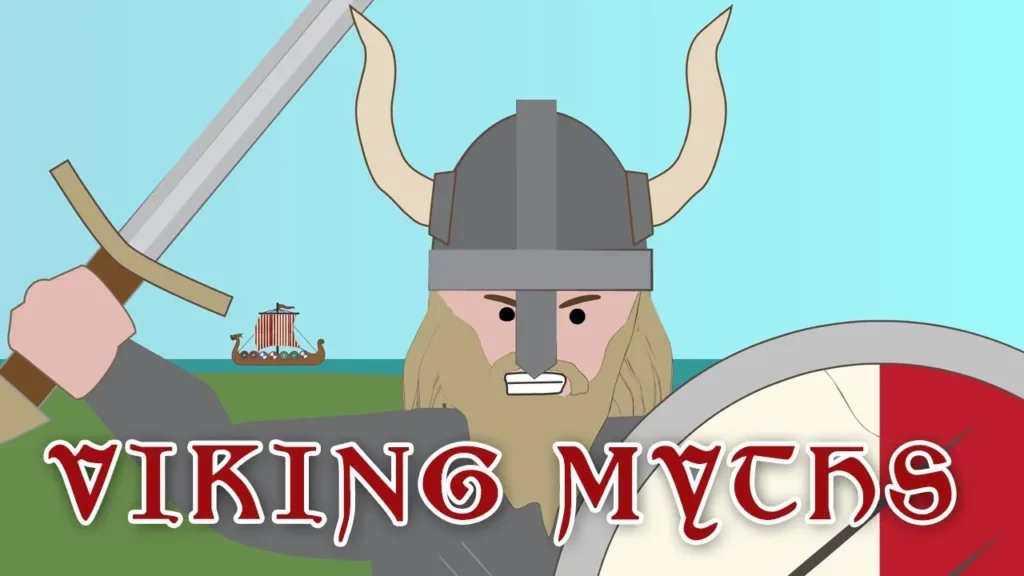
This lesson debunks five common myths about Vikings, revealing the truth behind popular misconceptions. It clarifies that Vikings did not wear horned helmets, were not filthy, were of average height for their time, primarily used spears rather than axes in battle, and that the term “Viking” refers specifically to raiders rather than all Norsemen. Overall, it highlights the complexity and richness of Viking history beyond the stereotypes often portrayed in media.
The Aztec Ballgame where the Losers were Sacrificed
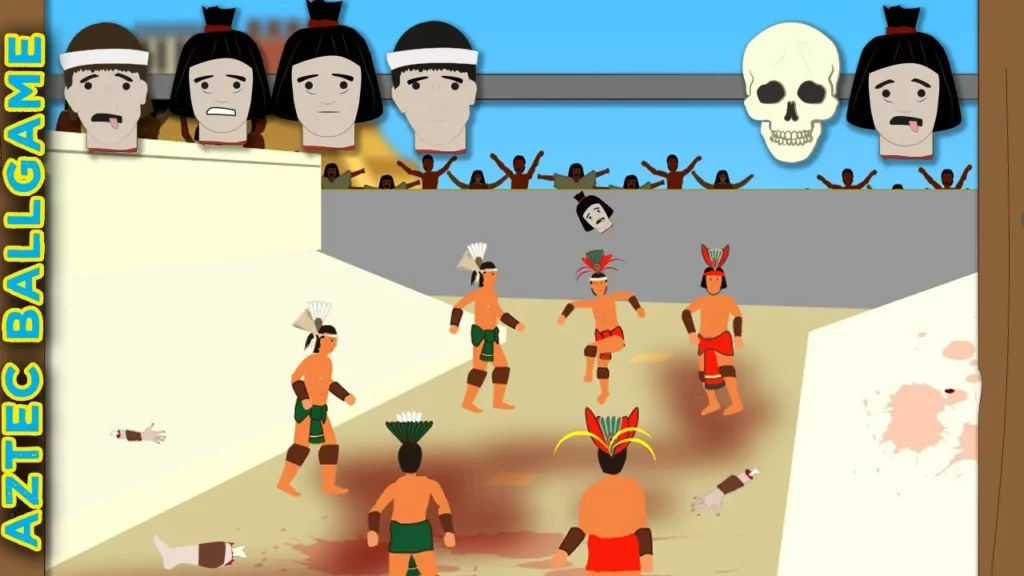
The Aztec ballgame, an ancient sport with roots dating back to around 1600 BC, was a significant cultural activity among Mesoamerican civilizations, particularly the Aztecs and Mayans. Played in specially designed courts, the game involved teams competing to keep a heavy rubber ball in play, with scoring methods that included hitting specific targets and returning the ball. Beyond its athletic aspects, the game held deep social, political, and religious significance, often culminating in ritual sacrifices for the losing team, reflecting the broader themes of life and death in Mesoamerican mythology.
Dirtiest Tricks Used in War
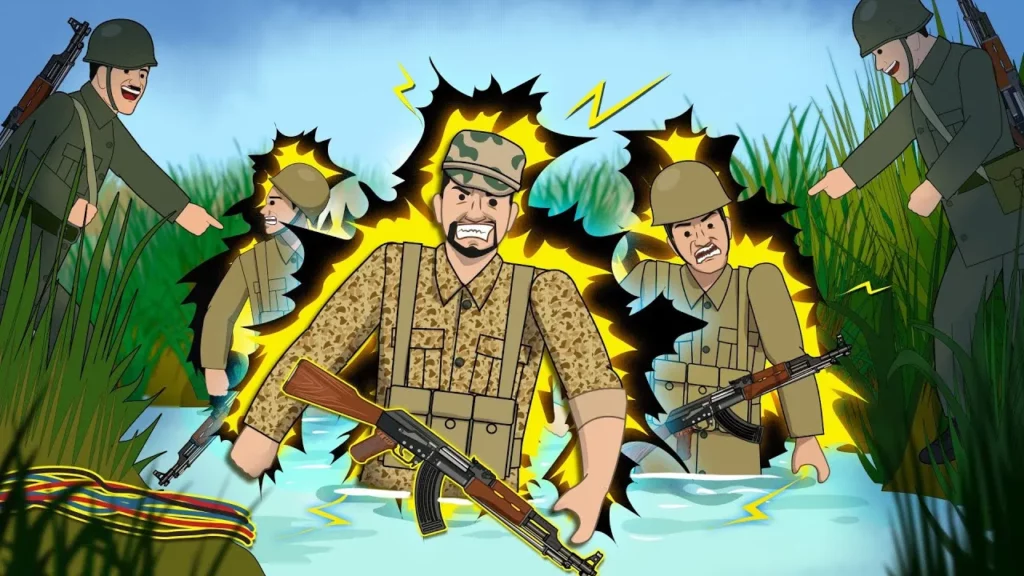
The lesson explores various cunning and often underhanded tactics used in warfare throughout history, illustrating how armies have employed deceitful strategies to gain advantages over their opponents. Examples include the American Project Eldest Son during the Vietnam War, Britain’s invasion of Tibet, Nazi Germany’s Operation Grief, and the brutal tactics used in the Iran-Iraq War. These instances highlight the lengths to which military leaders will go, showcasing the complex and sometimes dishonorable nature of conflict.
Prince Philip’s Service in World War II
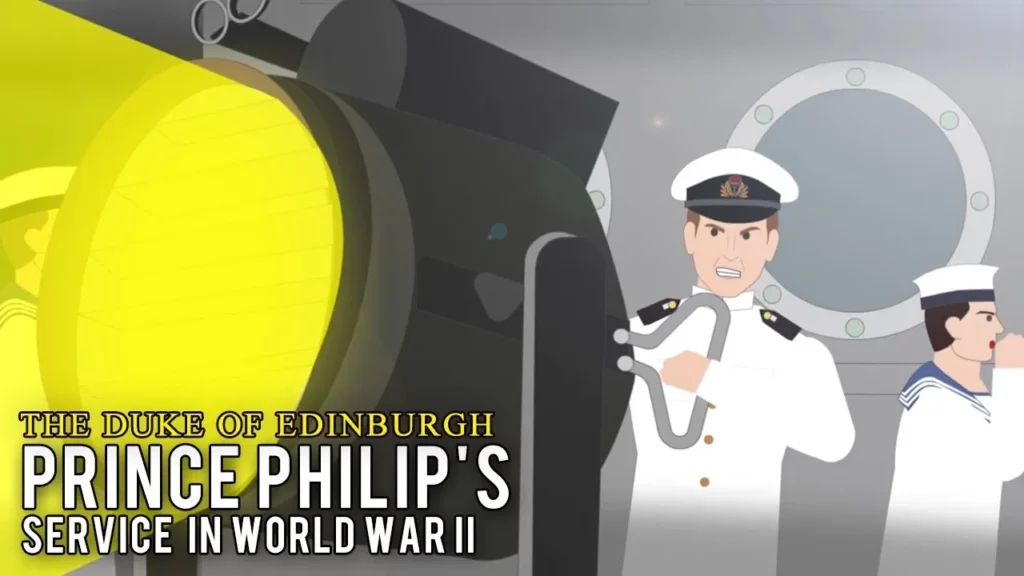
Prince Philip, the Duke of Edinburgh, served in the British Royal Navy during World War II from 1940 to 1945, demonstrating remarkable bravery and quick thinking in various naval battles, including the Battle of Cape Matapan. After the war, he became a naval instructor and later married Princess Elizabeth, who became Queen Elizabeth II. His military service and dedication to duty laid the foundation for his long partnership with the Queen and contributed to his legacy as a respected royal figure.
The Bullet that Started WWI
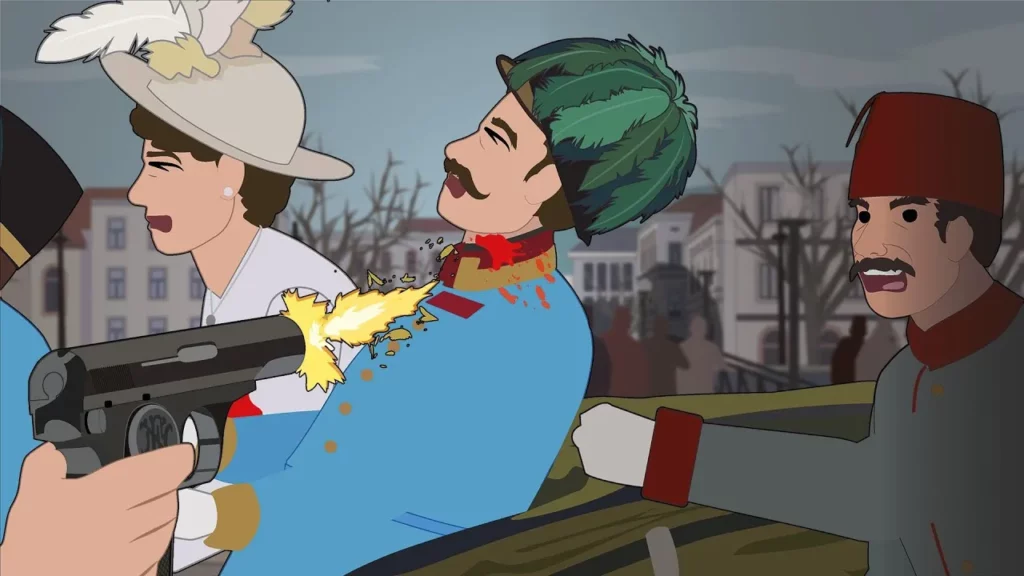
The lesson explores the assassination of Archduke Franz Ferdinand on June 28, 1914, by Serbian nationalist Nedeljko Čabrinović, which inadvertently ignited World War I. It highlights the tense political climate in Europe, particularly the strained relations between Serbia and the Austro-Hungarian Empire, and the role of the secret group, the Black Hand, in orchestrating the assassination. The lesson concludes with the rapid escalation of tensions following the assassination, leading to Austria-Hungary’s declaration of war on Serbia and the subsequent chain reaction that engulfed Europe in conflict.
Deliberate Friendly Fire
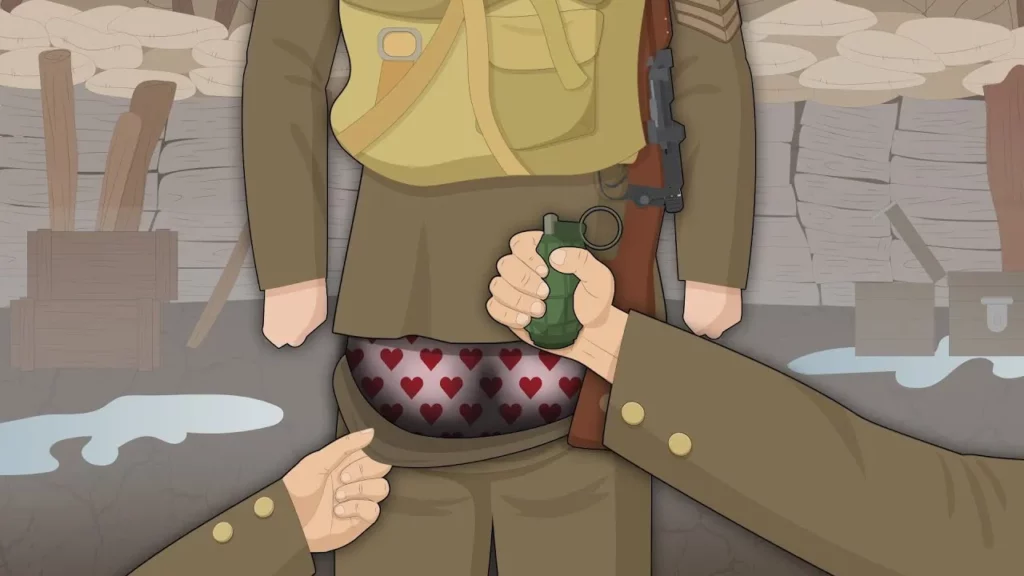
The lesson on “Deliberate Friendly Fire” explores the complexities of friendly fire incidents in warfare, distinguishing between accidental occurrences due to miscommunication and deliberate actions taken by soldiers against their own ranks, often stemming from poor leadership or harsh treatment. Historical examples illustrate the severe consequences of such incidents on troop morale and discipline, emphasizing the tragic nature of war and its profound impact on mental health and soldier dynamics. Ultimately, the lesson underscores the need to understand these complexities to appreciate the challenges faced by combatants.
What was ‘The Thing’? (Weird Tech)
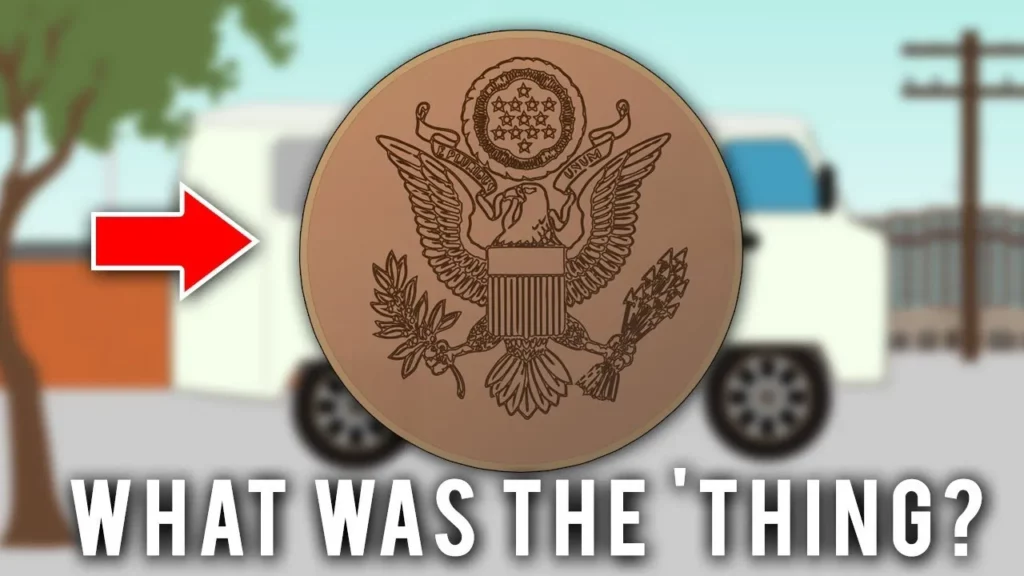
The lesson discusses an espionage incident involving a hidden radio bug concealed within a wooden replica of the Great Seal of the United States, gifted by Russian schoolchildren to U.S. Ambassador Averell Harriman in 1945. This clever device, which operated without batteries and was activated by external radio signals, went undetected for seven years until its discovery in 1952, highlighting the complexities of Cold War espionage. The lesson concludes by emphasizing the importance of modern security measures to protect against ongoing threats in today’s digital landscape.
Bro does Beer Run for his Buddies in Vietnam War
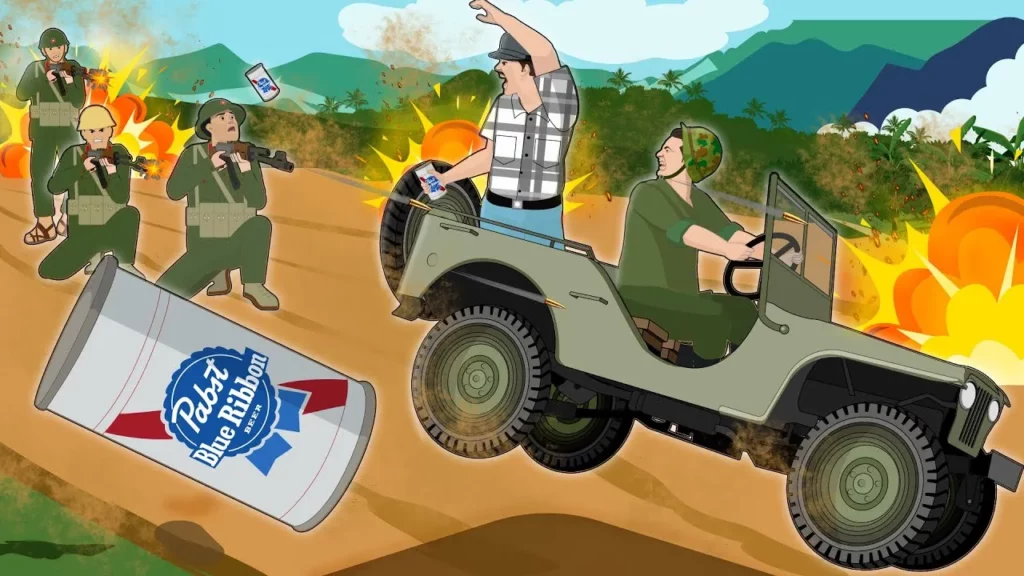
The lesson recounts the remarkable true story of John “Chicky” Donahue, who, inspired by a friend’s joking suggestion, embarked on a mission to deliver beers to his friends serving in Vietnam during the war. Despite numerous challenges, including navigating censorship and the dangers of the conflict, Chicky successfully connected with several servicemen, highlighting the enduring bonds of friendship and the lengths one will go to support comrades in difficult times. His adventure serves as a poignant reminder of the absurdities of war and the importance of camaraderie.
Trench Clubs (World War I)
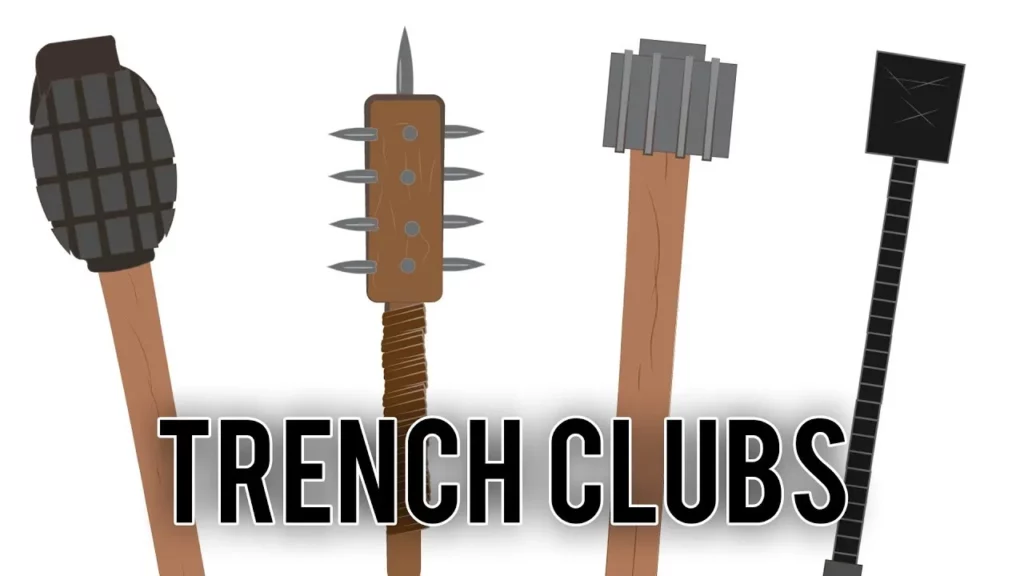
The lesson explores the use of trench clubs as effective close-combat weapons during World War I, highlighting their design, practicality, and stealth advantages in trench raids. These handheld weapons, reminiscent of medieval maces, were simple to produce from readily available materials, making them popular among soldiers from both the Allies and Central Powers. Despite the technological advancements of the war, trench clubs demonstrated their enduring effectiveness in combat situations.
Allied soldiers Crucified by Germans in WW1
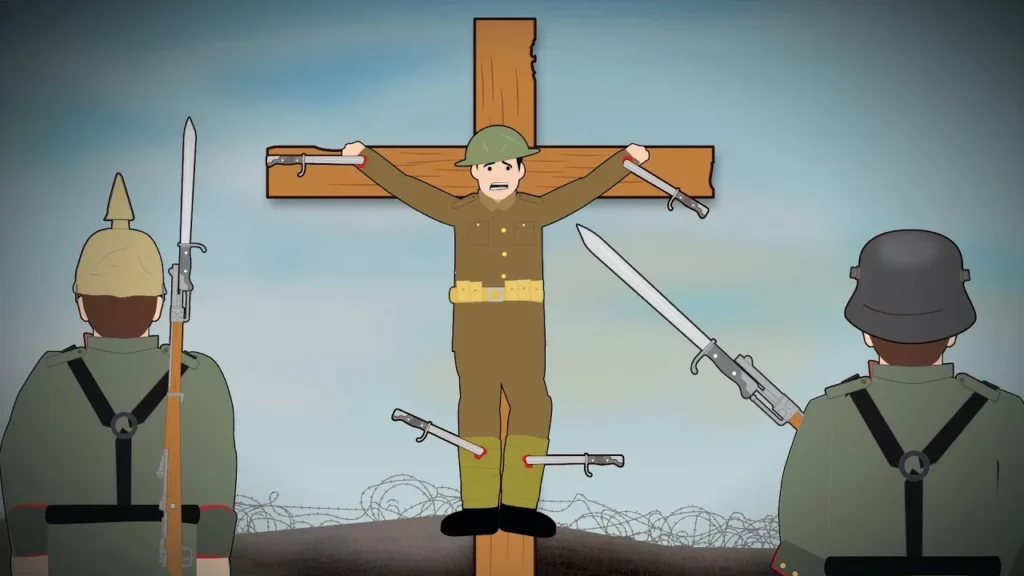
The lesson on “World War One Crucifixion” explores the intense and destructive nature of World War I, highlighting the brutal trench warfare and the introduction of new weaponry. It delves into the controversial story of a Canadian soldier allegedly crucified by German forces, which, despite being unverified, was used as propaganda to bolster morale and public support for the war. This narrative illustrates the significant role of propaganda and rumors in shaping perceptions during wartime, emphasizing their lasting impact on history.