
Soviet BTRs Still Being Used in the Ukraine War
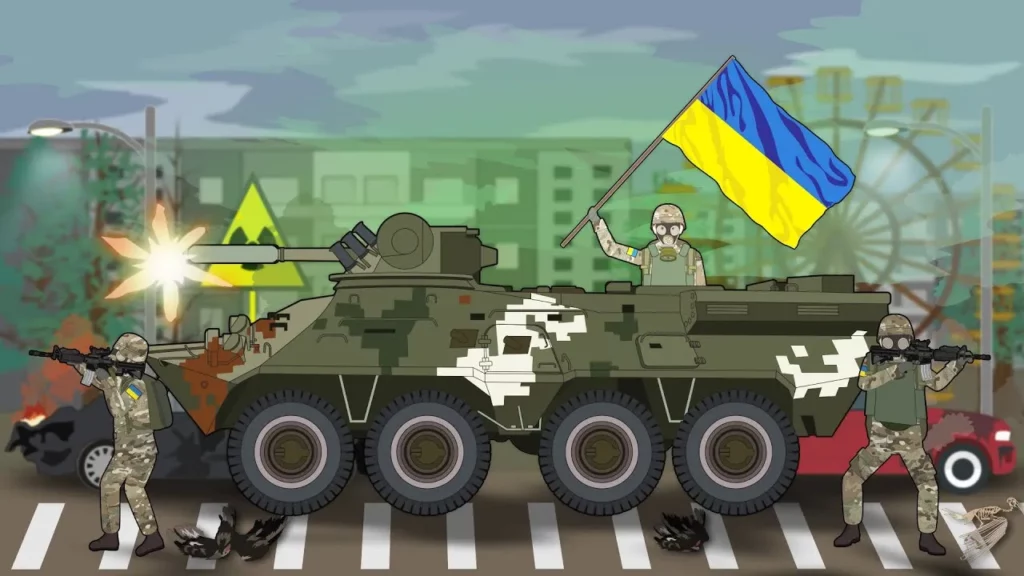
The lesson discusses the evolution and significance of Soviet armored personnel carriers (APCs), particularly the BTR series, which have been utilized in various conflicts since their inception in the 1950s. Initially inspired by German and American designs, the BTRs have undergone multiple improvements over the decades, adapting to the changing landscape of warfare. Today, models like the BTR-82A are actively used in the Ukraine War, showcasing the enduring relevance of these vehicles in modern military operations.
The Medieval Tactic That Revolutionized Warfare
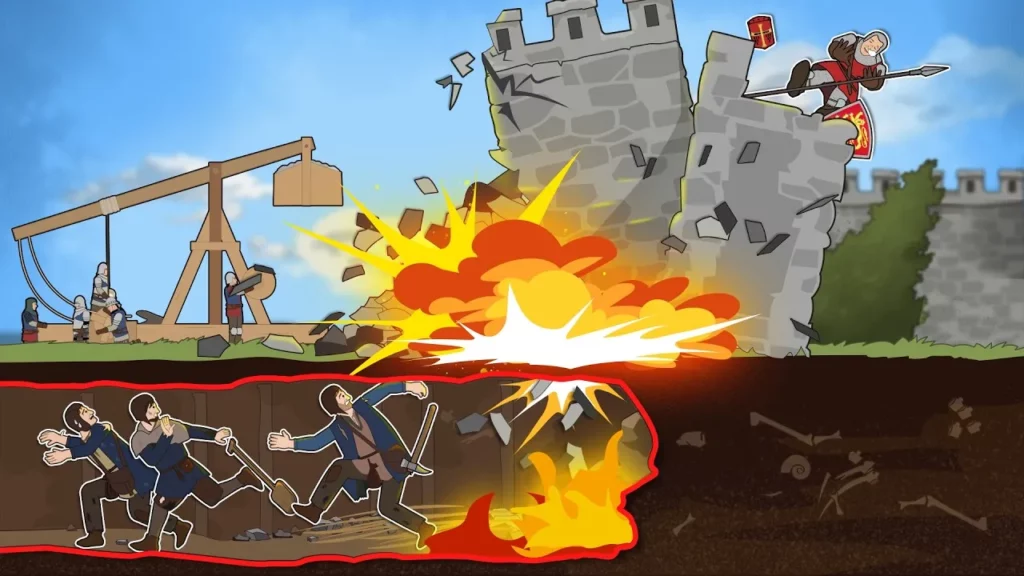
The lesson explores the medieval tactic of sapping, which involved digging tunnels beneath castle walls to undermine their foundations and facilitate an attack. This technique, used as far back as 256 CE and throughout the medieval period, proved effective against even the most fortified structures and evolved over time, influencing warfare strategies up to the World Wars. Despite its decline in modern warfare, sapping remains a testament to the ingenuity and adaptability of military tactics throughout history.
GIANT Soldiers Of War
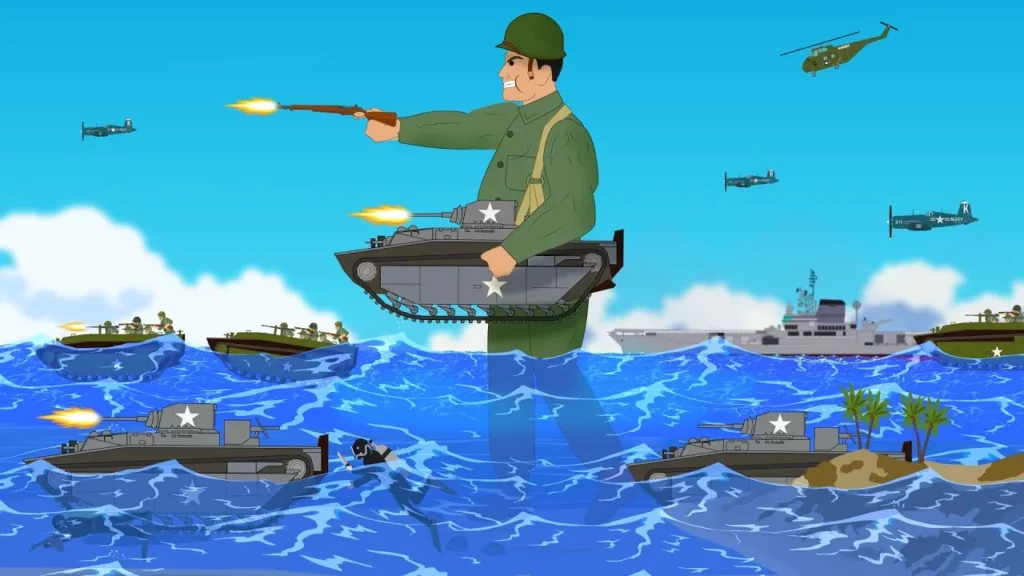
The lesson highlights the bravery and heroism of two soldiers from different wars: Woodrow Keel, a Dakota hero of the Korean War who received the Medal of Honor for his courageous actions, and Yacob Nakin, an exceptionally tall German soldier from World War II who had a unique life story as a circus performer. Keel’s legacy is marked by his numerous military honors and the respect of his peers, while Nakin’s life reflects the experiences of a soldier who transitioned from the circus to military service and later became a novelty figure in America. Both stories emphasize the diverse experiences and contributions of soldiers throughout history.
The Green Beret who went on a one man Rampage to save his Comrades
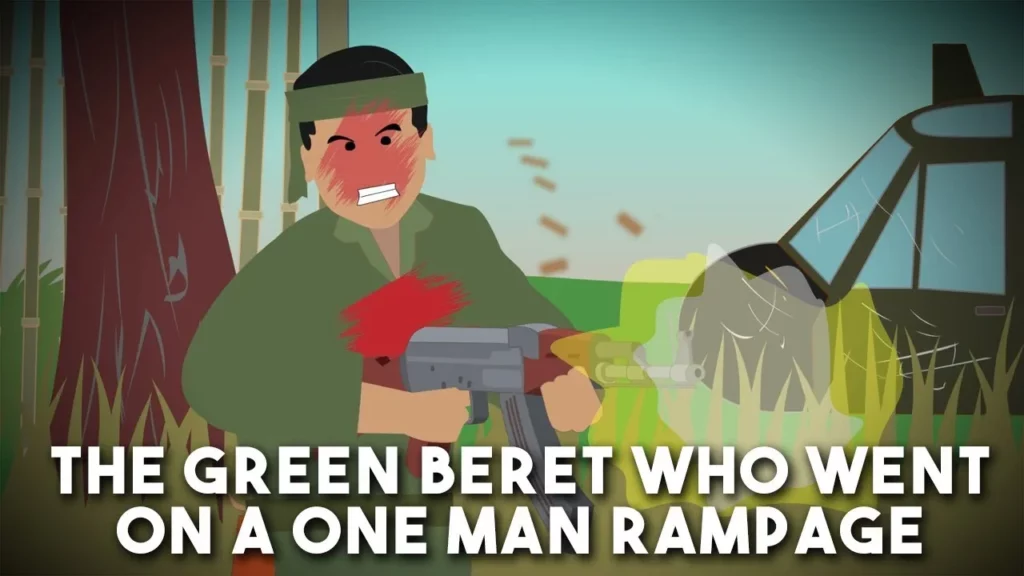
The lesson highlights the remarkable life and heroic actions of Roy Benavidez, a Green Beret who overcame a challenging upbringing and severe injuries to perform a daring rescue mission during the Vietnam War. Despite being told he would never walk again after stepping on a landmine, he persevered through rehabilitation and returned to Vietnam, where he bravely saved his comrades under heavy enemy fire. His extraordinary courage earned him the Medal of Honor, which he humbly attributed to the sacrifices of his fallen friends.
King Leopold II & the Congo Free State (1885-1908)
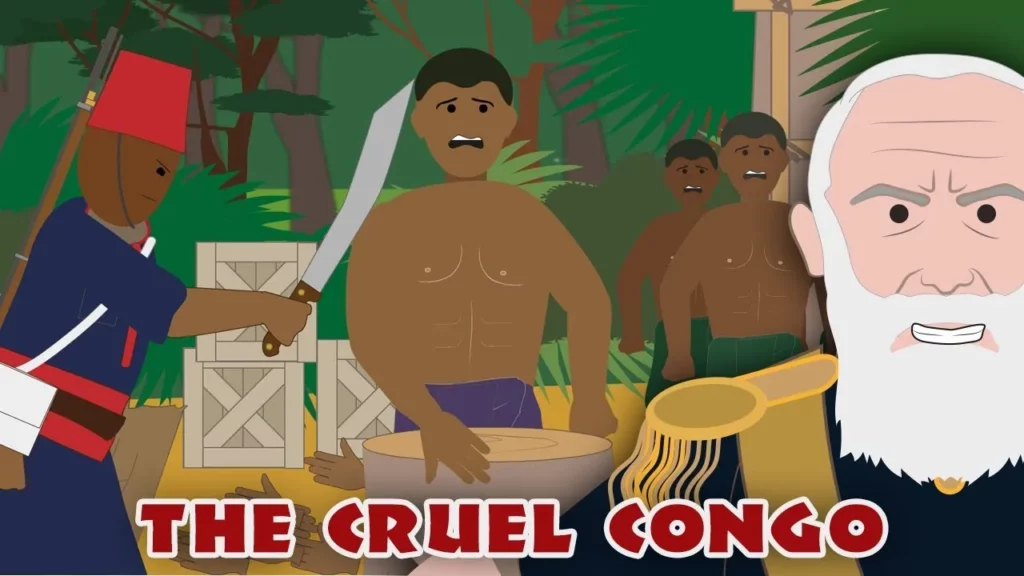
The lesson on King Leopold II and the Congo Free State highlights the brutal exploitation and suffering inflicted upon the Congolese people during Leopold’s personal rule from 1885 to 1908. Driven by ambitions for wealth and power, Leopold established a regime characterized by forced labor and severe punishments, particularly during the rubber boom, which led to the deaths of an estimated 10 million individuals. International outrage over the atrocities eventually compelled the Belgian government to take control of the Congo, ending Leopold’s reign and transitioning the territory into a Belgian colony.
Fast Food In The Army
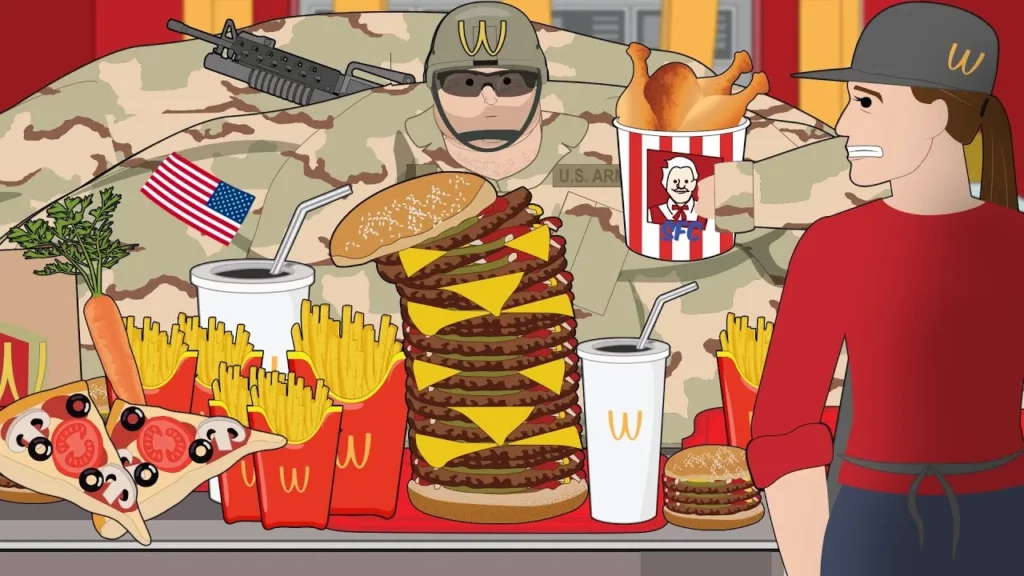
The lesson explores the impact of war on fast food culture, highlighting how junk food has evolved during conflicts. It discusses the rise and fall of brands like McDonald’s and Pepsi in Russia, the introduction of fast food on American military bases to boost soldier morale, and the renaming of foods during wartime to reflect patriotic sentiments. Additionally, it touches on the cultural shifts surrounding food names, such as “Freedom Fries,” illustrating how food can symbolize political tensions.
Secret Cold War Gadgets
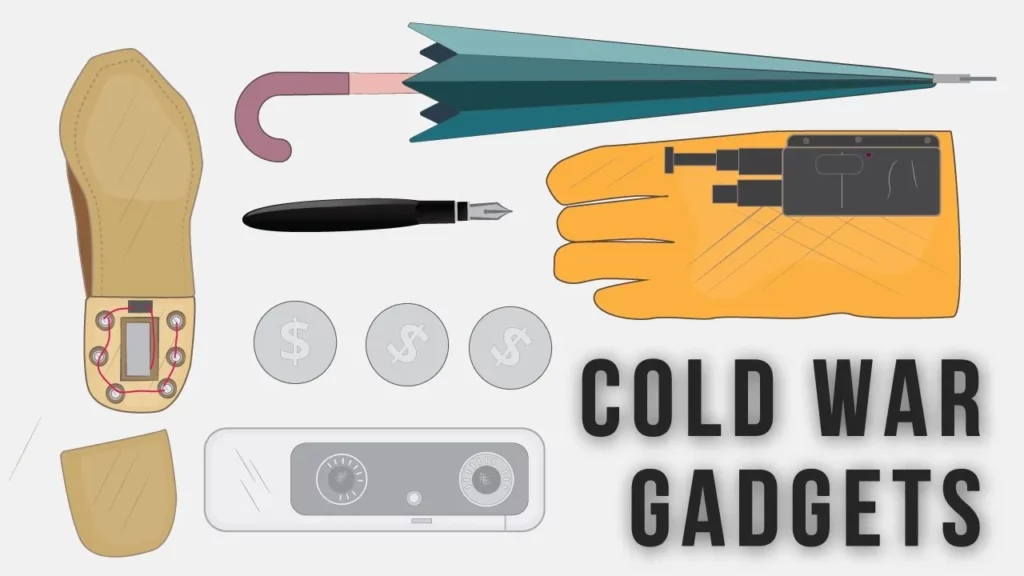
The lesson explores intriguing espionage gadgets used during the Cold War by agencies like the CIA and KGB, highlighting their innovative and covert designs. Examples include the Bulgarian Umbrella, which could deliver poison, and the Lipstick Gun, a disguised firearm, showcasing the lengths to which spies went to gather intelligence and execute missions. These declassified tools reveal the fascinating intersection of technology and secrecy in a tense historical period.
MREs – What do Soldiers Eat?
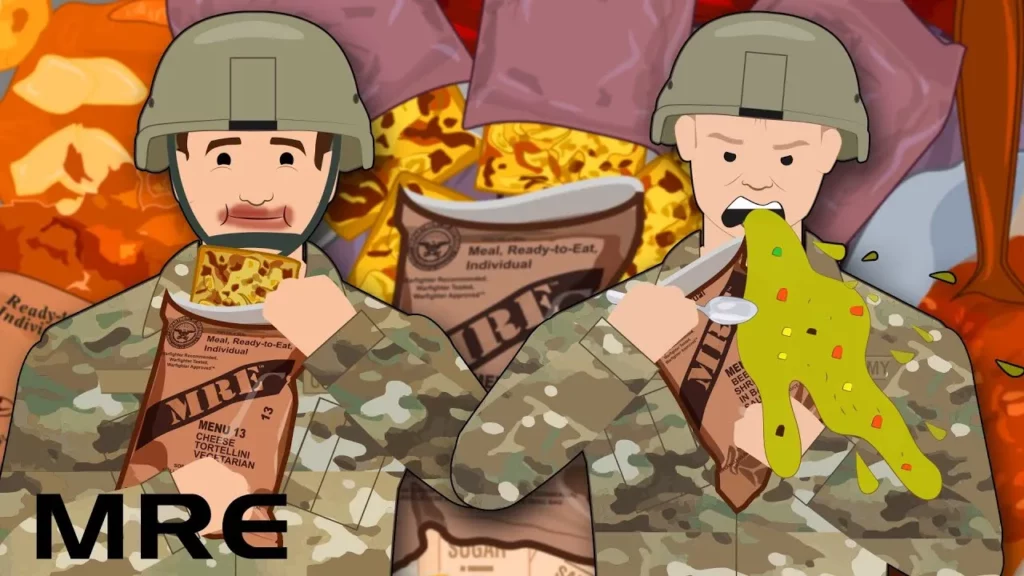
The lesson outlines the evolution of military rations from the late 18th century to the modern Meal Ready-to-Eat (MRE) system. It highlights key developments, such as the introduction of canning in the early 1800s, the transition to individual rations in the late 1800s, and the creation of MREs in 1986, which are lightweight, durable, and nutritionally balanced meals designed for soldiers in various environments. Additionally, modern MREs have improved to include diverse menu options and flameless heating technology, ensuring soldiers receive adequate nutrition while on duty.
Churchill’s Plan to Start World War 3 Using German Troops
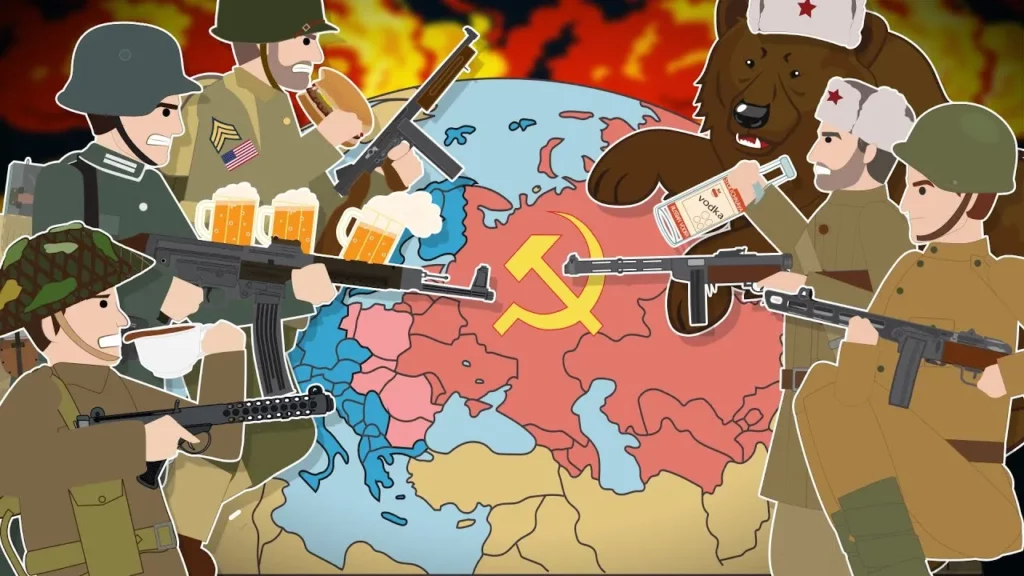
The lesson discusses Winston Churchill’s covert plan, known as “Operation Unthinkable,” which was conceived in 1945 to potentially initiate a conflict against the Soviet Union as tensions rose following World War II. Concerned about Soviet expansion in Eastern Europe, particularly in Poland, Churchill sought to mobilize Allied forces, including former German troops, for a swift attack on Soviet forces. Ultimately, the plan was abandoned after Churchill’s electoral defeat, and the document remained classified for decades, highlighting the precarious balance of power in post-war Europe and the looming threat of a new global conflict.
The Most TERRIFYING Things To See In War
The lesson emphasizes the importance of setting boundaries and recognizing when a request cannot be fulfilled. It highlights the need for clear communication and the ability to respectfully decline requests that may be inappropriate or beyond one’s capacity to assist. Ultimately, it reinforces the idea that it’s okay to say no when necessary.