
Strange Features found on Tanks
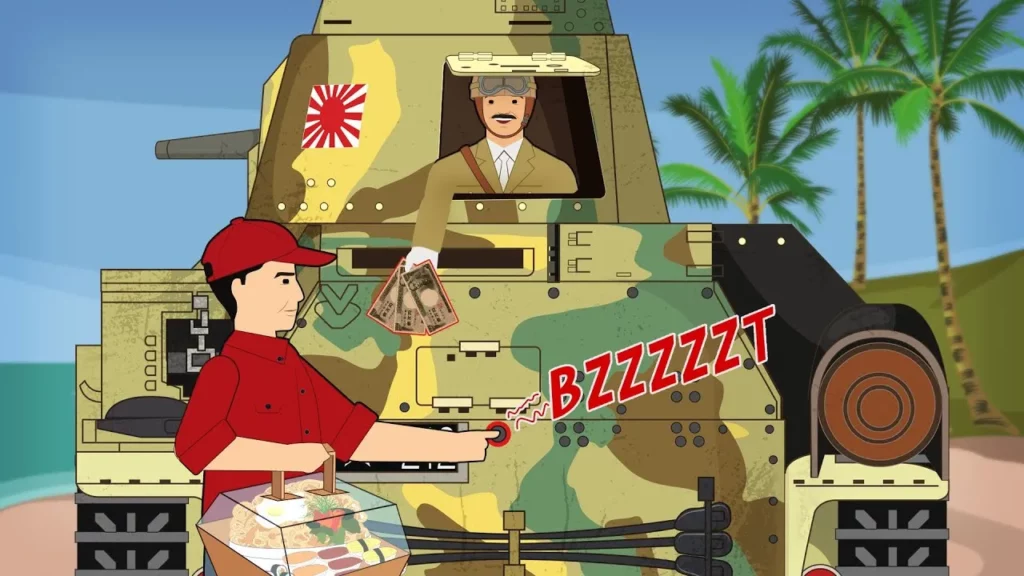
The lesson explores the unusual and innovative features found in tanks throughout history, highlighting how these designs cater to the needs of the crew. Notable examples include the Russian T-14 Armata’s toilet for extended missions, the Japanese Type 95 Ha-Go’s secret doorbell for safety, and British tanks’ tea-making facilities to keep soldiers comfortable. These features illustrate the importance of crew welfare even in the harsh realities of warfare, suggesting that future advancements may continue to prioritize the human element in tank design.
WWI Aircraft: Sopwith Camel
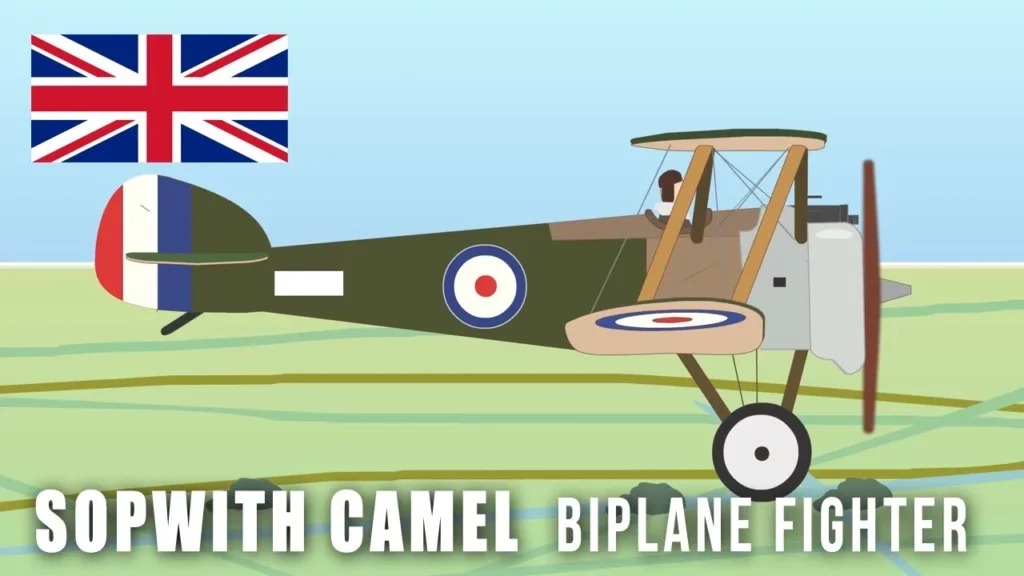
The Sopwith Camel was a notable British fighter plane from World War I, designed to replace the slower Sopwith Pup. Despite its challenging handling, which made it difficult for inexperienced pilots, the Camel became a formidable aircraft, credited with 1,294 enemy victories and serving various roles in combat, including support for ground troops. Its legacy endures as one of the most successful fighter planes of the war, with a total of 5,490 units built before its retirement in 1920.
The Unbelievable Lives of North Korea’s Dictators
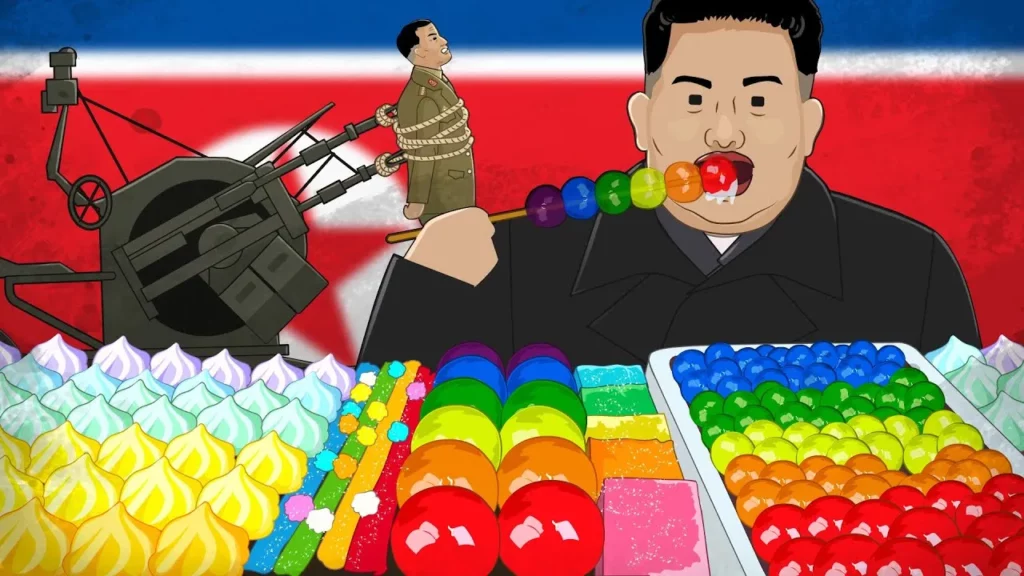
The lesson explores the oppressive rule of the Kim Dynasty in North Korea, beginning with Kim Il-sung and continuing through his son Kim Jong-il to the current leader, Kim Jong-un. It highlights the regime’s brutal tactics to maintain control, the unique cultural restrictions faced by citizens, and the eccentricities of each leader’s governance. Despite the grim realities, the lesson also notes moments of potential diplomatic progress and hints at future opportunities for change in this isolated nation.
Best MREs: Meals Refusing to Exit?
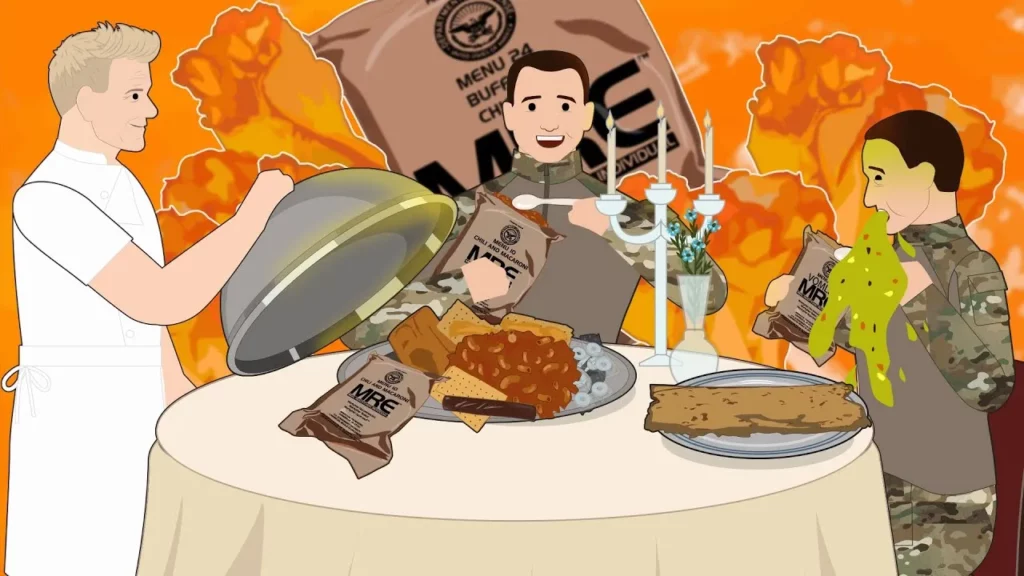
The lesson explores the reputation and variety of Meals Ready to Eat (MREs) in military dining, highlighting that while often joked about, some MREs, like Chili Mac and Beef Stew, are actually quite popular among soldiers. It also discusses international MRE options, such as the Norwegian Arctic Field Ration and French combat rations, which offer gourmet meals, and touches on the historical significance of food in maintaining soldier morale.
The Italian invasion of Abyssinia (1935-36)
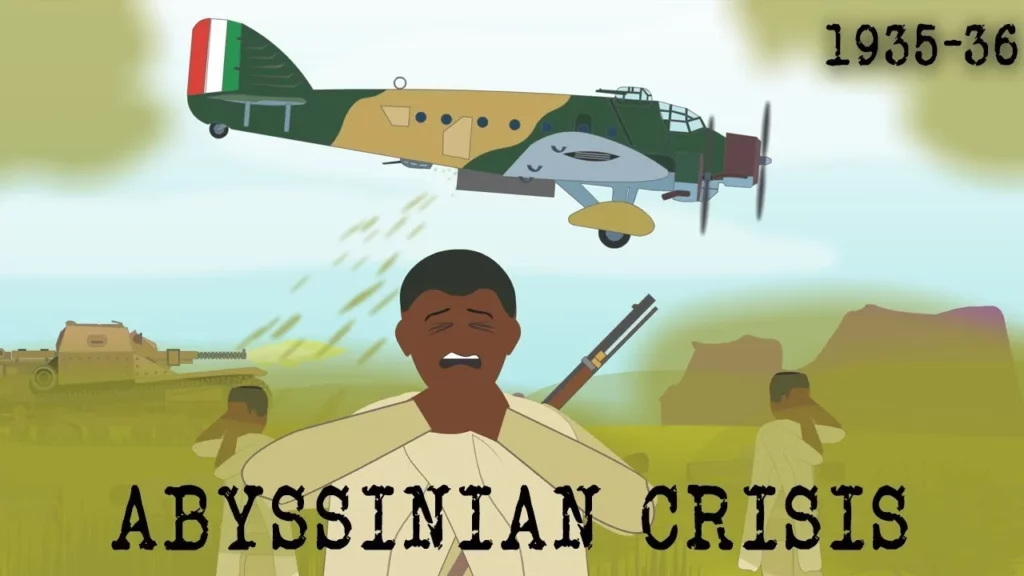
The Italian invasion of Abyssinia (Ethiopia) from 1935 to 1936 marked a significant conflict that not only altered Africa’s political landscape but also intensified the divide between fascist and democratic nations, foreshadowing World War II. Driven by a desire for revenge and imperial expansion, Mussolini’s forces faced a poorly organized Ethiopian army, leading to brutal tactics and the use of chemical weapons. The invasion exposed the ineffectiveness of the League of Nations and emboldened other aggressive powers, ultimately reshaping international relations in the lead-up to the war.
How to survive the Wild West (1800s)

The lesson on surviving in the Wild West highlights the challenges and dangers faced by settlers during this adventurous era from the 1840s to the 1890s. Key survival strategies included carrying weapons for protection against wildlife and outlaws, navigating land disputes, maintaining health amidst common diseases, and adapting to extreme weather conditions. Overall, resourcefulness and preparedness were essential for enduring the risks of life in the Wild West.
Medieval Weapons and Armor used in WW1
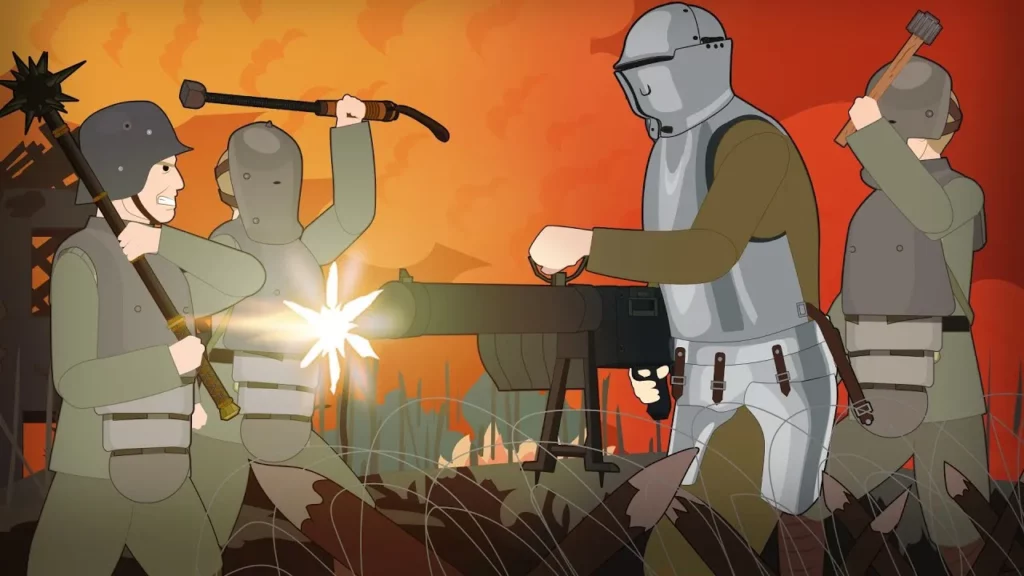
The lesson explores the surprising resurgence of medieval weapons and armor during World War One, despite the era’s technological advancements. Soldiers, faced with the challenges of trench warfare, adapted by utilizing simpler, hand-made weapons like the Leech Trench Catapult and the Morning Star Trench Club for close combat. This highlights how the realities of warfare can lead to a revival of historical combat tools, demonstrating the cyclical nature of military innovation.
Brodie Helmet / Helmet, steel, Mark I (World War I)
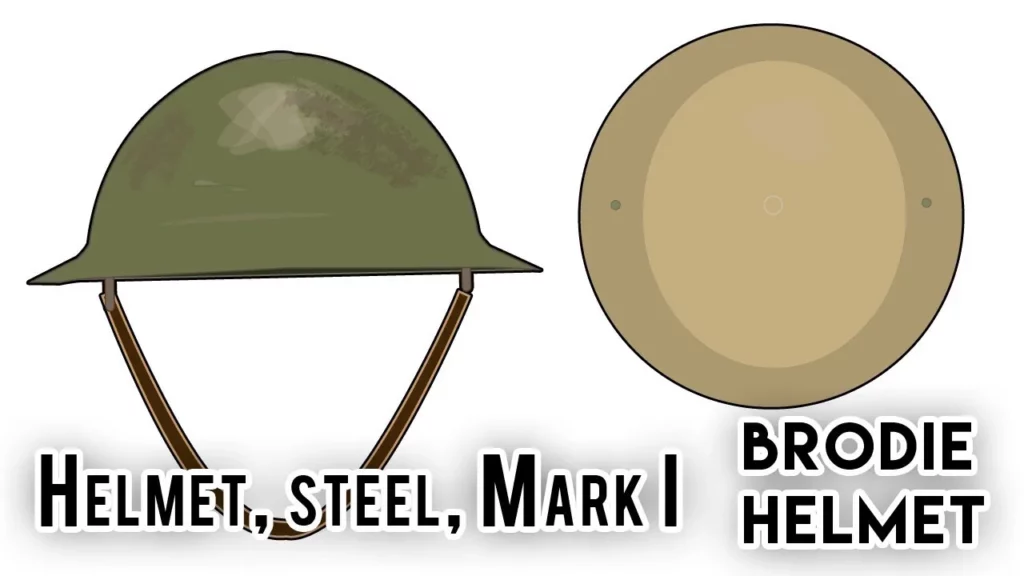
The Brodie Helmet, or Steel Mark I, was developed by the British Army during World War I in response to the need for head protection after the introduction of the French Adrian helmet. Designed by John L. Brodie, it featured a bowl shape with a brim, made from a single piece of steel, and evolved from the initial Type A to the improved Type B, which offered better protection and comfort. By 1916, the helmet became standard issue, with over a million produced, and it was widely used by British and Commonwealth forces, as well as adapted by U.S. troops.
Tiananmen Square Massacre (1989)
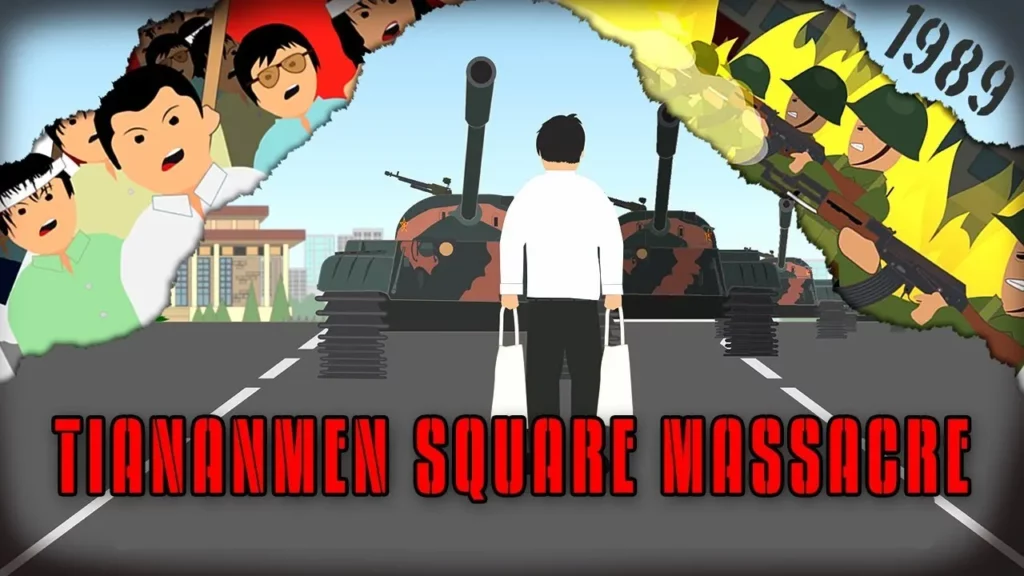
The Tiananmen Square Massacre of 1989 marked a pivotal moment in China’s modern history, as widespread protests led by students and workers erupted in response to the death of reformist leader Hu Yaobang. Initially sparked by demands for political and economic reforms, the protests escalated despite government attempts to suppress them, culminating in a brutal military crackdown on June 4, which resulted in significant loss of life and international condemnation. The aftermath saw increased censorship and repression of dissent, with the Chinese government purging supporters of the movement and facing ongoing scrutiny for its actions.
Battle of Mirbat (9 SAS Soldiers VS 300 Adoo Guerrillas)
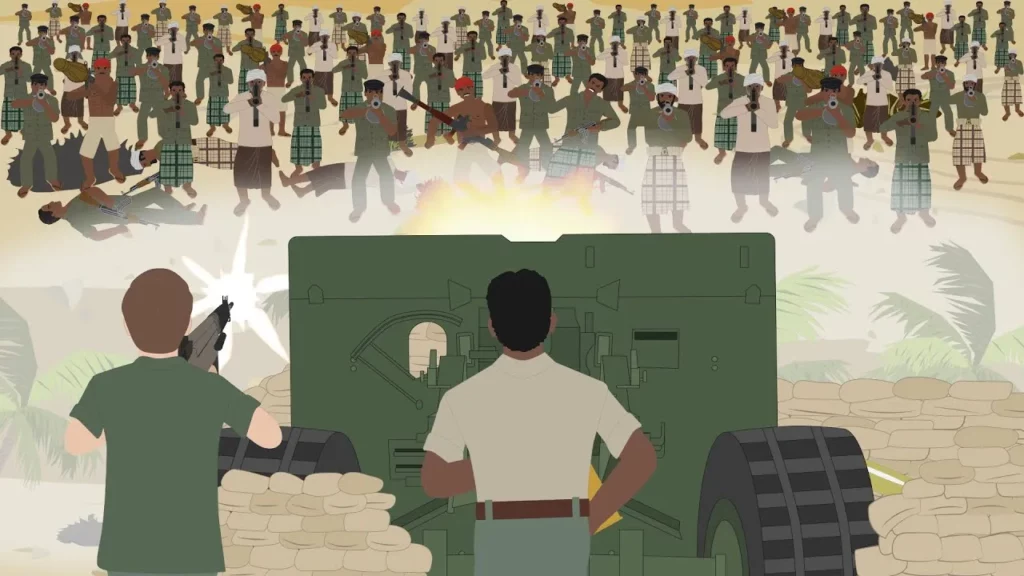
The Battle of Mirbat, fought on July 19, 1972, saw nine SAS soldiers valiantly defend against over 250 insurgents for seven hours near Mirbat, Oman, earning it the nickname “The Alamo of the SAS.” Despite being vastly outnumbered and suffering casualties, the SAS successfully repelled the attackers, marking a significant defeat for the insurgents and solidifying the bravery of the soldiers involved. The battle’s legacy includes recognition for the SAS members, particularly Staff Sergeant Talayasi Labalaba, who was posthumously honored for his heroism.