
Savage Stanley of the Cruel Congo, Hero or zero?
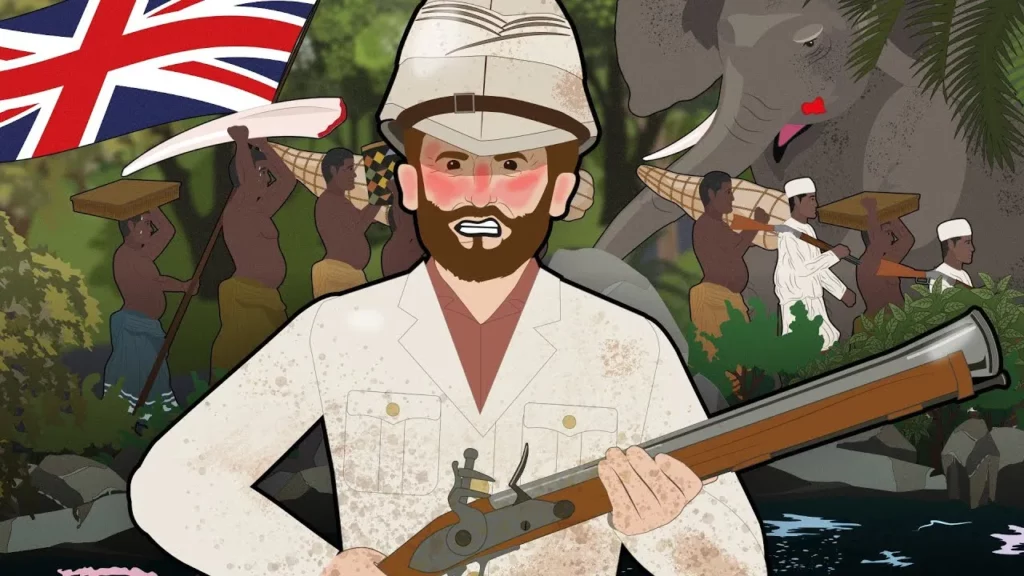
Henry Morton Stanley, originally named John Rowlands, was a Welsh explorer who became a prominent figure in American journalism and African exploration after moving to the United States in 1859. He gained fame for his daring mission to find the missing missionary David Livingstone in Africa, overcoming numerous challenges during his journey. Despite his notable achievements, including mapping parts of Africa, Stanley’s legacy is complicated by his controversial expeditions, particularly in the Congo, where he unwittingly facilitated exploitation, leading to a mixed historical reputation.
The Media (The Vietnam War)
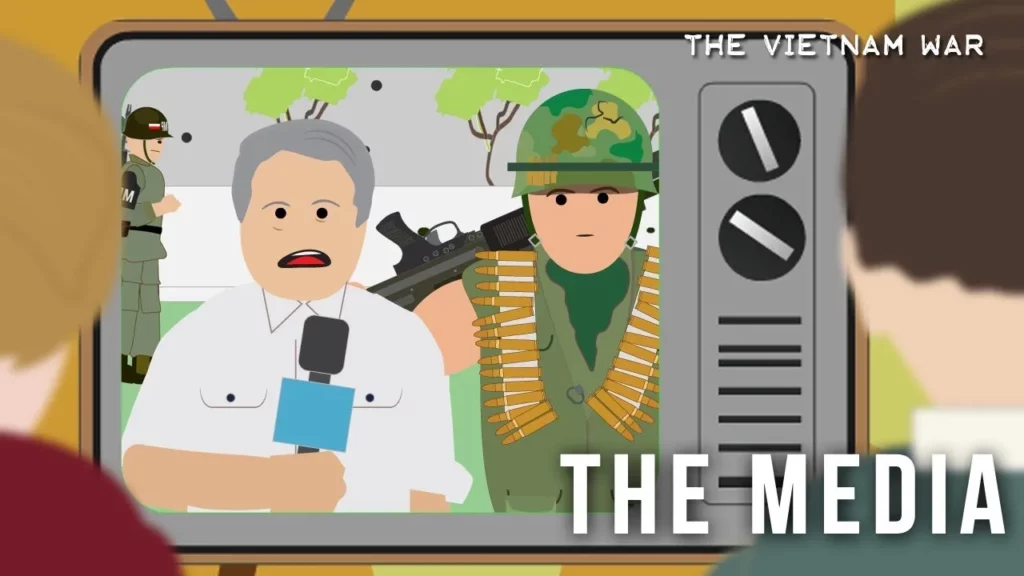
The lesson discusses the significant role of media during the Vietnam War, highlighting it as the first “television war” where Americans could witness the conflict unfold in real-time. Advancements in technology allowed journalists to capture and broadcast the war’s realities, leading to a shift from initially positive coverage to more critical reporting, particularly after events like the Tet Offensive. This evolving media landscape influenced public perception and sparked debates among historians regarding the media’s impact on the war’s outcome and public sentiment.
The Breaking Wheel (Horrible Punishments in History)
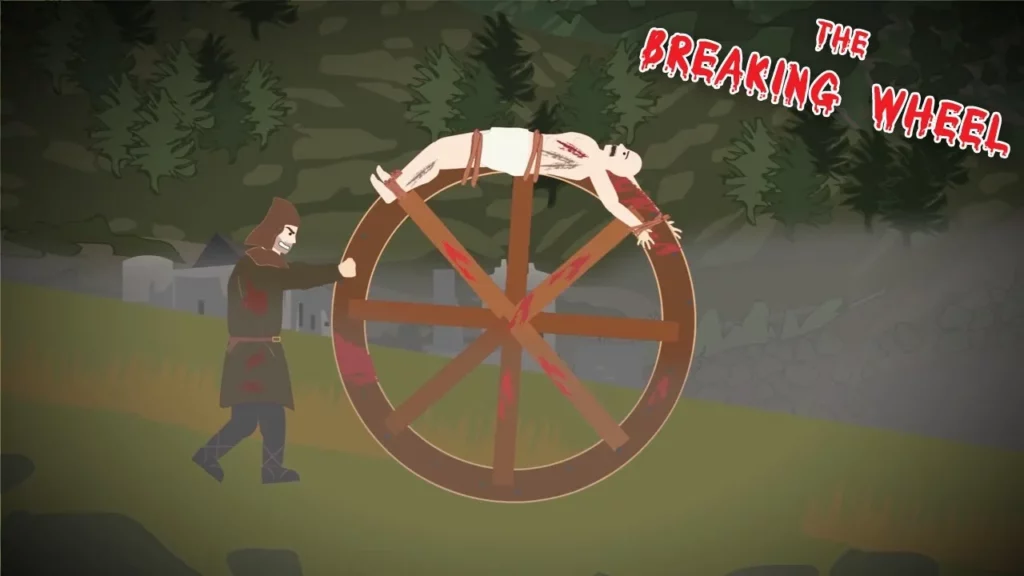
The lesson explores the history and use of the breaking wheel, a notorious device for torture and execution that originated in ancient Greece and was prevalent during the Middle Ages until the early 19th century. It details the gruesome methods employed with the wheel, the public spectacle surrounding executions, and its association with the legend of Saint Catherine. Ultimately, the lesson highlights the evolution of justice and human rights, marking the breaking wheel as a chilling reminder of humanity’s darker past.
The Altyn Helmet (Armored Spetsnaz Soldiers)
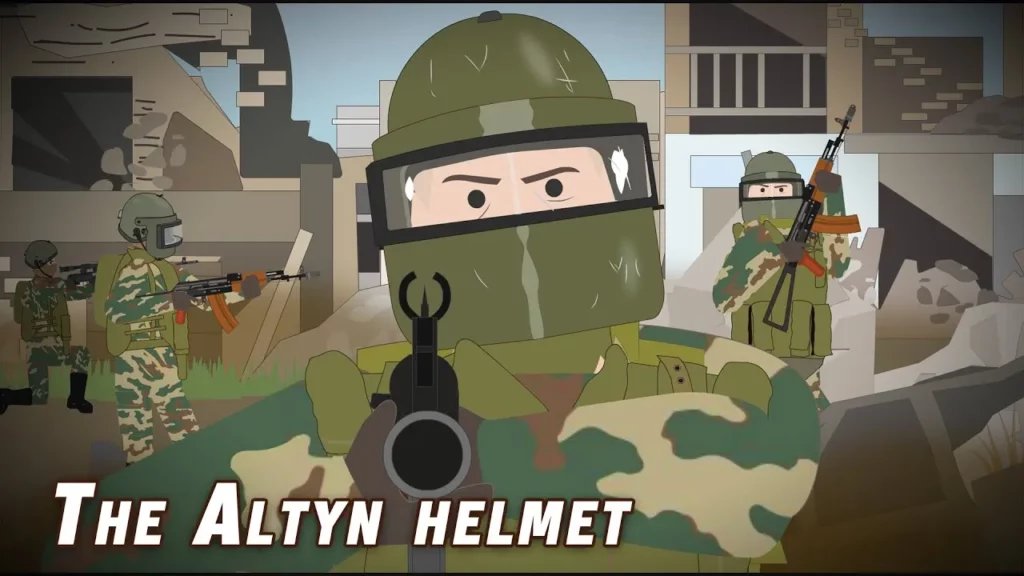
The lesson discusses the evolution of the Altyn helmet, which was developed for Soviet Spetsnaz soldiers during the Soviet-Afghan War in the 1980s. Initially based on the Swiss PSH-77 titanium helmet, the Soviets modified it to enhance protection and communication capabilities, leading to the creation of the Altyn helmet. This helmet underwent rigorous testing and production, becoming a crucial piece of equipment for Spetsnaz units, particularly during the Chechen wars, and remains in use today despite the cessation of production in 2009.
How a Fake Soldier Defeated the Nazis (Trolling in World War II)
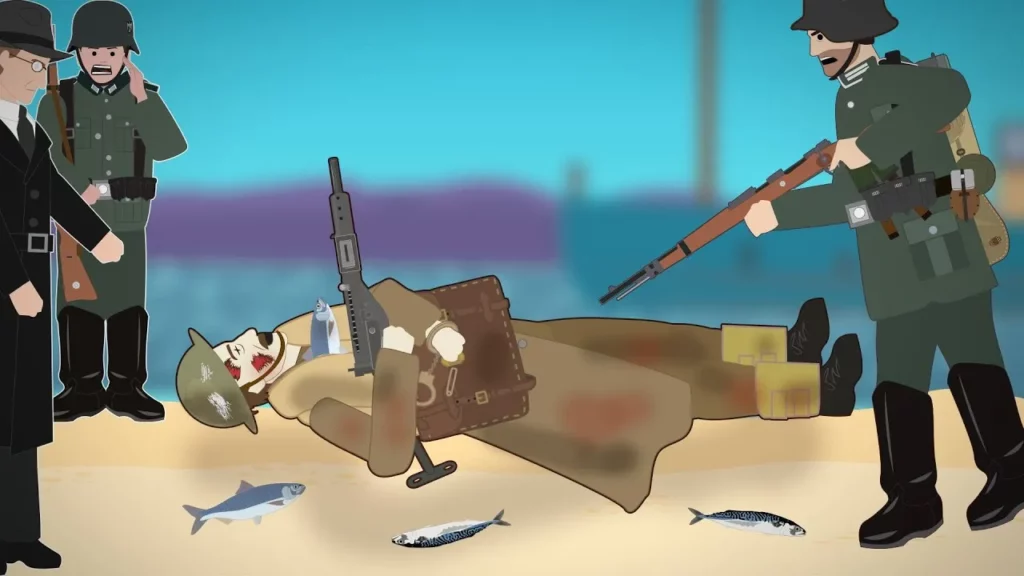
The lesson details the clever wartime deception known as Operation Mincemeat, which involved using the body of a deceased man, Glendor Michael, to mislead Nazi Germany about Allied invasion plans during World War II. By creating a false identity for Michael and planting misleading documents, British intelligence successfully diverted German forces away from Sicily, allowing the Allies to launch their invasion with minimal resistance. This operation exemplifies the lengths to which the Allies went to outsmart their enemies and highlights the importance of deception in warfare.
Strange Military Traditions
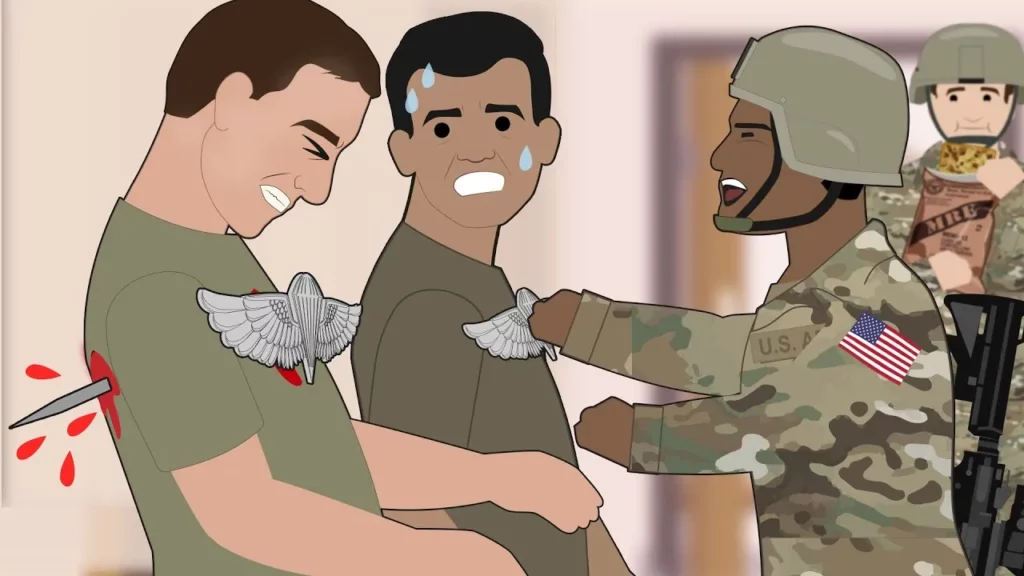
The lesson explores various unique and sometimes peculiar military traditions that foster camaraderie among service members. From the lively Roof Stomp celebration in the U.S. Air Force to the controversial Blood Wings ceremony, and the historical practices like Piano Burning and Rum Rationing, these customs reflect the rich tapestry of military life. Ultimately, these traditions serve to strengthen bonds and create memorable experiences within the military community.
The Medic Who fought a War without a Weapon
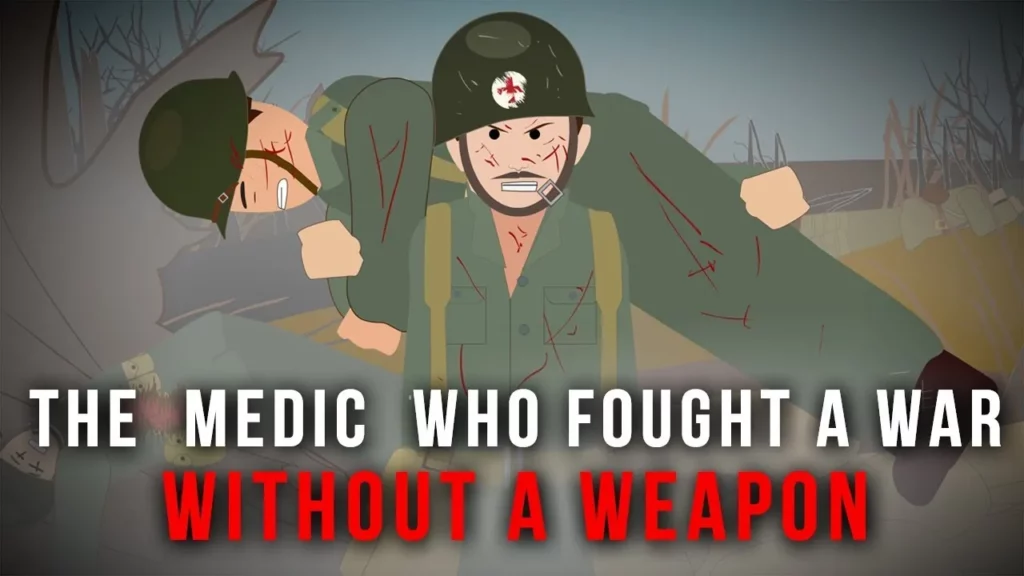
Desmond Doss was a remarkable World War II hero who served as a combat medic, saving countless lives without ever carrying a weapon due to his strong religious beliefs in non-violence. His commitment to his faith and principles led him to make the courageous decision to help others on the battlefield, earning him the Medal of Honor and inspiring many with his legacy of bravery and dedication to doing what is right. Doss’s story highlights the power of standing up for one’s values and the various ways one can be a hero.
Battle of Wake Island (1941)
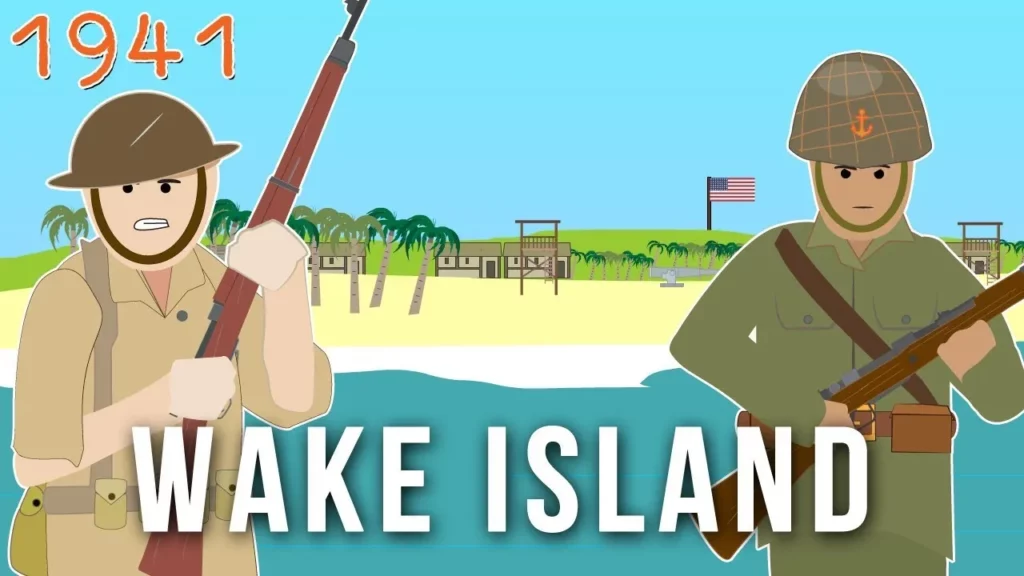
The Battle of Wake Island, which began on December 8, 1941, involved a small group of 449 US Marines and civilian workers defending the strategically located island against a larger Japanese force. Despite their valiant efforts, including repelling initial attacks and inflicting significant casualties on the enemy, the defenders ultimately surrendered on December 22, 1941. The battle, though a loss, served to inspire American morale following the attack on Pearl Harbor, demonstrating that even a small force could effectively resist a larger aggressor.
The Most Terrifying Sounds in War
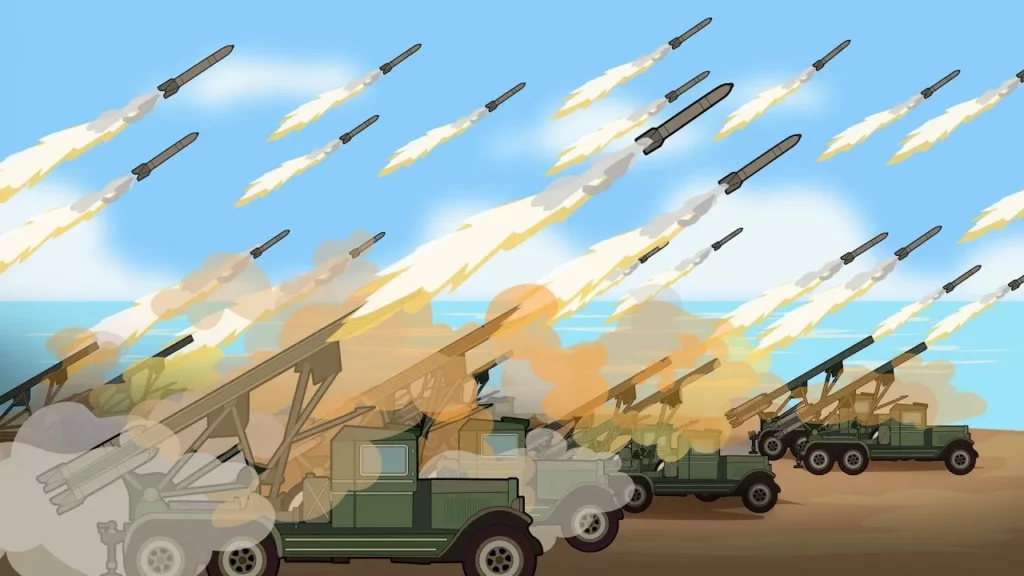
The lesson explores the use of sound as a psychological weapon in warfare, highlighting how certain noises have been designed to instill fear rather than cause physical harm. Examples include the Aztec death whistle, the Stuka dive bomber’s “Trumpets of Jericho,” and modern devices like the Long Range Acoustic Device (LRAD), all of which demonstrate the profound psychological impact that terrifying sounds can have on soldiers and enemies alike. Understanding these auditory strategies reveals the complex interplay of fear and warfare throughout history.
Shameless Copycat Combat Vehicles in History

The lesson explores the historical phenomenon of countries copying military vehicles, highlighting the complexities and challenges involved in replicating advanced technology. It provides examples such as China’s PLZ-05 tank, which was based on the Soviet 2S9 Msta-S, and the German Fokker Dr.I plane, inspired by the French Morane-Saulnier L, illustrating how nations have adapted and modified designs to enhance their military capabilities. Ultimately, the lesson emphasizes that while imitation can occur, achieving the same level of quality and performance as the original is often fraught with difficulties.