
U.S. invasion of Panama (1989-90) – Op. ‘Just Cause’
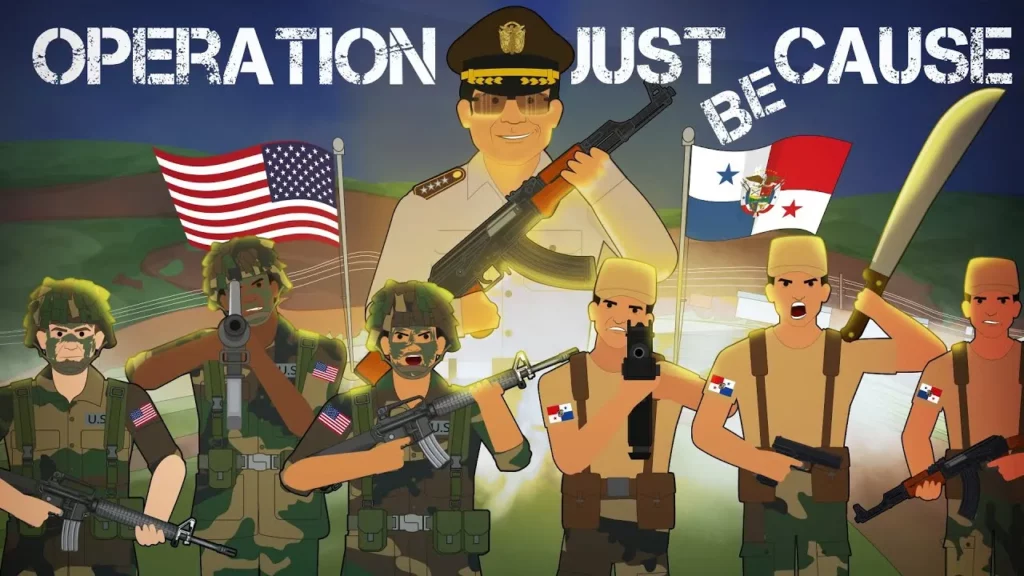
The U.S. invasion of Panama from December 20, 1989, to January 31, 1990, aimed to protect American interests in the region, particularly regarding the strategically important Panama Canal. The operation, known as Operation Just Cause, was initiated in response to escalating tensions with Panamanian leader Manuel Noriega, who had become a liability due to his drug trafficking connections and refusal to accept election results. While the invasion successfully led to Noriega’s capture and the establishment of a new government, it faced significant international criticism for violating international law.
Battle of Bunker Hill (The American Revolution)
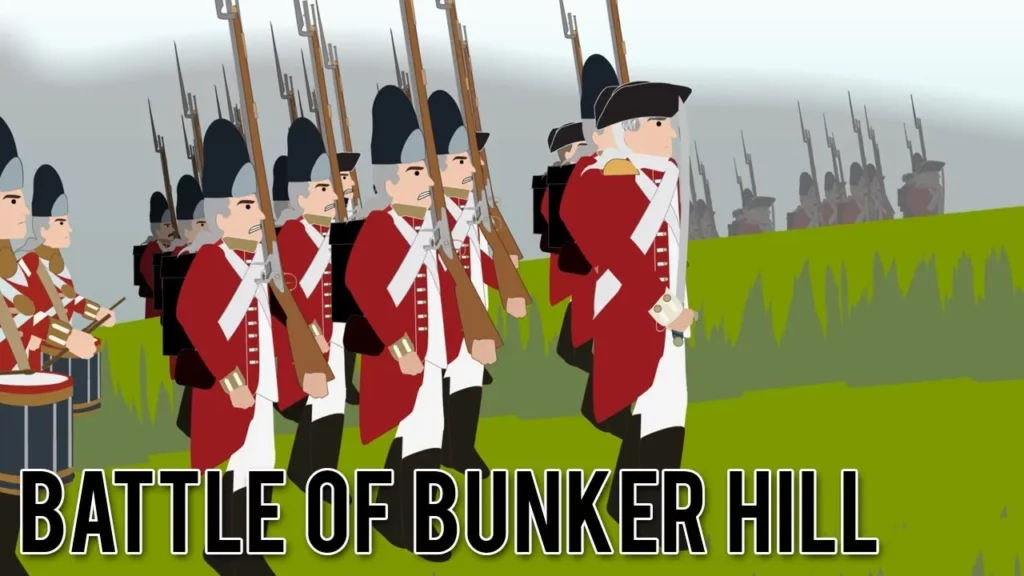
The Battle of Bunker Hill, fought on June 17, 1775, marked a significant early confrontation in the American Revolution between colonial forces and the British Army, primarily occurring on Breed’s Hill. Despite ultimately losing the battle, the colonial troops demonstrated their resilience and capability, inflicting heavy casualties on the British, which led to a reassessment of British military strategies and underscored the seriousness of the colonial rebellion. This battle highlighted the determination of the colonists and foreshadowed the protracted conflict that would follow.
Worst MREs – Meals Rejected by Everyone
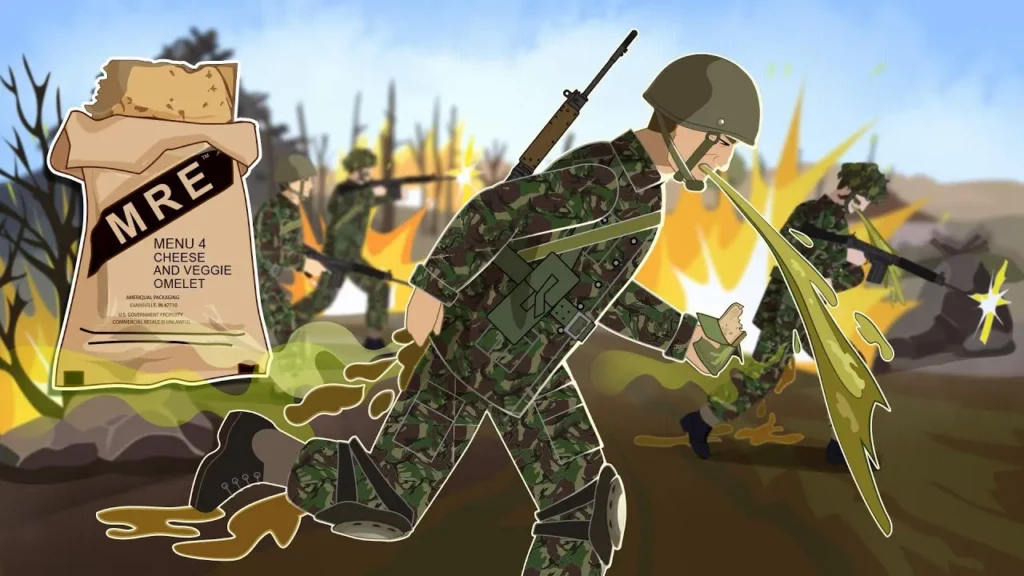
The lesson explores some of the most disliked military meals throughout history, highlighting the challenges soldiers faced with their rations. From the constipation-inducing “Biscuit Browns” to the infamous “Cheese and Vegetable Omelette,” these meals often led to dissatisfaction and even health issues. The discussion serves as a reminder of the difficult conditions under which soldiers operated and the importance of food safety and palatability in military rations.
Stalin’s Most Deadly Famine

The Holodomor was a catastrophic famine in Ukraine from 1932 to 1933, resulting from Stalin’s oppressive policies rather than natural causes, leading to the deaths of millions. Historians now recognize it as a targeted genocide against the Ukrainian people, exacerbated by Stalin’s collectivization efforts and impossible grain quotas, which systematically stripped the population of food and resources. Despite the severity of the famine, the Soviet government suppressed information about the crisis, leaving the world largely unaware of the suffering until reports began to emerge, highlighting the desperate measures people resorted to for survival.
Life Inside The B-17 Flying Fortress (Cross Section)
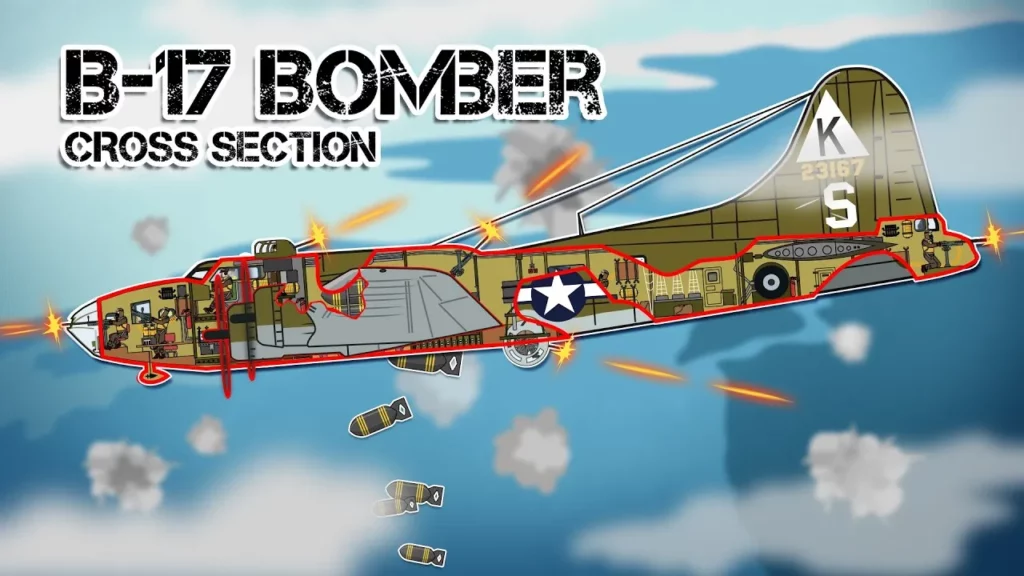
The B-17 Flying Fortress, developed by Boeing in the 1930s, became a crucial four-engine bomber for the U.S. Army Air Corps during World War II, known for its durability and heavy armament. With over 12,700 units produced, the B-17 underwent various upgrades, with the B-17G variant being the most recognized, capable of carrying significant bomb loads and operating at high altitudes. Its legacy continues today, with a few remaining aircraft preserved in museums and a select few still flying.
Who ruled Germany before Hitler? Weimar Republic (1918–1933)

The lesson explores the Weimar Republic, which emerged in Germany after World War I, detailing its establishment, challenges, and eventual collapse. Following the abdication of Kaiser Wilhelm II, the republic faced significant crises, including hyperinflation and political instability exacerbated by the Treaty of Versailles. Despite a brief period of recovery during the “Golden Twenties,” the onset of the Great Depression led to the rise of extremist parties, culminating in Adolf Hitler’s appointment as Chancellor in 1933 and the end of the Weimar Republic.
The Real Reason Switzerland Is Perfect

Switzerland’s unique geography, characterized by the formidable Alps, has historically protected the nation from invasions, making it a secure and peaceful country. The challenging mountain terrain creates strategic choke points that allow smaller Swiss forces to effectively defend against larger armies. Additionally, this geography has shaped Swiss culture and innovation, fostering a strong sense of community and advancements in engineering and transportation.
Shark Teeth Nose Art on Military Planes
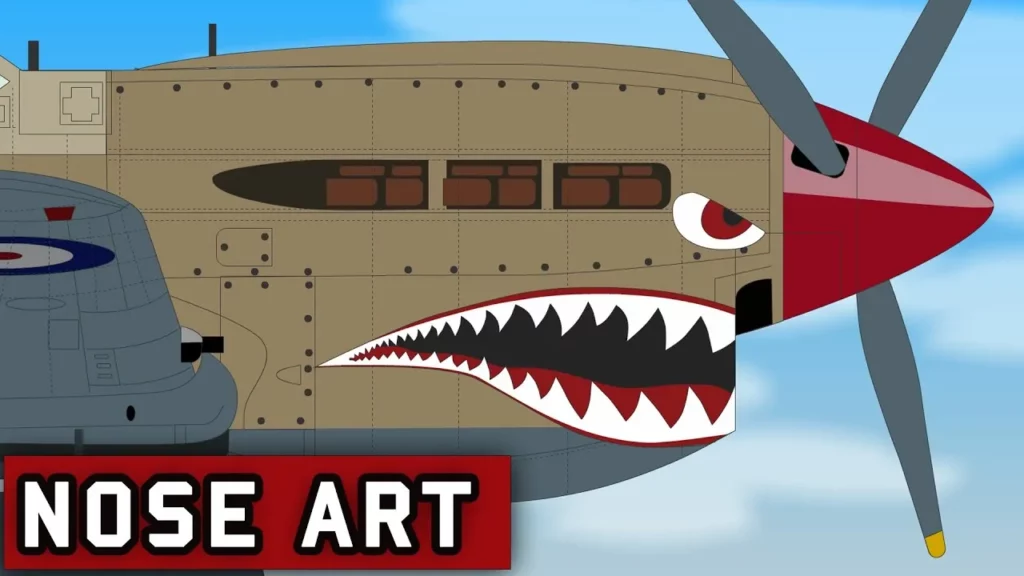
The lesson explores the history and significance of shark teeth nose art on military planes, tracing its origins from World War I to modern times. Initially used for intimidation and personal expression, the shark mouth design gained prominence with the American Volunteer Group, the Flying Tigers, during World War II. Although less common today, the design remains a notable feature on some aircraft, symbolizing a legacy of creativity and psychological warfare in aviation history.
Idi Amin – The Dictator who ATE his enemies
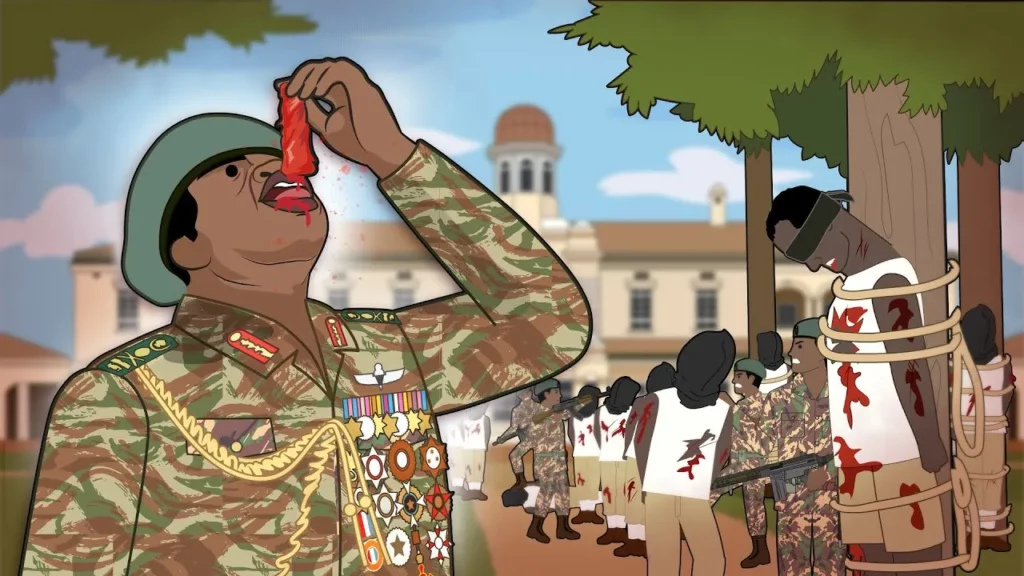
The lesson on Idi Amin explores the tumultuous journey of Uganda’s third president, highlighting his rise from humble beginnings to a notorious leader marked by brutality and oppression. Amin’s military career and subsequent coup led to a reign characterized by political assassinations, economic decline, and widespread human rights abuses, resulting in over 300,000 civilian deaths. His legacy serves as a cautionary tale about the dangers of authoritarianism and the critical importance of democratic governance and human rights.
Witch Trial: Swimming Test
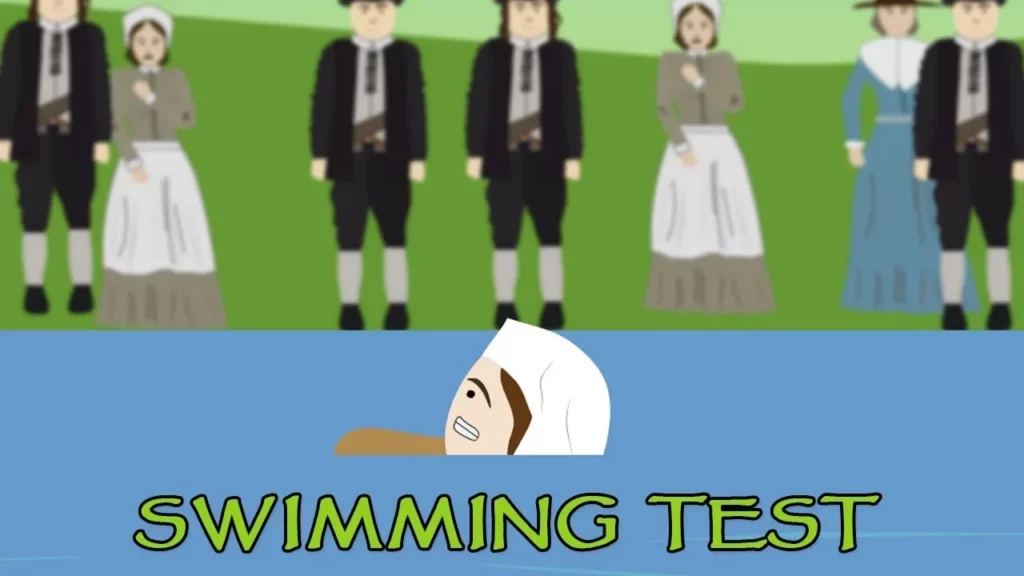
The lesson discusses the historical context and implementation of the swimming test, a notorious method used during witch trials from the 16th to 18th centuries, primarily in Britain and other parts of Europe. Accused women were subjected to this cruel test, where they were tied up and thrown into water; floating was deemed evidence of witchcraft, while sinking was considered innocence, often leading to tragic outcomes. Ultimately, the practice faded as society began to embrace reason and science, reflecting a significant shift in beliefs about witchcraft and justice.