
Weird Russian Weapons in History
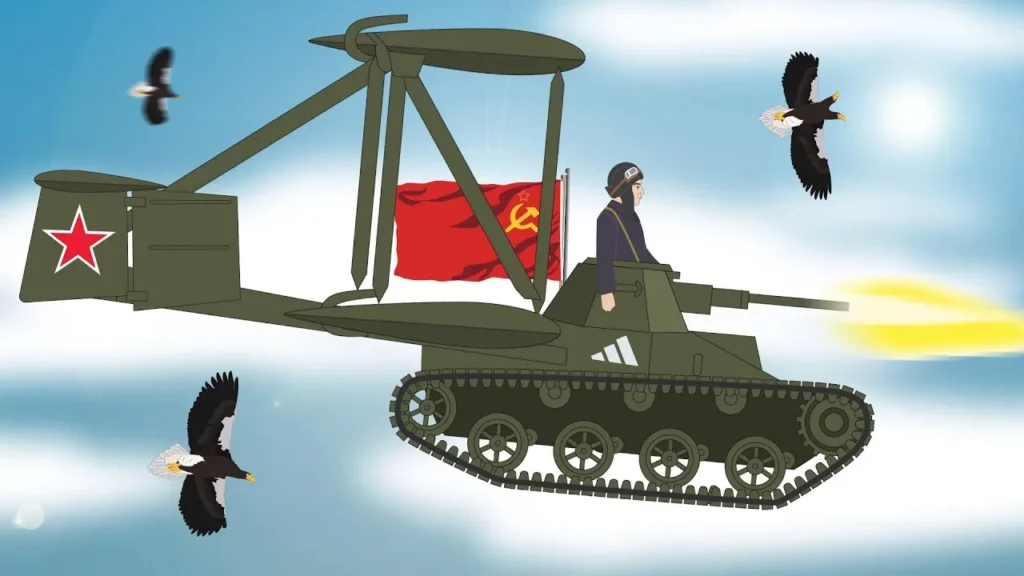
The lesson explores the unique and unconventional weapons developed by Russian engineers throughout history, particularly in response to conflicts with Western countries. It highlights several intriguing examples, such as the PSS Silent Pistol, the APS Underwater Rifle, and the Tsar Tank, showcasing the creativity and ambition behind these designs, even if some ultimately proved impractical or unsuccessful. Overall, these weapons reflect Russia’s innovative approach to military technology.
Bizarre Looking Gun Designs
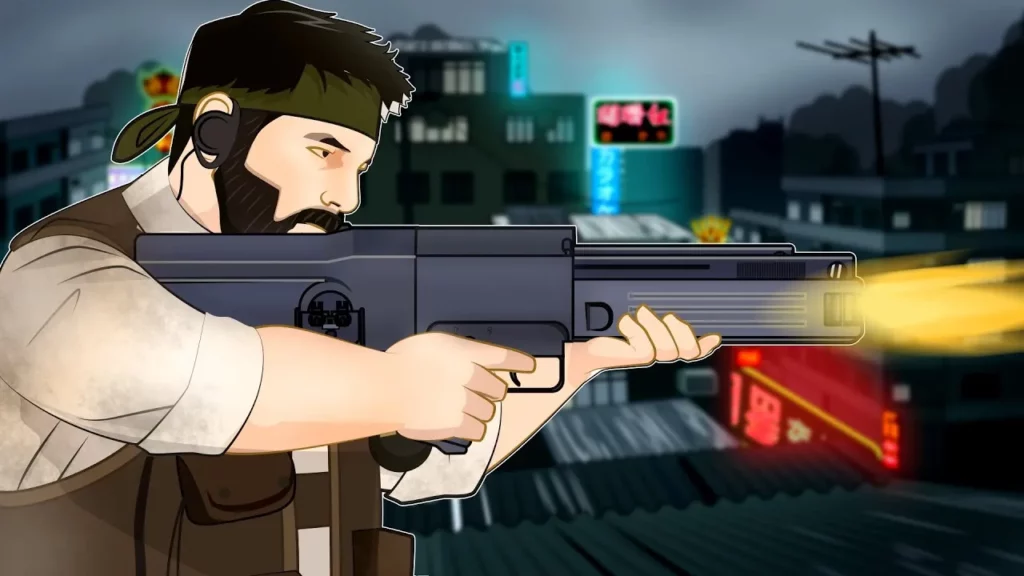
The lesson explores a variety of unconventional and innovative firearm designs that have emerged throughout history, highlighting their unique features and the creative engineering behind them. Notable examples include the Pancor Jackhammer, the Dardick Handgun, the H&K G11, the FN P90, and the Arsenal Shipka, each showcasing distinct functionalities and aesthetics that set them apart from traditional firearms. Despite their groundbreaking designs, many of these weapons faced challenges that limited their adoption, yet they remain significant in firearm history and popular culture.
WW1’s Worst Prototype Tank – Fiat 2000 (Cross Section)
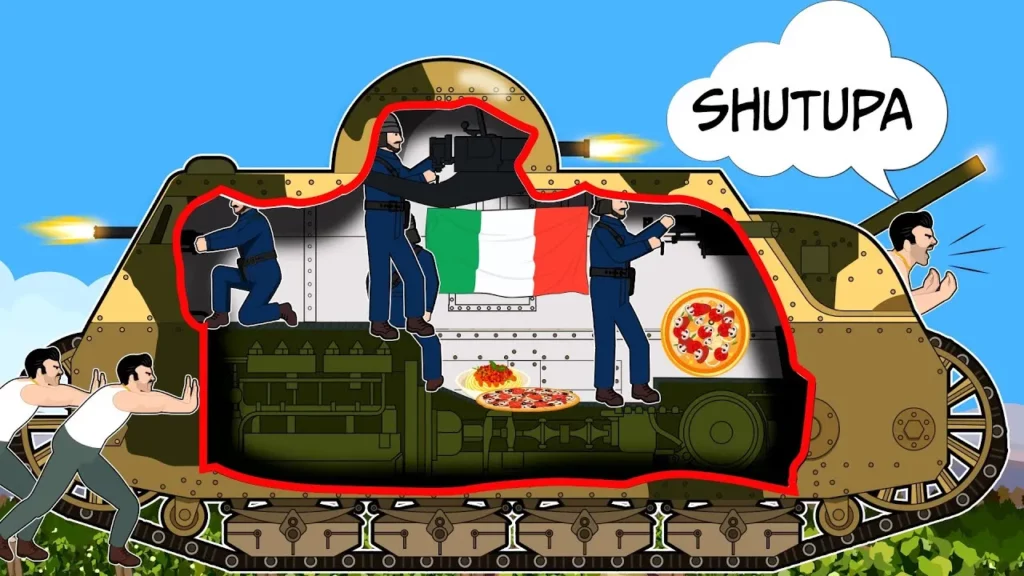
The lesson discusses the Fiat 2000, Italy’s contribution to tank development during World War I, highlighting its unique design and features. Despite being one of the largest tanks of the era, with significant armament and armor, the Fiat 2000 was ultimately deemed unsuitable for combat due to its size and slow development, leading to the cancellation of the program just before the war ended. A replica of the tank was completed in 2020, serving to commemorate its historical significance and support the restoration of other Italian military vehicles.
Life in a Medieval Village
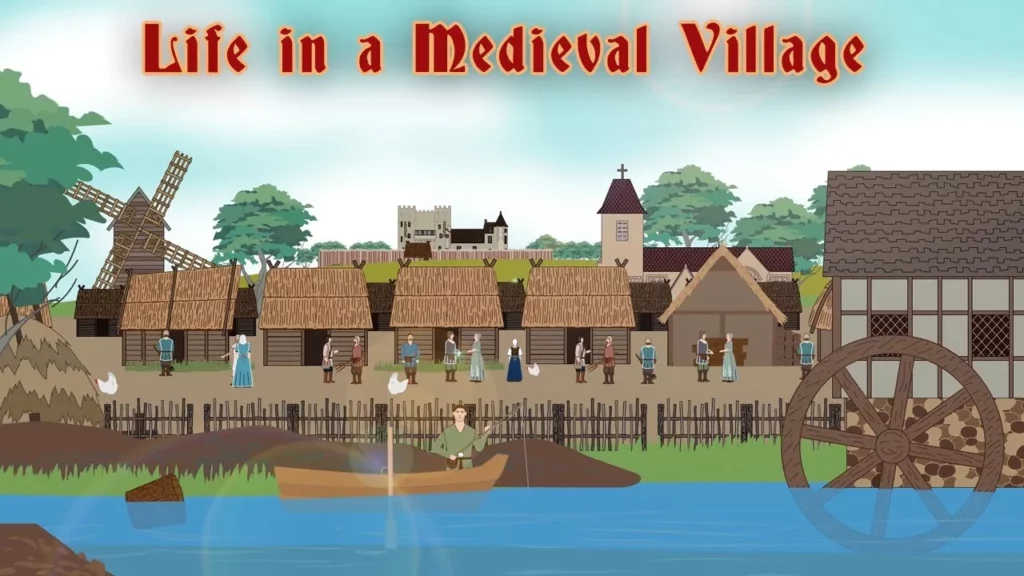
Life in a medieval village was centered around the experiences of peasants, particularly serfs, who were bound to the land and worked tirelessly to support their lords while maintaining their own subsistence. Villagers lived in simple homes, engaged in communal farming, and relied heavily on the church for spiritual guidance and community structure. The arrival of the Black Death drastically altered this way of life, leading to labor shortages that empowered peasants to demand better conditions and ultimately transformed the social landscape of medieval Europe.
WW2 German Super Soldiers High on Meth
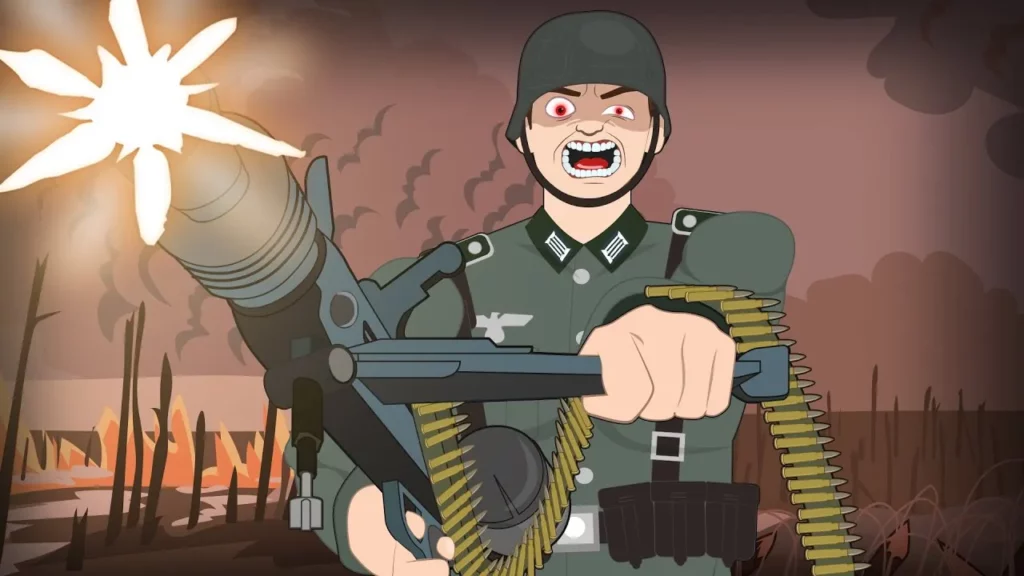
The lesson discusses the role of methamphetamine, marketed as Pervitin, in enhancing the performance of German soldiers during World War II, particularly during the rapid conquest of France in 1940. While Nazi propaganda celebrated the bravery and superiority of the German soldier, the use of this synthetic stimulant significantly contributed to their success on the battlefield, despite the associated risks of addiction and severe side effects. Ultimately, the reliance on methamphetamine revealed the complex interplay between military strategy, drug use, and the physical and psychological toll on soldiers throughout the war.
Most Deadliest Jobs of the Vietnam War
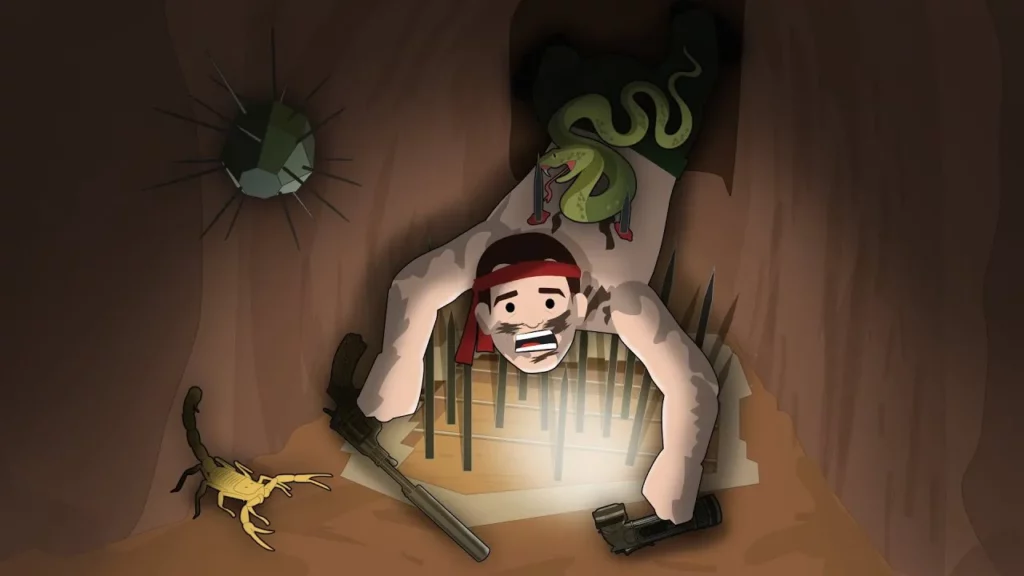
The lesson explores the most dangerous jobs during the Vietnam War, highlighting the perilous roles of tunnel rats, who navigated the Viet Cong’s extensive underground tunnels, and Long-Range Reconnaissance Patrols (LRRPs), who gathered intelligence deep in enemy territory. It also discusses the Tet Offensive, a significant surprise attack that aimed to sway public opinion against the war, and the controversial use of Agent Orange, a chemical defoliant that caused severe environmental and health issues. Overall, the lesson emphasizes the bravery and determination of soldiers facing extreme risks in a brutal conflict.
Allies and Axis Working Together in WW2
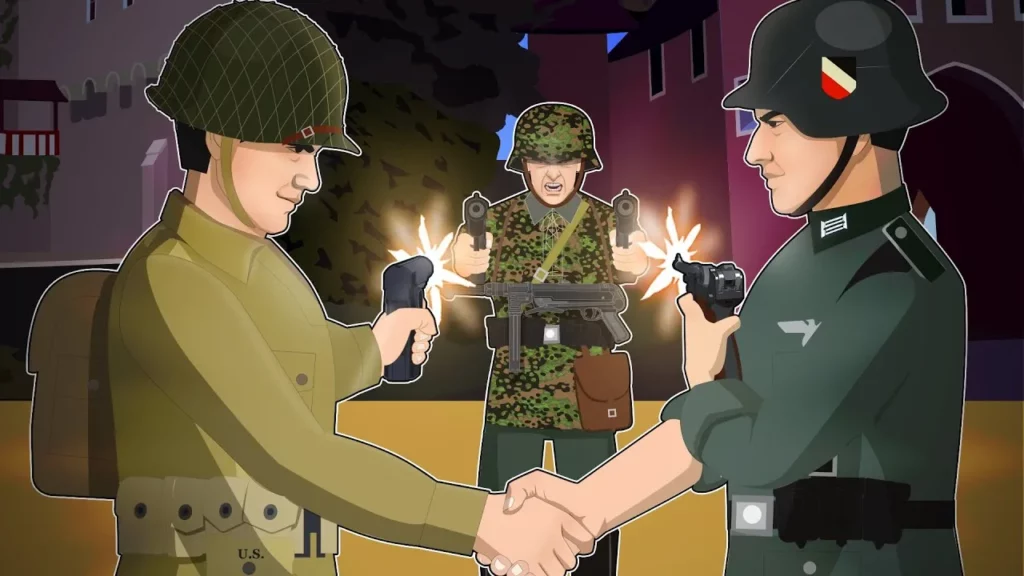
The lesson explores the unexpected instances of cooperation between Allied and Axis soldiers during World War II, highlighting unique stories such as the Battle of Castle Itter, where American and German forces united to defend prisoners against an SS attack. It also recounts the compassionate act of German pilot Franz Stigler, who chose to escort a damaged American bomber to safety, and the tragic friendly fire incident involving American and Soviet forces. These narratives illustrate the complex human experiences and moments of solidarity that emerged even amidst the brutal conflict of war.
Who was the Blackout Ripper?
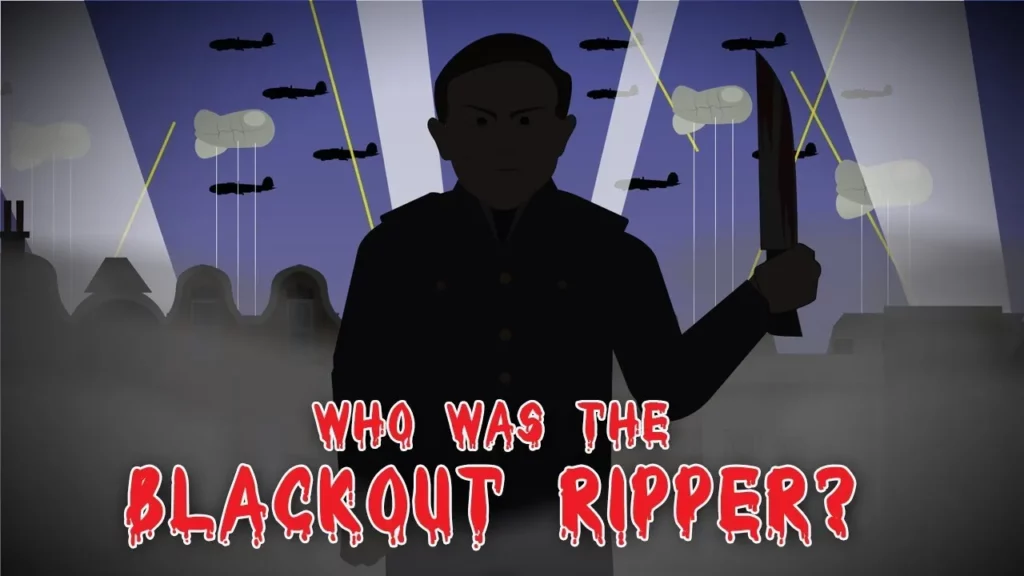
The lesson explores the chilling case of the Blackout Ripper, a serial killer who terrorized London during World War II in February 1942, amidst the backdrop of ongoing air raids. Over the course of a week, four women, primarily sex workers, were brutally murdered, prompting a police investigation that ultimately led to the arrest of Gordon Frederick Cummins, who was convicted and executed for the crimes. The lesson highlights the challenges faced by law enforcement during wartime and the societal impacts of such violent acts on a city already grappling with the horrors of war.
Most Dangerous Career Paths To Take In The Modern Military
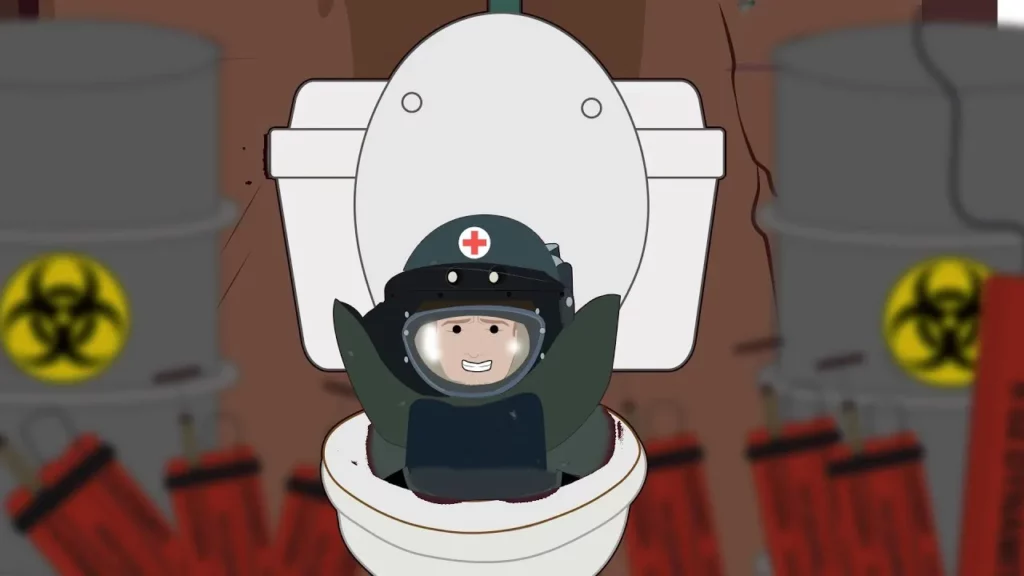
The lesson explores the most dangerous jobs in the military, highlighting the unique risks and stresses associated with roles such as EOD technicians, forward observers, combat medics, and war correspondents. Each profession faces life-threatening situations, from disarming explosives to providing medical care under fire, and often experiences high levels of burnout and trauma. Despite the inherent dangers, these individuals demonstrate remarkable bravery and commitment in their service.
Puritans (The Killjoys of History)
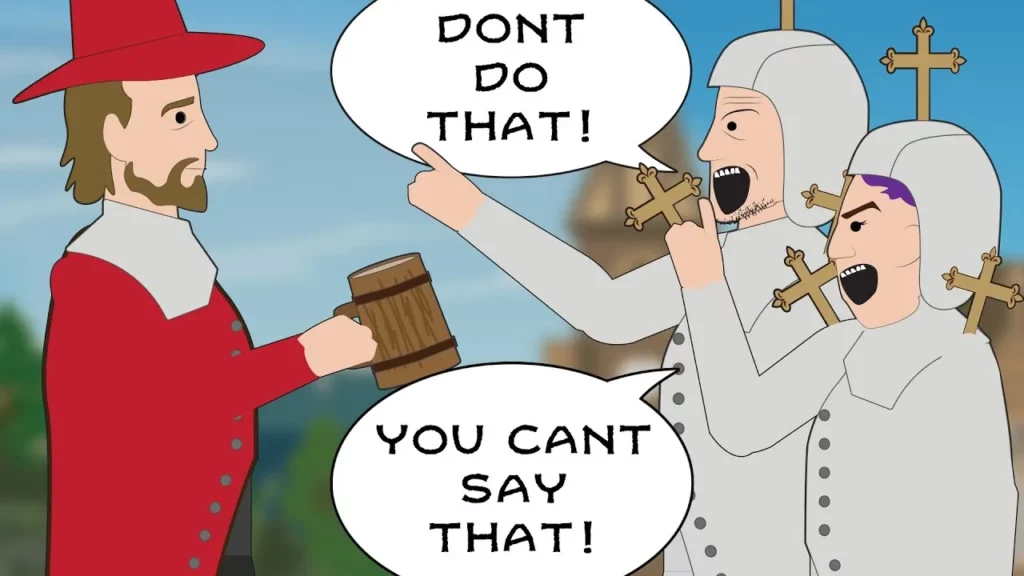
The lesson explores the Puritans, a group that emerged from the Reformed Protestant movement in England, advocating for significant religious reforms within the Church of England from the late 16th century to the early 18th century. Despite facing criticism and opposition, the Puritans sought to eliminate Catholic influences in worship and society, leading to their migration to North America where they aimed to establish communities based on their beliefs. Their legacy persists today, shaping aspects of modern American society and religious practices.