
Did Pirates really bury their treasure?
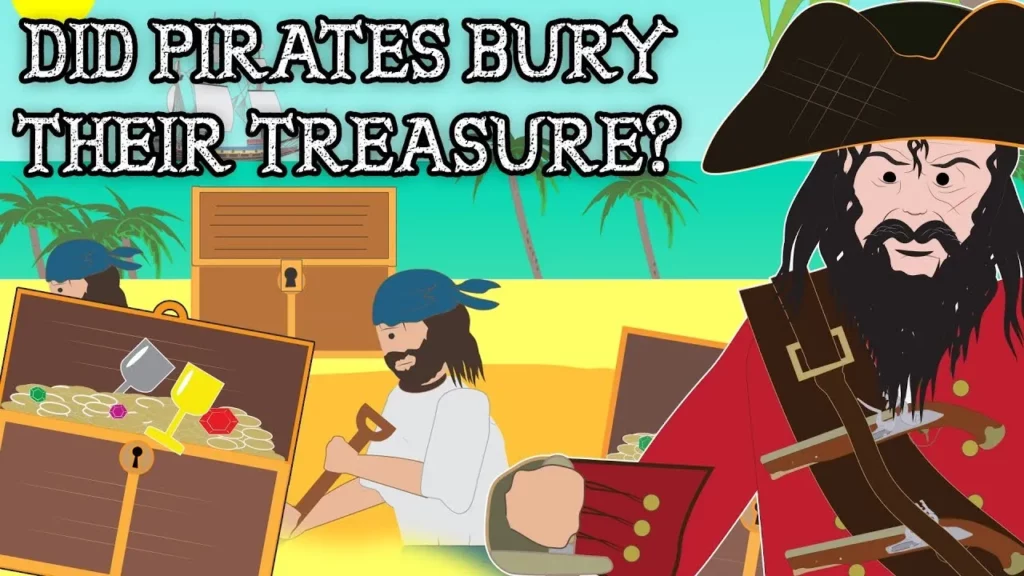
The lesson explores the myth of pirates burying treasure, revealing that this notion is largely fictional. In reality, pirates typically divided their loot among the crew and spent it quickly on various pleasures rather than hiding it for future use. The idea of buried treasure was popularized by literature and media, notably Robert Louis Stevenson’s “Treasure Island,” rather than being a common practice among actual pirates.
America VS. Australia in WW2
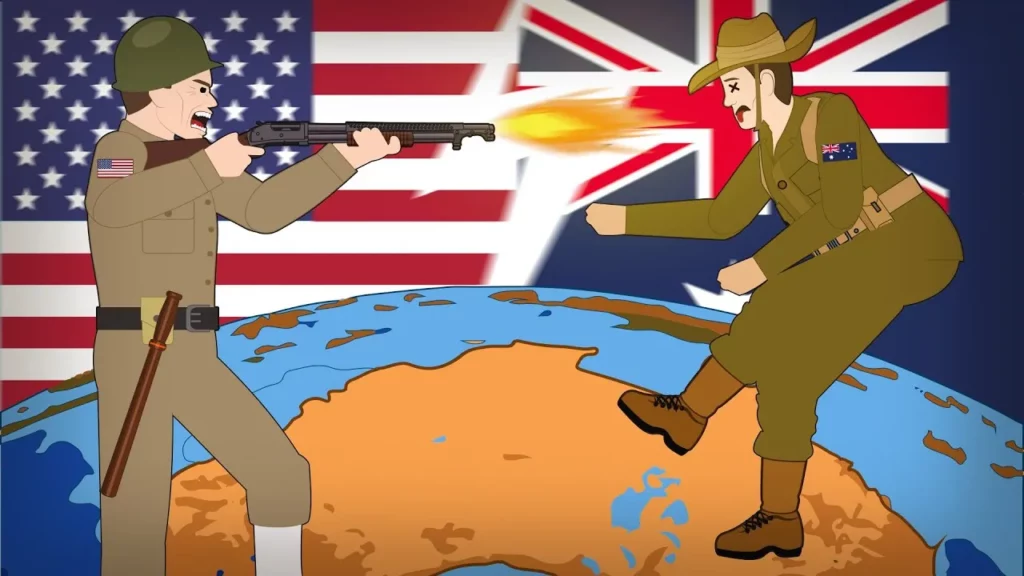
The lesson on “America vs. Australia in World War II” explores the complexities of the alliance between American and Australian forces during the Pacific Campaign, particularly highlighting the tensions that arose in Brisbane. The arrival of American troops led to mixed feelings among Australians, culminating in the “Battle of Brisbane,” a significant altercation that underscored the challenges of maintaining order and camaraderie among allied soldiers. This incident serves as a reminder of the importance of understanding cultural differences and effective communication in fostering successful partnerships during wartime and beyond.
Strange Military Deaths
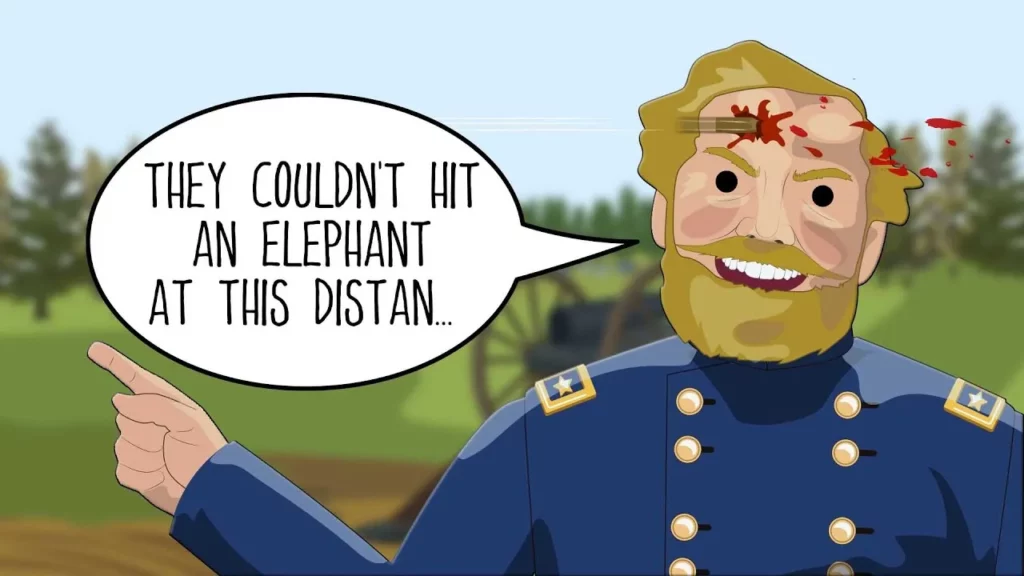
The lesson explores unusual and tragic military deaths throughout history, highlighting how not all fatalities occur in battle. It recounts several bizarre incidents, including the brutal execution of Captain Mark Antonio Bragadin during the Siege of Famagusta, a fatal nuclear accident in Idaho, the dark fate of George H.W. Bush’s crewmates during World War II, and the ironic death of Union General John Sedgwick. These stories serve as reminders of the unpredictable nature of life and death in military service.
Groom of the Stool (Worst Jobs in History)
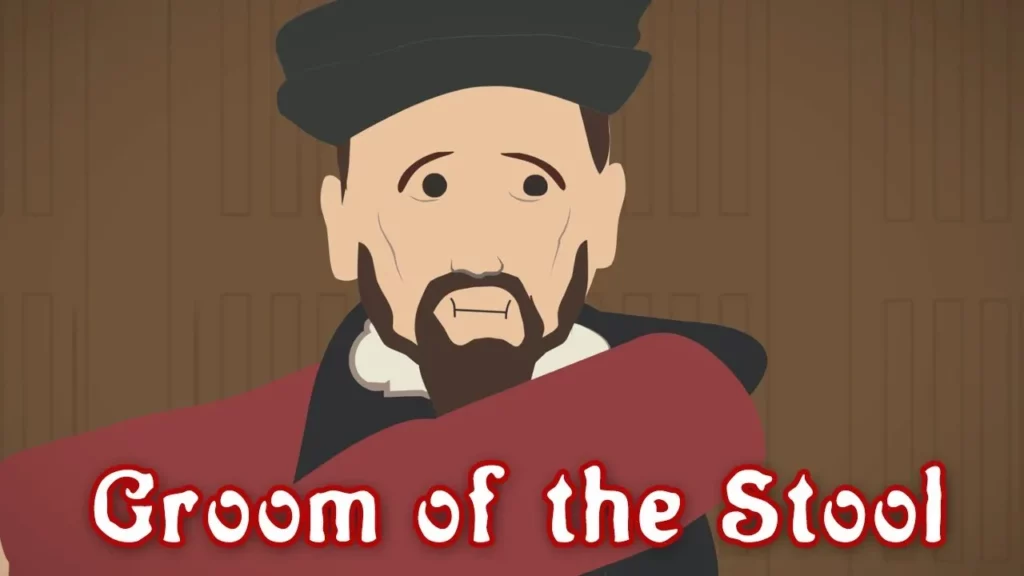
The lesson explores the unique and often unpleasant role of the Groom of the Stool in Tudor England, a position responsible for the King’s personal hygiene and comfort after using the toilet. Initially a low-status job, it gained prestige under Henry VIII, becoming a position of trust and influence, often held by noblemen. Despite its importance, the role could lead to perilous outcomes, as exemplified by the execution of Henry Norris, and eventually evolved into a different position under Queen Elizabeth I.
The Trebuchet
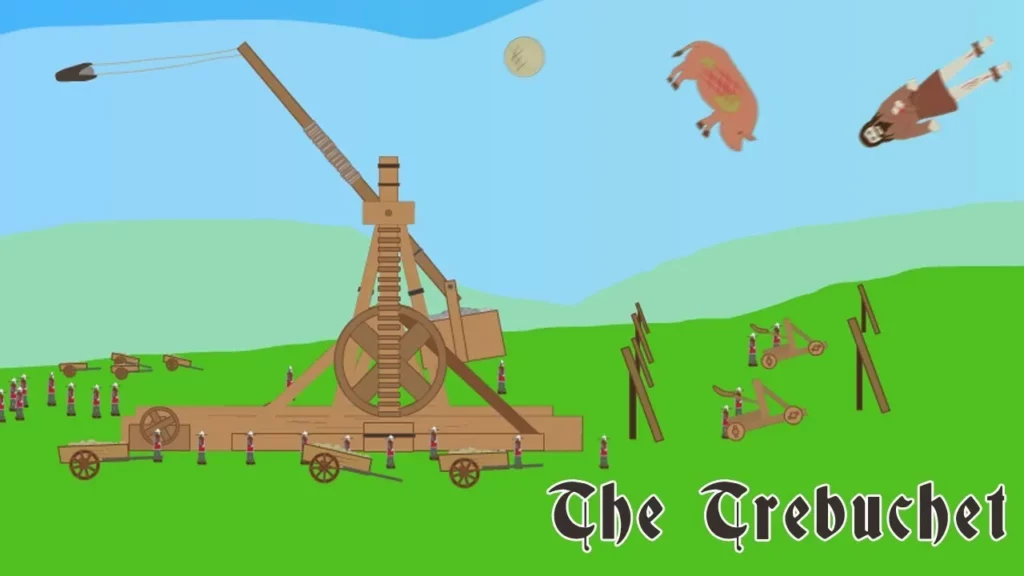
The trebuchet was a formidable medieval weapon, originating in China around the 4th century BC and later used in Europe to launch heavy projectiles at enemy fortifications. It evolved from the human-powered traction trebuchet to the more advanced counterweight trebuchet, which utilized a heavy weight to propel projectiles with precision. One of the most notable examples, the War Wolf, played a significant role in the siege of Stirling Castle in 1304, demonstrating the trebuchet’s effectiveness before its decline with the advent of cannons and gunpowder.
F.B.I. Hostage Rescue Teams (Domestic Delta)
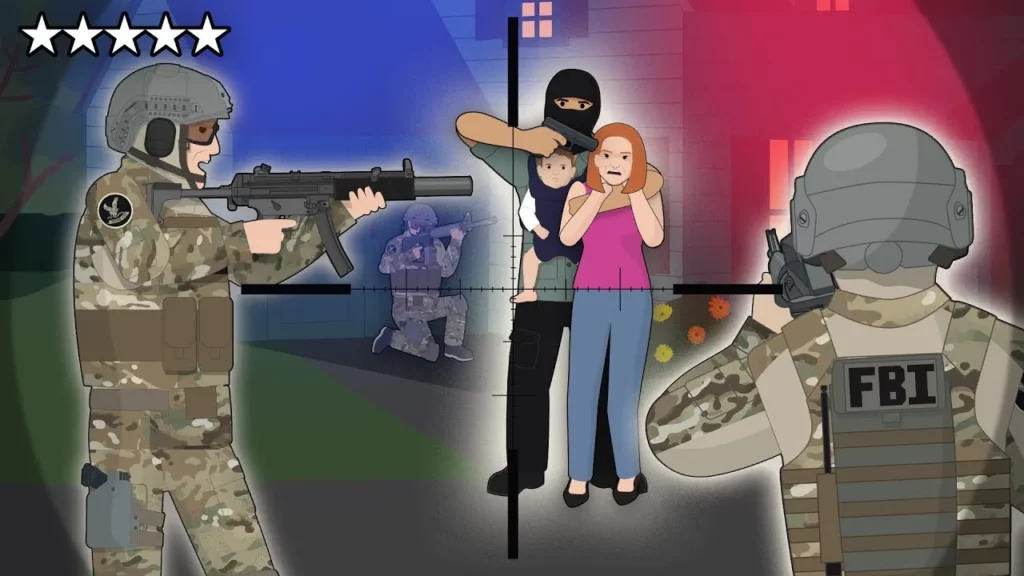
The FBI Hostage Rescue Team (HRT), established in 1972 in response to the Munich Olympics tragedy, is a specialized unit focused on ensuring safety through hostage negotiations, rescue missions, and counter-terrorism operations. Comprised of around 150 elite members organized into color-coded teams, the HRT undergoes rigorous selection and training to prepare for high-stakes incidents both domestically and internationally. Despite facing challenges and controversies, the HRT remains committed to its mission, having successfully managed over 800 critical operations while emphasizing their motto, “To Save Lives.”
Different Ways to Shoot a Gun

The lesson on “Understanding Different Shooting Positions” emphasizes the significance of experience and technique in firearm handling, highlighting how a shooter’s stance can reflect their skill level. It introduces five key shooting positions—Prone, Weaver, PowerPoint, Harry’s Technique, and the Soviet Manual of Arms—each designed to enhance accuracy and control in various situations. Mastering these positions, along with fundamental gun safety and operation, is essential for anyone looking to improve their shooting abilities.
WW1 Defense in Depth – Trench Tactic (Cross Section)
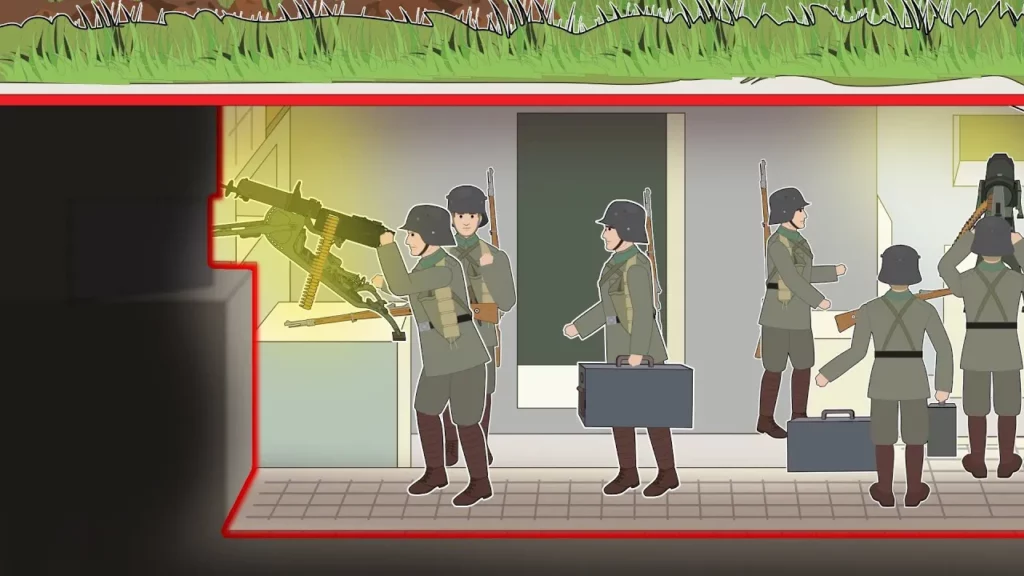
The lesson on “WW1 Defense in Depth – Trench Tactic” explores the German military’s innovative strategy of “defense in depth,” developed under General Ludendorff in 1916 to address the high casualties and stalemate on the Western Front. This approach involved creating multiple defensive zones—Outpost, Battle, and Rearward—each serving distinct roles in delaying enemy advances and preserving German forces, ultimately allowing for counter-attacks when the enemy was vulnerable. The strategy emphasized flexibility, firepower over troop numbers, and the importance of depth in defensive positions, significantly impacting the dynamics of trench warfare during World War I.
Tosher / Sewer Hunter (Worst Jobs in History)
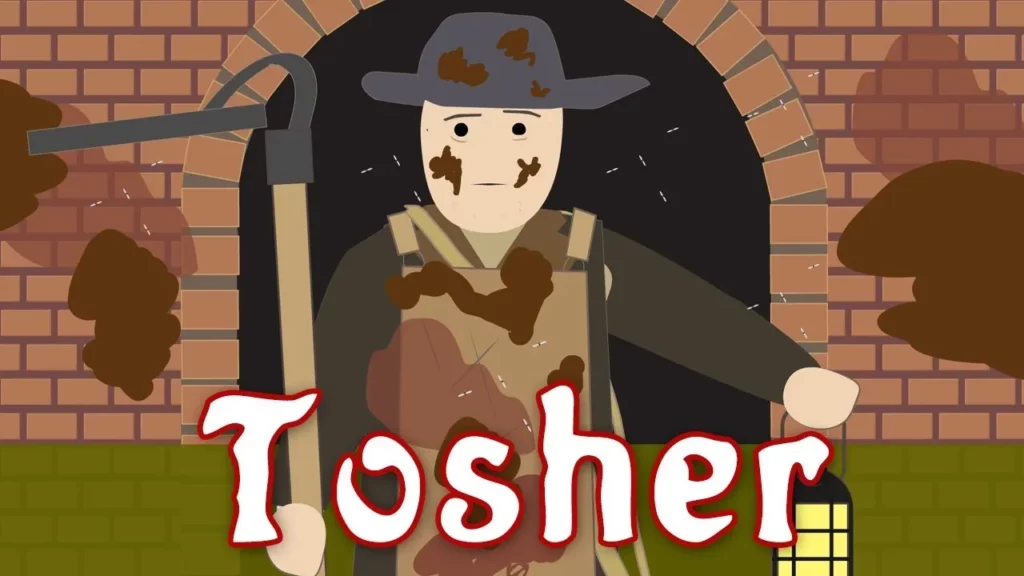
The lesson explores the challenging and hazardous life of sewer hunters, or “Toshers,” in Victorian London, who scavenged through the city’s sewers for valuable items amidst dangerous conditions. Despite the risks of collapsing tunnels, harmful gases, and disease-carrying rats, these workers took pride in their ability to find precious treasures and earned a respectable income compared to other laborers of their time. Their story highlights the often overlooked, difficult jobs that have existed throughout history as people sought to make a living.
Battle for Pavlov’s House (WWII)
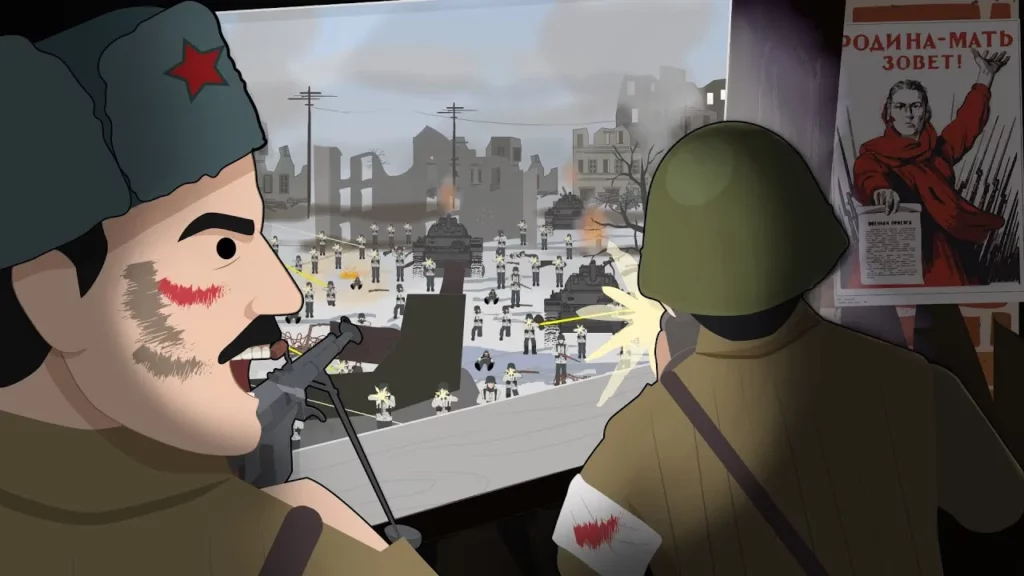
The lesson on “Battle for Pavlov’s House” highlights the extraordinary heroism displayed by Soviet defenders during the Siege of Stalingrad, particularly through the story of Junior Sergeant Yakov Fedotovich Pavlov and his comrades who held a strategically vital building against relentless German assaults for 58 days. This defense not only exemplified the resilience and bravery of the Red Army but also served as a powerful symbol of hope and inspiration for Soviet forces during a critical phase of World War II. The legacy of Pavlov’s House remains a testament to the sacrifices made by both military personnel and civilians in the face of overwhelming odds.