
Aztec Sacrifice
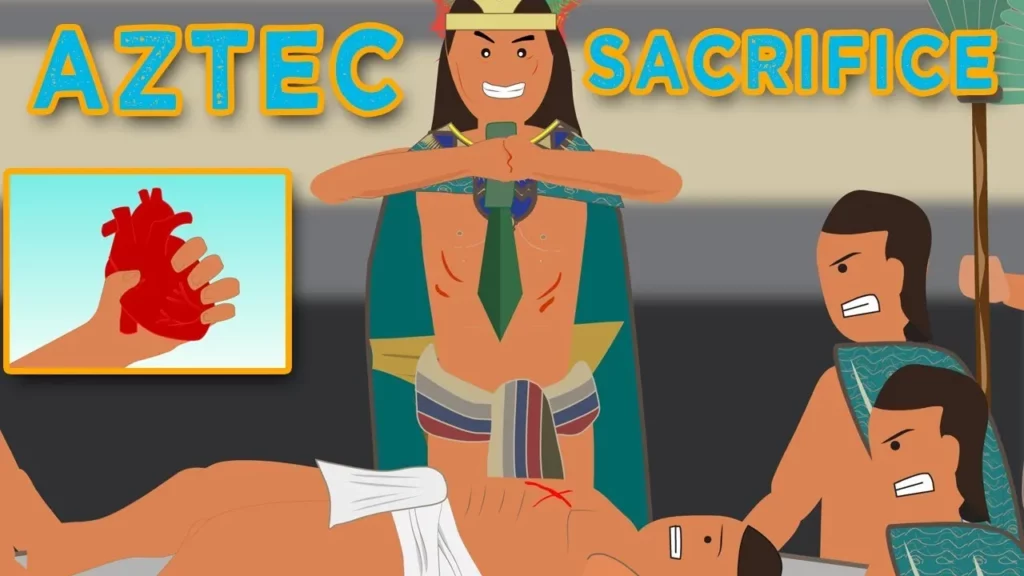
The lesson provides an overview of the significance of sacrifice in Aztec culture, highlighting their belief that offering blood to the gods was essential for maintaining the sun’s daily rise. It details the various forms of sacrifice, including bloodletting, animal offerings, and the more gruesome human sacrifices, which were integral to their religious rituals and often involved elaborate ceremonies led by high priests. The lesson concludes with the decline of these practices following the arrival of Spanish conquistadors and the impact of European colonization on Aztec traditions.
WWI Factions: The Indian army
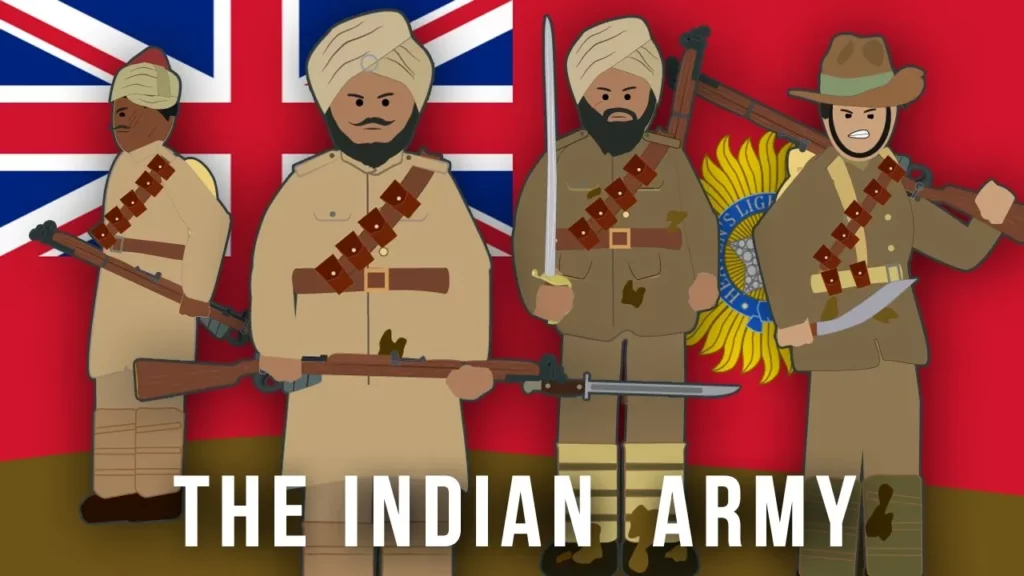
The lesson discusses the involvement of the Indian Army in World War I, highlighting the political tensions in India and the hope for independence that motivated their support for Britain. Under the leadership of Lord Kitchener, approximately 1.5 million Indians volunteered, with 800,000 actively fighting in various global theaters, suffering significant casualties. Despite their sacrifices, the lack of post-war independence led to increased discontent and fueled the independence movement led by figures like Mahatma Gandhi.
Paranormal ‘Encounters’ from World War I
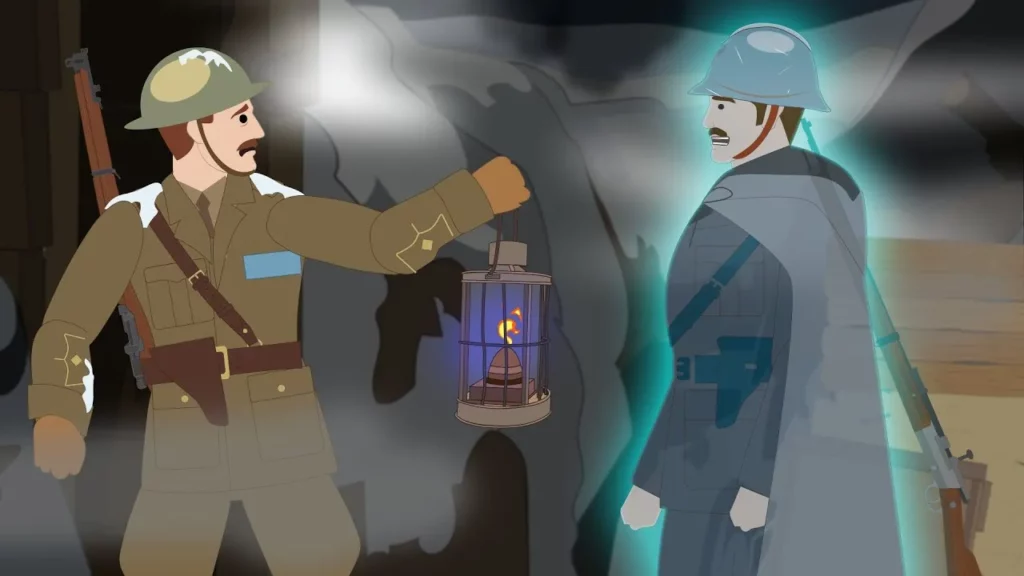
The lesson explores the psychological and paranormal phenomena experienced by soldiers during World War One, highlighting the “thousand yard stare” and “shell shock” as coping mechanisms for the trauma of war. It also delves into eerie tales such as sightings of “wild men” in no man’s land, rumors of UFO encounters involving the Red Baron, and ghostly apparitions that influenced soldiers’ actions. These stories reflect the profound impact of the war on the human psyche, illustrating how the chaos and violence led to a blend of reality and myth, leaving many questions about the nature of their experiences.
The One-eyed Scout who Liberated a Whole Town by Himself
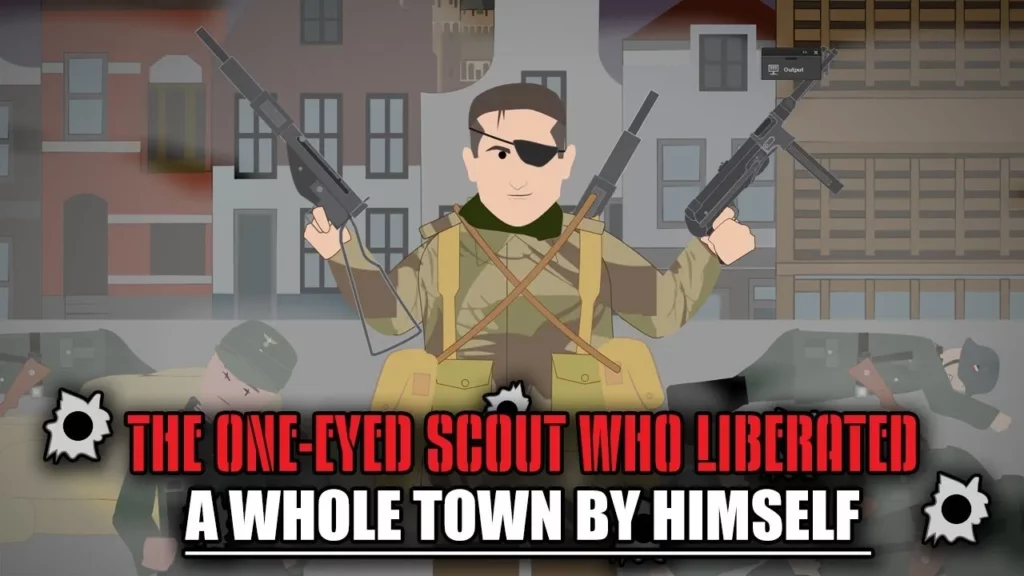
The lesson highlights the remarkable bravery of Leo Major, a French-Canadian soldier who distinguished himself during World War II, particularly through his solo efforts to liberate the Dutch town of Zwolle. Despite suffering severe injuries, including the loss of sight in one eye, Major’s quick thinking and determination led him to capture numerous enemy soldiers and ultimately liberate a town, earning him the Distinguished Conduct Medal. His legacy is one of exceptional courage and dedication, as he also served in the Korean War, becoming the only Canadian to receive this medal in two different conflicts.
The Great wall of China (World Wonder)
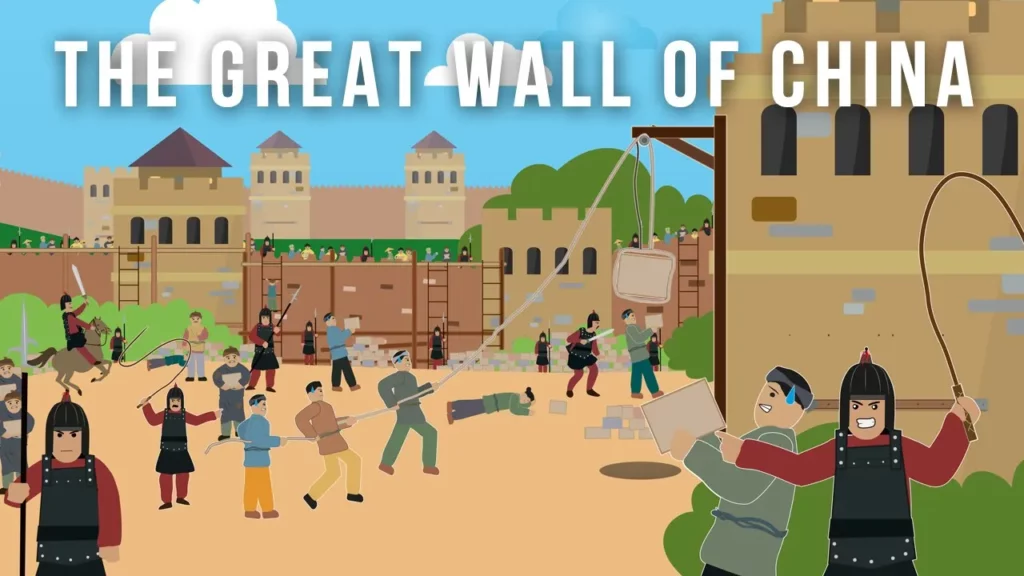
The lesson explores the Great Wall of China, highlighting its historical significance as a protective structure initiated by Emperor Qin Shi Huang in the 3rd century B.C. It details the wall’s construction, particularly during the Ming dynasty, and its recognition as a UNESCO World Heritage Site in 1987. Additionally, the lesson dispels the myth that the wall is visible from outer space, emphasizing its cultural importance and popularity among tourists today.
Low I.Q. People Forced to Become Soldiers (Vietnam War)
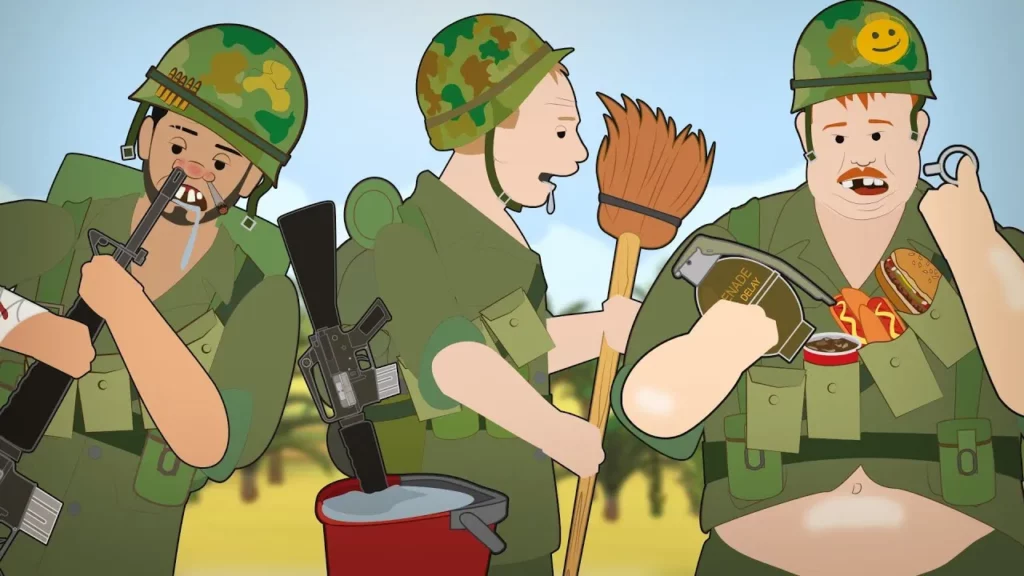
The lesson discusses the controversial Project 100,000, initiated during the Vietnam War to rapidly increase U.S. military forces by lowering enlistment standards, allowing individuals with lower IQs and various challenges to serve. While aimed at preventing the spread of communism, the program faced criticism for the harsh treatment of these recruits, who often struggled in combat and faced difficulties reintegrating into society after the war. This historical context highlights the complexities of military decisions and their long-term impacts on veterans.
Red Army Assault Sappers (World War II)
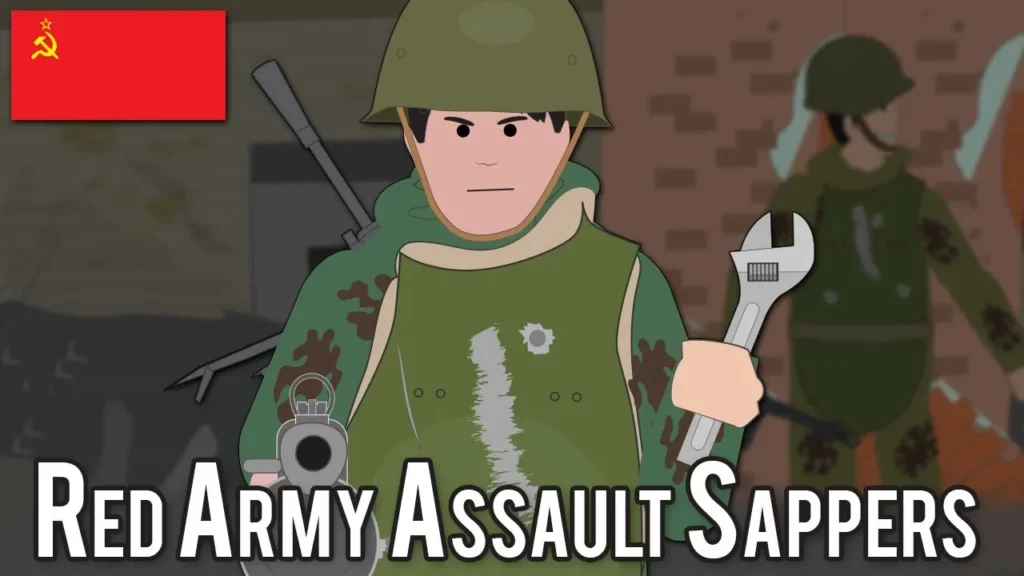
The lesson discusses the formation and impact of Red Army assault sappers during World War II, highlighting their evolution from defensive engineering units to specialized offensive forces. Initially created to fortify defenses against German invasions, these units underwent rigorous training and adapted their tactics to effectively breach enemy positions, significantly contributing to key battles such as the Battle of Kursk. By the end of the war, assault sappers had established a reputation for their bravery and effectiveness, playing a vital role in the Red Army’s successes across various fronts.
The Truth of the Salem Witch Trials
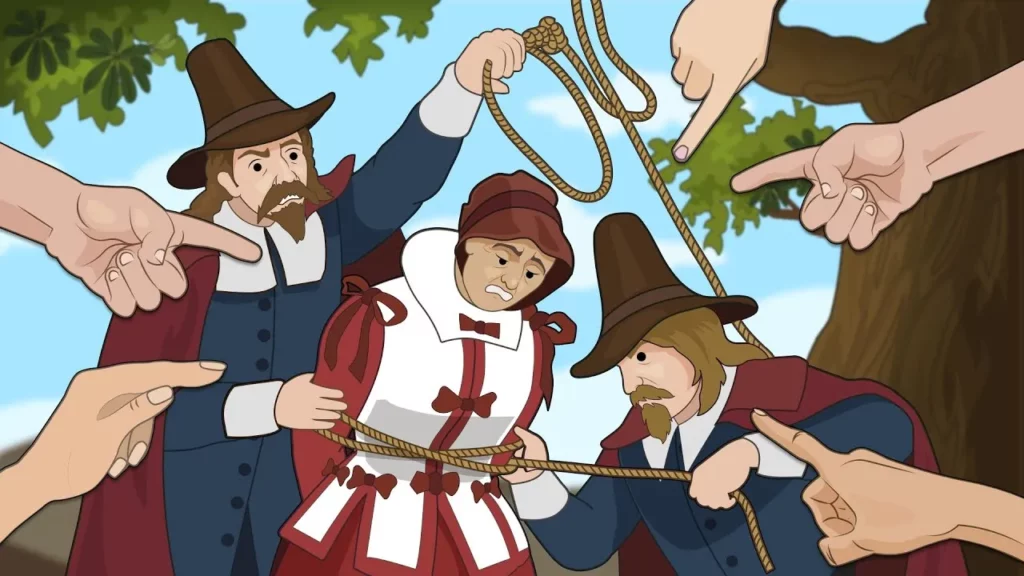
The Salem Witch Trials of 1692 were a tragic episode in which fear and panic led to the imprisonment of 150 individuals and the execution of 20, primarily women, accused of witchcraft. Rooted in community tensions, religious fervor, and the influence of influential families, the trials were marked by the acceptance of dubious evidence, such as “spectral evidence.” Ultimately, the trials ended as public sentiment shifted against them, highlighting the dangers of mass hysteria and the necessity for fair legal practices.
Weird Plague ‘Cures’ (The Black Death)
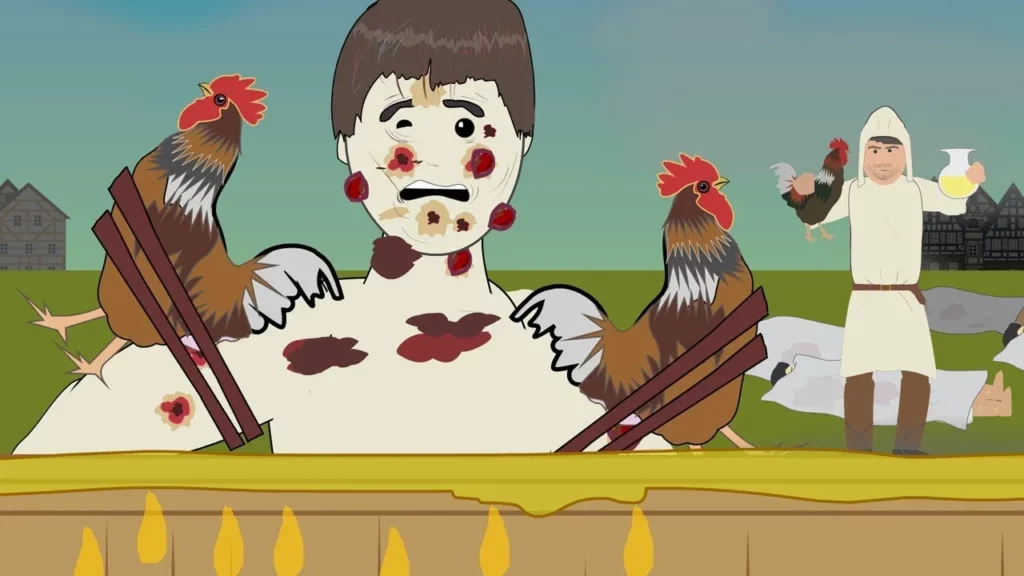
The lesson explores the devastating impact of the Black Death in the Middle Ages and the bizarre remedies people employed in their desperate attempts to combat the plague. Despite the widespread fear and misunderstanding of the disease’s true cause—fleas on rats—various ineffective treatments, such as bloodletting and urine baths, were used, reflecting the desperation of the time. Ultimately, the lesson highlights how these misguided efforts paved the way for advancements in medicine and public health practices, including the implementation of quarantine.
Obi Wan Nairobi – SAS Hero of the Kenyan Terror Attack
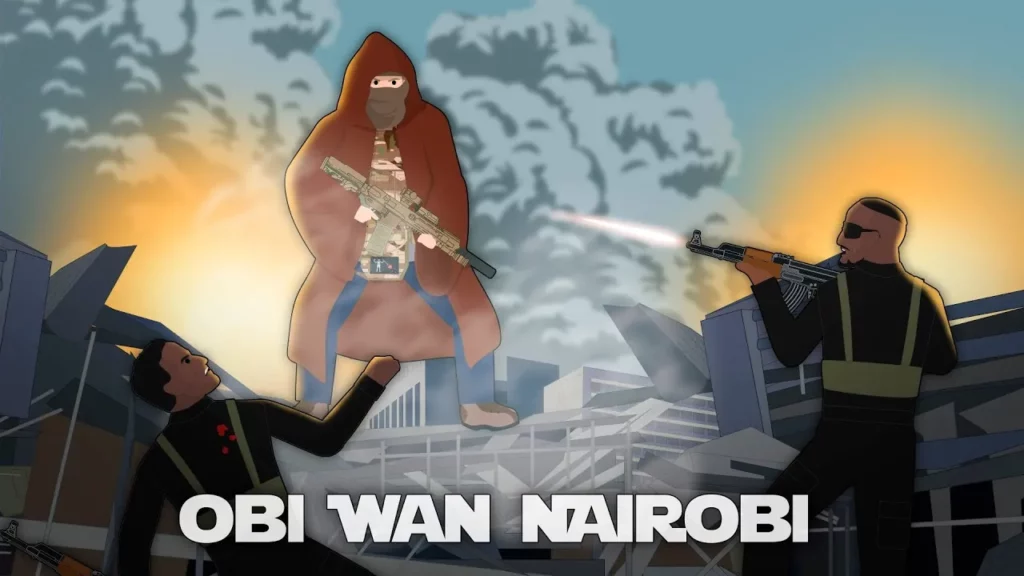
The lesson recounts the tragic events of the January 15, 2019, terrorist attack on the City D2 luxury hotel complex in Nairobi, Kenya, where a coordinated assault by armed militants resulted in chaos and loss of life. Amidst the turmoil, British SAS soldier Christian Craighead emerged as a hero, bravely assisting in the evacuation of civilians and confronting the attackers, ultimately saving many lives. His courageous actions earned him the nickname “Obi-Wan Nairobi” and highlight the critical role of quick thinking and bravery in crisis situations.