
The Beer Hall Putsch (1923)
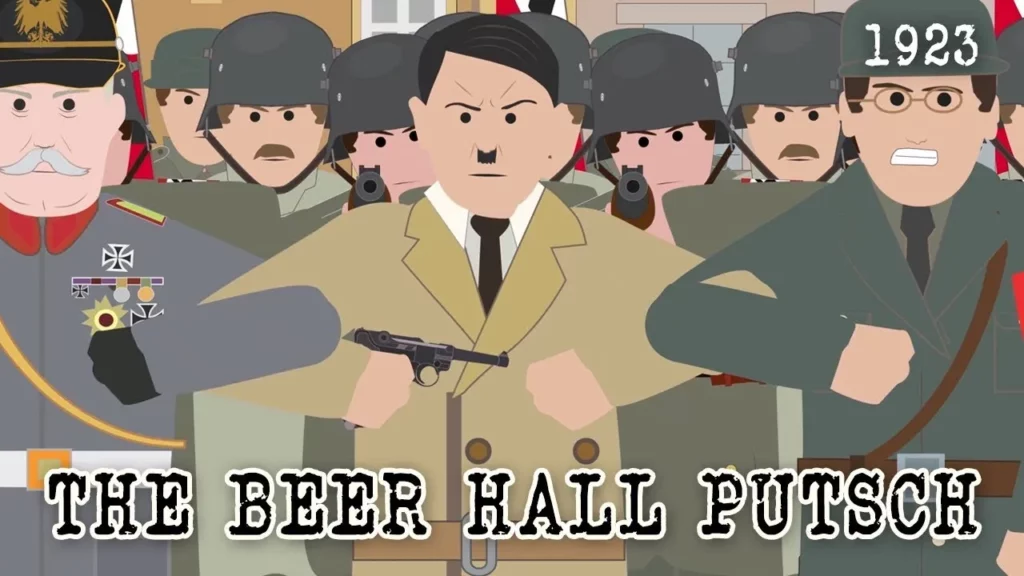
The Beer Hall Putsch of 1923 was a failed coup attempt by Adolf Hitler and the Nazi Party to overthrow the Weimar government amid Germany’s political and economic turmoil following World War I. Despite its failure, the event became a pivotal moment for Hitler, as the subsequent trial allowed him to gain national attention and refine his political strategies, ultimately leading to his rise to power. This lesson highlights how crises can create fertile ground for extremist movements to emerge and gain influence.
Life Inside the Vietcong Tunnels (Cross Section)
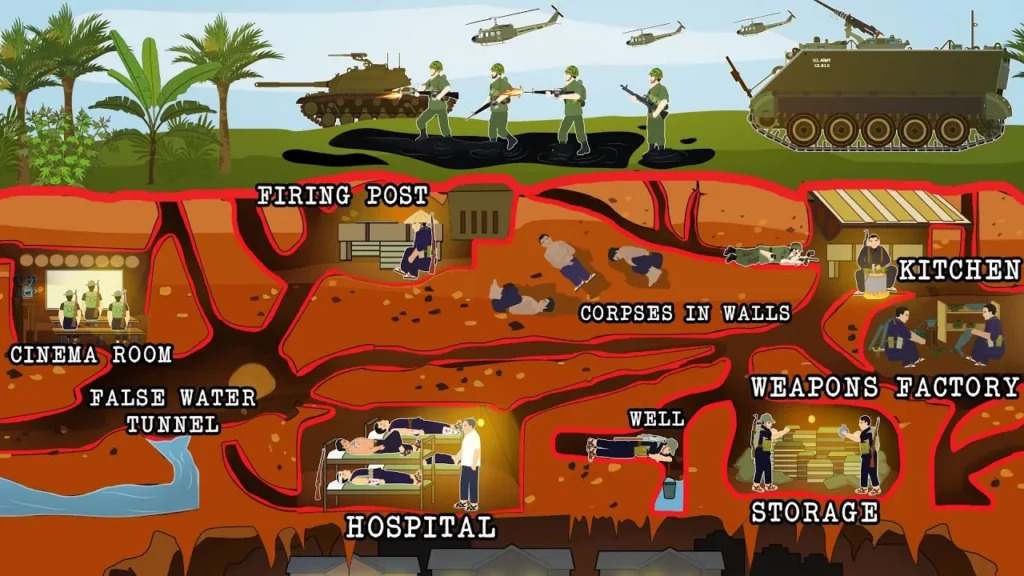
The lesson on “Life Inside the Viet Cong Tunnels” explores the strategic significance of the extensive underground tunnel network used by the Viet Cong during the Vietnam War. These tunnels, which provided concealment and a base for operations, allowed the Viet Cong to conduct guerrilla warfare effectively against the technologically superior American forces. Despite the harsh living conditions and challenges of tunnel life, the network played a crucial role in their military tactics, enabling surprise attacks and sustained resistance throughout the conflict.
Ferdinand Magellan – First Circumnavigation of the Earth
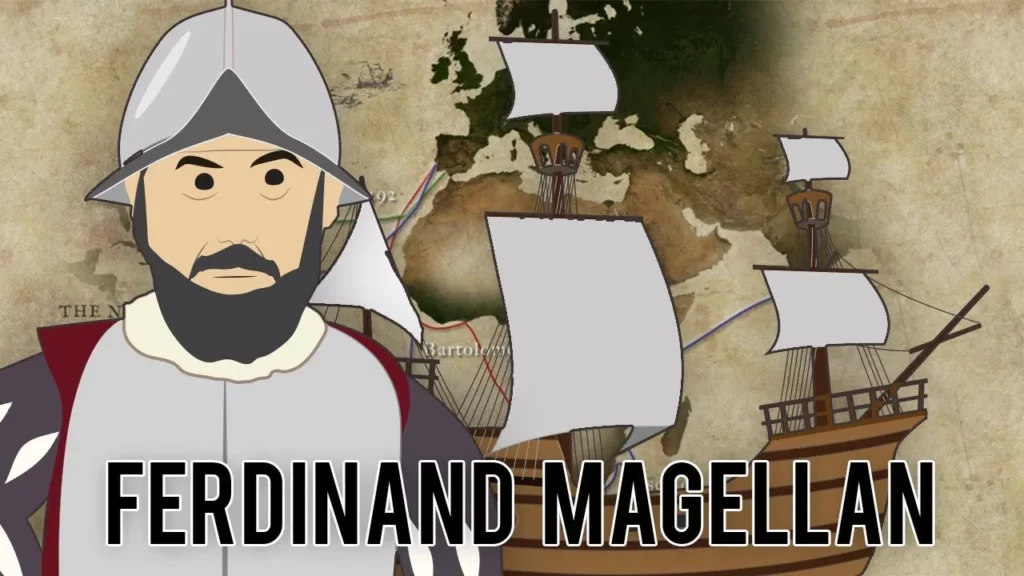
The lesson on Ferdinand Magellan’s expedition highlights his groundbreaking journey as the first to circumnavigate the Earth, which began in 1519 under the sponsorship of King Charles I of Spain. Despite facing numerous challenges, including mutiny, harsh conditions, and Magellan’s eventual death in the Philippines, the voyage ultimately demonstrated the Earth’s spherical nature and expanded European knowledge of global geography. The expedition concluded in 1522 with the return of the Victoria, marking a significant milestone in the Age of Exploration.
How the West Betrayed Czechoslovakia to Hitler (The Munich Agreement,1938)
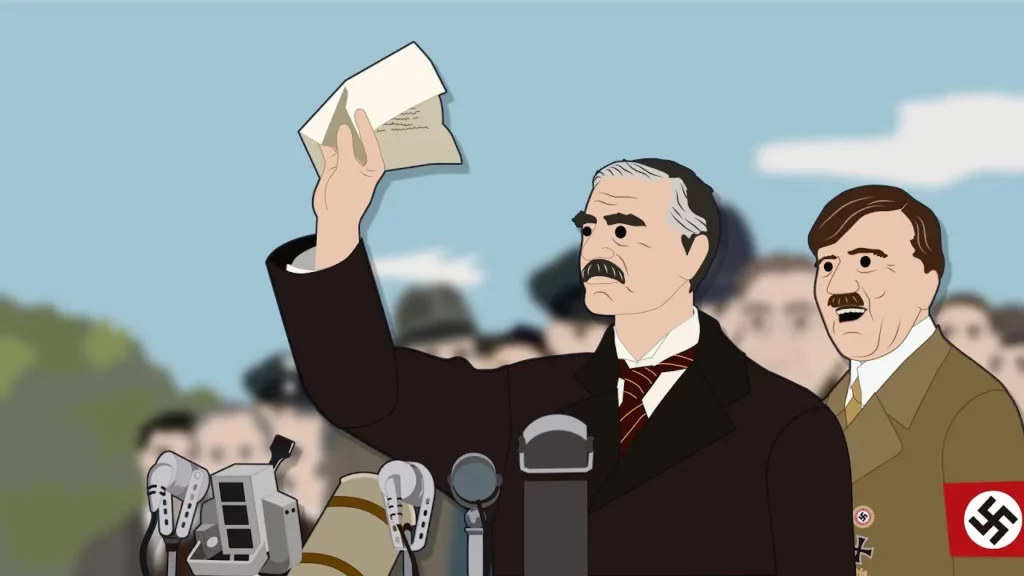
The Munich Agreement of September 30, 1938, marked a pivotal moment in history as Western powers, particularly Britain and France, conceded to Adolf Hitler’s demands by allowing Germany to annex the Sudetenland, a region of Czechoslovakia with a significant ethnic German population. This decision, made without Czechoslovakia’s consent, ultimately led to the disintegration of the country and highlighted the perils of appeasement in the face of totalitarian aggression. The agreement is now viewed as a cautionary tale about the consequences of compromising with authoritarian regimes.
Buccaneers
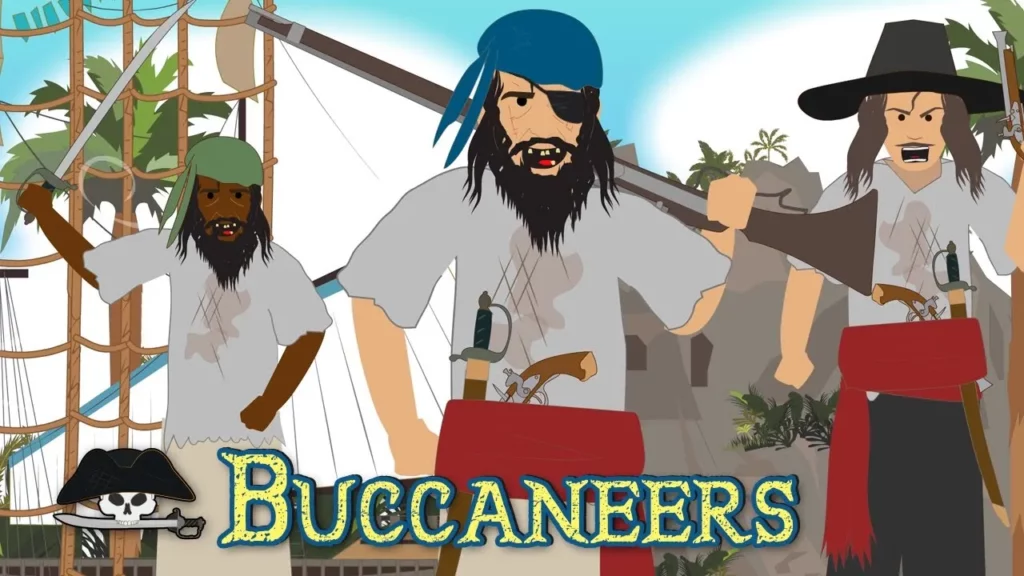
The lesson explores the history of buccaneers, a group of pirates who thrived in the Caribbean during the 17th and 18th centuries, known as the Golden Age of Piracy. Originally French colonists, they turned to piracy after struggling to make a living from hunting, and they gained British support to target Spanish and Dutch ships. However, as the Caribbean stabilized and their violent tactics led to conflicts with British interests, the buccaneers declined in power, ultimately fading away by the end of the 17th century, leaving behind a legacy of adventure and intrigue.
Life Inside a WWI A7V Tank (Cross Section)
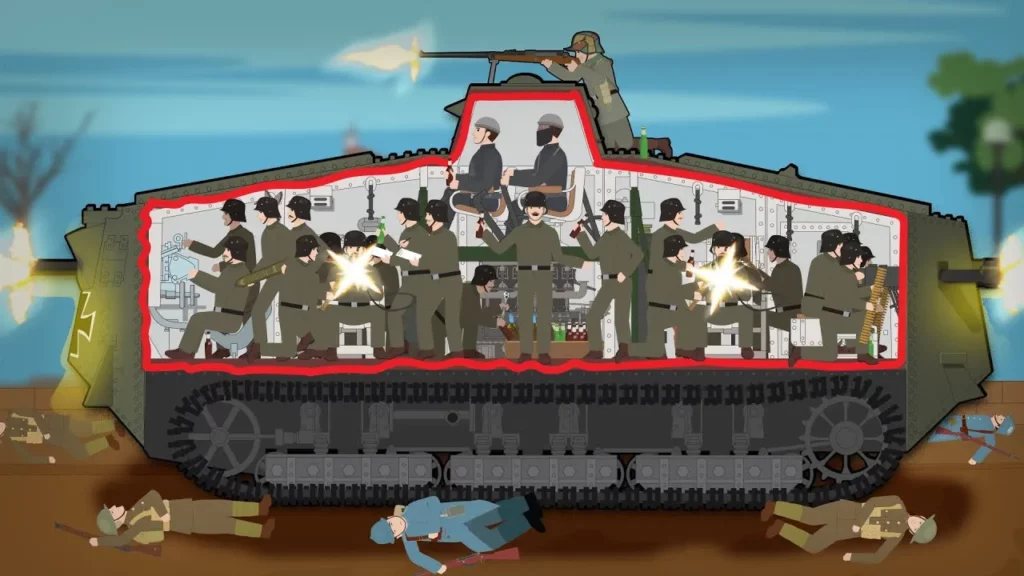
The lesson explores the A7V tank, Germany’s first tank design during World War I, highlighting its unique features, crew dynamics, and operational history. Despite its boxy design and limited effectiveness on the battlefield, the A7V represented a significant step in armored warfare and laid the groundwork for future tank developments in Germany. The lesson also touches on the tank’s legacy, emphasizing its role in shaping modern tank design despite the challenges faced during its deployment.
The ‘Most Violent Prisoner in Britain’
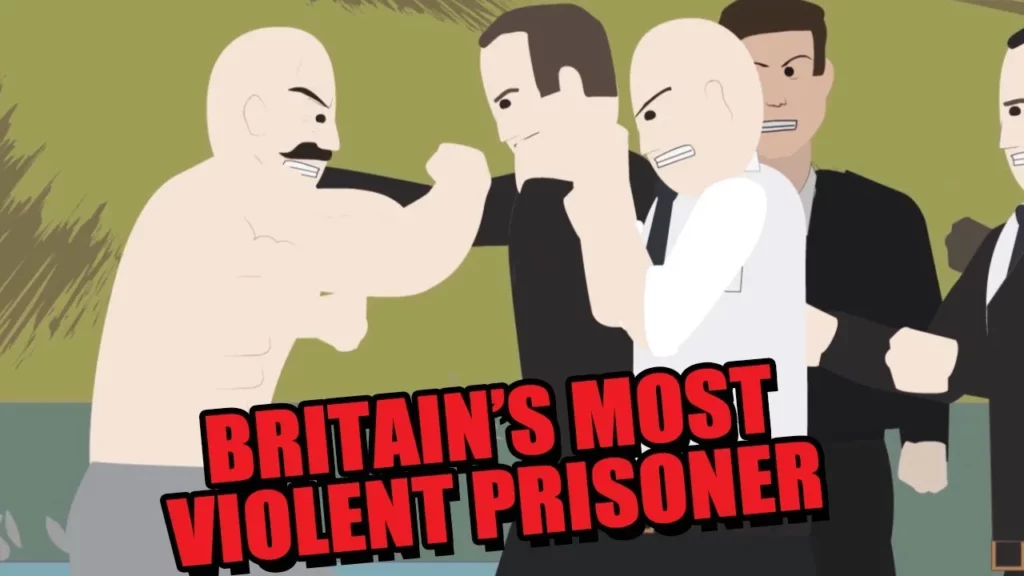
The lesson explores the tumultuous life of Charles Bronson, originally named Michael Gordon Peterson, who evolved from a troubled youth into one of Britain’s most notorious prisoners due to his violent behavior and repeated criminal offenses. Despite his aggressive past and multiple incarcerations, Bronson has shown a more introspective side through his artistic pursuits and attempts at personal reform, even as he remains imprisoned for life. His story raises questions about the roots of violence and the potential for change within individuals labeled as habitual offenders.
Italian Infantry Weapons of WWII
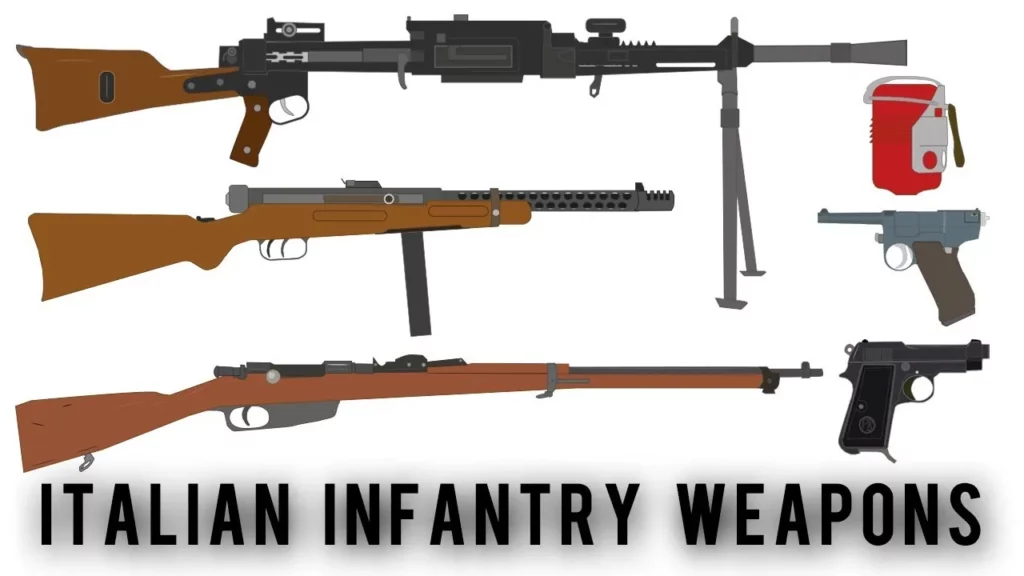
The lesson on Italian Infantry Weapons of WWII highlights the challenges faced by the Italian Army in equipping its soldiers with effective weaponry due to financial and industrial limitations. While some weapons, like the Beretta M1938 submachine gun, were well-regarded, many others, such as the outdated Carcano M1891 rifle and the problematic Breda machine guns, hindered the army’s effectiveness. Overall, the lesson illustrates the impact of weapon quality and production issues on military performance during the war.
The Hero who stood up to the My Lai Massacre (1968)
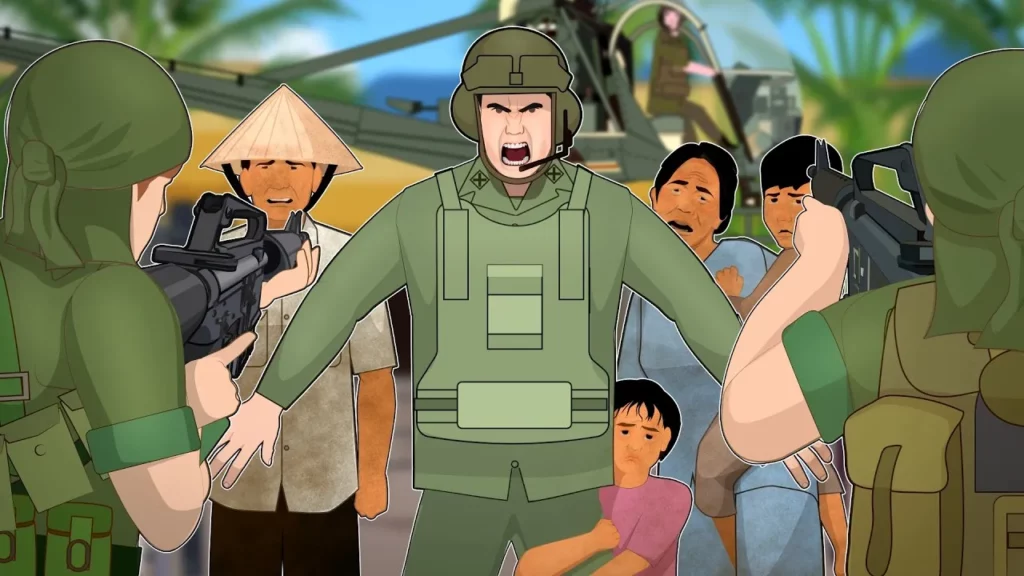
The lesson highlights the My Lai Massacre, a tragic event during the Vietnam War where American soldiers killed hundreds of unarmed civilians. Amidst this atrocity, Hugh Thompson emerged as a hero by intervening to stop the violence and evacuate survivors, ultimately reporting the incident and testifying against those responsible. His courageous actions serve as a powerful reminder of the importance of standing up for justice, even in the darkest of times.
What was ‘Fragging’? (The Vietnam War)
The lesson on “Fragging” during the Vietnam War explores the troubling phenomenon where soldiers turned against their superiors, often resulting in their deaths, typically using fragmentation grenades to disguise these acts as accidents. This behavior was primarily seen among support unit soldiers, driven by factors such as strict discipline, lack of trust in leadership, racial tensions, and substance abuse. The rise of fragging during this conflict underscores the complex dynamics and challenges within military units, highlighting the significant impact of leadership and discipline in high-stress environments.