
St. Valentine’s Day Massacre (1929)
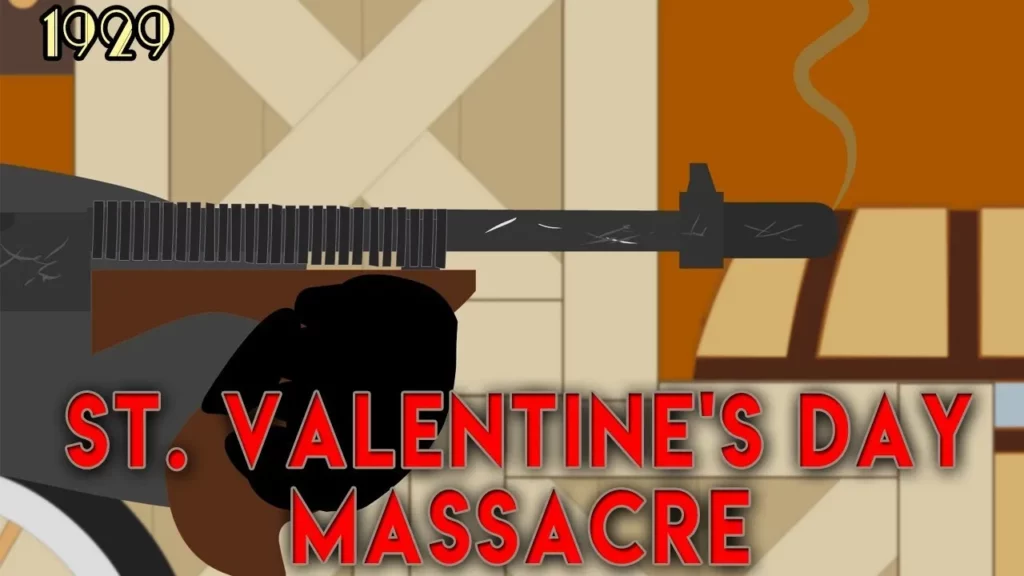
The St. Valentine’s Day Massacre of 1929 was a brutal gangland shooting in Chicago during Prohibition, where seven members of the North Side Gang were ambushed and killed by impostor police officers, believed to be affiliated with Al Capone’s organization. The attack was part of a violent power struggle between rival gangs, and despite the shocking nature of the crime, no one was ever convicted, leaving the massacre an unsolved mystery. The event highlights the lawlessness of the era and the complexities of organized crime in American history.
Knocker-upper (Weird Jobs in History)
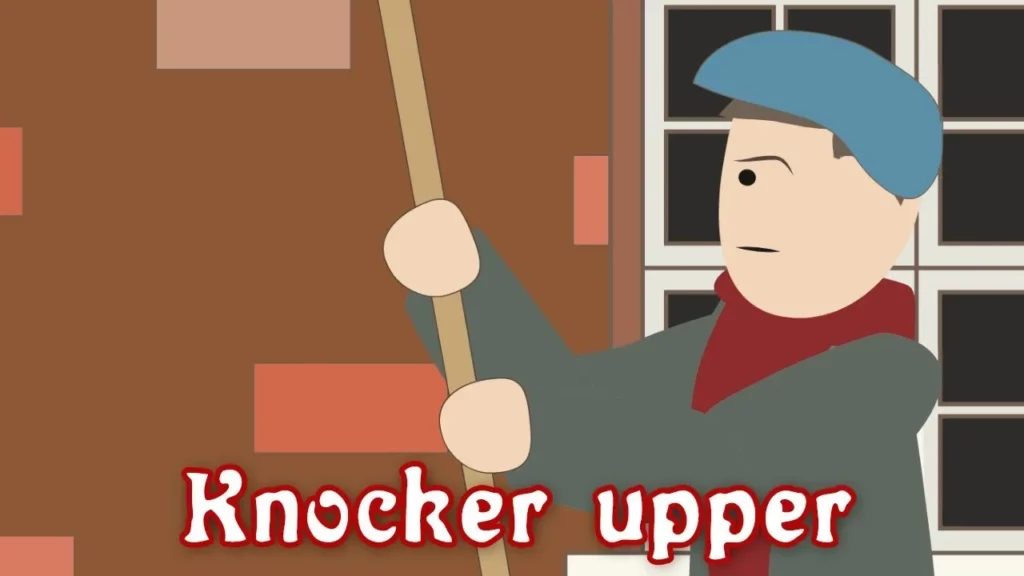
The lesson explores the unique profession of “knocker-ups,” individuals hired to wake people up before the advent of alarm clocks. Utilizing long poles or pea shooters to tap on windows, these workers played a crucial role during the Industrial Revolution, ensuring that factory workers arrived on time to avoid penalties. As alarm clocks became more affordable, the need for knocker-ups diminished, highlighting how creative solutions were employed to address everyday challenges in the past.
Life Under THE Most Evil Communist Regime – Khmer Rouge
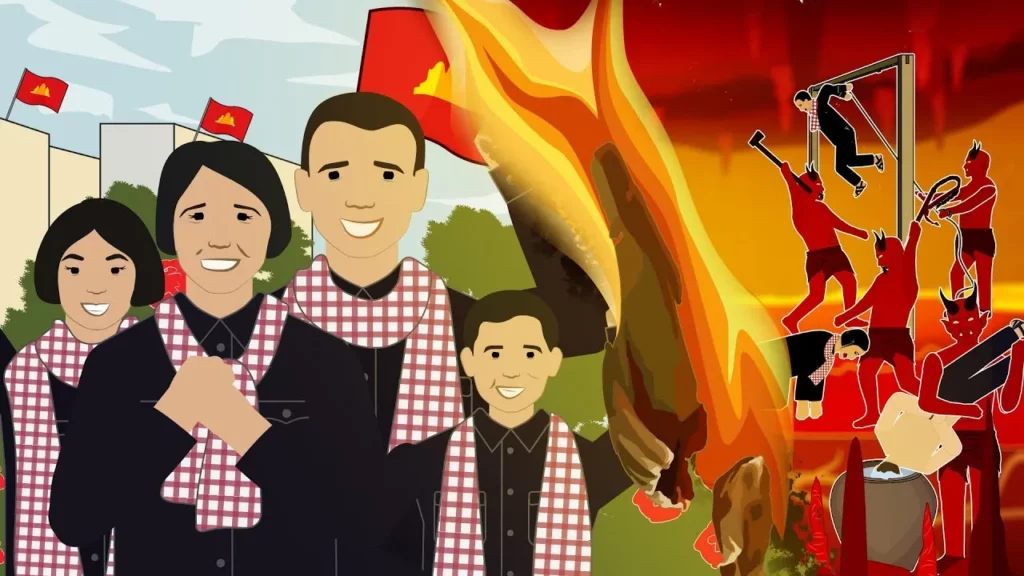
The lesson explores the devastating impact of the Khmer Rouge regime in Cambodia from 1975 to 1979, highlighting the brutal conditions at Security Prison 21 (S-21) where thousands were tortured and executed under Pol Pot’s leadership. It details the regime’s radical policies aimed at transforming Cambodian society through forced labor and agricultural collectivization, which led to widespread famine and the deaths of approximately 1.5 to 2 million people. Ultimately, the lesson underscores the horrific consequences of the Khmer Rouge’s paranoia and authoritarian rule, which resulted in one of history’s most tragic genocides.
Life Inside a Lancaster Heavy Bomber (Cross Section)
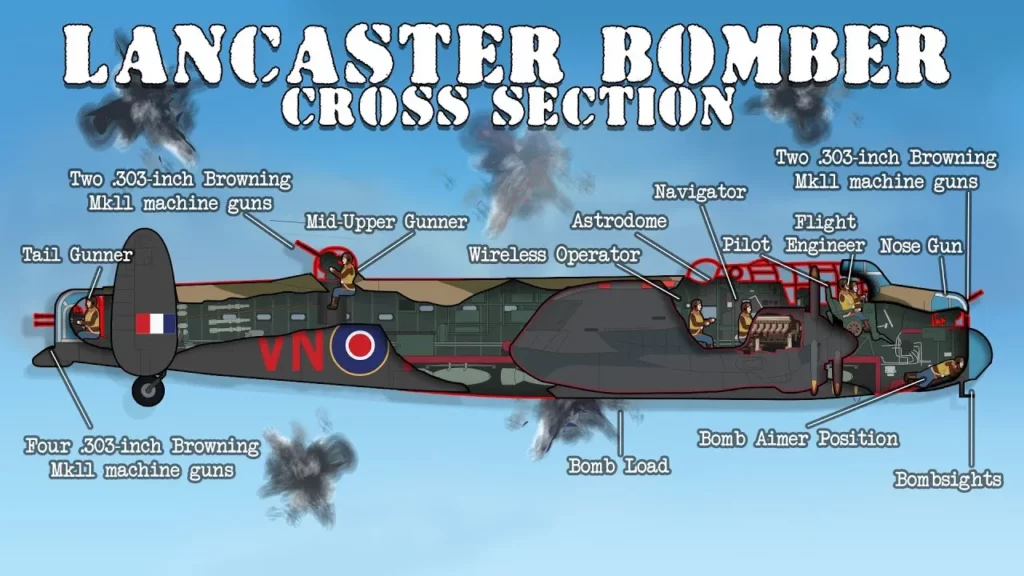
The Avro Lancaster was a crucial heavy bomber for the British during World War II, known for its impressive payload capacity and advanced bombing technology. With a crew of seven and powered by four Rolls-Royce Merlin engines, the Lancaster was capable of high speeds and long-range missions, significantly contributing to the Allied bombing campaign against Nazi Germany. Despite its effectiveness, the aircraft faced challenges, including difficulties in crew evacuation during emergencies, but it continued to serve in various capacities until its retirement in 1954, symbolizing innovation and bravery in wartime aviation.
What is the KGB and Why is it so Feared?
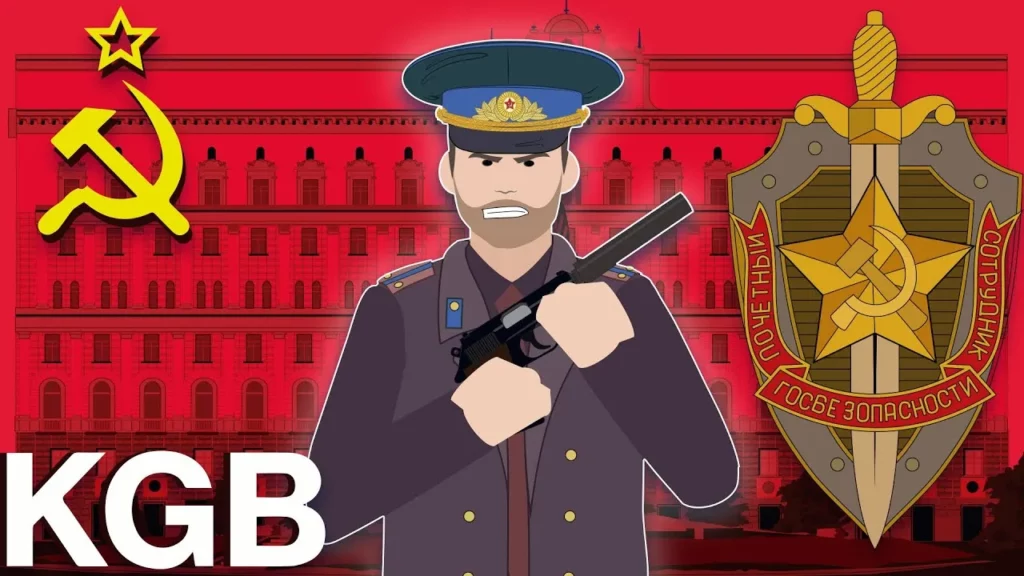
The KGB, or Committee for State Security, was the primary intelligence and security agency of the Soviet Union from 1954 until its dissolution in 1991, known for its dual role as both an intelligence service and a secret police force. It played a significant part in maintaining Soviet control through surveillance, suppression of dissent, and international espionage, particularly during the Cold War, which contributed to widespread fear and political repression. The KGB’s influence waned with the collapse of the Soviet Union, culminating in a failed coup attempt in 1991 that marked the end of both the agency and the Soviet state.
Why YOU NEVER Volunteer In War First
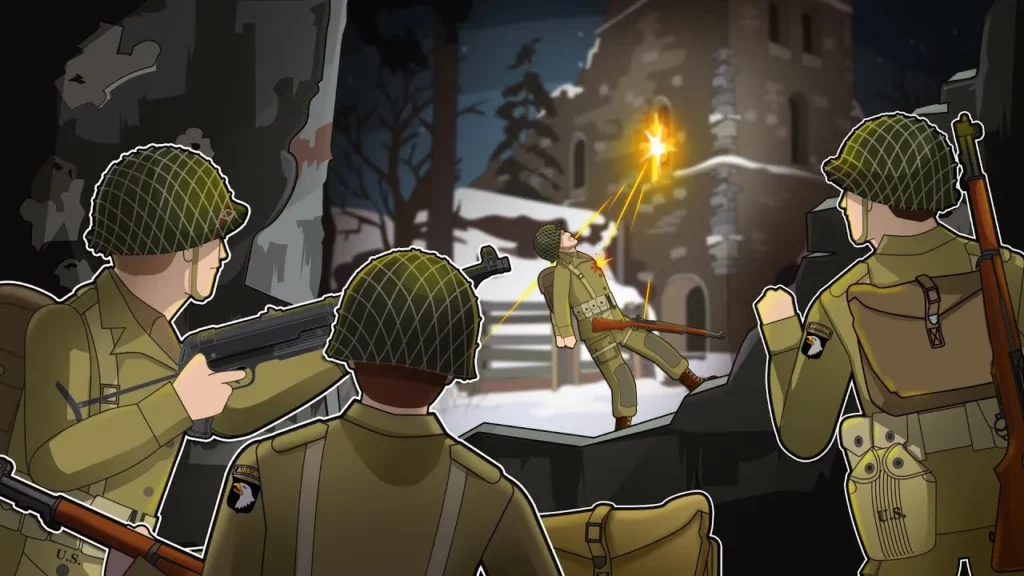
The lesson emphasizes the importance of carefully considering the risks associated with volunteering for certain roles in wartime. It highlights various dangerous positions, such as testing mustard gas, latrine duty, night watch, working as “Canary Girls” in munitions factories, and serving as medics during brutal battles like Passchendaele, all of which can lead to severe physical and mental health consequences. Ultimately, the lesson advocates for a thoughtful evaluation of the potential dangers before committing to volunteer in a war setting.
What Food did Soldiers Eat?
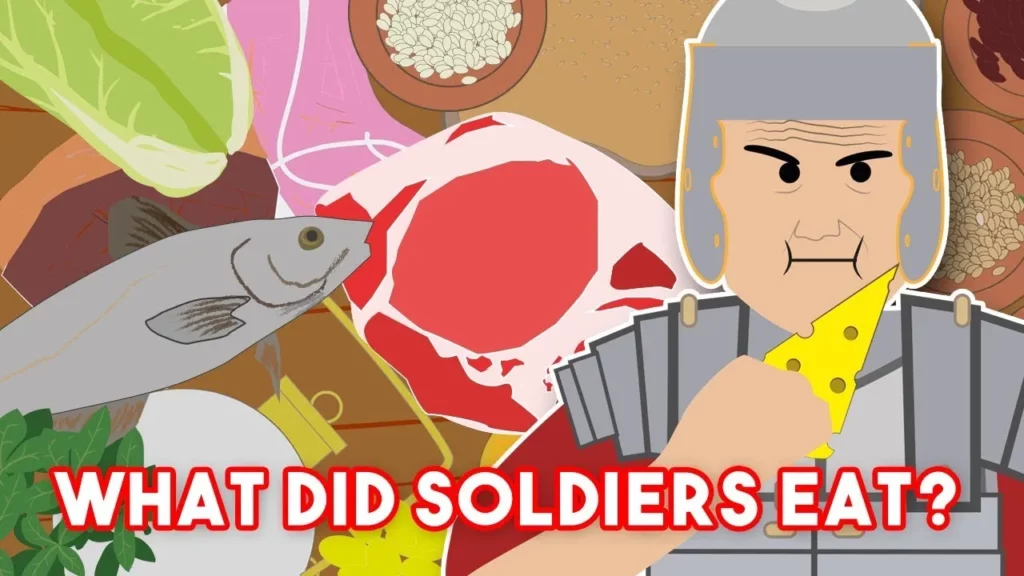
The lesson explores the evolution of soldiers’ diets throughout history, highlighting the challenges military leaders faced in keeping their troops fed. From ancient times, where soldiers relied on limited and often unappetizing rations, to the more organized and varied diets of the Roman Empire and the logistical struggles of medieval and 19th-century armies, the lesson emphasizes how food preservation advancements, such as canning, eventually improved soldiers’ nutrition. Overall, it illustrates the critical role of food supply in military success and the ongoing efforts to enhance the diets of soldiers over time.
Hoplite – Citizen soldier (Ancient Greece)
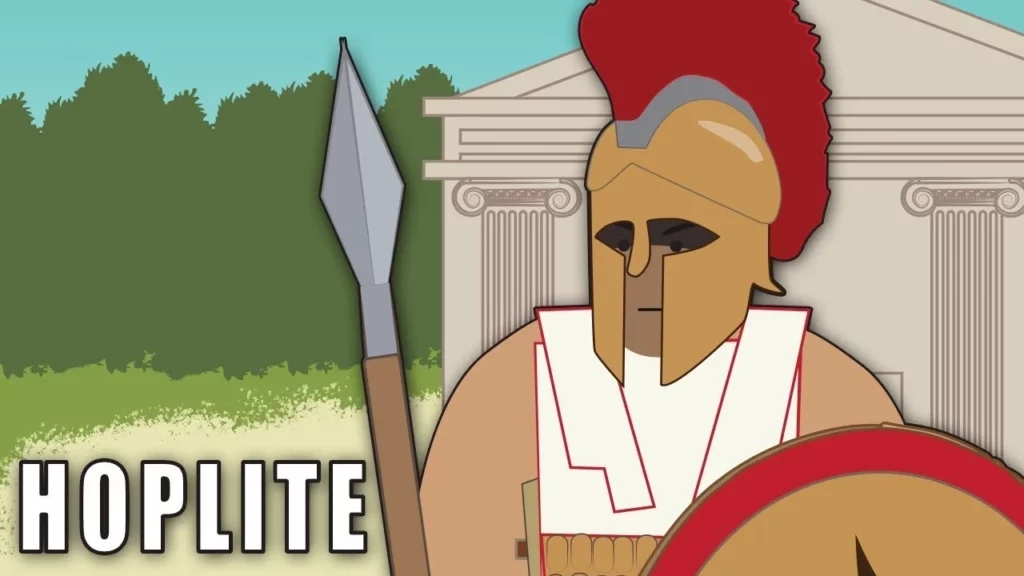
The lesson on hoplites highlights their role as citizen-soldiers in ancient Greece, primarily between the 7th and 4th centuries BCE. These ordinary citizens were trained to defend their city-states, utilizing a distinctive fighting formation called the phalanx, which emphasized unity and discipline. Equipped with personal armor and weapons, hoplites played a crucial role in battles, exemplified by their success at the Battle of Marathon against the Persians.
Weird acts that are illegal in North Korea
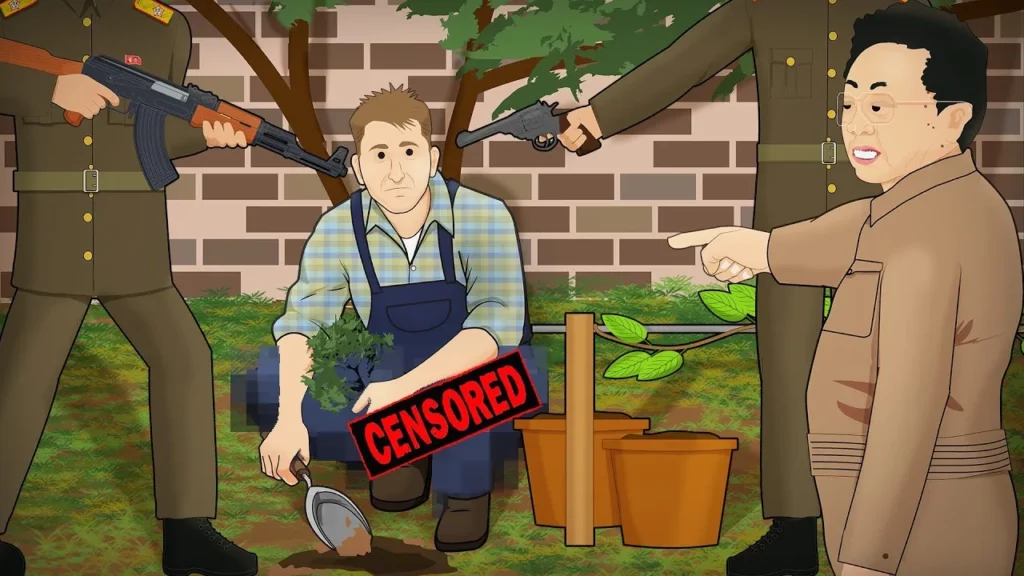
The lesson explores the peculiar and strict laws in North Korea that reflect the government’s efforts to maintain control and uniformity among its citizens. Key regulations include restrictions on hairstyles, limited internet access, prohibition of foreign media, mandatory participation in state events, and stringent travel restrictions. These laws not only reveal the complexities of life in North Korea but also illustrate the challenges faced by its citizens in navigating a society governed by rigid ideological and cultural norms.
Operation Rolling Thunder (1965 – 68)
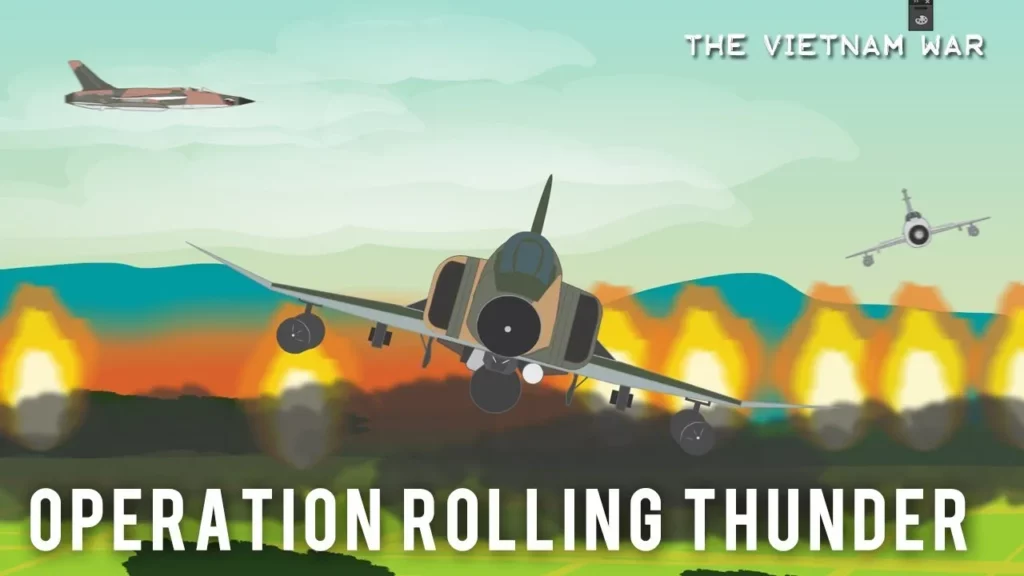
Operation Rolling Thunder was a significant aerial campaign during the Vietnam War from 1965 to 1968, aimed at pressuring North Vietnam to cease its support for the Vietcong while minimizing American casualties. Despite its extensive airstrikes and advanced aircraft, the operation struggled to achieve its military and political objectives due to restrictive civilian oversight and a focus on low-priority targets, ultimately leading to its failure and a reassessment of military strategy in the conflict. The campaign highlights the complexities of military operations and the profound influence of political decisions on warfare outcomes.