
The Siege of Leningrad (1941-44)
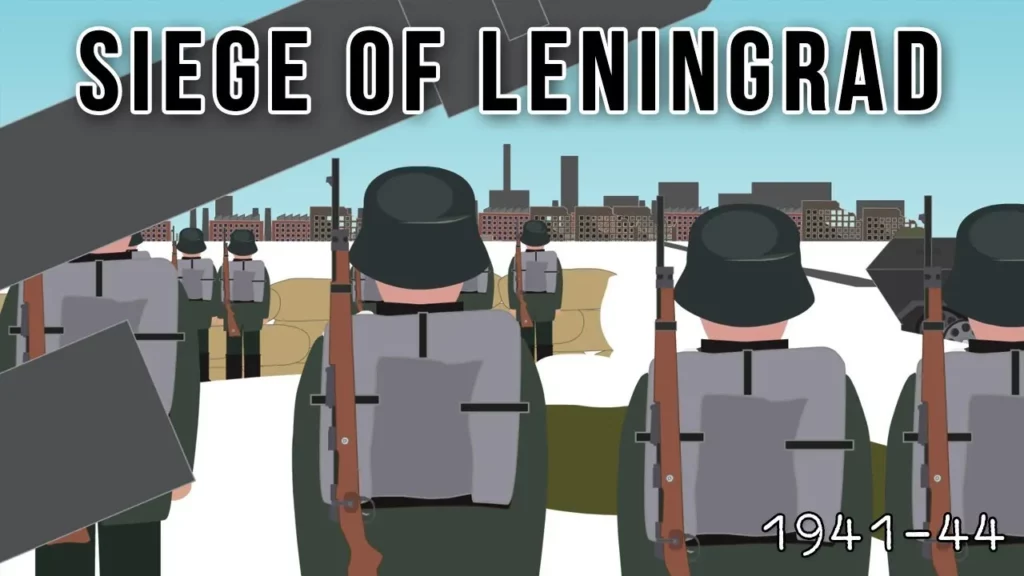
The Siege of Leningrad, lasting from September 8, 1941, to January 27, 1944, was a pivotal event in World War II, marked by the German army’s attempt to capture the strategically important city. Despite facing extreme hardships, including severe food shortages and brutal winter conditions, the residents and defenders of Leningrad demonstrated remarkable resilience, ultimately leading to the siege’s end and symbolizing the strength of the Soviet spirit. The siege resulted in over a million casualties, but it also became a testament to human endurance in the face of overwhelming adversity.
Berlin wall Border troops (Grenztruppen)
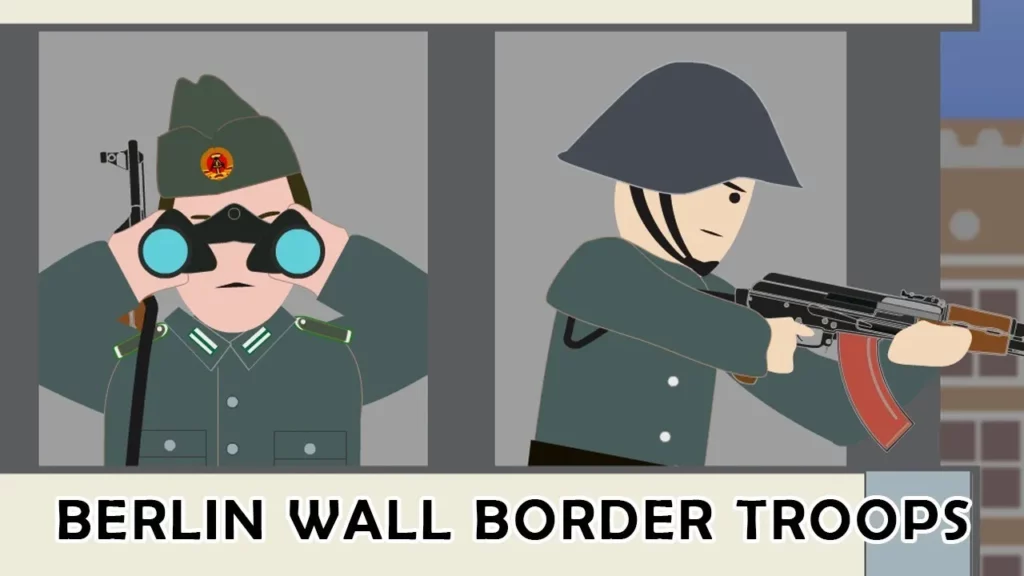
The lesson discusses the formation and role of the Grenztruppen, the border troops of East Germany, established after the construction of the Berlin Wall in 1961 to prevent illegal crossings into West Berlin. These troops underwent rigorous training and were politically vetted, with their primary responsibility being the enforcement of border security, including the use of lethal force if necessary. The Grenztruppen were ultimately disbanded following the peaceful fall of the Berlin Wall on November 9, 1989, marking a significant moment in the reunification of Germany.
Life Inside a WWII Type IXC Submarine (Cross Section)
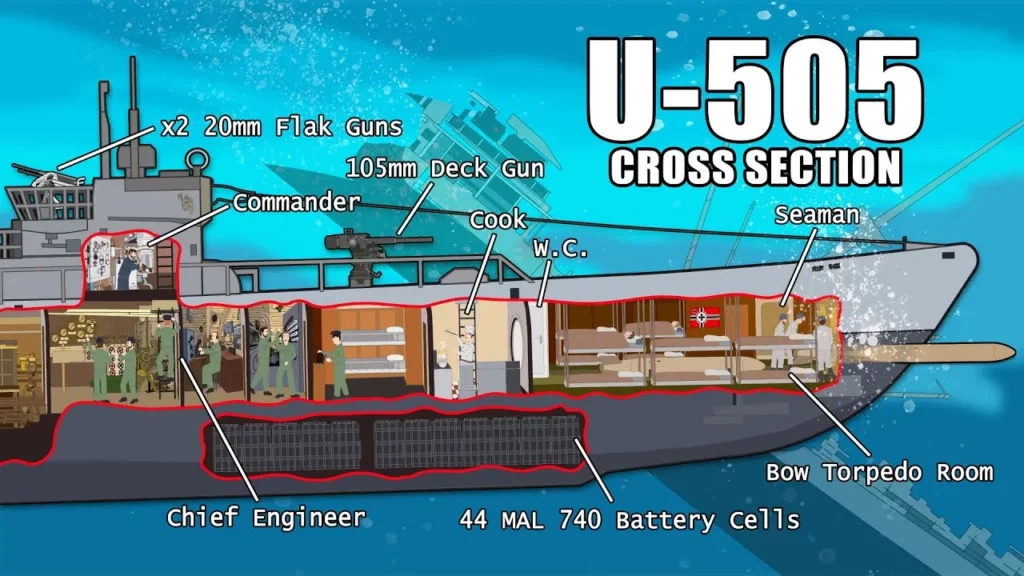
The lesson explores the German Type IXC U-Boat, a significant submarine used during World War II, known for its long-range capabilities and advanced engineering. It details the submarine’s dimensions, power, weapon systems, and the challenging living conditions for its crew, including tight quarters and limited hygiene facilities. The legacy of the Type IXC is highlighted through the capture of the U-505, which provided valuable insights into German technology and influenced future submarine designs.
M1 Garand Rifle
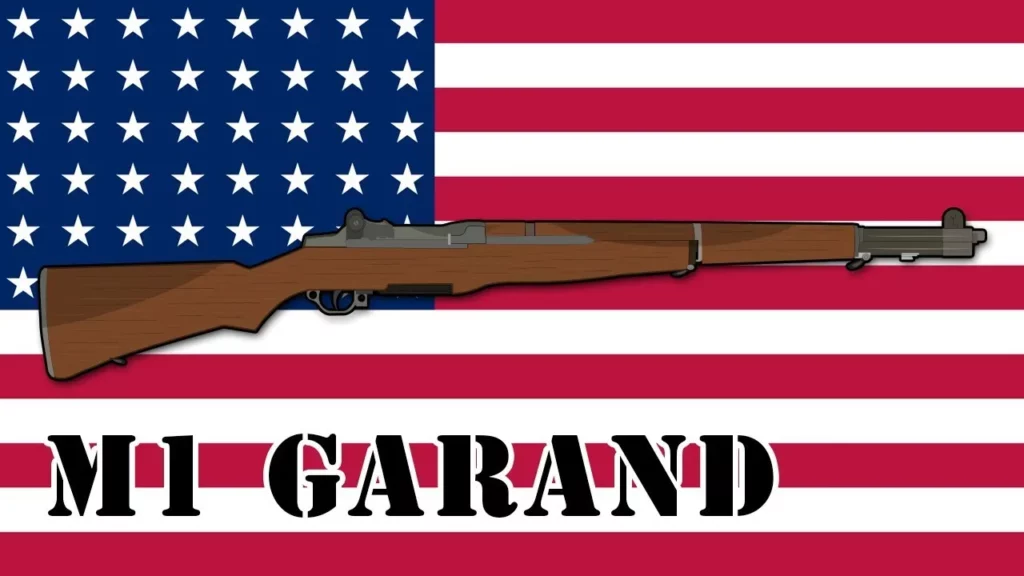
The M1 Garand is a groundbreaking semi-automatic rifle that significantly enhanced the firepower of U.S. soldiers during World War II, replacing the slower bolt-action Springfield M1903. Developed by John Garand in the 1930s, the rifle’s innovative gas-powered mechanism allowed for rapid reloading and firing, enabling soldiers to deliver up to 30 aimed shots per minute. Although it was eventually replaced by the M14, the M1 Garand remains an iconic symbol of American military history and is still honored in military ceremonies today.
The Military Went Too Far With These Disturbing Experiments
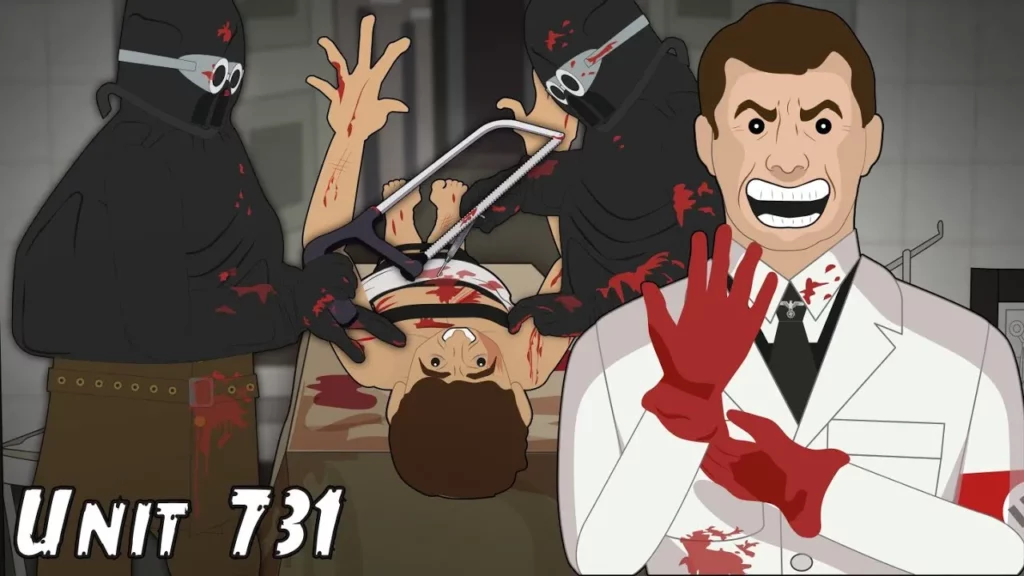
The lesson discusses the ethical implications of controversial military experiments, such as the Edgewood Arsenal tests and Project MK-Ultra, which prioritized scientific advancement over human rights and welfare. It emphasizes the importance of ethical oversight in research, highlighting the need for informed consent and accountability to prevent past mistakes from recurring. Ultimately, the lesson advocates for a balance between innovation and ethical responsibility to protect individuals involved in scientific endeavors.
The Great Leap Forward (1958-62)
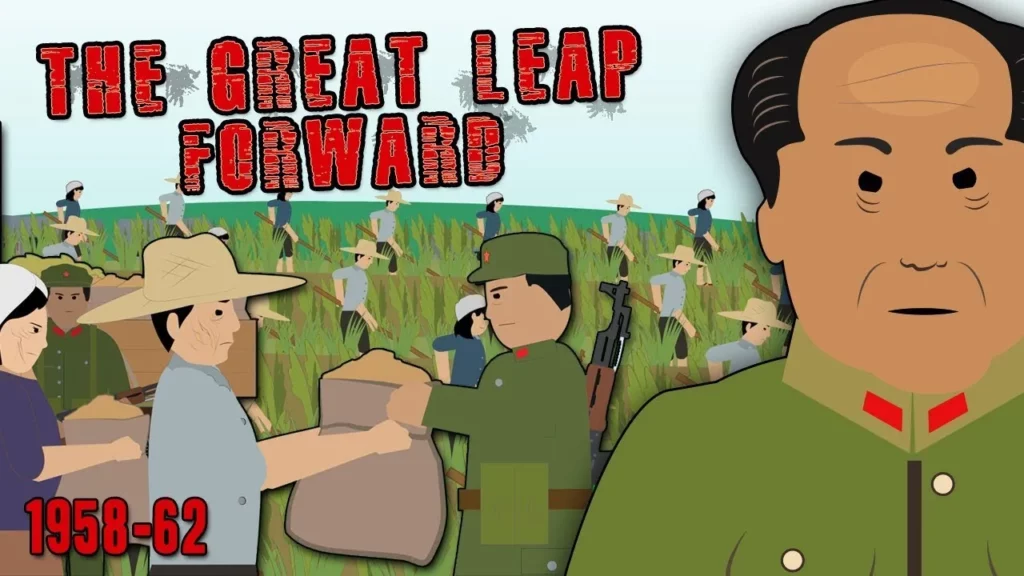
The Great Leap Forward (1958-62) was an ambitious campaign initiated by Mao Zedong to rapidly transform China’s economy through collectivization and industrialization, aiming to boost agricultural and industrial output. However, the plan led to disastrous consequences, including widespread famine and the deaths of an estimated 18 to 45 million people due to poor agricultural practices, labor shortages, and natural disasters. Despite the catastrophic results, Mao maintained his leadership, but the failures of the Great Leap Forward prompted significant policy changes and a shift in governance by 1962.
Weird Weapons and Equipment of WWI
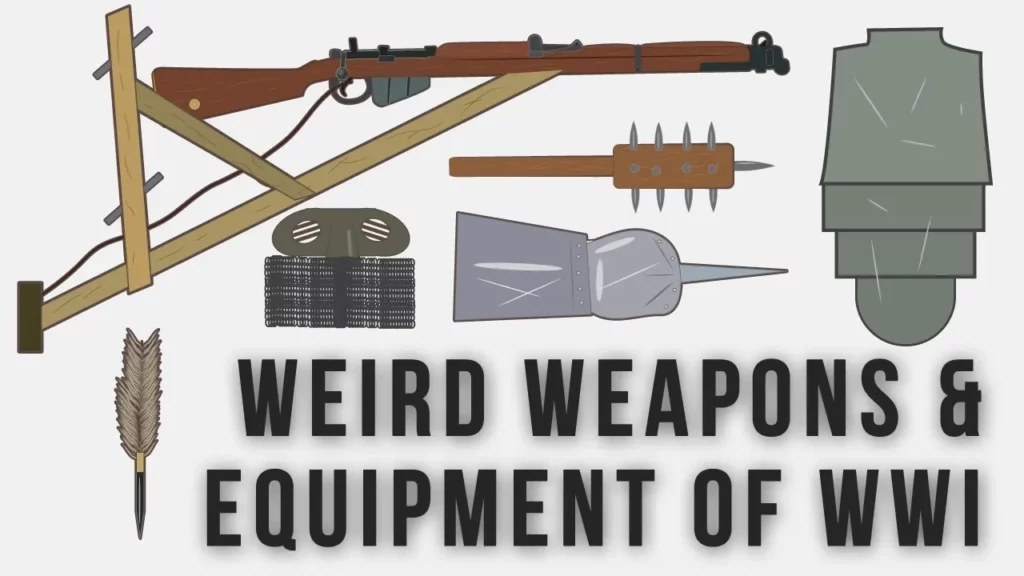
The lesson explores the unique and innovative weapons and equipment developed during World War I, highlighting how the brutal nature of trench warfare led to creative solutions for combat. Key examples include the gauntlet dagger for close combat, trench raiding clubs for silent attacks, and the periscope rifle that allowed soldiers to shoot without exposing themselves. Additionally, the lesson discusses advancements in protective gear and the use of deceptive tactics, such as fake trees for observation, showcasing the era’s technological ingenuity in warfare.
“The Incredibly Stupid One” (Stories from The Vietnam War)
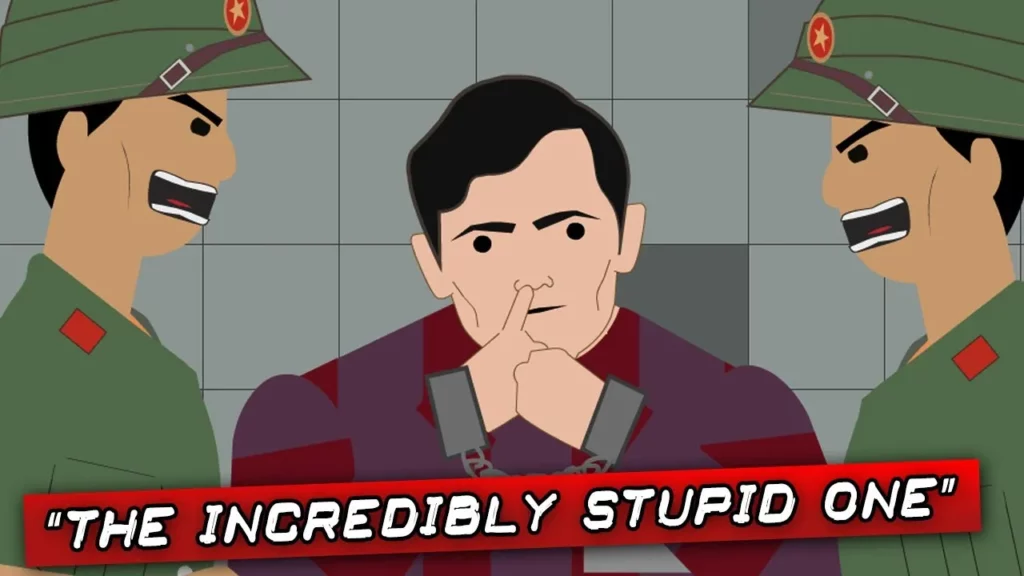
The lesson recounts the remarkable story of Douglas Brent Hegdahl, a young Navy recruit during the Vietnam War who, after being accidentally knocked overboard, was captured by North Vietnamese fishermen and taken to the notorious Hoa Lo prison. To survive, Doug cleverly pretended to be an uneducated farmer’s son, which allowed him to navigate the prison environment and gather vital information about fellow American POWs. His resilience and resourcefulness not only helped him endure captivity but also made a significant impact upon his return, as he shared crucial intelligence that contributed to the understanding of POW experiences.
Death cards (The Vietnam War)
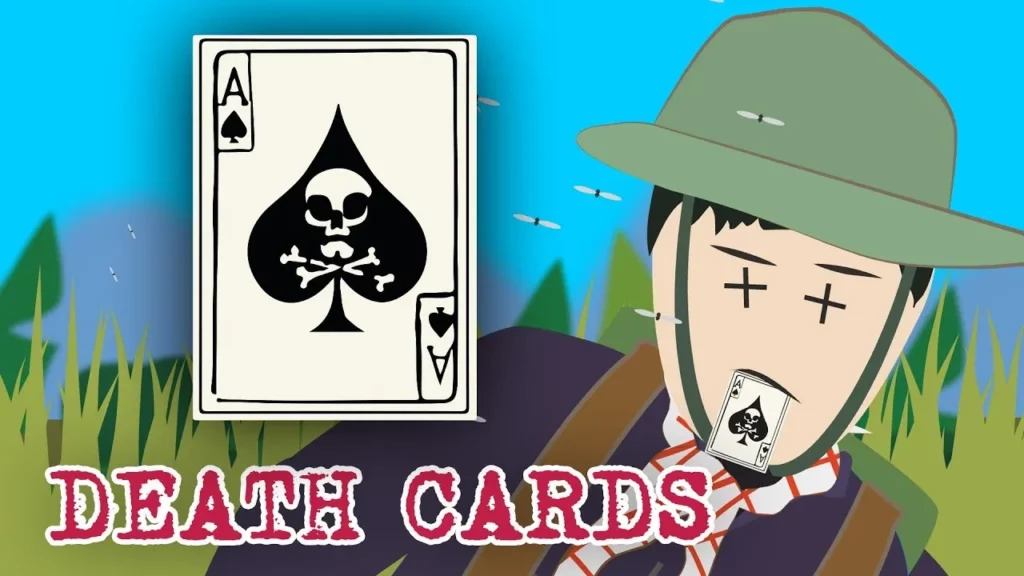
The lesson discusses the use of “Death Cards,” particularly the Ace of Spades, by U.S. soldiers during the Vietnam War as a psychological warfare tactic aimed at instilling fear in the enemy. Originally a symbol of good luck, the Ace of Spades evolved into a representation of death and bad luck, leading to its widespread use among American troops who believed it could demoralize the North Vietnamese Army and Viet Cong. The practice not only served as a psychological tool but also boosted the morale of U.S. soldiers, who associated the card with their victories in battle.
What Really caused ‘Gulf War Syndrome’?
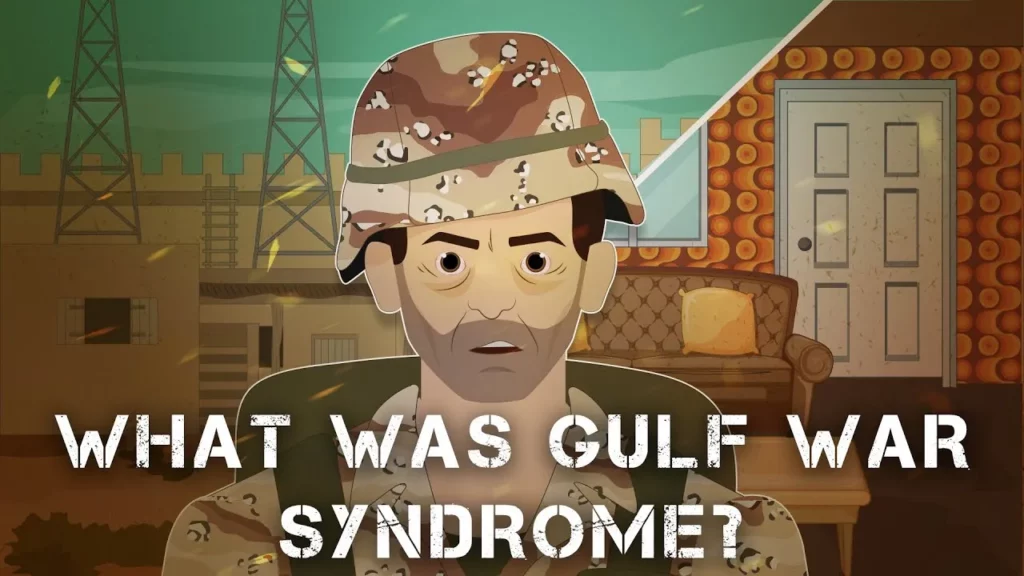
The lesson explores Gulf War Syndrome, a complex illness affecting approximately 250,000 veterans from the 1991 Persian Gulf War, characterized by a range of cognitive and physical symptoms. Initially debated as either psychological or biological in origin, recent research points to chemical exposures during the war, particularly low-level sarin poisoning, as a significant cause, especially in genetically predisposed individuals. Ongoing studies aim to confirm these findings and develop new treatments to aid affected veterans.