
The Man Who Survived TWO Tactical Nukes (Strange Stories of World War II)
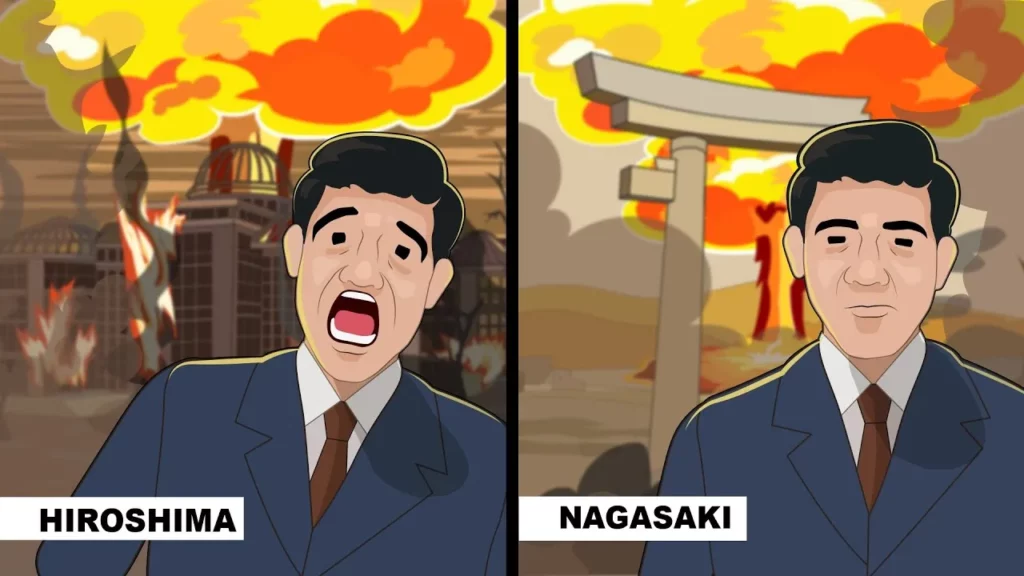
Sadomo Yamaguchi’s remarkable story illustrates the resilience of the human spirit as he became the only person officially recognized to have survived both atomic bombings during World War II. Caught in Hiroshima on August 6, 1945, and then again in Nagasaki on August 9, he endured severe injuries and the devastating aftermath of nuclear warfare. Yamaguchi later became an advocate for peace, sharing his experiences to educate others about the horrors of atomic bombs and the importance of striving for a world without nuclear weapons.
Fishing Boat VS N.Korean Submarine (South Korea 1998)
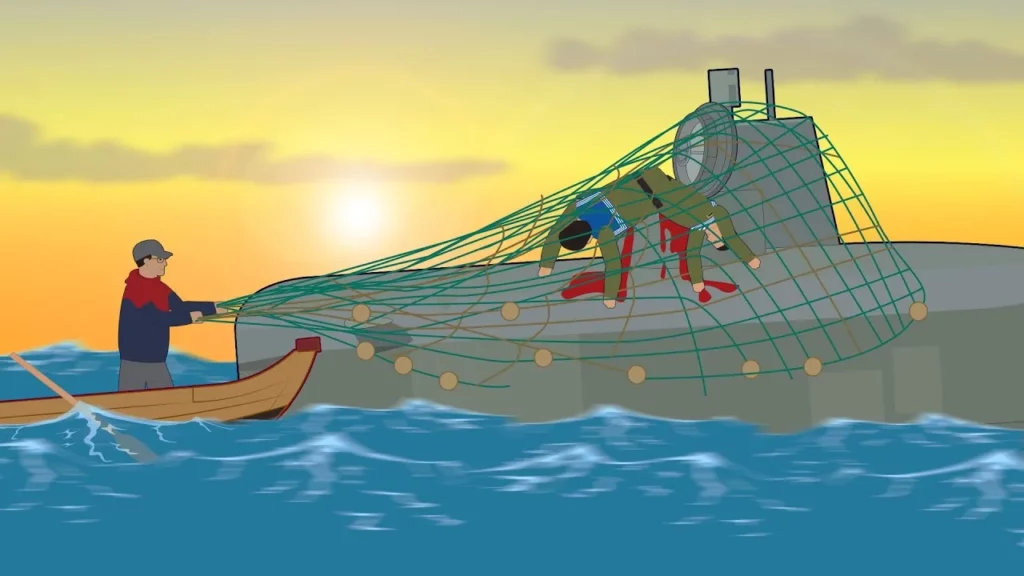
In the summer of 1998, a South Korean fishing trawler inadvertently caught a North Korean submarine in its nets, leading to a dramatic incident where the submarine’s crew attempted to escape but ultimately sank under mysterious circumstances. The South Korean navy later recovered the submarine, discovering the bodies of nine crew members, including special forces operatives who had committed suicide to avoid capture. This event highlighted ongoing tensions between North and South Korea, which have continued to escalate with subsequent maritime incidents and advancements in naval capabilities on both sides.
Hitler’s Evil Lair in the German Mountains (The Eagle’s Nest)

The Eagle’s Nest, or Kehlsteinhaus, was built as a gift for Adolf Hitler’s 50th birthday and served primarily as a meeting place for Nazi officials rather than a residence. Located in Bavaria, it became a significant site during the Nazi regime, despite Hitler’s limited visits due to his fear of heights. Today, the Eagle’s Nest is a popular tourist destination, offering breathtaking views and a glimpse into its historical significance.
The Great Emu War, 1932 (Weird Wars)
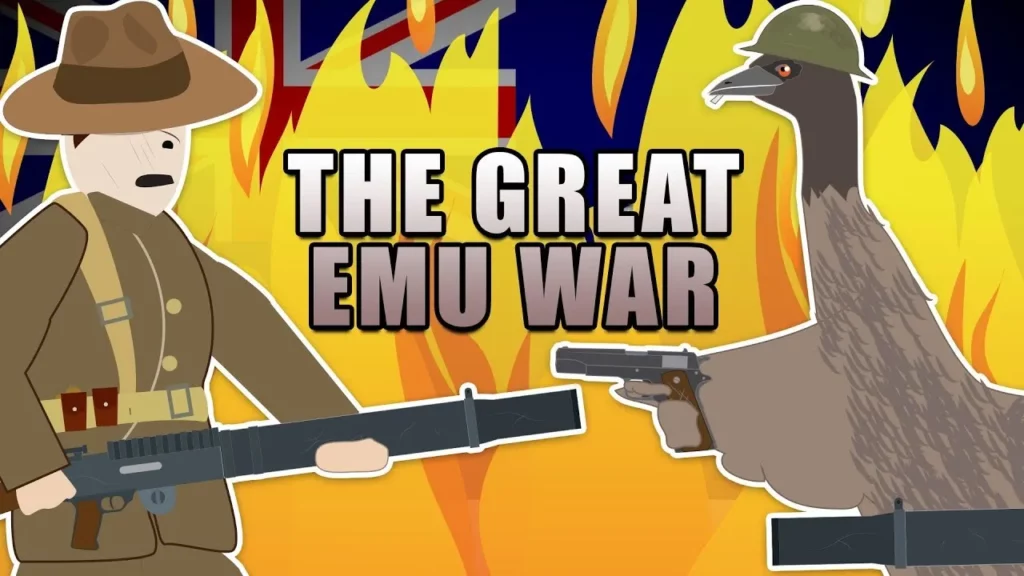
The Great Emu War of 1932 was an unusual conflict in Australia where farmers, primarily ex-soldiers, sought military assistance to combat a large population of emus that were damaging their crops. Despite the deployment of soldiers and machine guns, the efforts to control the emu population were largely unsuccessful, leading to the conclusion that the emus had outsmarted their human adversaries. Ultimately, the government shifted to a bounty system in 1934 for more effective emu population control, while today, emus are protected under conservation laws.
Foxholes (Military Tactic)
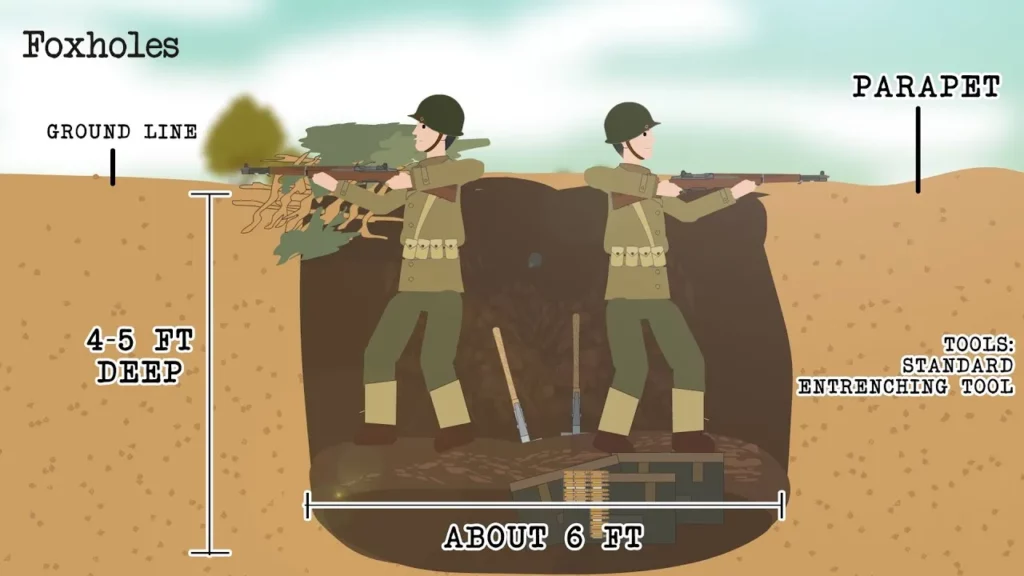
The lesson explores the evolution of military tactics from World War I to the present, focusing on the development and significance of foxholes in warfare. Initially, soldiers relied on trenches for protection, but as warfare became more mobile with advancements in technology, the need for more effective cover led to the creation of foxholes—simple pits that offer crucial defense against enemy fire. The lesson also highlights innovations in foxhole design by various military forces and emphasizes their continued relevance in modern combat training.
Omaha Beach, D-Day (June 6, 1944)
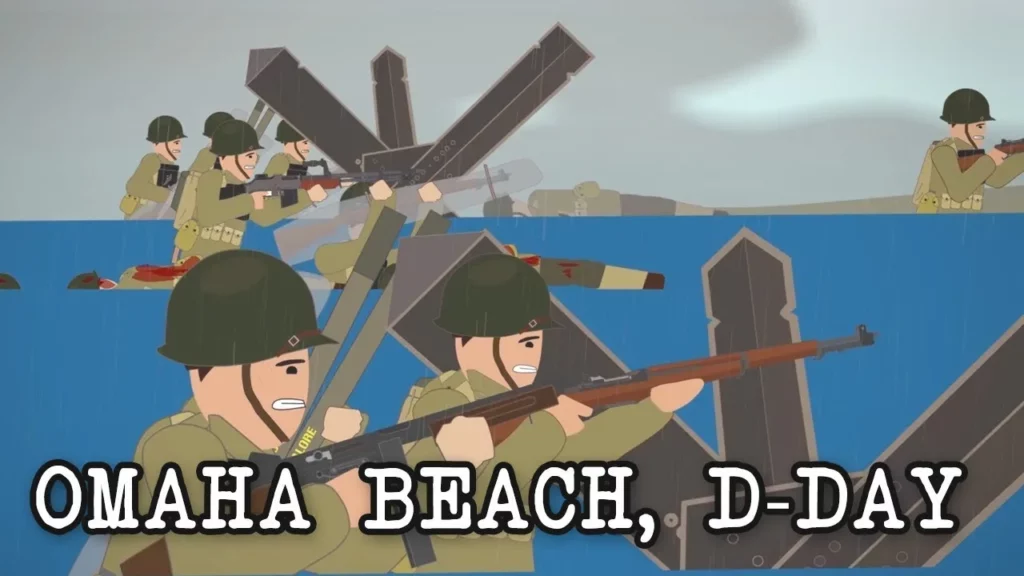
On June 6, 1944, during D-Day, Allied forces launched Operation Neptune, the largest amphibious landing in history, targeting the beaches of Normandy, particularly Omaha Beach, which became known as “Bloody Omaha” due to the heavy casualties faced by U.S. troops. Despite facing formidable German defenses and challenging conditions, including poor weather and miscalculations in landing zones, American soldiers managed to secure key breaches by noon, ultimately achieving a hard-fought victory at a significant cost of 2,000 to 5,000 casualties. The successful establishment of a beachhead at Omaha was crucial in opening a second front against Nazi Germany in Europe.
The Queen’s Guard
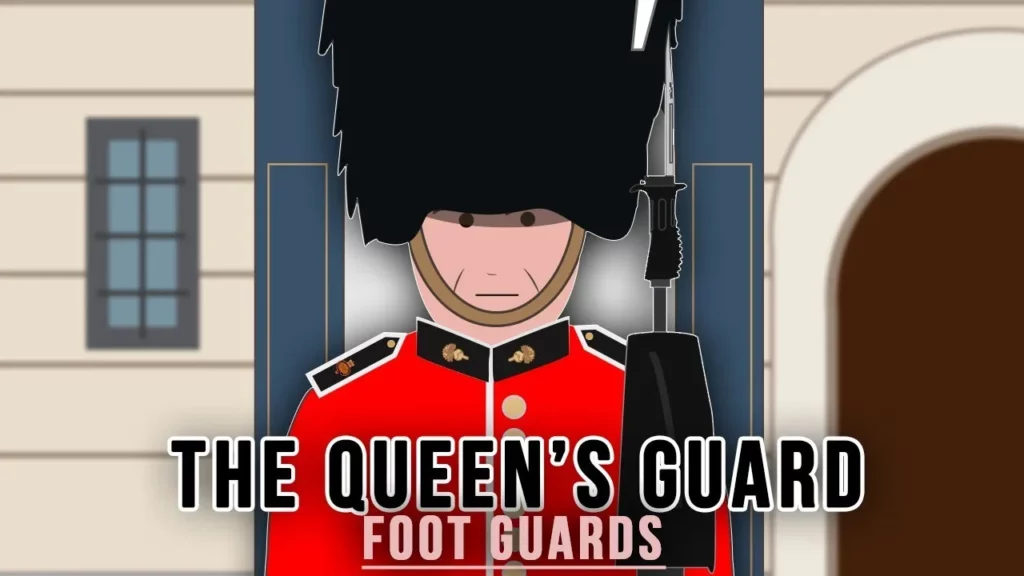
The Queen’s Guard, also known as the King’s Guard when the monarch is a king, is a ceremonial group of highly trained soldiers responsible for protecting the British monarchy’s residences, including Buckingham Palace and Windsor Castle. Established in 1660, the guard comprises five regiments, each with distinctive uniforms and traditions, and is renowned for the Changing of the Guard ceremony. Despite their ceremonial role, these guards are skilled soldiers who have participated in various military operations throughout history.
Who was the Red Baron?
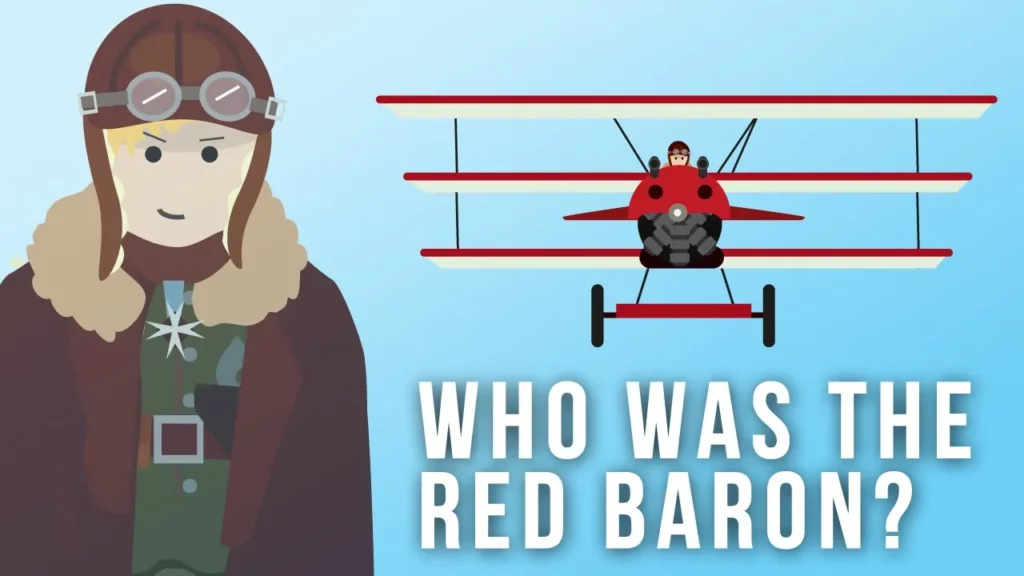
The lesson introduces Manfred von Richthofen, famously known as the Red Baron, a renowned World War I fighter pilot who achieved fame for his exceptional flying skills and his distinctive red Fokker triplane. As the leader of the Flying Circus, he employed clever tactics that led to 80 confirmed aerial victories, making him a symbol of German morale during the war. His career tragically ended in 1918 when he was shot down, but his legacy as one of history’s greatest fighter pilots endures.
The Oregon Trail (The Wild West)
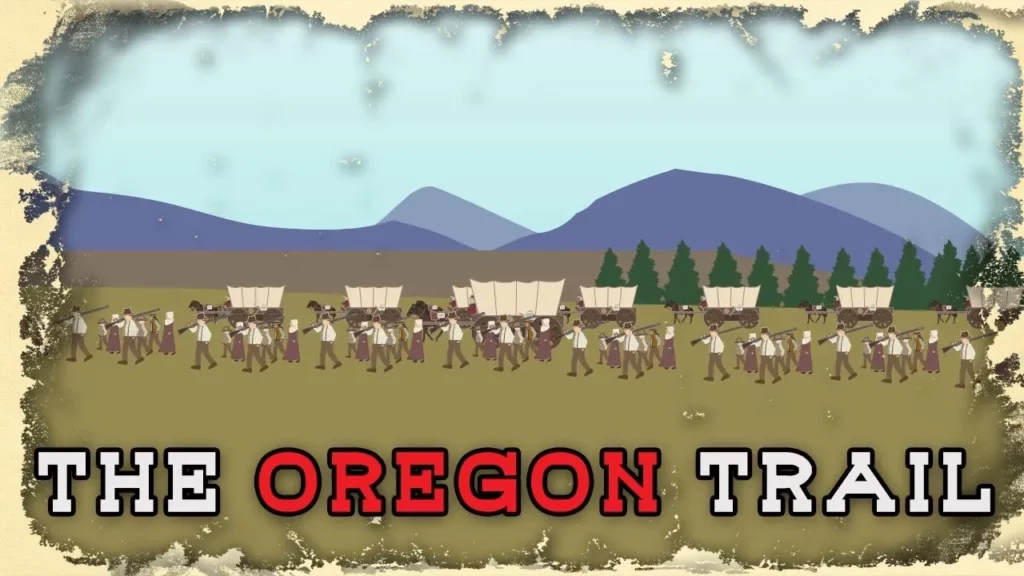
The Oregon Trail was a pivotal route for pioneers seeking new opportunities in the West, stretching over two thousand miles from Missouri to Oregon City. Initiated by explorers like Lewis and Clark in the early 1800s, the trail became a pathway for settlers, missionaries, and fur traders in the following decades, despite numerous challenges such as harsh weather, difficult terrain, and conflicts with Native Americans. Ultimately, the trail facilitated significant westward expansion in the United States, influencing the nation’s development until the advent of the transcontinental railroad in 1869.
A Land Fit for Heroes? The Treatment of WWI Veterans in Great Britain
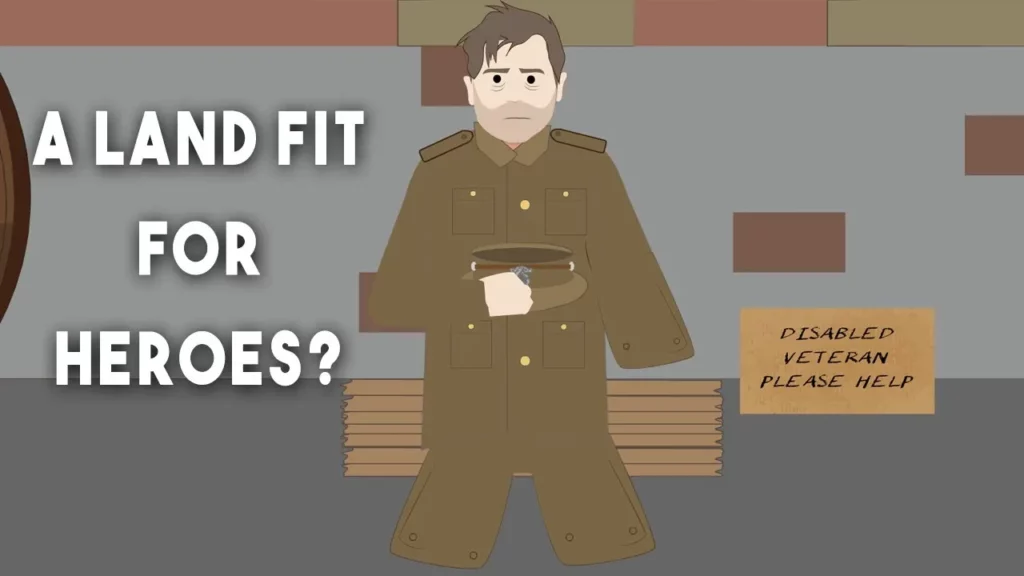
The lesson “A Land Fit for Heroes: The Treatment of World War One Veterans in Great Britain” explores the stark contrast between the initial romanticized view of war and the harsh realities faced by returning veterans. After enduring the brutalities of combat, many veterans struggled to reintegrate into civilian life, facing unemployment and inadequate government support, which led to the formation of organizations like the British Legion to assist them. The lesson emphasizes the importance of recognizing and honoring the sacrifices made by these veterans, particularly as society reflects on their contributions during Remembrance Day.