
B-17 Ball Turret Gunner (Dangerous Jobs in History)

The lesson explores the perilous role of the ball turret gunner aboard the B-17 Flying Fortress during World War II, emphasizing the significant dangers faced by these crew members. Despite the aircraft’s formidable defenses, the cramped and exposed position of the ball turret left gunners vulnerable to enemy fire and high casualty rates, underscoring their bravery and sacrifice in the war effort. The lesson also references the poignant poem “The Death of the Ball Turret Gunner” by Randall Jarrell, which encapsulates the grim reality of their experience.
What did Henry VIII eat? Tudor Feast
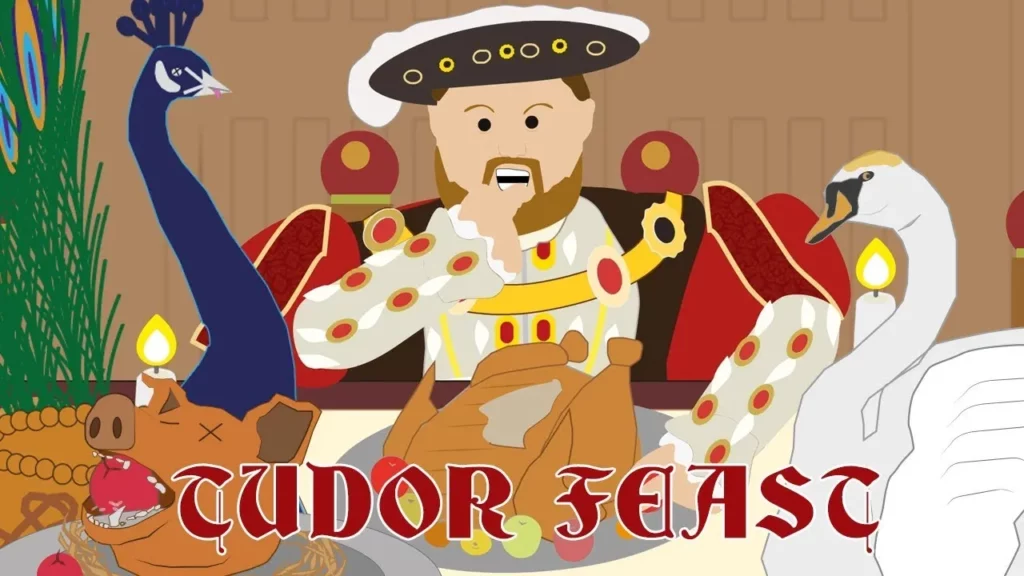
The lesson explores the extravagant dining habits of King Henry VIII and the Tudor nobility, highlighting how meals were a display of wealth and power. Rich Tudor families spent significant portions of their income on a variety of meats and luxurious ingredients, while the court’s feasts featured elaborate dishes and extravagant presentations. Despite myths about their diets, wealthy Tudors did consume fruits and vegetables, although they were often viewed with suspicion, and their lavish meals contributed to health issues for figures like Henry VIII later in life.
The Burke and Hare Murders
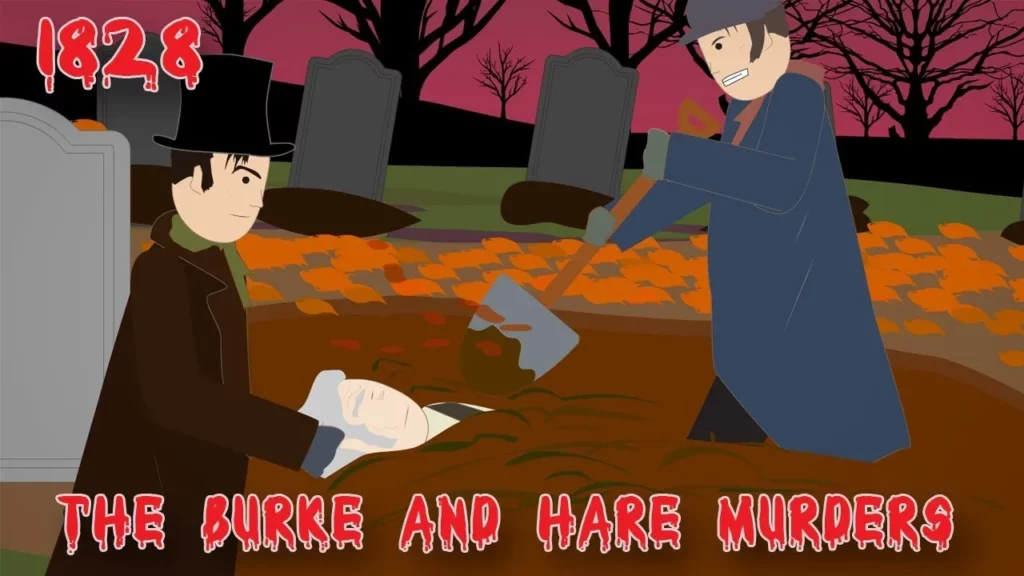
The lesson on the Burke and Hare murders explores the dark side of medical progress in 19th century Edinburgh, where a shortage of bodies for anatomical study led to a gruesome partnership between William Burke and William Hare. They resorted to murder to supply bodies for medical research, ultimately killing 16 individuals before their capture, which sparked public outrage and led to significant legal reforms in the handling of unclaimed bodies. This chilling tale underscores the ethical dilemmas in medical research and the consequences of desperation and greed.
Switzerland Isn’t As Neutral As You’d Think
Switzerland is often perceived as a neutral country focused on peace, a reputation solidified since its neutrality was recognized in 1815. However, beneath this image lies a robust defense system and a strategic role in international relations, allowing Switzerland to host diplomatic negotiations while being prepared to defend itself if necessary. Thus, Switzerland’s neutrality is not just about avoiding conflict; it is a complex policy that enables the nation to contribute to global peace while ensuring its own security.
The Frontiersman who came back from the dead for Revenge

The lesson recounts the remarkable survival story of Hugh Glass, a frontiersman who, after being severely injured in a bear attack and abandoned by his companions, crawled over 200 miles to reach safety. Despite facing immense challenges, including a lack of supplies and severe injuries, Glass’s determination led him to recover and seek justice against those who left him for dead. His journey not only highlights the spirit of resilience and adventure in the early 19th century but also solidified his legacy as a legendary figure in American frontier history.
The Plague that made People Dance until they Dropped Dead
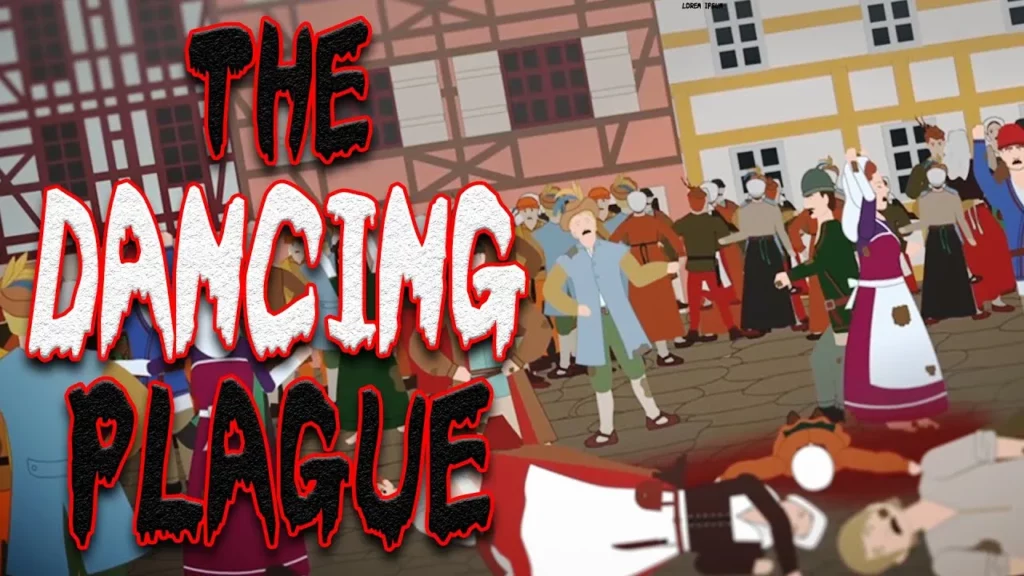
Choreomania, or “dancing mania,” was a peculiar phenomenon that occurred in medieval Europe, where large groups of people danced uncontrollably, often until they collapsed from exhaustion. Historical outbreaks, notably in 1374 and 1518, saw hundreds of individuals caught in this compulsive behavior, leading to severe physical and mental distress. Modern interpretations suggest that these episodes may have been manifestations of mass psychogenic illness, driven by the extreme stress and anxiety of life during that tumultuous period.
Medieval Taverns
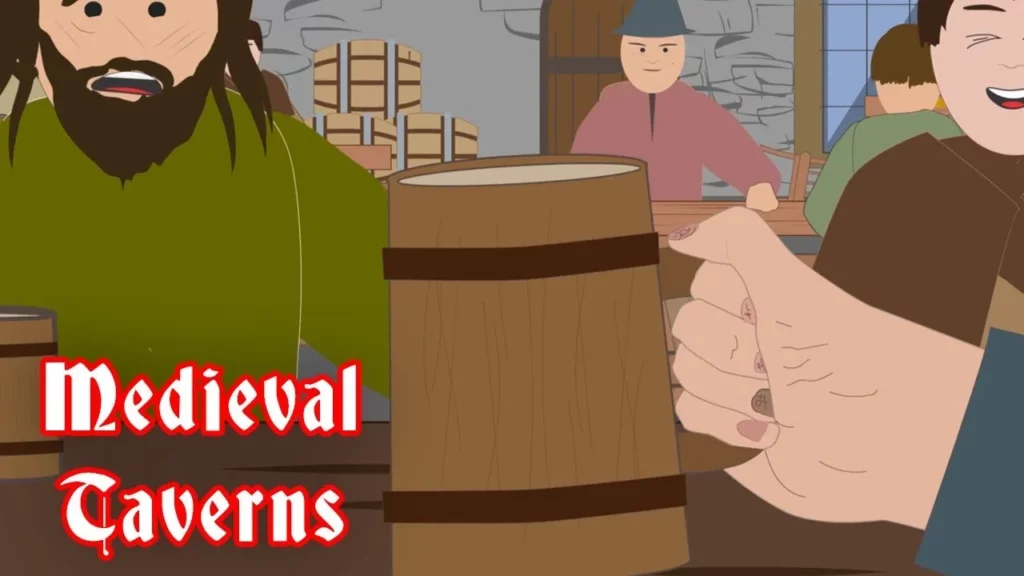
Medieval taverns served as vibrant social hubs where people gathered to relax, converse, and enjoy food and drink, similar to modern pubs. They varied in size and function, with ale houses being smaller and more common in villages, while inns catered to travelers with food and stabling for horses. The atmosphere was lively and often noisy, with alcohol playing a central role in the experience, and women frequently held the role of brewers, reflecting the importance of these establishments in everyday medieval life.
Drip Rifle (Weird Weapons)

The lesson discusses the innovative “drip rifle” created by ANZAC forces during World War I to facilitate a stealthy evacuation at Gallipoli in December 1915. Designed by Lance Corporal William Scurry and his friend Bunty Lawrence, this device used a simple mechanism of dripping water to simulate gunfire, tricking Ottoman forces into believing the area was still occupied while the Allied soldiers quietly withdrew. The successful implementation of this clever tactic earned Scurry the Distinguished Conduct Medal for his ingenuity.
The Invasion of Poland (1939)
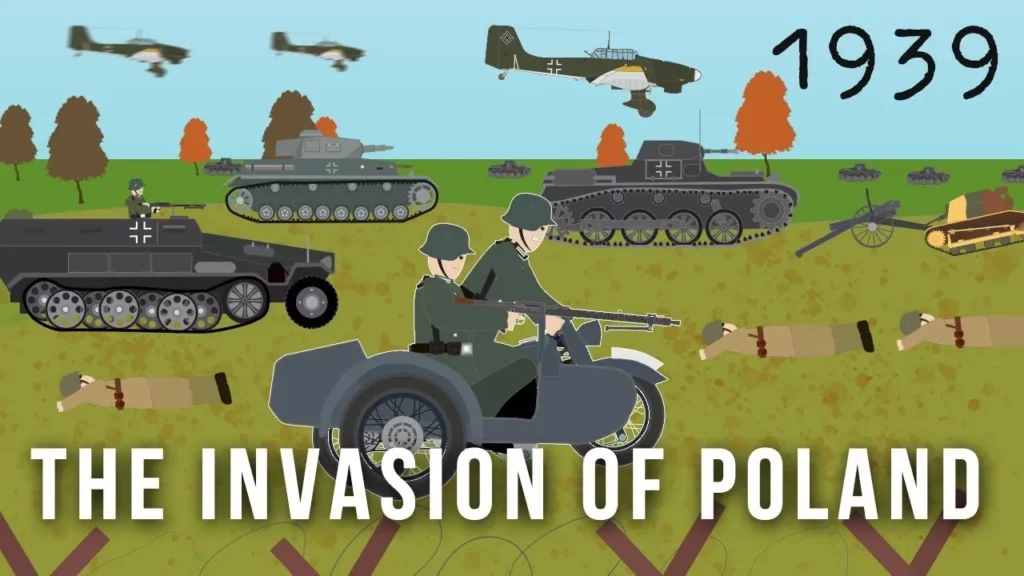
The invasion of Poland by Germany on September 1, 1939, marked the onset of World War II, prompting the United Kingdom and France to declare war on Germany shortly thereafter. Despite Poland’s efforts to mobilize its defenses, it faced significant challenges, including a lack of preparedness and a coordinated invasion from both Germany and the Soviet Union. Ultimately, Poland was overwhelmed by the swift and brutal tactics of the German military, leading to its defeat and the division of its territory between Germany and the Soviet Union.
Leonardo da Vinci’s Flying Machines
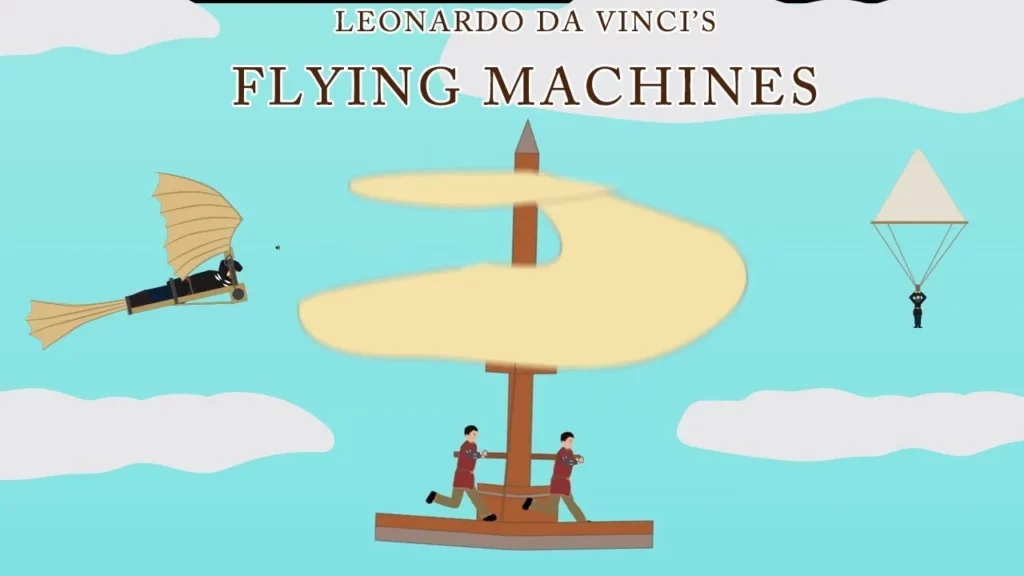
The lesson on Leonardo da Vinci’s flying machines highlights his visionary ideas and innovative designs, such as the ornithopter, helical airscrew, and parachute, which showcased his deep understanding of nature and flight. Despite the technological limitations of the 15th century that prevented these inventions from becoming a reality, da Vinci’s work continues to inspire modern creativity and innovation in aviation. His designs exemplify the importance of imagination and the pursuit of knowledge in overcoming challenges.