
How clean were Medieval people?
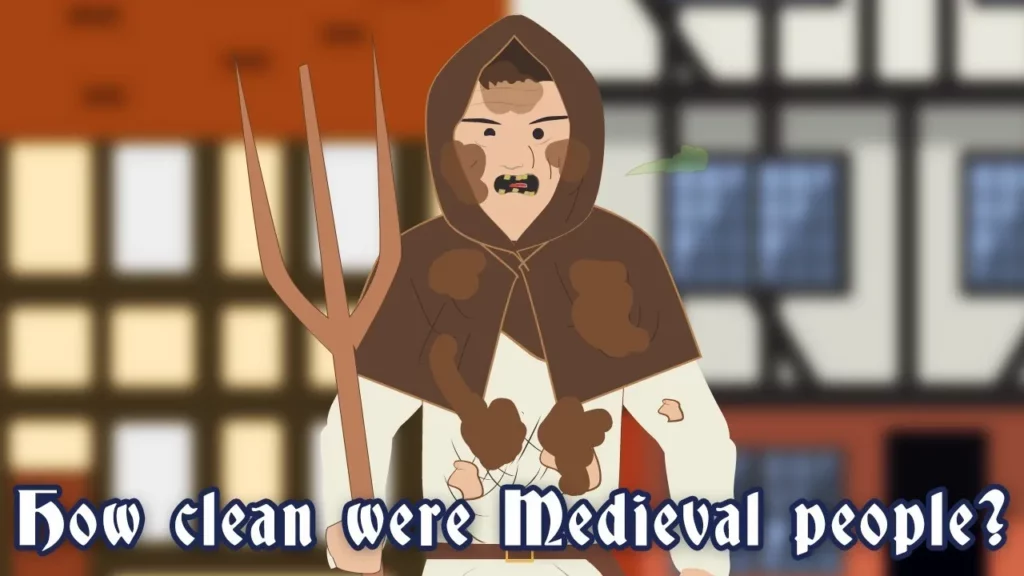
The lesson explores the hygiene practices of medieval people, revealing that cleanliness varied significantly based on social status. While nobles maintained strict cleanliness standards to uphold their reputation, even common folk engaged in daily washing and basic dental care, despite limited access to private bathing facilities. Overall, medieval hygiene was more advanced than commonly perceived, though it still lacked the conveniences and products we enjoy today.
Rasputin, the man who wouldn’t die (Strange Stories)

The lesson explores the life of Grigory Rasputin, a Siberian peasant who rose to prominence as a mystic and confidant of the Russian royal family, particularly Tsarina Alexandra, due to his alleged healing abilities. Despite his controversial influence, Rasputin faced multiple assassination attempts, culminating in his dramatic murder by a group of nobles in December 1916, which ultimately coincided with the decline of the Russian Empire and the onset of the Russian Revolution. His story highlights the profound impact one individual can have on historical events and societal dynamics.
How To Build A Fallout Shelter
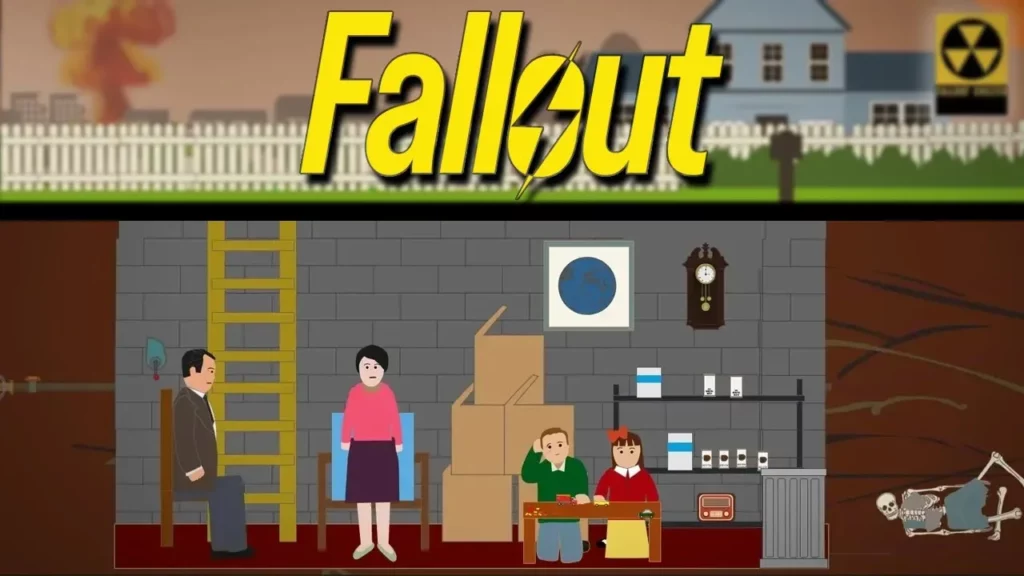
The lesson outlines the importance of building a fallout shelter during the Cold War, particularly in response to the threat of nuclear conflict. It discusses the various types of shelters, construction methods, and essential features such as ventilation and communication systems, while also addressing the challenges of climate control and waste management. Despite government encouragement and resources, a significant portion of the population did not build shelters, primarily due to cost concerns.
Why were soldiers wearing American Revolutionary Uniforms in the American Civil War?
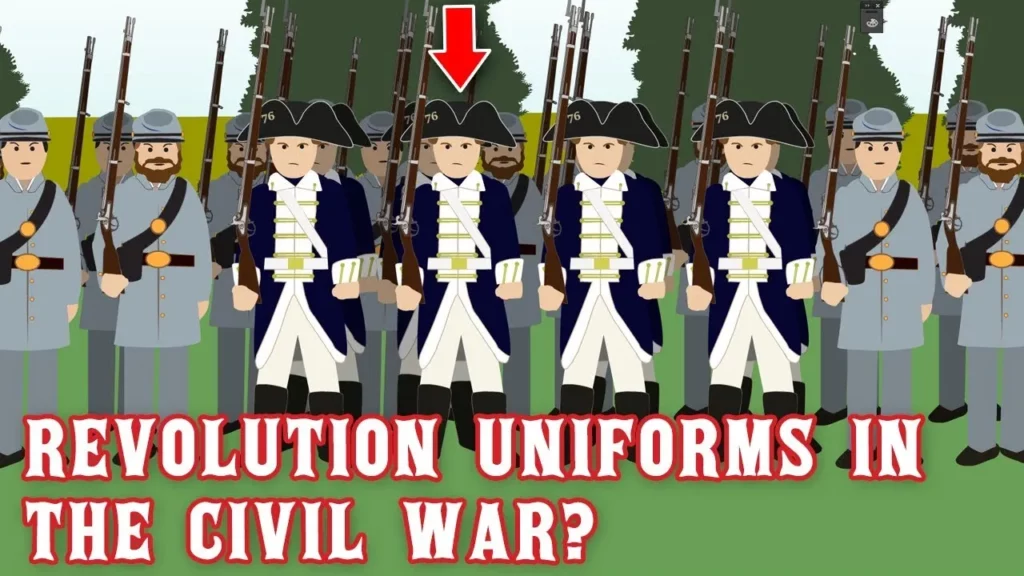
The lesson explores the intriguing reasons behind some soldiers in the American Civil War wearing uniforms reminiscent of the American Revolutionary War. It highlights the varied uniform styles of both the Confederate and Union armies, including the Continental Morgan Guard, which celebrated its Revolutionary heritage with distinctive attire. The lesson emphasizes how these historical influences shaped military identity and aesthetics during the Civil War, while also noting the eventual transition to more standardized uniforms due to the realities of battle.
The Irish Potato Famine (1845–1852)
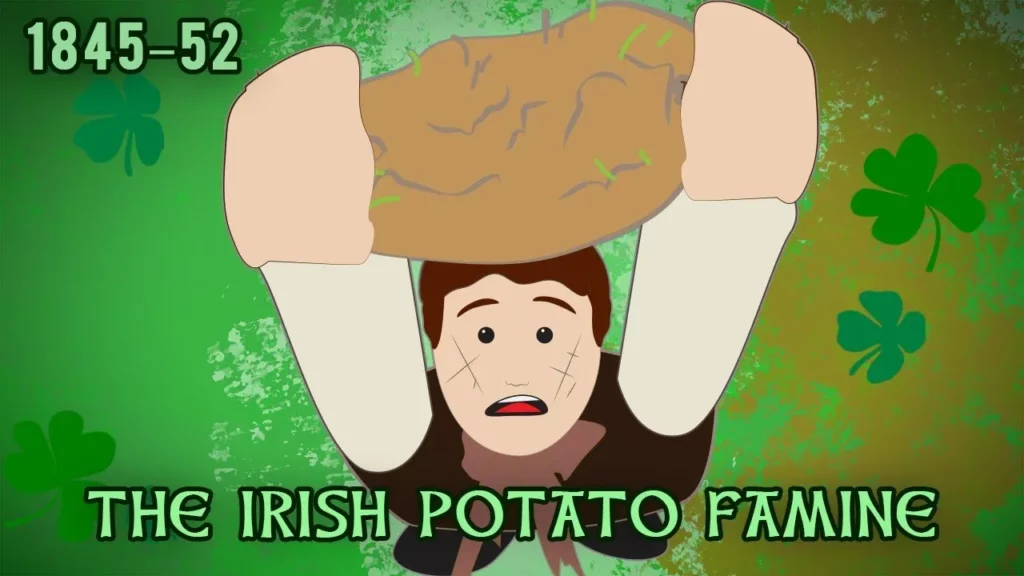
The Irish Potato Famine (1845–1852) was a catastrophic event triggered by potato blight, which devastated the primary food source for the majority of the Irish population, leading to widespread starvation and suffering. The British government’s inadequate response, characterized by a lack of substantial aid and continued food exports, exacerbated the crisis, resulting in the deaths of approximately one million people and the emigration of another million. This tragic period significantly impacted Irish society, leading to long-term demographic changes and a lasting legacy of hardship.
The President who avoided being eaten by cannibals in WWII
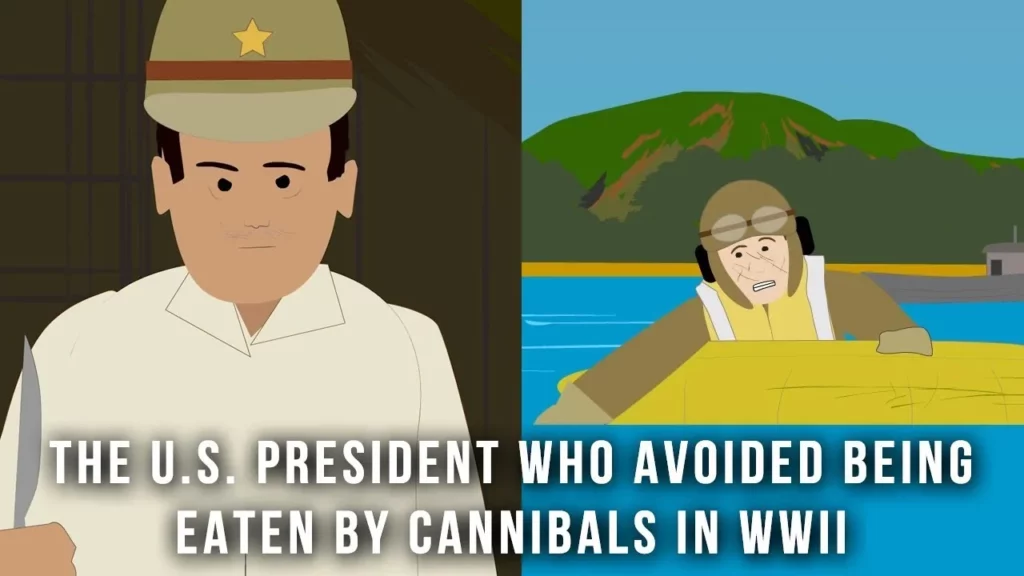
The lesson recounts the remarkable wartime experiences of George H.W. Bush, the last U.S. president to have served in combat during World War II. As a young pilot in the U.S. Navy, he participated in significant battles, including a harrowing mission over Chichi Jima, where he displayed exceptional bravery and resilience, ultimately earning the Distinguished Flying Cross. His experiences not only shaped his character but also left a lasting impact on his leadership during his presidency, highlighting the sacrifices made by those who served in the war.
Viking Raid on Lindisfarne (AD793)
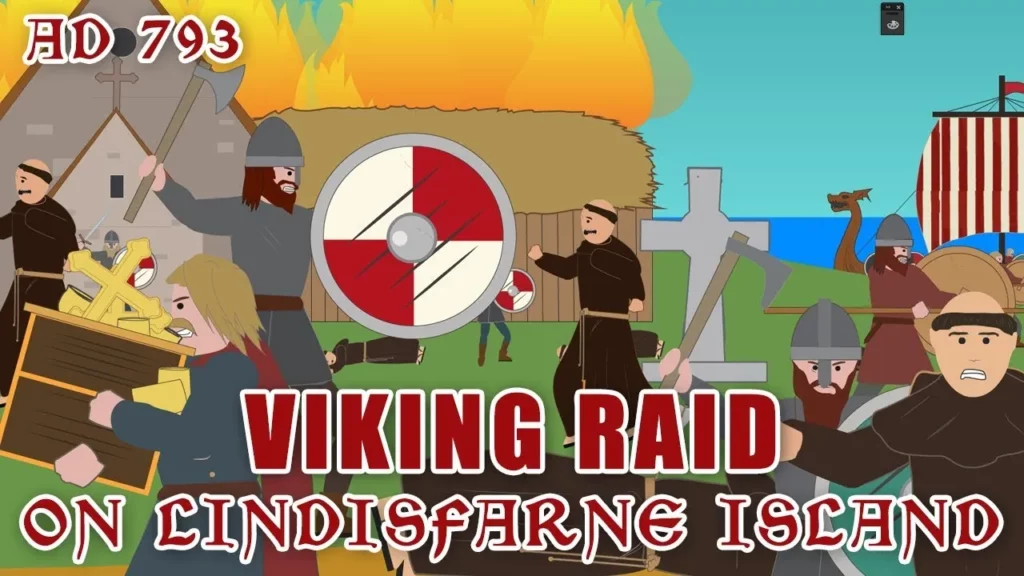
The lesson on the Viking raid on Lindisfarne in A.D. 793 highlights the devastating impact of this surprise attack on the Holy Island, which was a significant Christian site in Northumbria. The raid marked the beginning of the Viking Age, showcasing the Vikings’ military prowess and their ability to instill fear across England and Europe. Despite the destruction and loss of life, the legacy of Lindisfarne endures, particularly through the Lindisfarne Gospels, a testament to the cultural and religious significance of the monastery before its downfall.
Who were the Richest Tycoons in America?
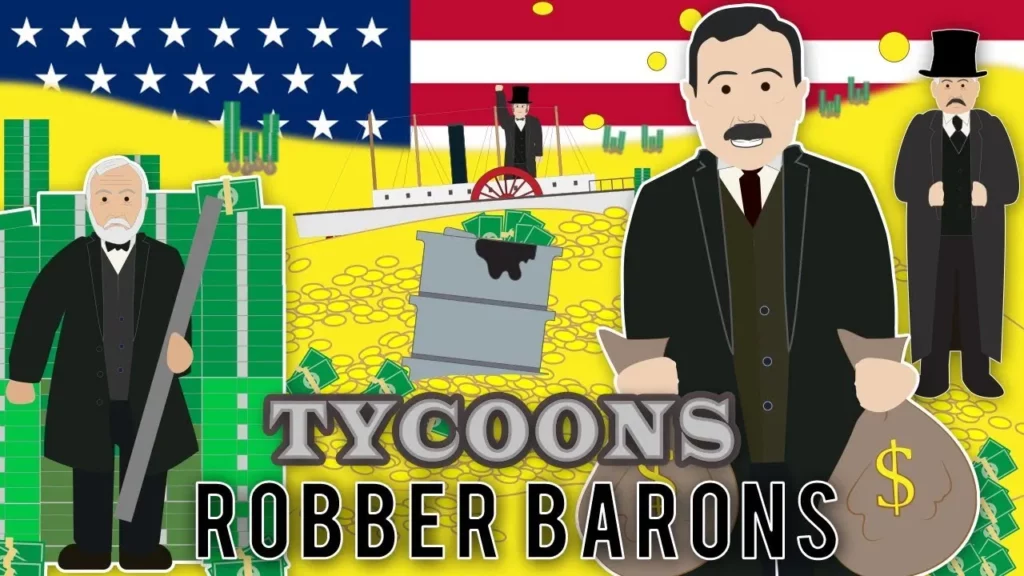
The lesson explores the lives and fortunes of America’s “Robber Barons” during the late 19th and early 20th centuries, highlighting key figures such as Andrew Carnegie, John D. Rockefeller, Cornelius Vanderbilt, and J.P. Morgan. These tycoons amassed immense wealth through controversial business practices in industries like steel, oil, transportation, and banking, while also facing challenges such as labor strikes and antitrust legislation. Ultimately, many of them transitioned into philanthropy, leaving a lasting impact on society.
The Industrial Revolution (18-19th Century)
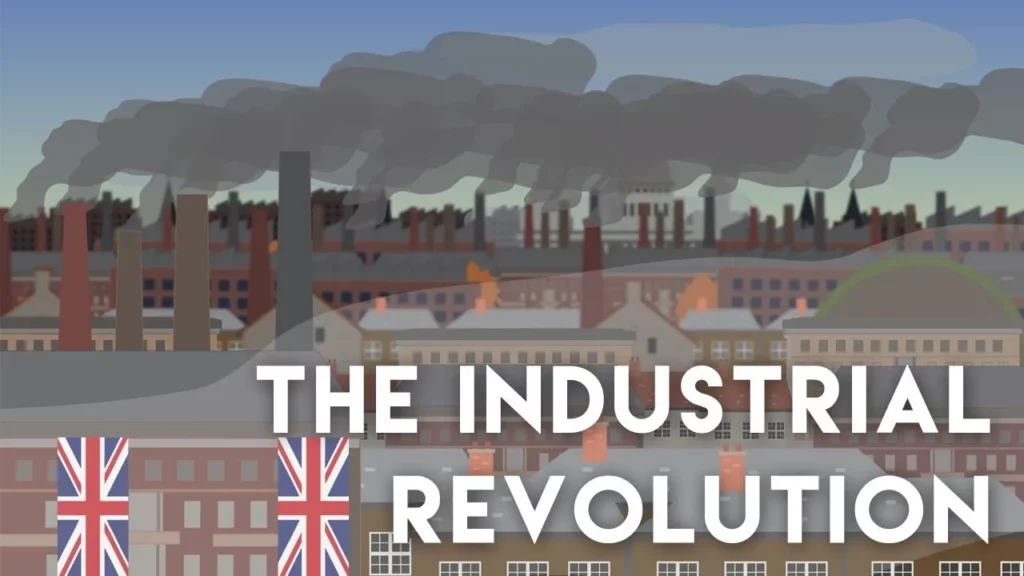
The Industrial Revolution, spanning the 18th to 19th centuries, marked a significant transformation in Europe and America from agrarian economies to industrialized urban centers, driven by advancements in technology and the Agricultural Revolution. Key innovations, such as the steam engine and improvements in the textile and iron industries, facilitated mass production and urbanization, leading to rapid population growth in cities. Britain led this change due to its natural resources, stable environment, and emphasis on engineering, eventually inspiring other nations to industrialize by the early 20th century.
Chain Shot (Deadly Weapon)
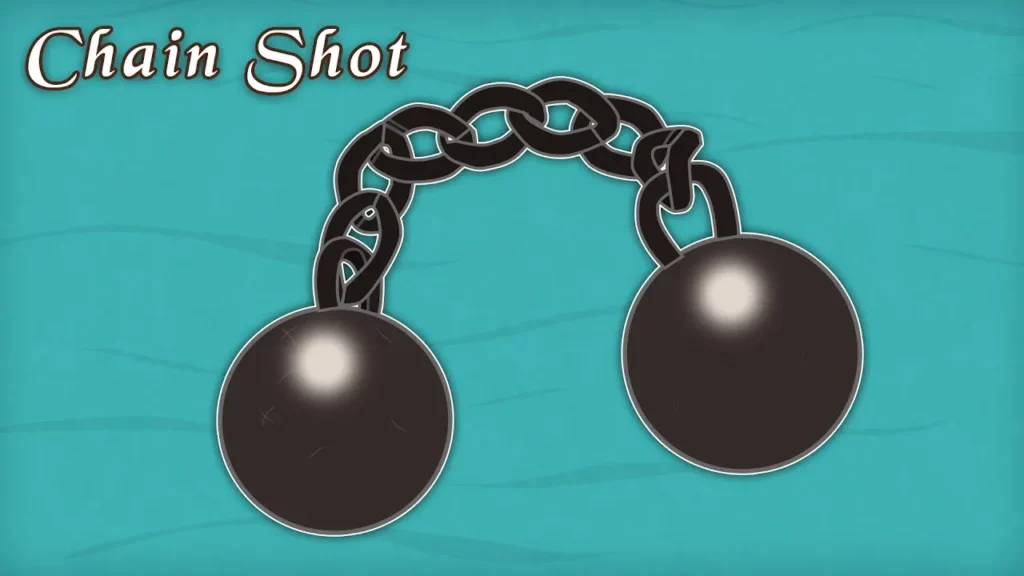
The lesson explores the evolution of naval weaponry from the 17th to the 19th century, highlighting the significance of ammunition types in naval battles. It focuses on the development of chain shot, a unique ammunition designed to damage enemy ships’ sails and rigging, which played a crucial role in naval warfare until the advent of metal warships and advanced artillery in the late 19th century. The lesson emphasizes the importance of innovation in military technology and its impact on naval power dynamics throughout history.