
Misconceptions about Allergies (Ep. 17)

In this lesson, Elliott addresses common misconceptions about allergies, emphasizing that blood tests are not the most reliable method for diagnosing food allergies, and that many adults mistakenly believe they are allergic to penicillin. He also highlights the prevalence of food allergies, the potential for allergies to change over time, and the importance of understanding the immune response involved in allergic reactions, while debunking myths about treatment options and allergenic foods for babies.
Food History: Red Velvet Cake
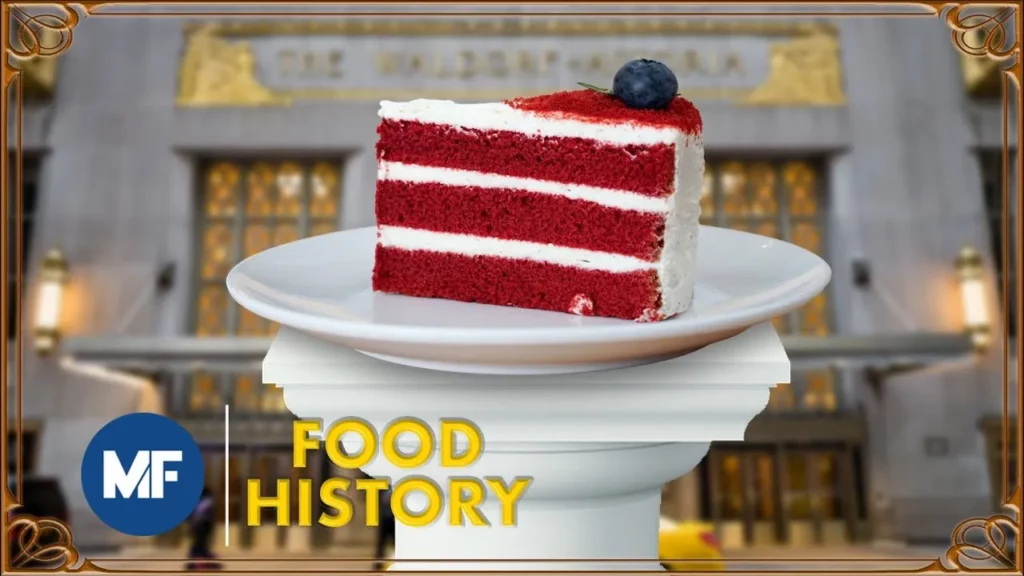
The lesson on red velvet cake explores its intriguing history, highlighting its rise to fame through cultural references, such as the film *Steel Magnolias*, and its association with celebrations like Juneteenth. It delves into the cake’s origins, including the Waldorf Astoria legend and the role of the Adams Extract Company in popularizing it during World War II, while also explaining the science behind its distinctive red color. Ultimately, red velvet cake is celebrated not only for its unique flavor and appearance but also for its significance in various cultural contexts.
Misconceptions About World War 1

The lesson addresses common misconceptions about World War I, highlighting key events such as the sinking of the Lusitania, which shifted American public opinion and ultimately led to U.S. involvement in the war. It also emphasizes the global impact of the conflict, including the participation of colonial troops from Africa and notable figures like the Red Baron and Mata Hari. The lesson concludes with the war’s end on Armistice Day, noting that the U.S. remained technically at war until the Treaty of Versailles was ratified in 1921.
32 Car Name Meanings (Ep.203)

In this lesson, John Green explores the meanings behind various car names, highlighting how they often reflect cultural significance or historical context. For instance, “Volkswagen” translates to “people’s car” in German, while “Toyota” was derived from its founder’s name and the lucky number eight in Japanese culture. The lesson also touches on the origins of names like “Camaro,” “Mercedes-Benz,” and “Subaru,” providing insights that can help viewers sound knowledgeable about automotive terminology.
26 Colors You’ve Never Heard Of

In this lesson, Erin McCarthy explores a variety of lesser-known color names, many of which have intriguing historical and cultural origins. From the whimsical “Lusty Gallant” to the peculiar “Puke,” the lesson highlights how color names have evolved over time, often influenced by literature, geography, and nature. The discussion also touches on the marketing strategies of Elizabethan designers and the significance of these unique colors in fashion and art.
37 Bizarre Podcasts Show Ep. 411

In this episode of “Bizarre Podcasts,” host Mike Rugnetta explores a variety of unconventional podcasts, highlighting unique themes such as music, parenting, movies, and hobbies. From the quirky “The Worst Idea of All Time” to specialized shows like “You Talkin’ U2 to Me?” and “One Bad Mother,” the lesson showcases the diverse and often humorous world of podcasting, encouraging listeners to discover and engage with these unusual audio experiences.
Misconceptions About the 1920s
The lesson explores various misconceptions about the 1920s, highlighting significant events and cultural shifts of the decade. It clarifies misunderstandings surrounding Prohibition, car ownership, the flapper movement, sports legends, presidential influence, the creation of Mickey Mouse, and the causes of the Great Depression, emphasizing the complexity and nuance of this transformative era. By examining these myths, the lesson encourages a deeper understanding of the historical context and realities of the 1920s.
Old-Timey Slang for Weed

This lesson explores the quirky and creative slang terms for marijuana from the 1920s to the 1980s, highlighting how language evolves through cultural influences. Notable terms include “Wacky Backy” from the 1980s, “Goof Butts” and “Muggles” from the jazz era, and various names reflecting Spanish influence, such as “fu.” The lesson illustrates the interplay between language, culture, and music in shaping the terminology surrounding cannabis.
How BOOK IT! Made Reading Delicious
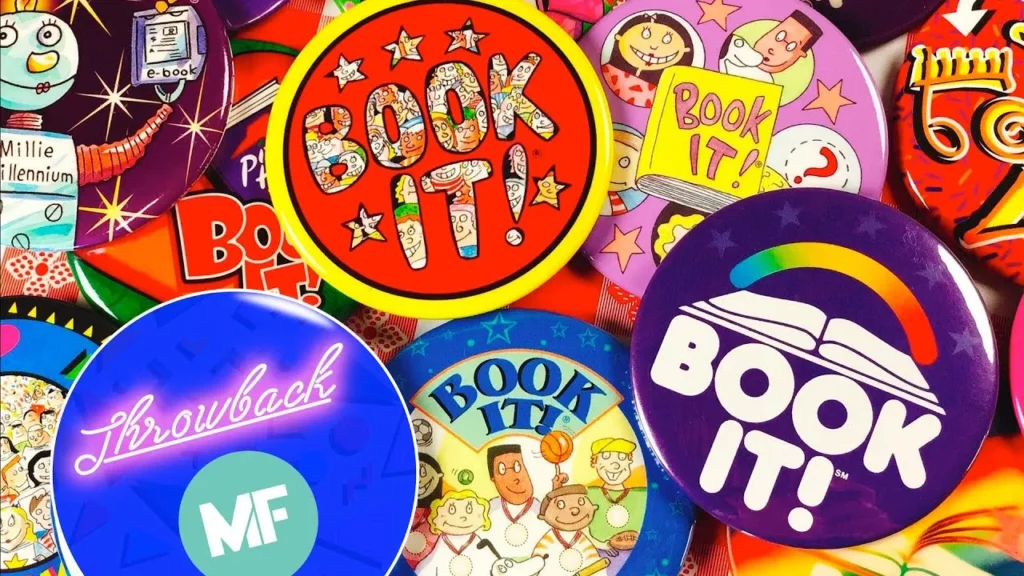
The lesson highlights the origins and impact of the Book It! program, initiated by Pizza Hut in response to declining reading habits among children. Launched in 1984, the program incentivized reading by allowing kids to earn personal pan pizzas for meeting reading goals, leading to a significant increase in reading engagement and skills. Today, Book It! continues to thrive, adapting to modern needs and inspiring millions of children to read.
Food History: Donuts
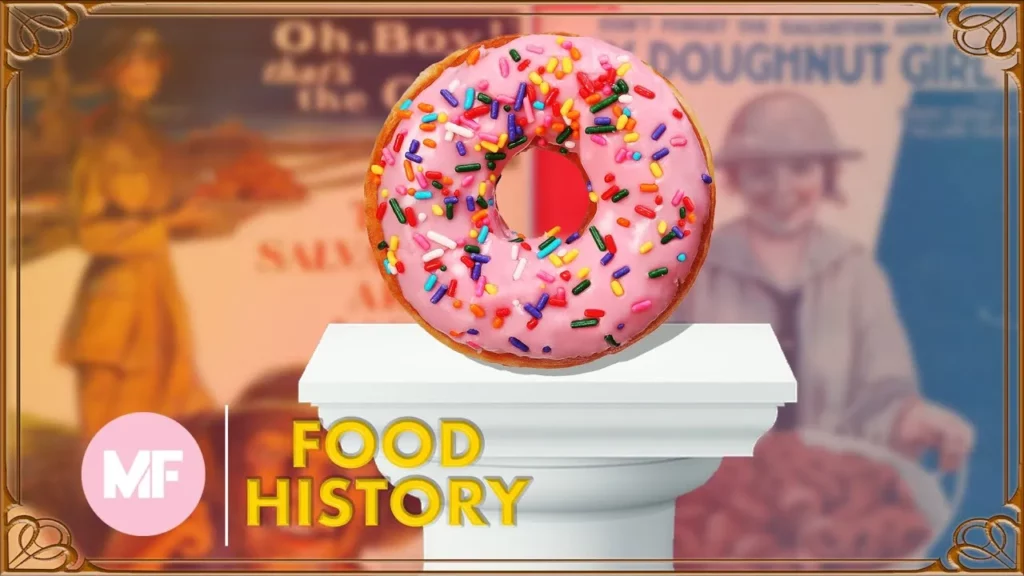
The lesson on the history of donuts reveals that while the concept of frying dough has ancient origins, the modern ring-shaped donut was popularized in 1847 by American sailor Hanson Gregory. The donut’s journey to America involved influences from Dutch, English, and German cuisines, and it gained widespread popularity after World War I when soldiers returned home with a newfound love for the treat. Today, donuts are a beloved staple in the U.S. and have variations enjoyed worldwide, showcasing the diverse cultural significance of fried dough.