
TV Moms, Animal Kingdom Moms, and Mother’s Day! Scatterbrained
This lesson explores the significance of Mother’s Day while highlighting the roles of mothers in both human culture and the animal kingdom. It discusses how mothers influence teen behavior, shares fun facts about iconic TV moms, and describes unique parenting styles among various animal species. Additionally, it delves into the history of Mother’s Day, emphasizing its origins and the importance of appreciating mothers on this special occasion.
31 Facts about Music Festivals Show Ep. 422

This lesson explores the rich history and cultural significance of music festivals, highlighting their evolution from ancient events like the Pythian Games to modern gatherings such as Coachella and Woodstock. It emphasizes key moments and festivals that have shaped the music scene, showcasing their impact on community healing, social change, and entertainment. With around 32 million attendees in the U.S. each year, music festivals continue to be a vibrant part of contemporary culture, offering unique experiences and themes for diverse audiences.
The History of Jell-O Salad
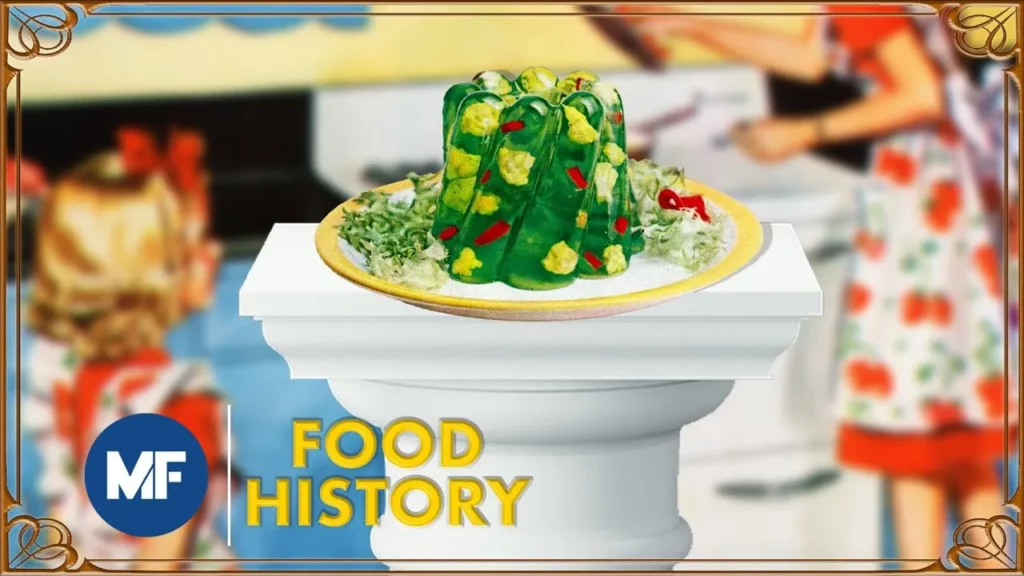
The lesson explores the history and evolution of Jell-O salad, beginning with Mrs. John E. Cook’s “Perfection Salad” in 1905, which showcased the early integration of gelatin into American cuisine. It traces the rise of gelatin from a luxury item in pre-industrial Europe to a mass-produced product popularized by the Waits’ Jell-O brand, particularly during the Great Depression and World War II when it became a practical way to stretch meals. Although Jell-O salads peaked in popularity in the 1950s, they remain a nostalgic part of American culinary tradition, with some communities still celebrating them today.
16 Misconceptions About Football Show Ep. 434

In this lesson, John Green addresses 16 common misconceptions about football, debunking myths and providing interesting facts about the sport. He highlights that NFL teams often have a minimal or negative economic impact on cities, clarifies the effectiveness of strategies like “icing the kicker,” and reveals the historical significance of field goals and cheerleading. The lesson emphasizes the importance of understanding the game’s history and nuances, encouraging viewers to challenge their assumptions about football.
48 Names for Things You Didn’t Know Had Names (Ep. 26)

In this lesson, John Green explores a variety of intriguing and lesser-known names for everyday phenomena, body parts, linguistic concepts, and unique fears. From the pleasant scent of rain known as “petrichor” to the term “glabella” for the area between the eyebrows, the lesson highlights the richness of language and the quirky names that exist for common experiences and objects. Additionally, it introduces fun collective nouns and playful terms, encouraging viewers to appreciate the fascinating world of words.
Misconceptions About Depression
The lesson “Misconceptions About Depression” addresses common myths surrounding depression and emphasizes the importance of understanding its biological and psychological complexities. It highlights that depression is not merely a mental state or a result of negative thinking, but a multifaceted condition influenced by biological factors, including neurotransmitter imbalances and gut health. The lesson also clarifies that while antidepressants can aid in treatment, they do not change one’s personality and should be part of a comprehensive approach that includes therapy and lifestyle changes.
16 Audience Questions About The List Show, Answered

In this lesson, the creators of “The List Show” answered various audience questions, revealing that they have shared approximately 7,500 interesting facts since their show’s inception in 2013. They discussed behind-the-scenes elements, such as their set design and fact-checking process, while also hinting at future content and upcoming episodes focused on intriguing topics like strange predictions about the 21st century.
10 Mysterious Examples of the Mandela Effect

The lesson explores the intriguing phenomenon known as the Mandela Effect, where large groups of people share false memories about specific events or details. Through various examples, such as the misremembering of the Monopoly Man’s monocle and famous movie quotes, the lesson highlights how our brains can reconstruct memories inaccurately, often blending information from different sources. Understanding this effect encourages curiosity and critical thinking about our perceptions of reality.
11 Real Facts About the Illuminati
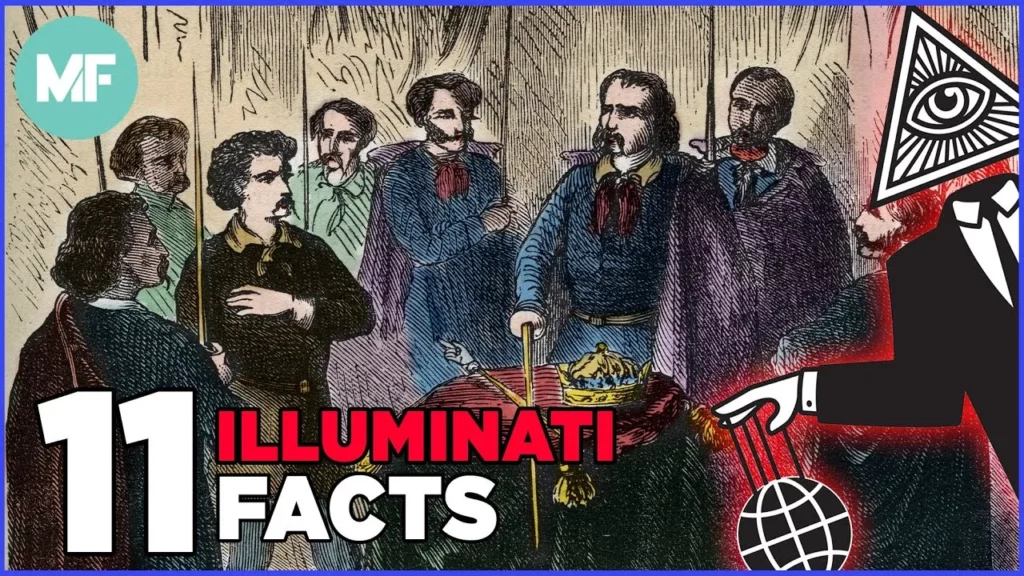
The lesson explores the intriguing history and modern conspiracy theories surrounding the Illuminati, a secret society founded in 1776 by Adam Weishaupt in Bavaria. Initially aimed at promoting rational thought and individualism, the group had a brief existence before being disbanded due to exposure and persecution. Despite its dissolution, various conspiracy theories suggest that the Illuminati continues to influence global events, with connections drawn to symbols and organizations in contemporary society, such as the Denver International Airport.
The Diner’s Surprising History
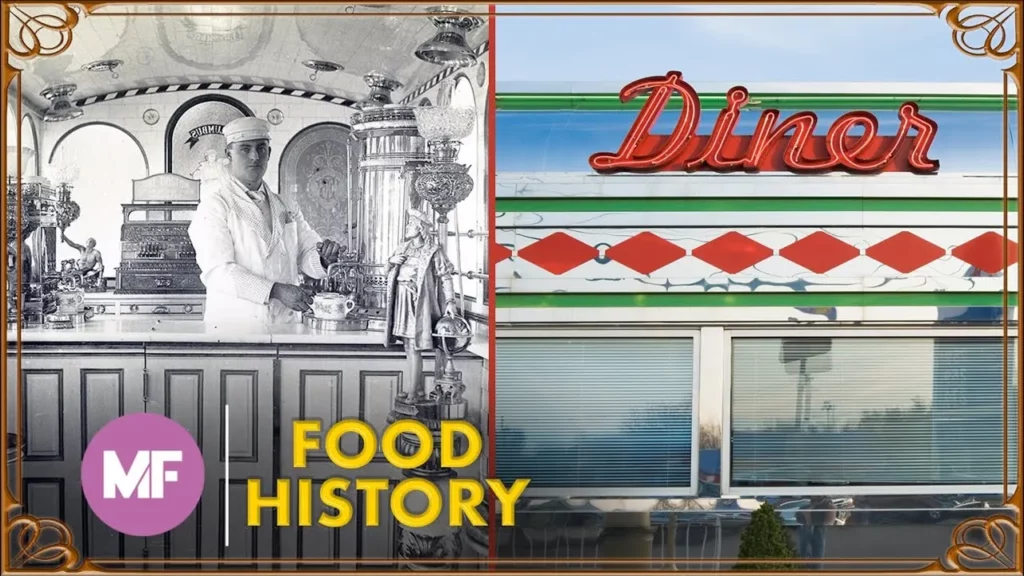
The lesson explores the rich history of diners in America, tracing their evolution from humble lunch wagons serving night shift workers in the 19th century to the iconic establishments they are today. It highlights key developments, such as the introduction of inside seating and the influence of Greek immigrants in preserving and expanding diner culture, while also addressing the challenges they face in modern times. Ultimately, diners are celebrated as vital community hubs that reflect American culinary diversity and cultural heritage.