
26 Banned Baby Names

This lesson explores the fascinating and often strict regulations surrounding baby names in various countries. It highlights examples of unusual and banned names, such as “Nutella” in France and “Fish and Chips” in New Zealand, illustrating how cultural norms and potential teasing influence naming laws. The lesson emphasizes the importance of adhering to approved naming lists in places like Iceland and the unique challenges parents face when choosing names for their children.
23 Weird Celebrity Businesses – List Show (311)

In this lesson, John Green explores the fascinating world of unusual businesses owned by celebrities, highlighting both successful ventures and those that faced challenges. From Willie Nelson’s truck stop to Akon’s diamond mine and Marilyn Manson’s absinthe brand, the lesson showcases a variety of creative and sometimes surprising entrepreneurial endeavors by famous figures, illustrating the diverse ways they leverage their fame in the business world.
Food History: Molecular Gastronomy w/ Dr. Harold McGee

The lesson on molecular gastronomy, presented by Dr. Harold McGee, explores the intersection of science and cooking, highlighting how innovative techniques can transform traditional culinary experiences. Through historical examples and modern pioneers like Ferran Adrià, the lesson illustrates how chemistry and physics can enhance flavor and presentation, creating unique dining experiences that evoke emotions and intrigue. Ultimately, molecular gastronomy emphasizes the importance of understanding scientific principles to achieve precision and creativity in the culinary arts.
23 Dramatic Facts About Broadway

The lesson explores the fascinating history and evolution of Broadway, highlighting key events and figures that shaped its development, such as the mysterious ghost of performer Olive Thomas and the birth of the Broadway musical with “The Black Crook.” It also discusses the impact of influential individuals like Oscar Hammerstein I and Antoinette Perry, the challenges of censorship, and the modern era of Broadway, characterized by record-breaking productions and unique traditions. Overall, Broadway remains a dynamic and essential part of the performing arts landscape, blending rich history with contemporary innovation.
Food History: Ketchup and Mustard

This lesson explores the intriguing histories of ketchup and mustard, two condiments that have been enjoyed for thousands of years. Mustard’s origins trace back to ancient China and its use as a spice and medicine, while ketchup began as a fermented fish sauce in China before evolving into the tomato-based version we know today. Both condiments have rich cultural significance and have become staples in American cuisine, particularly as toppings for hot dogs and hamburgers.
Why does 98 degrees feel hot if that’s your body temperature? – Big Questions – (Ep. 32)

In this lesson, we explored why 98 degrees Fahrenheit feels hot, despite being close to our body’s average internal temperature of 98 degrees. Our bodies struggle to release excess heat when the external temperature matches our internal temperature, primarily relying on sweating for cooling. However, high humidity can hinder the evaporation of sweat, making us feel even hotter as our natural cooling mechanisms become less effective.
Misconceptions from the Internet (Ep. 15)

In this lesson, Elliott from Mental Floss addresses various common misconceptions found on the Internet, debunking myths such as the effectiveness of typing a PIN backward at an ATM for safety, the existence of a “fart tax” in New Zealand, and the exaggerated claims about kangaroo populations in Australia. He also clarifies misunderstandings about selfie statistics, the effects of smoking on nipples, and other popular beliefs, emphasizing the importance of verifying information before accepting it as truth.
Misconceptions about Sports (Ep. 58)

In this lesson, Ellie addresses several common misconceptions about sports, clarifying myths such as the belief that the U.S. men’s hockey team’s victory in the 1980 Olympics guaranteed a gold medal, and that Jackie Robinson was the first African American in professional baseball. The lesson also discusses various other misconceptions, including the nature of stoppage time in soccer, the NFL’s tax status, and the realities of human trafficking during the Super Bowl, emphasizing that while progress has been made in areas like gender equality in sports, significant gaps still exist.
19 Overlooked Scientists You Should Know

The lesson highlights the significant yet often overlooked contributions of various scientists throughout history, emphasizing that many groundbreaking discoveries were made by individuals who did not receive the recognition they deserved. Notable figures such as Alfred Russel Wallace, Lise Meitner, and Rosalind Franklin are discussed, illustrating how their work has been overshadowed by their male counterparts or forgotten entirely. The lesson serves as a reminder of the importance of acknowledging all voices in science to appreciate the full scope of scientific advancement.
Everything You Need to Know About English and Other Languages! Scatterbrained
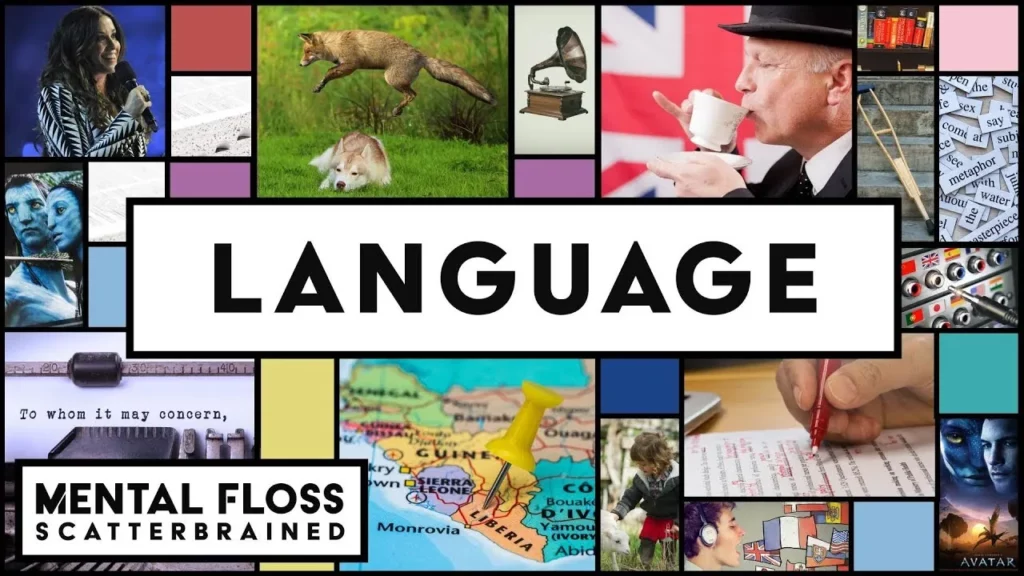
This lesson provides an engaging overview of languages, highlighting the fascinating world of polyglots, such as Ziad Fazah and Dr. Kenneth Hale, who have mastered multiple languages. It also covers essential grammar rules, the complexity of language, and the evolution of vocabulary, while introducing interesting linguistic terms and concepts. Additionally, the lesson encourages creativity by discussing the process of creating a language, exemplified by Dr. Paul Frommer’s work on Na’vi for “Avatar.”