
Misconceptions about Pirates (Ep. 47)
In this lesson, we explored various misconceptions about pirates, revealing that piracy dates back to ancient times, long before the 17th and 18th centuries. We learned that many popular beliefs, such as pirates burying treasure, speaking in a unique dialect, and being chaotic, are largely myths, while also discovering that modern piracy still exists today. Overall, the lesson highlighted the complexity and historical significance of pirates beyond the romanticized portrayals in popular culture.
Food History: Gummy Bears
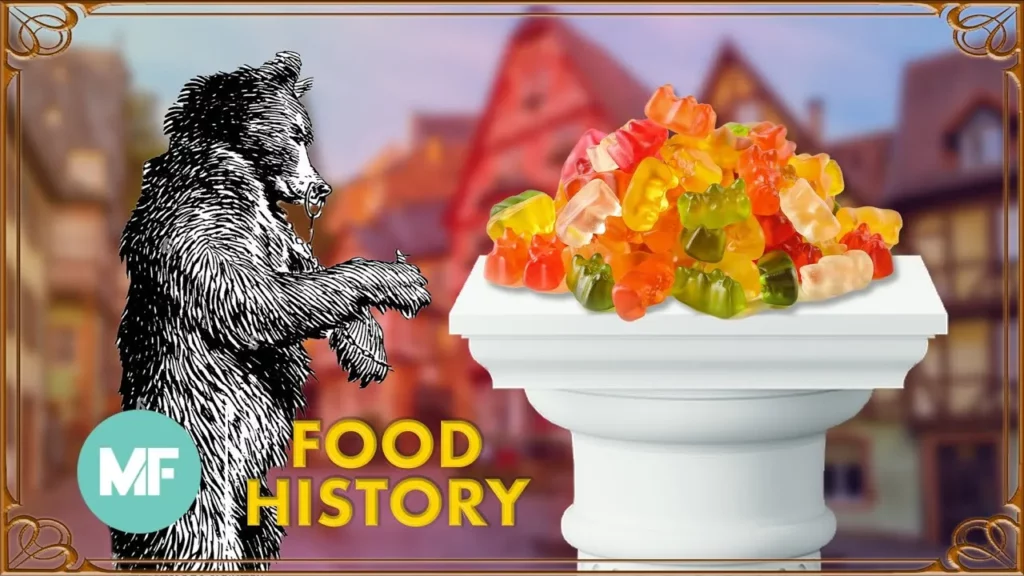
This lesson explores the fascinating history of gummy bears, which originated in Germany in the early 20th century as a unique treat before becoming a global sensation. It highlights the evolution of gelatin candies from Turkish delight to the iconic bear-shaped gummies created by Hans Riegel of Haribo, and discusses their rise in popularity in the U.S. during the 1980s, including their cultural impact through media like the animated series “Adventures of the Gummy Bears.”
22 Pieces of Medieval Pet Advice
In this lesson, Erin McCarthy shares quirky and unusual pet advice from medieval times, highlighting how pets were viewed and cared for in the 15th century. While wealthy individuals kept pets primarily for companionship and entertainment, practical uses for animals included hunting and pest control. The lesson also touches on peculiar feeding practices, training methods, and even strange veterinary remedies that reflect the unique beliefs and customs of the era.
Misconceptions About the Stone Age
The lesson dispels common misconceptions about the Stone Age, revealing that early humans engaged in advanced practices such as surgery and dental care, as evidenced by archaeological findings of trepanation and dental fillings. It also highlights the diverse diet and social structures of Stone Age communities, including the roles of women in hunting and agriculture, and challenges stereotypes about Neanderthals, showing them as more similar to modern humans than previously thought. Overall, the Stone Age was a complex period marked by innovation, community, and cultural practices that laid the groundwork for future societies.
The History of Neopets
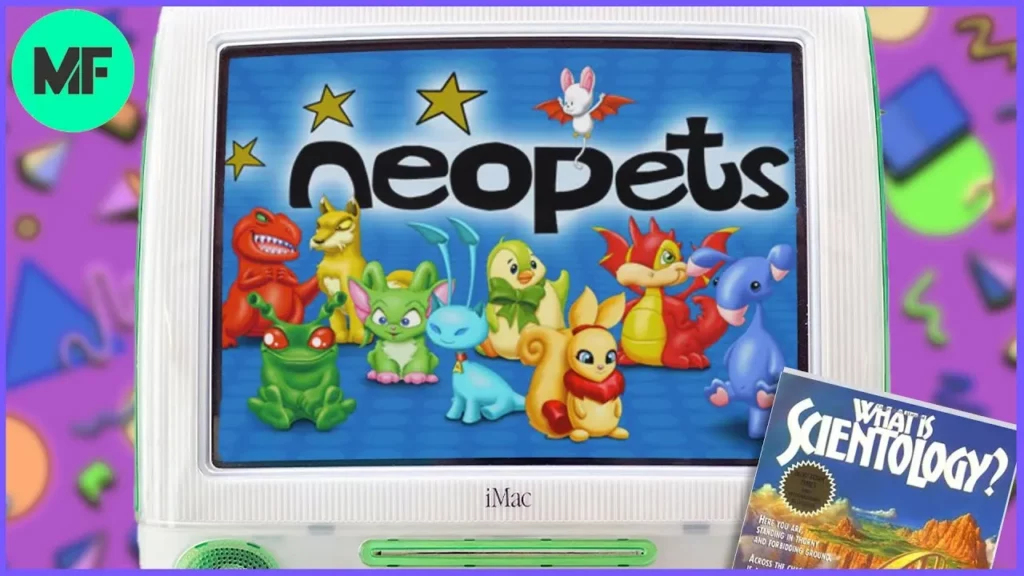
The lesson explores the history and impact of Neopets, a pioneering virtual pet website launched in 1999 that transcended mere entertainment by teaching users about computer skills, social networking, and even basic financial concepts through its immersive gameplay. Created by Adam Powell and Donna Williams, Neopets quickly gained popularity, reaching 25 million users by 2005 and introducing innovative advertising strategies. Despite facing challenges in the evolving internet landscape, Neopets remains a nostalgic platform with a lasting legacy of educational value and community engagement.
17 Outrageous Things Done Out of Spite
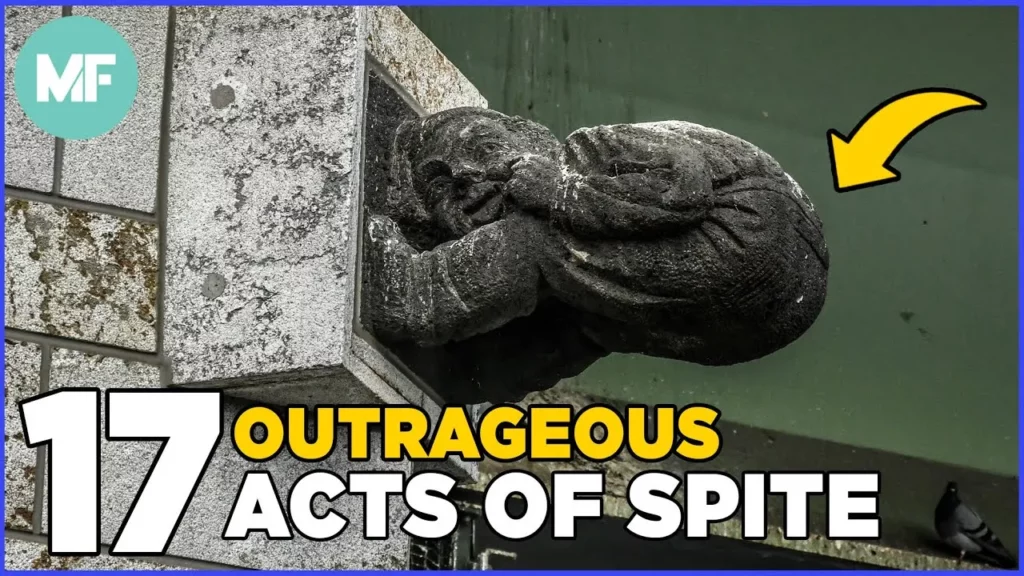
This lesson explores various historical acts of spite, showcasing how individuals have gone to great lengths to express their grievances or rivalries. From the Hess Triangle in New York City to the Lamborghini-Ferrari rivalry, these stories illustrate the lengths people will go to make a point or settle scores, often resulting in creative and humorous outcomes. Ultimately, the lesson highlights the importance of resolving conflicts peacefully rather than letting spite dictate actions.
50 Science Misconceptions (Ep.18)
In this lesson, Hank Green addresses 50 common science misconceptions, clarifying myths about dinosaurs, space, gravity, and everyday science. He highlights intriguing facts, such as the non-existence of the Brontosaurus, the role of the Sun in tides, and the true nature of human senses, emphasizing the importance of questioning widely held beliefs and encouraging curiosity in scientific exploration.
Food History: The Cookbook
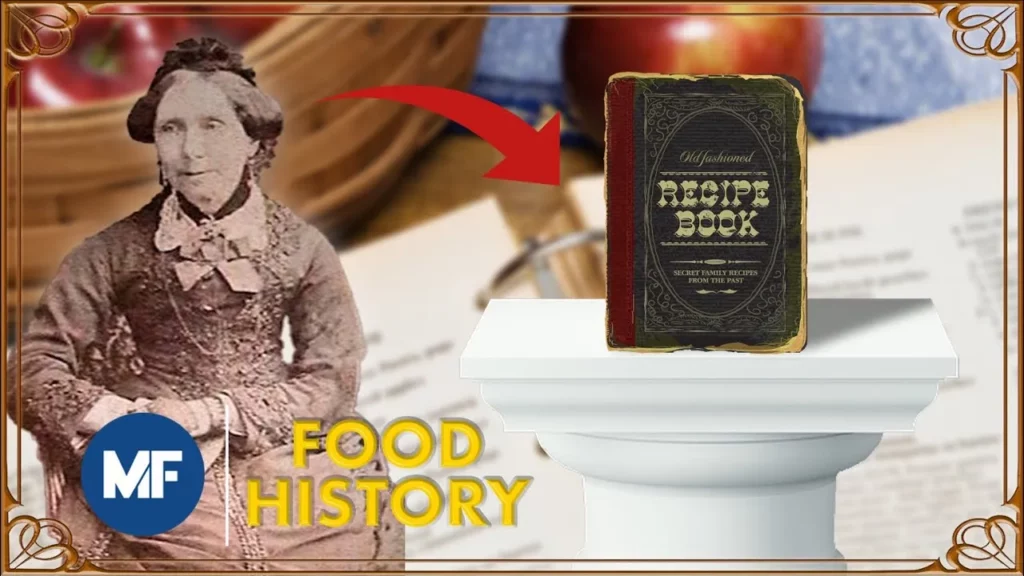
The lesson highlights the significant contributions of Eliza Acton to the evolution of modern cookbooks, particularly through her 1845 publication, *Modern Cookery for Private Families*. Unlike earlier cookbooks that catered to the elite with vague instructions, Acton’s work was designed for the average home cook, featuring precise measurements and accessible recipes. Her innovative approach laid the groundwork for contemporary culinary writing, influencing future cookbooks and emphasizing the importance of clarity and practicality in cooking.
Misconceptions about Disney (Ep. 28)
In this lesson, Elliott addresses and debunks several common misconceptions about Walt Disney and the Disney company, including myths about Walt’s death, the creation of iconic characters like Mickey Mouse and Tinkerbell, and various urban legends associated with Disney parks. By providing factual information, the lesson aims to clarify these myths and enhance understanding of Disney’s history and legacy.
Misconceptions About OCD
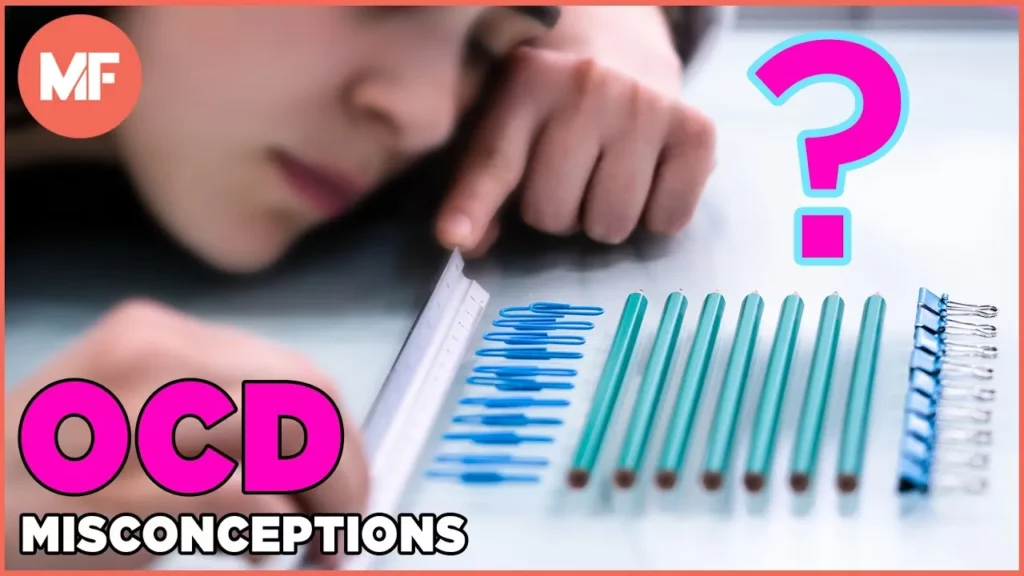
The lesson emphasizes that Obsessive-Compulsive Disorder (OCD) is a serious mental health condition characterized by distressing obsessions and compulsions, rather than merely a quirky preference for cleanliness or organization. It highlights the diverse manifestations of OCD, the significance of intrusive thoughts, and the importance of accurate diagnosis and treatment, which can include Cognitive Behavioral Therapy and medication. Understanding OCD is essential for reducing stigma and providing support to those affected by the disorder.